
 100% Confidential
100% Confidential
100% Confidential
Gilbert Addiction Treatment & Mental Health Resources Guide

Dr. Rostislav Ignatov, MD
Chief Medical Officer
Gilbert is confronting a complex addiction crisis alongside rising mental health needs, yet the community has built a strong foundation of services and supports. The town has invested in innovative crisis response programs and data-driven behavioral health strategies, while residents benefit from Maricopa County’s extensive treatment network.
Statewide trends reveal both progress and persistent challenges. Arizona saw an 8.7% decrease in overdose deaths from 2023 to 2024, falling from 2,780 to 2,539—the lowest level since 2021. Even with this improvement, the state’s overdose rate remains nearly 30% above the national average. At the same time, the Mental Health America: State of Mental Health in America Report (2024) ranks Arizona among the lowest states for “Access to Care,” citing gaps in insurance coverage, workforce capacity, and treatment availability. Adolescent mental health concerns are especially pressing, with anxiety diagnoses rising 55% and depression diagnoses nearly doubling between 2017 and 2021.
In response, Gilbert emphasizes community-centered approaches and specialized crisis teams, supported by more than $455 million in statewide substance use treatment funding. With Maricopa County hosting 57 of Arizona’s 131 substance use disorder providers, the region offers residents diverse pathways into care. For individuals in need of professional, evidence-based treatment, The Haven Detox – Arizona provides comprehensive addiction and mental health care serving residents of Gilbert and surrounding communities.
This guide highlights the addiction and mental health resources available in Gilbert, helping individuals and families navigate a comprehensive system that includes crisis services, peer support, transitional housing, and treatment options.
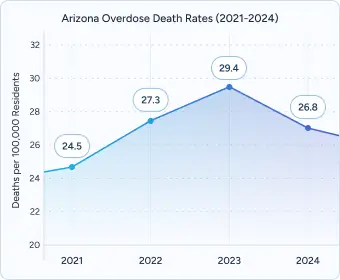
Marking the lowest level since 2021 and reversing a three-year upward trend. With Maricopa County experiencing varied outcomes across different demographics and neighborhoods. However, statewide figures still show Arizona’s overdose rate remains significantly above the national average at 26.8 deaths per 100,000 residents.

East Valley communities lead with heightened service needs, particularly among adolescent populations. The Maricopa County region, including Gilbert, shows elevated rates for youth mental health concerns, with female adolescents experiencing anxiety at 22.1% compared to males at 11.6%. Conversely, areas with established treatment infrastructure and family support systems maintain significantly lower crisis intervention rates.
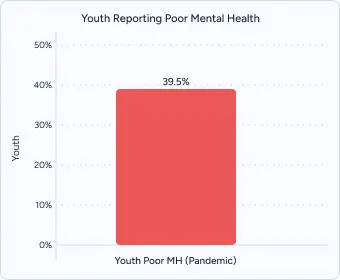
Expanding access remains a priority in Gilbert’s behavioral health landscape. Arizona made over 19,736 medication-assisted treatment placements in 2019, and outreach efforts continue to grow. During the pandemic, 39.5% of Arizona youth reported poor mental health, underscoring the need for expanded support. In response, community partners have increased outreach through the 988 crisis line—fielding over 74,287 contacts annually—and continue to strengthen youth-focused prevention and engagement initiatives.
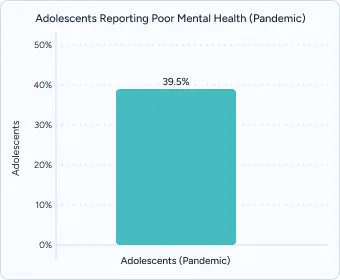
Nearly half (39.5%) of adolescents report poor mental health during the pandemic, up from previous baseline measures. With higher rates among female students, LGBQ+ populations, and those experiencing special healthcare needs. More concerning, less than half receive adequate support when experiencing crisis-related challenges.
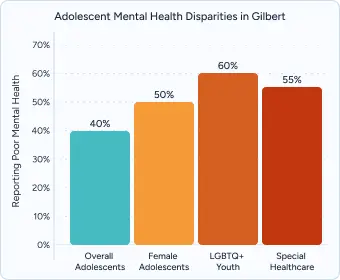
Nearly 40% of Arizona adolescents report poor mental health concerns, representing significant increases over recent years. Rates are especially high among female adolescents, LGBTQ+ youth, and students with special healthcare needs. Yet many in this population lack adequate access to culturally responsive mental health resources.

Gilbert residents have access to a strong network of community-based services that provide crisis response, treatment navigation, and recovery support across East Valley neighborhoods. The Maricopa County Regional Behavioral Health Authority serves as a centralized access point for treatment information and referrals, offering mobile crisis teams, psychiatric emergency support, and peer recovery connections throughout the region.
Locally, the Gilbert Community Resource Center provides counseling navigation, case management, and family services, helping residents connect with behavioral health and addiction treatment options. The Maricopa County Crisis Line (1-844-534-4673) ensures 24/7 access to crisis intervention, with mobile teams available to reach residents at home, work, or in the community.
Peer-led groups also play a vital role. NAMI Valley of the Sun supports East Valley families through education, advocacy, and community support groups, while Gilbert Youth and Family Services delivers prevention programs, counseling, and family-focused interventions that strengthen resilience and reduce barriers to care.
Transportation access makes these resources easier to reach. Valley Metro connects Gilbert neighborhoods to treatment and recovery centers across Maricopa County, while specialized medical transport and ADA paratransit ensure accessibility for individuals with disabilities.
Together, these community-based services create a supportive foundation that complements the medical detox and residential treatment available at private treatment facilities ensuring Gilbert residents have multiple entry points into care and long-term recovery.
Arizona Medicaid (AHCCCS) provides full coverage for addiction and mental health treatment, including medical detox, residential care, outpatient therapy, and approved medications such as buprenorphine and naltrexone. As of 2025, copayments have been eliminated for many services, and eligibility extends to residents earning up to 138% of the federal poverty level.
Arizona Complete Health also offers coverage for children and adults, ensuring access to crisis services and ongoing support. Enrollment is available through the AHCCCS online portal or by phone, with applications offered in Spanish and other languages.
For those not eligible for Medicaid, the Arizona Health Care Cost Containment System provides state-funded financial assistance for residents with incomes up to 200% of the federal poverty level. Support materials and applications are available online, at regional offices, and through multilingual community health workers.
Finally, Maricopa County Behavioral Health Services offers wraparound funding and navigation for uninsured residents, helping individuals connect with public treatment slots and community-based resources. To find available options, residents can use the AHCCCS provider directory or call 1-844-534-4673 for guidance.
Eliminating wait times through free insurance verification, comprehensive assessment, and medical detox availability, alongside evidence-based therapies including EMDR, cognitive behavioral therapy, and family systems approaches. Private facilities often provide advantages over state-funded programs including:
Insurance processing typically occurs within 48 hours with same-day admission capabilities when clinically appropriate for individuals ready to begin treatment.
The Haven Detox – Arizona in Green Valley offers immediate access to evidence-based addiction and mental health treatment serving the Gilbert area. The Haven Detox combines traditional therapies like CBT and DBT with holistic approaches, including Reiki, art therapy, and yoga, plus cutting-edge GeneSight genetic testing to personalize medication selection. With one of the highest staff-to-client ratios in Arizona, the facility provides both medical detox and residential treatment in a comfortable, resort-like environment.
Gilbert, Chandler, and Mesa communities offer comprehensive services including depression treatment, anxiety care, dual-diagnosis support, and trauma-informed approaches. Programs feature culturally competent care, bilingual providers, and specialized tracks for adolescents, adults, and families throughout the region. Community-based organizations also play an important role. Catholic Charities Community Services – East Valley provides counseling and family support, particularly for immigrant and low-income families. Native Health Mesa offers culturally grounded behavioral health programs for Native American residents, while faith-based counseling networks throughout Gilbert and Chandler deliver bilingual and family-focused care to diverse congregations.
Neighborhood-based supports help bridge cultural and language gaps. NAMI Valley of the Sun delivers peer-led education, family programming, and community support groups at no cost. Asian Pacific Community in Action (APCA) provides advocacy and culturally responsive behavioral health support for Asian American and Pacific Islander residents. Chicanos Por La Causa (CPLC) offers bilingual counseling and prevention programs serving Latino communities across the East Valley. In addition, local libraries and community centers host peer-led workshops, youth groups, and family programs that bring mental health support directly into neighborhoods.
Arizona Peer and Recovery Support Specialists serve individuals throughout their recovery journey. State-certified specialists with lived experience offer coaching, mentoring, and community connections through AHCCCS health plans and the Office of Individual and Family Affairs.
Maricopa County Crisis Mobile Teams (1-844-534-4673) travel directly to individuals experiencing behavioral health emergencies, providing assessment, stabilization, and connections to ongoing peer support services across all Gilbert neighborhoods.
Arizona Recovery Housing Association certification ensures quality standards and resident protections. Find the full directory at myazrha.org for current availability and application processes.
Bishop House – Gambit Recovery holds Arizona Recovery Housing Association accreditation. Located in Gilbert with 2,400 sq ft providing structured men’s sober living, featuring Wi‑Fi, laundry facilities, house management support, accountability through regular drug screening, and required meeting attendance.
Starts with Love Foundation – Saguaro House maintains state certification standards. Five-bedroom transitional housing in North Gilbert offering financial assistance, job training, recovery support, and life skills development with case management and wraparound services.
The Maricopa County AA Central Office coordinates over 200 meetings weekly. Access the website at aaphoenix.org, partnering with mobile apps and providing daily meeting updates. Spanish-speaking meetings and specialized groups serve diverse communities across Gilbert and surrounding areas.
Gilbert AA and NA Groups
Multiple locations, including Gilbert Presbyterian Church, Desert Cross Lutheran, Chalice Christian Church, and Sun Valley Community Church, host daily meetings with morning, evening, and weekend options.
LGBTQ+ Affirming Meetings – Support groups offer culturally competent spaces for individuals navigating recovery while addressing stigma and identity-based challenges.
Key quality indicators help identify effective behavioral health programs:
Comprehensive Assessment should evaluate both substance use and mental health simultaneously, recognizing co-occurring disorders through integrated screening and family involvement interviews.
Evidence-based Therapies must include proven approaches like Dialectical Behavior Therapy, Cognitive Behavioral Therapy, and Medication-Assisted Treatment, all supporting long-term recovery outcomes.
Culturally Responsive Care requires matching providers to client backgrounds through bilingual services, LGBTQ+-affirming programs, and faith-based supports serving Gilbert’s diverse Latino and Indigenous communities.
Aftercare Coordination enhances long-term recovery success through comprehensive discharge planning.
Beginning during active treatment, effective programs connect clients with outpatient therapy, peer-led support groups, and transitional housing while maintaining warm handoffs and ongoing community partnerships throughout Maricopa County.
Family Engagement and Support improve treatment outcomes significantly.
Multi-family therapy sessions, educational workshops about addiction and mental health, and Spanish-language family support groups help rebuild relationships while providing culturally tailored resources for Gilbert’s diverse community populations.
Professional treatment offers the safety, structure, and individualized care that support long-term recovery:
Evidence-Based Therapeutic Approaches incorporate trauma-informed care utilizing Eye Movement Desensitization and Reprocessing, family systems therapy, and neurofeedback, supported by ongoing staff certification and specialized training programs.
Alumni and Aftercare Networks provide sustained recovery support through quarterly reunion events, digital peer forums, and mentorship programs connecting graduates with current clients for ongoing accountability and community building.
Administrative and Navigation Support Services include benefits coordination, sliding-scale financial consultations, and dedicated referral coordinators who assist with insurance verification, transportation arrangements, and community resource connections.
Professional treatment represents an investment in recovery success, offering immediate access, personalized care, and comprehensive services designed to address the complex nature of addiction and mental health conditions.
Begin your recovery journey with confidential support
Insurance and Financial Verification provides comprehensive coverage analysis within 48–72 hours, cost estimation assistance for out-of-network benefits, emphasizing transparency and affordability throughout the treatment process.
Assessment and Intake Coordination offers same-day clinical evaluations, next-day placement in appropriate care levels, featuring streamlined admissions that minimize delays while ensuring clinical appropriateness and family involvement.
Most programs schedule an initial assessment within 48 hours, then connect you with a therapist based on your needs and insurance coverage.
Arizona Medicaid typically covers individual and group therapy completely; check with your health plan for specific provider networks and authorization requirements.
Yes. Multiple churches and community centers offer bilingual peer-support meetings, with native Spanish facilitators and interpretation services available.
Several nonprofit clinics provide sliding-scale fees and grant-funded treatment; inquire about financial assistance during intake consultations.
Some programs partner with Valley Metro and medical transportation services to offer reduced-cost transportation vouchers for clients throughout Maricopa County.
Crisis hotlines and mobile response teams operate 24/7—call the Arizona statewide crisis line at 1-844-534-4673 for immediate support.
Yes. Family peer specialists offer confidential coaching and referrals to Al-Anon, family therapy, and intervention services throughout Gilbert.
Look for centers offering LGBTQ+-affirming groups, Native American healing circles, Spanish-language support, and faith-based counseling tailored to diverse communities.
Yes. Many organizations run college outreach programs, peer-led support circles, and workshops designed specifically for adolescents and young adults.
Centers for Disease Control and Prevention. U.S. Overdose Deaths Decrease Almost 27% in 2024. NCHS Press Release. May 8, 2025. https://www.cdc.gov/nchs/pressroom/nchs_press_releases/2025/20250514.htm. Accessed September 16, 2025.
National Institute on Drug Abuse. Drug Overdose Deaths: Facts and Figures. NIDA. August 20, 2024. https://nida.nih.gov/research-topics/trends-statistics/overdose-death-rates. Accessed September 16, 2025.
Centers for Disease Control and Prevention. Vital Statistics Rapid Release: Provisional Drug Overdose Data. CDC. August 6, 2025. https://www.cdc.gov/nchs/nvss/vsrr/drug-overdose-data.htm. Accessed September 16, 2025.
Centers for Disease Control and Prevention. CDC Reports Decline in U.S. Drug Overdose Deaths. CDC News Release. May 15, 2025. https://www.cdc.gov/media/releases/2025/2025-cdc-reports-decline-in-us-drug-overdose-deaths.html. Accessed September 19, 2025.
Arizona Department of Health Services. Arizona Adolescent Mental Health Report. AZDHS. 2024. https://www.azdhs.gov/documents/prevention/womens-childrens-health/adolescent-health/2024-adolescent-mental-health-report.pdf. Accessed September 16, 2025.
Centers for Disease Control and Prevention. CDC WONDER (Wide-ranging Online Data for Epidemiologic Research). Atlanta, GA: CDC. Updated 2025. Accessed September 19, 2025. https://wonder.cdc.gov
Arizona Department of Health Services. Opioid Prevention. AZDHS. March 21, 2024. https://www.azdhs.gov/opioid/. Accessed September 16, 2025.
Arizona Health Care Cost Containment System. Behavioral Health Services. AHCCCS. September 30, 2022. https://www.azahcccs.gov/Members/BehavioralHealthServices/. Accessed September 16, 2025.
Arizona Health Care Cost Containment System. Crisis Hotlines. AHCCCS. (Date not provided). https://www.azahcccs.gov/BehavioralHealth/crisis.html. Accessed September 16, 2025.
Arizona Department of Health Services. Arizona Treatment Capacity Survey Analysis. AZDHS. March 2023. https://www.azdhs.gov/opioid/documents/survey-analysis/2023/march-2023-treatment-capacity-survey-analysis.pdf. Accessed September 16, 2025.
Substance Abuse and Mental Health Services Administration. Find Help and Treatment for Mental Health, Drug, Alcohol Issues. SAMHSA. December 26, 2024. https://www.samhsa.gov/find-help. Accessed September 16, 2025.
Arizona Health Care Cost Containment System. Peer Support. AHCCCS. (Date not provided). https://www.azahcccs.gov/AHCCCS/HealthcareAdvocacy/OIFA/peersupport.html. Accessed September 16, 2025.
Substance Abuse and Mental Health Services Administration. FindTreatment.gov Locator. FindTreatment.gov. May 19, 2025. https://findtreatment.gov/locator. Accessed September 16, 2025.
Let’s talk about what’s going on — no judgment. (We’ve been there before ourselves). No one will know you inquired and there is no commitment to call.
24/7 Support
No Commitment
100% Private
There’s no catch. Checking your insurance is simply a way to see what your plan covers — it doesn’t lock you into treatment, notify anyone, or cost you anything. You get answers upfront to decide what makes sense for you.
Protecting your privacy matters! No information or notifications are ever sent to your employer or family — whether you check your insurance online or call. Everything is handled through secure, encrypted systems that meet strict medical privacy laws. You stay in control of your information!
Luckily, most insurance policies cover treatment here. Depending on the healthcare you’ve already had this year, costs could even be zero. Instead of worrying, let’s just find out what your plan covers.
Most likely. We work with major providers like Cigna, Aetna, and United Healthcare, public insurances like Tricare and tribal plans, and even smaller plans like Surest Bind and Harvard Pilgrim. The quickest way to know for sure is to check online or call. It’s a quick, private way to understand what is covered upfront.
Verifying your insurance isn’t a commitment to start treatment — it’s simply a way to see what your options are. Knowing your coverage ahead of time helps you make more informed, confident decisions. It also helps flag a spot, so you’re able to get right in if you ever do decide you’re ready.
You need your policy number to check your specific policy online. If you want general information, just call. You likely have questions beyond insurance anyway. Reaching out now helps you figure out the right fit if or when you’re ready. You don’t have to put off the call until you’re in crisis. Calling is not scary, I promise!