Advanced Therapy
Hypnotherapy for Mental Health & Addiction Treatment
If your mind will not slow down, or you keep falling into the same patterns no matter how hard you try, it gets frustrating.
You may understand what is happening, but in the moment, the anxiety, cravings, or reactions still take over. Hypnotherapy helps you respond differently so those patterns do not control you in the same way.
What Is Hypnotherapy?
Hypnotherapy, or clinical hypnosis, is a type of therapy that helps change automatic patterns in how you think and react.
That might look like:
- your mind jumping to worst-case scenarios
- anxiety hitting before you can stop it
- cravings showing up even when you don’t want them
- replaying the same thoughts over and over
- reacting strongly to certain people or situations
Hypnotherapy helps by putting you in a more focused, calm state where your brain is easier to work with. In that state, you can start to change how you respond instead of repeating the same reactions.
You are not asleep. You are aware the whole time. You can stop at any point.
It is often used alongside therapy, medication, or other treatment when these patterns keep happening even when you’re trying to change them.
Hypnotherapy helps slow down automatic reactions so you have more control in the moment. That can mean catching anxiety before it escalates, noticing a craving without acting on it, or interrupting repetitive thoughts before they take over. Instead of reacting the same way every time, you start to respond differently to stress, triggers, and urges.
Hypnotherapy is not limited to sessions. It teaches simple techniques you can use in real situations, like slowing your breathing when anxiety builds, stepping back from urges, or shifting your focus when your mind starts looping. These are practical tools meant to work when you need them, not just in a clinical setting.
Over time, these changes start to build. You may notice that thoughts feel less intense, cravings pass more quickly, and stressful situations are easier to handle. The goal is not to eliminate every symptom, but to give you more control over how you respond so those patterns do not take over as easily.
How Hypnotherapy Works in Mental Health & Addiction Treatment
Each session is focused on specific issues you are dealing with, like anxiety, cravings, sleep, or stress. Here is what that can look like:
Set your focus
You and your clinician decide what you want to work on that day. That might be falling asleep faster, handling anxiety at work, or getting through cravings in the evening. Keeping the focus specific makes it easier to work on something you will actually deal with outside the session.
Enter a Focused, Relaxed State
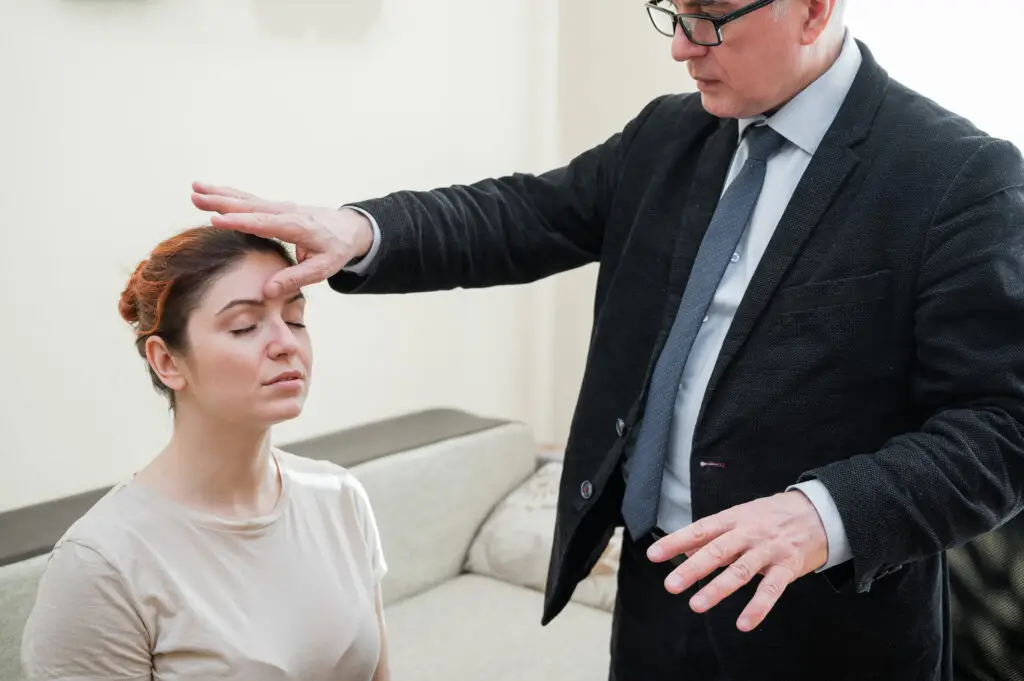
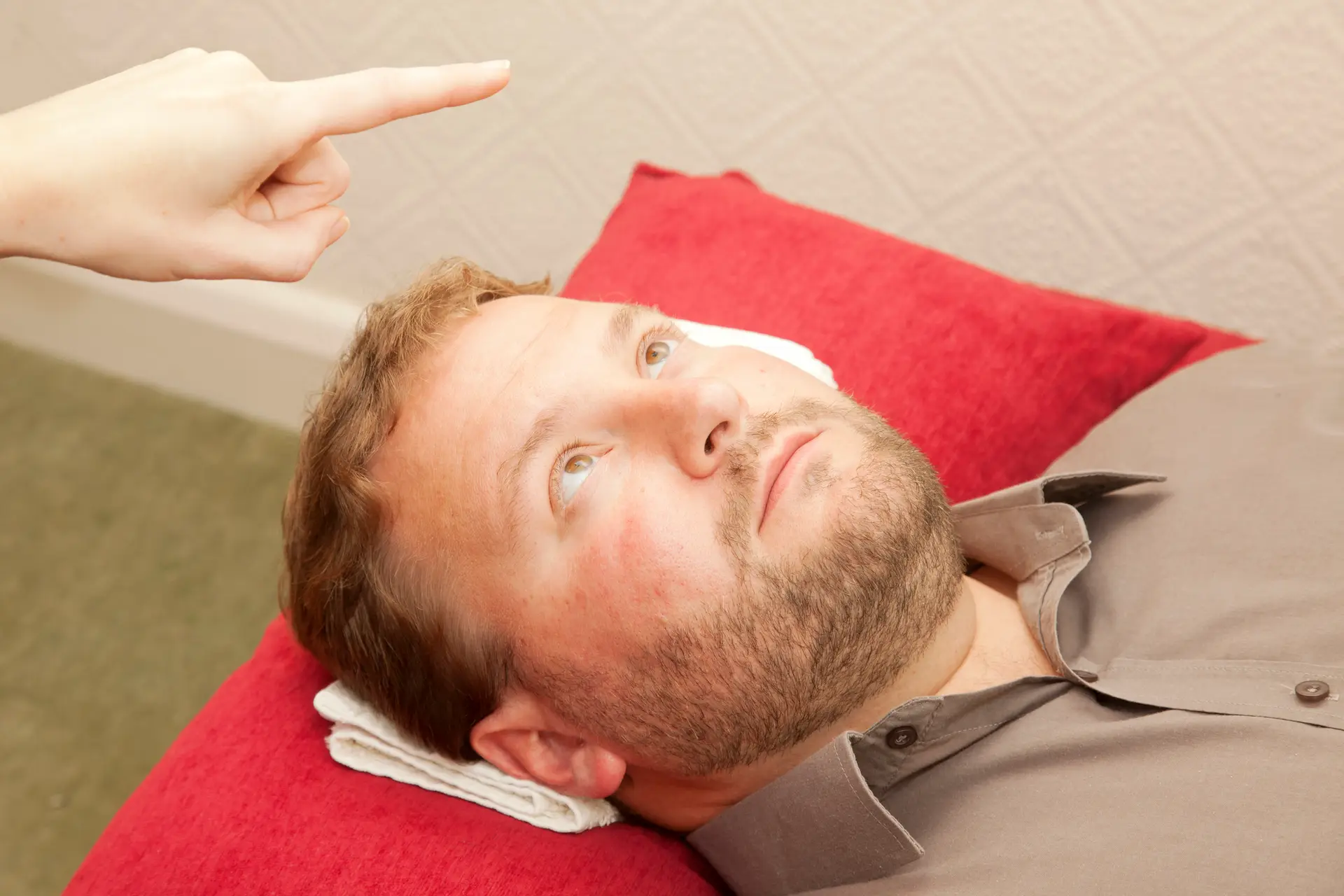
You will sit or lie down while your clinician guides you through breathing and relaxation. Most people feel calm, physically still, and more focused than usual. You are not asleep. You are aware the whole time and can stop whenever you want.
Work on the Pattern
Once you are in that state, you start working on how your mind reacts. This can include slowing down anxious thoughts, changing how your body responds to stress, reducing the intensity of cravings, or interrupting repetitive thinking. The goal is to change how your brain responds, not just talk about it.
Practice Real Situations
You will walk through situations that usually trigger a reaction, like a stressful conversation, being alone at night, or being around alcohol. Instead of reacting the same way, you practice responding differently while your mind is calm and focused
Using Hypnotherapy in the Moment
When anxiety starts building or a craving hits, like being alone at night or after a stressful day, you recognize it earlier and use the technique you practiced to slow it down instead of reacting the same way.
What a Hypnotherapy Session is Like
A lot of people hear “hypnosis” and picture losing control or being put to sleep. That is not what this is.
You are awake the entire time. You can hear everything. You can stop at any point.
A hypnotherapy session is more like a guided, focused state where your mind is calm enough to actually process things differently.
It usually starts with a conversation. You will talk through what has been bothering you, whether that is anxiety that will not shut off, cravings, past experiences, or patterns you feel stuck in.
From there, the therapist will guide you into a relaxed state. This is not forced. It feels similar to being deeply focused or absorbed in something. Your body may feel heavy or still, but your mind is active.
Once you are in that state, the work begins.
The therapist may help you:
- slow down racing thoughts
- change how your mind reacts to triggers
- reduce the intensity of cravings or anxiety
- process experiences that may be too hard to think about
- build more control over automatic patterns
You are not being controlled. You are not unconscious. You are actively participating, just without the constant noise and resistance that usually gets in the way.
Most sessions last around 45 to 60 minutes.
Some people feel a shift right away. For others, it builds over time as your brain starts responding differently to the same situations.
If you have ever felt like you understand your problem but still cannot change it, this is often where hypnotherapy can help.
Experts in Hypnotherapy
Hypnotherapy at The Haven Detox Group is delivered by licensed clinicians trained in clinical hypnosis and behavioral health. Sessions are collaborative and paced to you. The work is adjusted based on your feedback, so suggestions stay relevant and useful as you make progress.
Clinical Director
- Specializing in Addiction, Anxiety, and Depression
What Hypnotherapy Can Help With (Anxiety, Trauma, Cravings, Sleep)
Hypnotherapy for Cravings & Substance Use Triggers
Cravings can hit at predictable times, like after work, at night, or when you’re stressed. Hypnotherapy for addiction helps you recognize the urge earlier and respond differently, so it doesn’t automatically lead to using. Over time, those triggers become less intense and easier to manage.
Hypnotherapy for Medical Anxiety and Fear of Procedures
If you feel anxious before appointments, tests, or medical procedures, hypnotherapy for anxiety can help reduce that reaction. The goal is to make those situations feel more manageable so you’re not going in already overwhelmed.
Hypnotherapy for Stress That Doesn’t Shut Off
Some people feel like their body stays on edge all day, even when there is no clear reason. Hypnotherapy for stress helps your body settle faster so you are not carrying that tension from one situation to the next.
Hypnotherapy for Sleep Problems and Insomnia
When your mind stays active at night, it can be hard to fall asleep or get back to sleep once you wake up. Hypnotherapy for sleep helps slow that mental activity so your body can settle and sleep feels more natural.
Hypnotherapy for Trauma and Emotional Triggers
Certain situations, people, or memories can trigger strong emotional reactions, even when you know you are safe. Hypnotherapy for trauma helps reduce how intense those reactions feel so they are easier to manage and do not take over in the same way.
Hypnotherapy for Anxiety and Overthinking
If your mind keeps replaying situations or jumping to worst-case scenarios, hypnotherapy for anxiety can help reduce how quickly and intensely those thoughts take over. Over time, it becomes easier to step out of those loops.
How This Fits Into Your Care
Hypnotherapy for addiction treatment works best as part of a larger plan. It can be paired with individual therapy, medical support, support groups, family sessions, and wellness services. Your clinician coordinates with your broader team so the skills you learn show up where they matter most—at home, at work, and in everyday stress points.
Holistic Healing
Relaxing Surroundings
Medication-Free Treatment
Locations Offering Hypnotherapy
Hypnosis for drug addiction is offered at our Florida treatment center, where it enhances our full spectrum of evidence-based and holistic care. While this specialized therapy is unique to Florida, every The Haven Detox Group location provides comprehensive programs designed to support lasting recovery. Our admissions specialists can guide you through availability and help schedule treatment at the site that best fits your needs.
Space Available
Insurance Accepted
Space Available
Insurance Accepted
Hypnotherapy Offered
Space Available
Insurance Accepted
Space Available
Insurance Accepted
Space Available
Insurance Accepted
Space Available
Insurance Accepted
Space Available
Insurance Accepted
Space Available
Insurance Accepted
Treatment Success Stories
Peter
They really took the time to understand my situation and created a treatment plan that works for me. I loved how they combined traditional therapies with some holistic approaches, it truly made a difference.
TonyBanjaro
For me it really helped with expectations I felt coming from my parents. My sister recommended a hypnotherapist she visited, and while skeptical I agreed to go. Within just 3 sessions, where we put my parents in the place I wanted them to be subconsciously. I was able to live my life!
Duffstoic
I used to be a chronic anxiety sufferer, with levels of 5-10 out of 10 every day of the week for over 15 years. Yes, hypnosis absolutely works. The hypnotic process that worked the best for me was a method called Core Transformation, but many methods can work great.
Insurance Coverage & Accessibility for Hypnotherapy
Coverage for Hypnotherapy depends on your plan and how services are billed. When provided by licensed clinicians within a behavioral health program, some plans cover it; others treat it as an adjunct service. A quick, confidential benefits check can confirm costs before you start, and flexible payment options are available if needed.
FAQs About Hypnotherapy
Will I lose control or say things I don’t want to?
No. You stay aware and in charge the whole time. You can open your eyes, speak, or stop whenever you want.
Does hypnotherapy actually work?
Evidence is strongest for areas like pain, procedure-related anxiety, and some gut and sleep issues. Results vary by person and condition, but many people find it a useful add-on to care. If you like to read the research, this overview is a good start.
What does a session feel like?
Most people describe it as calm and focused, similar to getting absorbed in music or a podcast. You’re relaxed, not zoned out.
How many sessions do people usually need?
It depends on your goals and practice between visits. Some notice early benefits in three to six sessions, and others choose to continue for extra skill-building.
Can I learn self-hypnosis?
Yes. Many plans include a brief self-hypnosis routine you can use at home, at work, or before bed.
Can hypnotherapy help with cravings?
It can. You rehearse high-risk moments and link calm responses to simple cues, which makes it easier to ride out urges without acting on them.
Is hypnotherapy safe?
When provided by trained professionals, clinical hypnosis is generally considered safe. Sessions are paced to your comfort, and you can stop at any time.
Can sessions be done virtually?
Often, yes. With a private space, earbuds, and a stable connection, many people do well with telehealth sessions.
What if I can’t be hypnotized?
Most people can enter a helpful level of relaxed focus with the right approach. If you tend to overthink, that’s okay. The process meets you where you are.
Related Treatment Options
Have Questions? Let’s Talk!
Call the free 24/7 helpline to get answers and a plan for treatment that’s best for your specific medical and insurance situation — even if it’s not with us.
24/7 Support
Need someone to talk to? We’re always here—day or night.
No Commitment
Ask questions, get guidance—no pressure, no obligation.
100% Private
Your story stays with us. Confidential support, always.