
Gabapentin for Detox: An Alcohol or Opioid Withdrawal Support Medication

Clinically Reviewed
A formal portrait of The Haven Detox clinical director, Dr. Ignatov

Dr. Rostislav Ignatov, MD

Chief Medical Officer

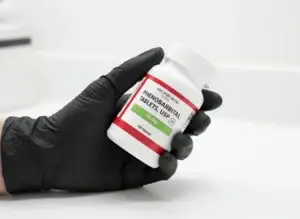
Gabapentin is a prescription medication for treating nerve pain and seizures. In alcohol or drug detox, it is sometimes used “off-label,” to make withdrawal symptoms easier to handle.

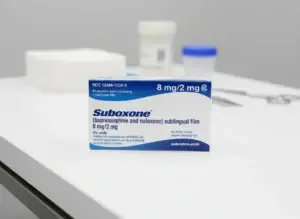
Gabapentin is an optional support medication. It is not a core part of alcohol or drug detox protocols and does not replace critical medications like Suboxone for opioid cravings or benzodiazepines for preventing alcohol seizures and DT risk.

Table of Contents

How Gabapentin Can Help During Detox

Withdrawal symptoms often make the nervous system feel stuck on high alert. Gabapentin helps calm that overactivity, to:

Reduce Alcohol Withdrawal Symptoms Like: Reduce Opioid Withdrawal Symptoms Like:
Anxiety and feeling on edge Anxiety and agitation
Trouble sleeping Trouble sleeping
Shakiness and restlessness Restless legs and body aches
Irritability Nerve-type pain or sensitivity
Reduce Stimulant Withdrawal Symptoms Like: Reduce Sedative / Benzo Withdrawal Symptoms Like:
Feeling “wired” or agitated Anxiety/panic
Trouble sleeping (or flipped sleep schedule) Trouble sleeping
Restlessness Tremor and restlessness
Irritability Irritability


How Gabapentin Works

Gabapentin helps turn down how intensely nerve cells fire and talk to each other.
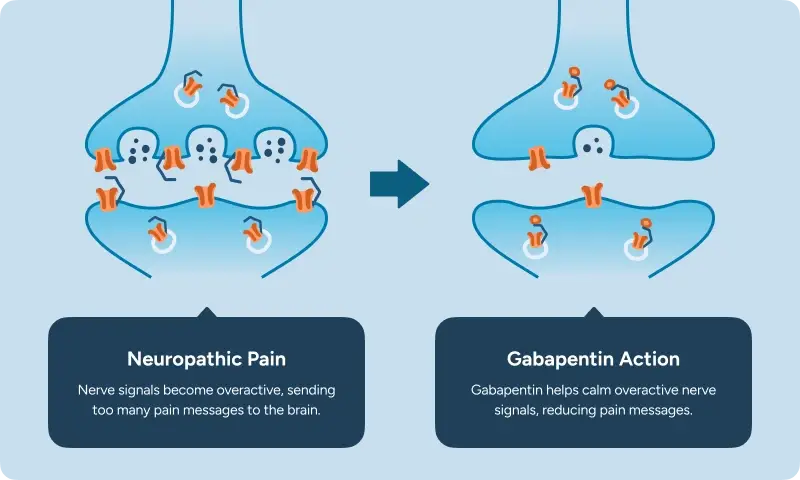
  • It binds to a protein on nerve cell calcium channels. (Calcium entering the nerve ending is a main signal telling the cell to release chemical messengers.)
  • With less calcium coming in, fewer “rev-up” signals get released.
  • That can lower fight-or-flight symptoms like anxiety and restlessness.


How Gabapentin calms nerve signals

Technical Clarification

Even though gabapentin was made to resemble GABA (the brain’s main calming chemical), it does not attach to GABA receptors. The FDA label states the exact way gabapentin works is not fully understood, though this calcium-channel binding is well documented.


When gabapentin is a good fit:

  • Mild–moderate symptoms
  • When sleep/anxiety/restless legs are a big issue
  • When the team wants a non-opioid support option

Using Gabapentin In Detox

In detox, gabapentin is usually started to take the edge off symptoms not to “knock you out.” The goal is to help you feel calmer and more comfortable while staying alert and safe.

Gabapentin may be started on Day 1, though sometimes it’s safer to wait until the patient is more alert and stable.

Our general protocol is to:

  1. Start low: The first dose is usually a lower dose to see how your body responds.
  2. Re-check how you feel: Staff will ask about sleep, anxiety, body aches, restless legs, nausea, and whether symptoms are still breaking through.
  3. Split dosing: If it helps, gabapentin is often given in more than one dose per day so symptoms don’t swing up and down.
  4. Adjust as needed: If you’re still uncomfortable, the dose may be increased in small steps over the first couple of days.
  5. Watch for side effects: The most common issues are sleepiness, dizziness, and feeling unsteady. If those show up, the team may slow down, lower the dose, or adjust timing.

Detox sometimes includes other meds that can also cause drowsiness (like sleep meds, certain anti-anxiety meds, or muscle relaxers). When medications “stack,” staff may space doses out or use lower amounts to keep breathing and alertness safe.


How Gabapentin Feels

Most patients describe gabapentin as taking the edge off. You may feel less “wired,” less restless, and more able to settle down and sleep. It should not make you feel euphoric or out of control.

The goal is comfort and stability so you can think clearly and get through detox safely.

What it should feel like What it should not feel like
Calmer thoughts and less panic “Nodding off” or being hard to wake up
Less restlessness or “crawling out of my skin” feeling Dizziness so strong you can’t walk steadily
Fewer body aches or nerve-type discomfort Confusion or feeling out of it
Easier time falling asleep
Will Gabapentin make me high?

For most patients gabapentin does not cause a “high.” If you feel unusually buzzed, confused, or too sleepy, tell the medical team right away. That usually means the dose is too strong or stacking with other medications.


Gabapentin Timeline

Gabapentin can start helping quickly, but the full benefit is easier to judge over the first few days. By day 2–3, it’s usually clear whether gabapentin is meaningfully helping or whether a different medication might work better.


How Quickly Gabapentin “Kicks In”

Most people either feel a mild change after the first dose and steadier relief over the next 1–3 days, or it becomes clear that gabapentin isn’t the right fit and the plan needs to be adjusted.

  • Within 30–90 minutes: Some people start to feel a small shift, like less edge, less “wired” feeling, or mild sleepiness. (Not everyone feels it this fast).
  • Around 2–3 hours: Gabapentin is usually at its strongest from that dose because blood levels peak around this time.
  • Over the next several hours: The effect can fade, which is why detox teams often split it into more than one dose per day when symptoms return later.
  • Night 1: The earliest noticeable benefit is often sleep (falling asleep easier, fewer wake-ups), if gabapentin is a good fit for you.
  • Day 2: Anxiety, restlessness, and body discomfort may feel more even, especially once dosing is adjusted.
  • By 48–72 hours: Most patients and clinicians can tell whether gabapentin is meaningfully helping.

Gabapentin doesn’t work the same for everyone. If the medication isn’t helping within the first couple of days, the medical team adjusts the dose or chooses a different medication option.

 

How Long Is Gabapentin in Your System?


Gabapentin Timeline


Reasons Gabapentin Doesn’t Always Work

  • It’s not targeting the main problem. If a patient’s biggest issue is severe opioid cravings or severe alcohol withdrawal risk, gabapentin won’t replace the core medications that treat those problems.
  • Dose and timing aren’t matched to symptoms yet. Some patients need split doses through the day, or a careful increase, before they notice benefit.
  • Withdrawal is peaking. In the first 24–48 hours, symptoms can rise faster than gabapentin can smooth them out, especially if the body is still clearing alcohol or opioids.
  • Side effects outweigh benefits. If it mainly causes dizziness or sleepiness without real symptom relief, the team may stop and switch strategies.
  • Different body chemistry. People respond differently. Some feel calmer and sleep better; others feel almost nothing.


Other common medications used in detox:

Cravings and core withdrawal relief

  • Buprenorphine
  • Suboxone
  • Benzodiazepines (class)
  • Chlordiazepoxide (Librium)
  • Diazepam (Valium)
  • Lorazepam (Ativan)
  • Phenobarbital

Anxiety, panic, agitation, and restlessness

  • Clonidine
  • Lofexidine
  • Hydroxyzine
  • Propranolol
  • Quetiapine (Seroquel)

Sleep support

  • Trazodone
  • Mirtazapine (Remeron)
  • Quetiapine (Seroquel)

Stomach Issues

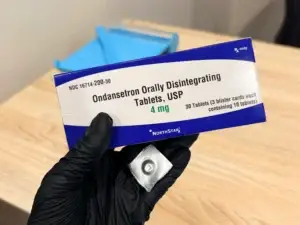
  • Ondansetron (Zofran)
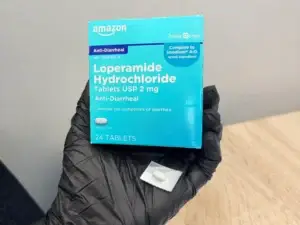
  • Loperamide

Body aches, headaches, fever, and general pain

  • NSAIDs or Acetaminophen

Seizure risk / neurologic stabilization

  • Valproic acid / Divalproex (Depakote)
  • Carbamazepine (Tegretol)
  • Clonazepam (Klonopin)

Nutrition support in alcohol detox

  • Thiamine (Vitamin B1)
  • Folic Acid

Energy, focus, and “crash” symptoms

  • Modafinil
  • Bupropion (Wellbutrin)


Continuing Gabapentin after Detox

Most patients do not stay on gabapentin after detox. It’s usually used short-term for comfort symptoms, then tapered down or stopped before discharge once sleep, anxiety, and body symptoms settle.

Combining gabapentin with alcohol, opioids, benzodiazepines, or sleep medications can increase heavy sedation and breathing risk. This becomes dangerous if relapse happens.


Medication Alternatives

There are FDA-approved medications for both alcohol and opioid cravings. Off-label options and mental health medications for co-occurring anxiety, depression, trauma, or sleep problems can also be game-changing for some patients.

Other anti-craving medication options

  • Buprenorphine
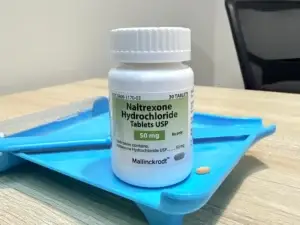
  • Naltrexone
  • Acamprosate (Campral)
  • Disulfiram (Antabuse)
  • Topiramate (Topamax)
  • Methadone (Dolophine, Methadose)

Gabapentin Safety Concerns

The biggest safety risk with gabapentin in detox is too much sedation, especially if it’s combined with other medications or substances that also slow the brain and breathing.

The FDA also requires clinicians to:

  • You’ve had a serious allergic reaction to buprenorphine or naloxone.
  • Severe liver failure (not just mildly elevated labs)


When Gabapentin Is Not Used During Detox

The benefit of using Gabapentin may not outweigh the risk if:

  • You’ve had a serious allergic reaction to gabapentin.
  • You have significant breathing problems (COPD, severe asthma, sleep apnea) or you’re already very sedated.
  • You have kidney problems (gabapentin is cleared through the kidneys).
  • Gabapentin is often avoided in pregnancy (though current data has not shown major birth defect risks, the research is too limited).
  • You’re 65+ or have a high fall-risk. (can cause dizziness and unsteady walking).

Don’t worry if gabapentin isn’t a good fit, the medical team can use other support medications to treat the same symptoms.


Gabapentin side effects

Most side effects are manageable, especially when dosing is adjusted carefully. Common side effects include:

  • Drowsiness or fatigue
  • Dizziness or lightheadedness
  • Unsteady walking / coordination problems
  • Swelling in legs/feet (less common)

In detox, it can be hard to tell what’s a side effect versus withdrawal. In a monitored setting, the medical team tracks when symptoms start (before or after a dose) and checks alertness, breathing, blood pressure, and fall risk, then adjusts the plan.


Is Gabapentin Addictive?

Gabapentin is not an opioid, and it does not work like drugs that cause an intense “high.”

That said, gabapentin can be misused by some people, especially those with a history of substance use. Misuse usually means taking more than prescribed or mixing it with other sedating drugs to feel more intoxicated.

It can also cause physical dependence if it’s taken regularly for a longer time.


Stopping Gabapentin Safely

If gabapentin is used short-term during detox, most patients can stop without issues.

For longer durations or at higher doses, stopping suddenly can cause rebound symptoms (like anxiety or insomnia) and the recommendation is to reduce gradually over at least 1 week.


Gabapentin Interactions

Gabapentin can be dangerous when combined with other substances that cause heavy sedation or slow breathing, including:

  • Alcohol
  • Opioids
  • Benzodiazepines
  • Sleep medications

This is why detox teams are careful about timing after substance use, spacing doses, and monitoring. It’s also why most patients do not continue gabapentin after discharge.


Getting Support Meds for Detox

For many people, the hardest part of detox is sleep loss, anxiety, and feeling physically miserable. That is where support medications like gabapentin can help, beyond the “main” detox medication.

In a medical detox, symptoms are treated, vitals are monitored, and the plan can be adjusted quickly to keep you comfortable. Plus, most insurance plans cover detox and the medications used.

Updated
December 23, 2025

Have Questions? Let’s Talk!

Let’s talk about what’s going on — no judgment. (We’ve been there before ourselves). No one will know you inquired and there is no commitment to call.

24/7 Support

Need someone to talk to? We’re always here—day or night.

No Commitment

Ask questions, get guidance—no pressure, no obligation.

100% Private

Your story stays with us. Confidential support, always.

{{insurance-name}} Insurance Covers Treatment Here (Up to 100%)

Checking your insurance is private and without commitment.

There’s no catch. Checking your insurance is simply a way to see what your plan covers — it doesn’t lock you into treatment, notify anyone, or cost you anything. You get answers upfront to decide what makes sense for you.

Protecting your privacy matters! No information or notifications are ever sent to your employer or family — whether you check your insurance online or call. Everything is handled through secure, encrypted systems that meet strict medical privacy laws. You stay in control of your information! 

Luckily, most insurance policies cover treatment here. Depending on the healthcare you’ve already had this year, costs could even be zero. Instead of worrying, let’s just find out what your plan covers. 

Most likely. We work with major providers like Cigna, Aetna, and United Healthcare, public insurances like Tricare and tribal plans, and even smaller plans like Surest Bind and Harvard Pilgrim. The quickest way to know for sure is to check online or call. It’s a quick, private way to understand what is covered upfront.

Verifying your insurance isn’t a commitment to start treatment — it’s simply a way to see what your options are. Knowing your coverage ahead of time helps you make more informed, confident decisions. It also helps flag a spot, so you’re able to get right in if you ever do decide you’re ready.  

You need your policy number to check your specific policy online. If you want general information, just call.  You likely have questions beyond insurance anyway. Reaching out now helps you figure out the right fit if or when you’re ready. You don’t have to put off the call until you’re in crisis. Calling is not scary, I promise!

Call Now to Talk Through It