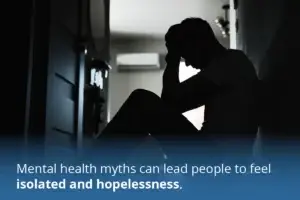
Anxiety and depression dominate statistics of mental illness in the US. Each year, 40 million adults describe experiencing anxiety alone. Despite effective, available treatment and steadily growing numbers, less than 37 percent of all cases seek and receive professional help.
Anxiety makes life difficult. However, many treatment options exist for relief. A popular medication, Zoloft treats anxiety, depression, and several other conditions. Discover its use and effectiveness in treating anxiety symptoms below.
Key Takeaways
Zoloft (sertraline) is an FDA-approved SSRI used to treat anxiety, depression, OCD, PTSD, and other mental health disorders. Here is what you need to know:
- How Zoloft works: Zoloft increases serotonin levels in the brain, improving mood, sleep, and emotional balance. It may take 1 to 6 weeks to feel the full effects.
- Taking Zoloft safely: Always follow your doctor’s prescription. Avoid stopping the medication abruptly and report any unusual side effects, especially severe mood changes.
- Effectiveness and expectations: Zoloft helps many, but results vary. Some may need more time or dosage adjustments. It works best when paired with professional support and therapy.
While medications like Zoloft can help manage anxiety symptoms, combining medication with therapy provides the most effective treatment approach for long-term recovery. Our anxiety treatment programs integrate psychiatric medication management with cognitive behavioral therapy and evidence-based therapies to address both the biological and psychological aspects of anxiety. For those struggling with anxiety and substance use, we offer integrated dual diagnosis treatment that safely manages medication interactions while treating both conditions. Treatment is available at our facilities in Arizona, Arkansas, Florida, Massachusetts, New Jersey, and Puerto Rico. Verify your insurance coverage for anxiety treatment and medication management or view our insurance information to understand your mental health benefits. Schedule a consultation with our psychiatric team to discuss anxiety treatment options, including medication and therapy.
Zoloft Prescription and Dosage
Zoloft (and its generic, sertraline) received approval from the FDA in 1999 as a selective serotonin reuptake inhibitor (SSRI) antidepressant. As an SSRI-class drug, it works by increasing serotonin and filling a need for more natural, “feel-good” brain chemistry.
Sertraline and Zoloft require a doctor’s prescription. Usually, oral sertraline dosage ranges from 25 to 100 mg daily according to your condition, symptoms, severity, and health. Like other prescriptions, patients must adhere to the schedule and dosage advised by their doctor.
How Does Zoloft Affect Anxiety?
You can reduce depression and anxiety with medications like Zoloft and talk therapy. Both have a high success rate considering how these conditions create isolation, increase self-harm, and sink quality of life. It’s vital to contact a medical professional if you experience symptoms and an emergency room if you have suicidal thoughts.
Zoloft needs time to take effect, and patients shouldn’t stop their medication if symptoms do not show improvement immediately. Most patients notice differences in their anxiety after two to six weeks; others see symptom reduction after the first week.
Stick to the medication course prescribed, and you’ll discover Zoloft’s help relatively quickly compared to other treatments and medications.
Is Zoloft Effective?
Zoloft treats many conditions, but its effectiveness varies from person to person. Therapeutic effects may take longer based on age, weight, body fluid, medical conditions, and kidney or liver function. Other medications also impact Zoloft’s ability to control and increase serotonin levels with fewer side effects. Consult your doctor to manage expectations.
According to the National Alliance on Mental Illness (NAMI), most discover that Zoloft improves sleep, energy, and appetite before other symptoms after one week. In most cases, feeling less down and regaining interest in life manifests in six to eight weeks. Many notice differences in social anxiety over time; some cut anxiety completely. Treating conditions like posttraumatic stress disorder (PTSD) and obsessive-compulsive disorder (OCD)—Zoloft can require 12 weeks.
In short, Zoloft takes four to six weeks of regular dosage to reach full therapeutic effect for depression (with anxiety reduction appearing after the first week). Patient responses vary on every medication; some need more (or less) time to treat their anxiety according to their health and unique symptoms.
How Can I Tell If Zoloft Is Working?
After the first week of Zoloft, you should notice improvements in your energy, sleep, and appetite. Mostly, you’ll see full effects after at least four weeks—though other anxiety-provoking conditions may take longer. For example, anxiety can be a symptom of depression which shows other troubling signs:
- Chronic “low” moods with hopelessness lasting over two weeks
- Feelings of worthlessness, helplessness, guilt, and self-hatred
- Isolation and withdrawal from social or pleasurable activities
- Mental “fog,” fatigue, and lack of energy or concentration
- Changes in appetite alongside weight gain and loss
- Insomnia, sleep disturbances, and over-sleeping
- Suicidal or homicidal thoughts or actions
- Restlessness, irritability, and moodiness
- Difficulty making decisions
Like anxiety, other symptoms of depression exist, and they may take several weeks, months, or years to remit.






 100% Confidential