Medical Director
Get Help Today 24/7
Get Help Today 24/7
Core Therapy
CBT teaches practical skills for recognizing and interrupting unhelpful thinking. Someone working through social anxiety might learn to replace “Everyone is judging me” with “I can’t know what others are thinking, and I’ve handled similar situations before.”
By breaking experiences into thoughts, feelings, and actions, CBT makes it easier to see where small changes can have a big impact.
![]() |
Practical skills for daily life CBT gives tools that can be used right away and help in all kinds of situations ranging from workplace stress to relapse prevention. |
![]() |
Measurable progressBecause CBT is focused on specific goals, progress can be tracked and adjusted. This makes it easier to see changes over time, such as fewer panic attacks, improved mood, or reduced cravings. |
![]() |
Lasting changeCBT doesn’t just manage symptoms — it changes the way situations are understood and responded to. By practicing these new patterns until they become second nature, benefiting you long after therapy sessions have ended. |
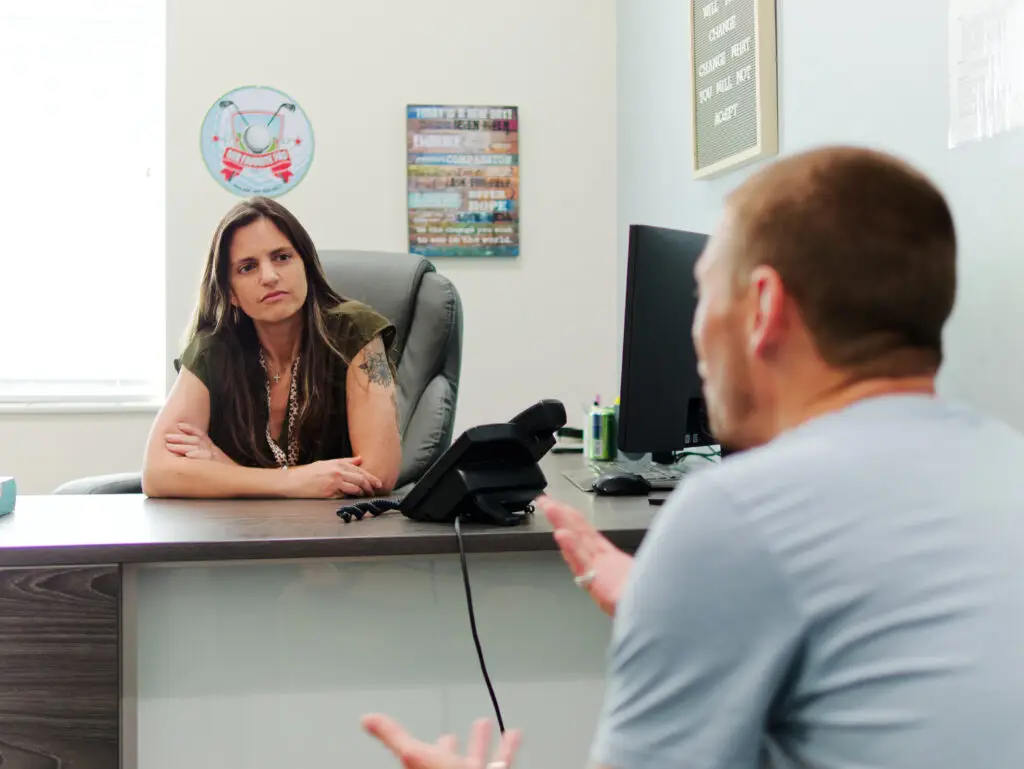
| 1 | Identify the problemStarts by pinpointing the thoughts, feelings, and behaviors that are causing distress or keeping you stuck. |
| 2 | Recognize unhelpful patternsTeaches you to spot the negative or distorted thinking that fuels difficult emotions and unhealthy actions. |
| 3 | Challenge and reframe thoughtsTests whether those thoughts are accurate, then replace them with more balanced and constructive perspectives. |
| 4 | Practice new skillsApplies coping strategies, problem-solving techniques, and healthier behaviors in real-life situations. |
| 5 | Track progress and adjustReview what’s working, address challenges, and refine strategies until the new patterns become second nature. |
CBT is a well-researched therapy option for many different mental health and substance use challenges. While the list below highlights the most common diagnoses, every person’s situation is unique, and CBT can be adapted to meet those specific needs.
|
Helps identify the thoughts and situations that trigger drinking and replaces them with healthier coping skills to prevent relapse. |
Addresses cravings and high-risk thinking patterns, teaching practical strategies to manage stress and avoid triggers without using. |
|
Targets the negative thinking cycles that keep depression going and replaces them with more balanced, realistic perspectives to improve mood. |
Breaks the connection between anxious thoughts and physical symptoms by challenging fears and practicing calming techniques. |
|
Guides processing of traumatic memories in a safe, structured way while reducing the fear, guilt, or avoidance that can come with them. |
Supports mood stability by recognizing early signs of mood changes, improving decision-making, and building healthier routines. |
|
Improves sleep by using CBT for insomnia to change negative thought patterns and build healthier bedtime routines. |

CBT works best when practiced in a space that feels safe, calm, and focused. Every part of the environment here — from quiet therapy rooms to open, welcoming common areas — is designed to support the deep reflection, skill practice, and personal breakthroughs that make this therapy so effective.
Accessible Everywhere
Find a facility near you or get away on a wellness retreat for intensive Cognitive Behavioral Therapy (CBT). CBT is one of more than 20 different therapy options here. Our programs include specialized cognitive behavioral interventions at all facilities, including West Memphis, Arkansas and Green Valley, Arizona.
Space Available
Insurance Accepted
CBT Therapy Offered
Space Available
Insurance Accepted
CBT Therapy Offered
Space Available
Insurance Accepted
CBT Therapy Offered
Space Available
Insurance Accepted
CBT Therapy Offered
Space Available
Insurance Accepted
CBT Therapy Offered
Space Available
Insurance Accepted
CBT Therapy Offered
Space Available
Insurance Accepted
CBT Therapy Offered
Space Available
Insurance Accepted
CBT Therapy Offered
Medical Director
Clinical Director

Chief Medical Director
Real people who find healing through Cognitive Behavioral Therapy (CBT) at The Haven Detox Group.
Blake M.
If you’re looking for a safe, secure, and loving way to get sober and start a new chapter of life in your recovery. This place has some of the most amazing staff, that without them, this life-changing experience would not have been possible.
Sabrina L.
This is hands down the best detox in South Florida, if not all of Florida. The facility is clean and the staff is so amazing. They really care about their clients and they go above and beyond for you. I would highly recommend it to anyone.
Arthur R.
Most wonderful place I have been to in all of Florida. Great staff, clean rooms, smart TVs, lost of walk around room, attentive personnel, good beds and fantastic food! Highly recommended!!
Affordable Care
Insurance & cost information for cognitive behavioral therapy (CBT)
Most insurance plans cover CBT, especially when part of a mental health or substance use treatment plan. A free online verification can confirm your specific policy — without anyone knowing you inquired.
Frequently asked questions about cognitive behavioral therapy (CBT)
CBT focuses on how your current thoughts affect your feelings and behaviors right now — not just exploring your past. For example, instead of focusing only on why drinking became your way to cope, CBT helps you spot the thought (“I can’t handle stress without alcohol”), test it against reality, and replace it with a more balanced one (“I’ve handled stress before without drinking, and I am doing well using my breathing techniques now”). It’s active, practical, and skill-based, so you leave sessions with tools you can start using immediately.
Many people start noticing changes within 4–6 sessions, especially if the skills are practiced outside of therapy. More complex issues or co-occurring conditions require more sessions, but progress can usually be tracked week by week.
Yes — CBT often works best alongside medication, especially for depression, anxiety, bipolar disorder, or severe mood symptoms. For example, someone starting an antidepressant might use CBT to manage negative thinking while the medication helps regulate mood, creating faster and more lasting improvement than either approach alone.
Sessions are structured and focused. A therapist will often check in on your mood, review what’s happened since the last meeting, and work on specific situations you’ve faced. You might practice challenging a stressful thought, role-play a difficult conversation, or make a plan for handling an upcoming trigger — like a family gathering where drugs will be present.
CBT is one of the most researched therapies globally and is often considered a “gold standard” for anxiety, depression, PTSD, and substance use disorders.
Some highlights:
Yes, especially if previous therapy was more open-ended or insight-based. Someone who’s only had unstructured “talk therapy” might find CBT’s clear steps, homework, and skill practice feel more purposeful and easier to apply in daily life.
CBT is a good fit if your symptoms are fueled by negative thinking, avoidance, or unhelpful coping behaviors. It can help with everything from managing workplace stress to reducing relapse risk after detox.
Yes, CBT can address multiple conditions at the same time. For example, it might help you spot how hopeless thinking (“I’ll never get better”) drives both drinking and depression, and teach ways to challenge that thought so it loses its power over both issues.
Yes — CBT focuses on your current challenges and the thoughts, feelings, and behaviors happening today. You can still make significant progress without sharing detailed personal history. For example, you might work on panic attacks or cravings by examining what’s happening now and how to respond differently.
24/7 Support
Need someone to talk to? We’re always here—day or night.
No Commitment
Ask questions, get guidance—no pressure, no obligation.
100% Private
Your story stays with us. Confidential support, always.
Why Wait?
Get Answers Now
You’re here because you know you need help. Let’s talk through it together. There’s no commitment and it’s 100% confidential even to check your insurance.
100% Confidential