AmeriHealth Plan Types
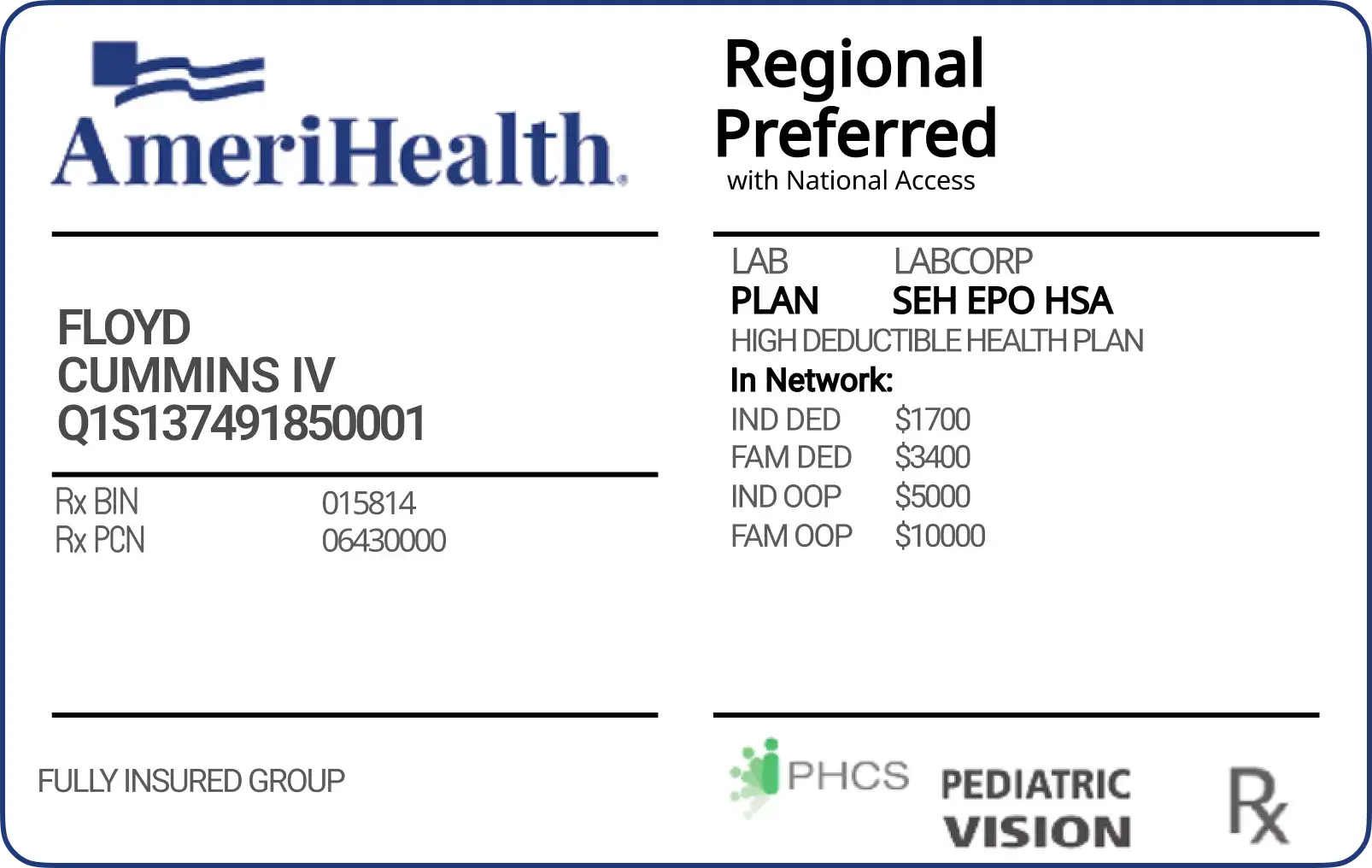
If you already have AmeriHealth, your plan type can affect how quickly treatment can begin and whether a referral is needed. Many people know they have AmeriHealth but are unsure what their specific plan means when they are trying to get help.
The most common AmeriHealth plans fall into four categories: PPO, HMO, EPO, and POS.
AmeriHealth primarily serves
New Jersey, Delaware, and Southeastern Pennsylvania, with expanded access through the PHCS national network. Plans are available through employers, the Health Insurance Marketplace, Medicare Advantage, and Medicaid options in select states.
You do not need to know your plan type before calling. During a confidential benefits verification, admissions staff can identify your plan, explain coverage clearly, and help coordinate any referrals, pre-authorizations, or approvals that may be required before treatment begins.
Why Choose The Haven Detox Group for AmeriHealth Members
When mental health symptoms or substance use escalate, delays in care can increase risk and stress. Choosing a treatment provider that already works with your insurance and can move quickly helps remove unnecessary obstacles.
The Haven Detox Group accepts AmeriHealth insurance, allowing treatment to move forward without added coverage confusion. Benefits are verified promptly, and admissions teams help coordinate referrals and pre-authorizations when required.
Why AmeriHealth Members Choose The Haven Detox Group
- Patients seeking care at The Haven Detox Group can use AmeriHealth insurance at participating locations, so care can begin without insurance guesswork
- Evidence-based treatment backed by clinical excellence, including medically supervised detox and psychiatric care
- Fast admission, often within 24 hours of benefits verification
- Joint Commission Accredited facilities, meeting nationally recognized safety and quality standards
- Experienced clinical teams specializing in complex cases, including dual diagnosis and trauma-related conditions
- Individualized treatment planning, built around your symptoms, history, and level of care needs
Advanced Treatment for Complex Mental Health & Addiction
Mental health conditions and substance use often reinforce each other. Depression, anxiety, PTSD, bipolar disorder, or unresolved trauma can make substance use harder to stop, while substance use can worsen mental health symptoms. When both are present, treatment works best when both are addressed at the same time.
The Haven Detox Group offers advanced, evidence-based therapies that many treatment centers do not provide. These options are used when symptoms are severe, long-standing, or have not improved with standard approaches alone.
Advanced Therapies Available
- Ketamine Therapy
Used in a medical setting for treatment-resistant depression, PTSD, and severe anxiety. Ketamine works differently from traditional antidepressants and may help when other medications have not been effective.
Learn more about Ketamine Therapy
- Transcranial Magnetic Stimulation (TMS)
An FDA-cleared, non-invasive treatment for major depressive disorder. TMS uses targeted magnetic pulses to stimulate areas of the brain involved in mood regulation and does not require sedation or medication changes.
Learn more about TMS
- EMDR (Eye Movement Desensitization and Reprocessing)
An evidence-based therapy that helps process traumatic memories and reduce their emotional impact. EMDR is commonly used for PTSD, trauma, and anxiety disorders.
Learn more about EMDR
- GeneSight® Genetic Testing
A clinically validated genetic test that helps guide psychiatric medication selection. GeneSight can reduce trial-and-error prescribing by showing how your body may metabolize certain medications.
Learn more about GeneSight Testing
- Dialectical Behavior Therapy (DBT)
A structured therapy focused on emotion regulation, distress tolerance, and practical coping skills. DBT is often helpful for people who experience intense emotions, impulsivity, or chronic stress.
Learn more about DBT
- Comprehensive Dual Diagnosis Treatment
Integrated care that treats mental health conditions and substance use together. Addressing both at the same time reduces relapse risk and supports more stable long-term outcomes.
Learn more about Dual Diagnosis Treatment
Treatment recommendations are based on clinical assessment, medical history, and current symptoms. Not every therapy is appropriate for every person. Care plans are adjusted as needs change, with the goal of stabilizing symptoms, helping ease overwhelming symptoms, and improving day-to-day functioning.
Treatment Programs Available
Mental health and addiction treatment work best when care can adjust as symptoms change. That’s why treatment is offered across multiple levels, allowing support to increase or step down based on safety, stability, and progress.
Treatment programs available at Haven Detox Group locations may include:
- Medical detox, with 24/7 medical and nursing supervision to help manage withdrawal symptoms safely and more comfortably
- Psychiatric stabilization, providing evaluation, medication management, and monitoring for acute mental health symptoms such as severe depression, anxiety, mood instability, or psychosis
- Residential inpatient treatment, offering structured, round-the-clock care in a supportive setting for people who need a higher level of supervision
- Partial Hospitalization Programs (PHP), which provide intensive therapy and clinical support during the day while allowing patients to return to housing in the evening
- Intensive Outpatient Programs (IOP), designed for ongoing treatment with more flexibility for work, school, or family responsibilities
Each level of care focuses on safety first, then on building coping skills, emotional stability, and practical tools that can be used outside of treatment. Movement between programs is based on clinical need, not timelines or insurance pressure.
Treatment planning is individualized and coordinated across levels of care, helping create a smoother transition rather than abrupt changes. This approach supports continuity, reduces disruption, and helps people feel more prepared at each step.


 100% Confidential