10 Years of Changing Lives

Core Therapy

Dialectical behavior therapy (DBT)

Dialectical behavior therapy, or DBT, teaches practical skills you can use in real life—especially when emotions run high. It blends two key ideas: accepting where you are right now and learning new ways to respond that actually work in daily life. Unlike many talk therapies, DBT is highly structured, skills-focused, and designed to give you tools you can use between sessions so progress continues outside the therapy room.

World Health Organization at The Haven Detox Group
American Society of Addiction Medicine circular logo with medical caduceus, founded 1954 text, and ASAM acronym.
Substance Abuse and Mental Health Services Administration at The Haven Detox Group

All major health organizations recommend DBT

Understanding the Approach

Understanding dialectical behavior therapy (DBT)


DBT is a skills-based therapy for people who feel emotions quickly and strongly. Sessions usually include one-on-one time, a small skills group, and brief coaching between sessions so you can use what you’ve learned when it matters most—like during a hard conversation, a craving after work, or a late-night spiral. Over time, four core skill areas—mindfulness, emotion regulation, distress tolerance, and interpersonal effectiveness—become a toolkit you can use at home, at work, and with the people you care about.


Benefits of DBT


Trauma Therapy Stress and Anxiety at The Haven Detox Group
Find calm when emotions spike
When feelings rise fast, DBT gives you a simple plan: notice what’s happening, steady your breath, and pause before reacting. Most people find the moment feels less overwhelming once they know the steps.

Trauma Therapy Progress at The Haven Detox Group
Skills you can use right awayDBT is practical. You might use a cold-water reset before a tough call, grounding when a text sets off worry, or a short script to ask for what you need without conflict. These tools are made for everyday life.

Trauma Therapy Long Term at The Haven Detox Group
Confidence that builds over timeProgress comes in small, steady steps. You’ll track wins on a simple diary card, adjust what isn’t working, and build on what does. Each success makes it easier to trust yourself in the next hard moment. Over time, those small victories add up, showing you that change is possible and that you can handle challenges without losing control. The more you practice, the more resilient and confident you become in facing life’s ups and downs.
The Haven Detox Living Space
The Haven Detox Counseling Session
The Haven Detox Educational Therapy Session
The Haven Detox Group Therapy Session
The Process

How dialectical behavior therapy (DBT) works


DBT keeps things simple: learn a skill, try it in real life, see what helped, and adjust. The goal is to give you tools you can use the same day, not months from now.

1 Set your goalsYou and your therapist start by choosing a few clear goals in your own words—things like having fewer arguments at home, handling cravings after work, or getting through the evening without a spiral. Defining what matters most helps keep every session focused.
2 Create a safety planTogether, you’ll put together a short plan you can lean on when emotions feel overwhelming. It usually includes your early warning signs, three quick coping steps, and a list of people or supports you can reach out to. Most people keep it saved on their phone so it’s easy to find in the moment.
3 Learn one skill at a timeEach session introduces a simple, specific tool. You might practice mindfulness to slow racing thoughts, paced breathing to calm your body, or a short script to ask for what you need without conflict. Role-plays and examples help the skill feel natural before you try it in real life.
4 Practice between sessionsDBT is about using skills when they matter most. You’ll pick real-life moments to practice—like pausing before replying to a heated text, riding out a craving, or setting a boundary in conversation. You jot down what you tried and how it went, so you can build on it later.
5 Track and review progressTo keep progress visible, DBT uses a simple daily tracker (sometimes called a diary card). You note urges, emotions, and which skills you used. In your next session, you and your therapist look over the patterns together, troubleshoot what got in the way, and plan the next step.
6 Stay connected with supportSome DBT programs also include brief coaching between sessions. That means if you get stuck, you can reach out and get a quick nudge in the moment instead of waiting until the next appointment.
What We Treat

DBT for real life: what DBT can support


DBT is effective for a wide range of challenges when emotions and stress feel overwhelming.

The Haven Detox Group Bullet LogoSubstance use and relapse triggers

DBT can be adapted for addiction by teaching “dialectical abstinence,” craving management, and repair after slips. Skills help you handle urges and rebuild routines that keep recovery on track.

The Haven Detox Group Bullet LogoEating and body-image concerns

DBT helps interrupt impulsive patterns around food and body image by pairing acceptance with change and teaching skills for urges and emotions.

The Haven Detox Group Bullet LogoDepression and low motivation

Behavioral activation and problem-solving within DBT help you take small, doable steps when energy is low, which often lifts mood over time.

The Haven Detox Group Bullet LogoAnxiety and panic

DBT for anxiety teaches mindfulness and emotion-regulation skills that reduce spirals of worry and physical symptoms by training your attention and calming your nervous system.

The Haven Detox Group Bullet LogoPTSD and trauma-related stress

Distress-tolerance skills provide safer ways to get through flashbacks or surges of emotion, while interpersonal skills support boundaries and trust building.

The Haven Detox Group Bullet LogoBorderline personality disorder and self-harm

DBT was created for this struggle and has strong research support for reducing self-harm, suicidal behavior, and hospitalizations. Skills focus on surviving crises safely and building a life that feels worth living.

Care that wraps around you

 
DBT can be part of your full treatment plan at The Haven Detox Group, alongside medical detox, residential care, outpatient therapy, medication support, family education, and alumni resources. Your therapist coordinates DBT skills with the rest of your care so everything works together toward your goals.

Improve emotional wellbeing
Learn self-regulation skills
Environment designed for healing

Accessible Everywhere

Locations offering DBT

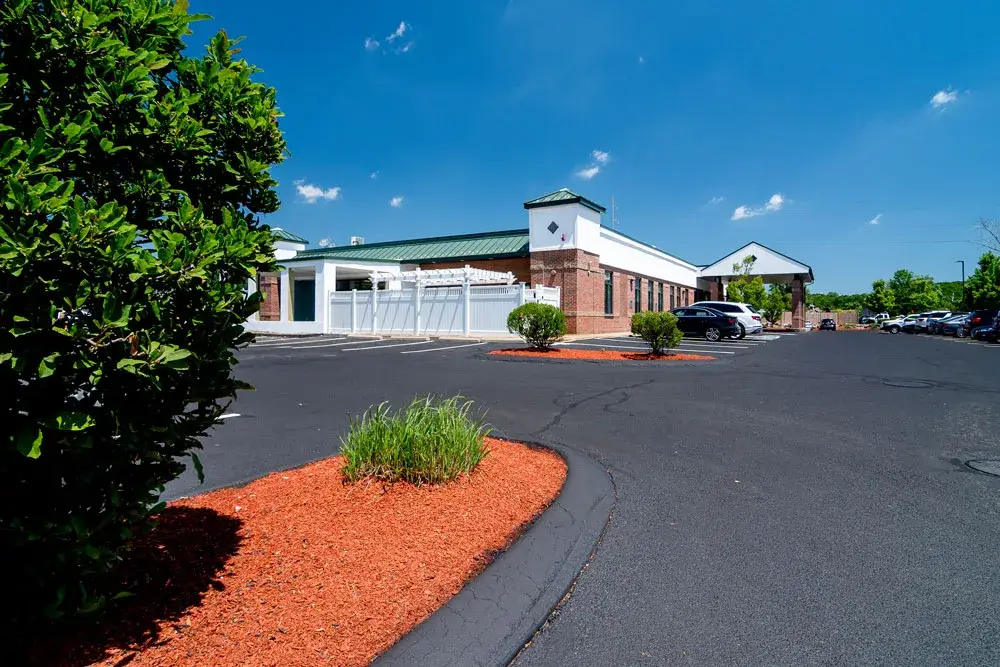
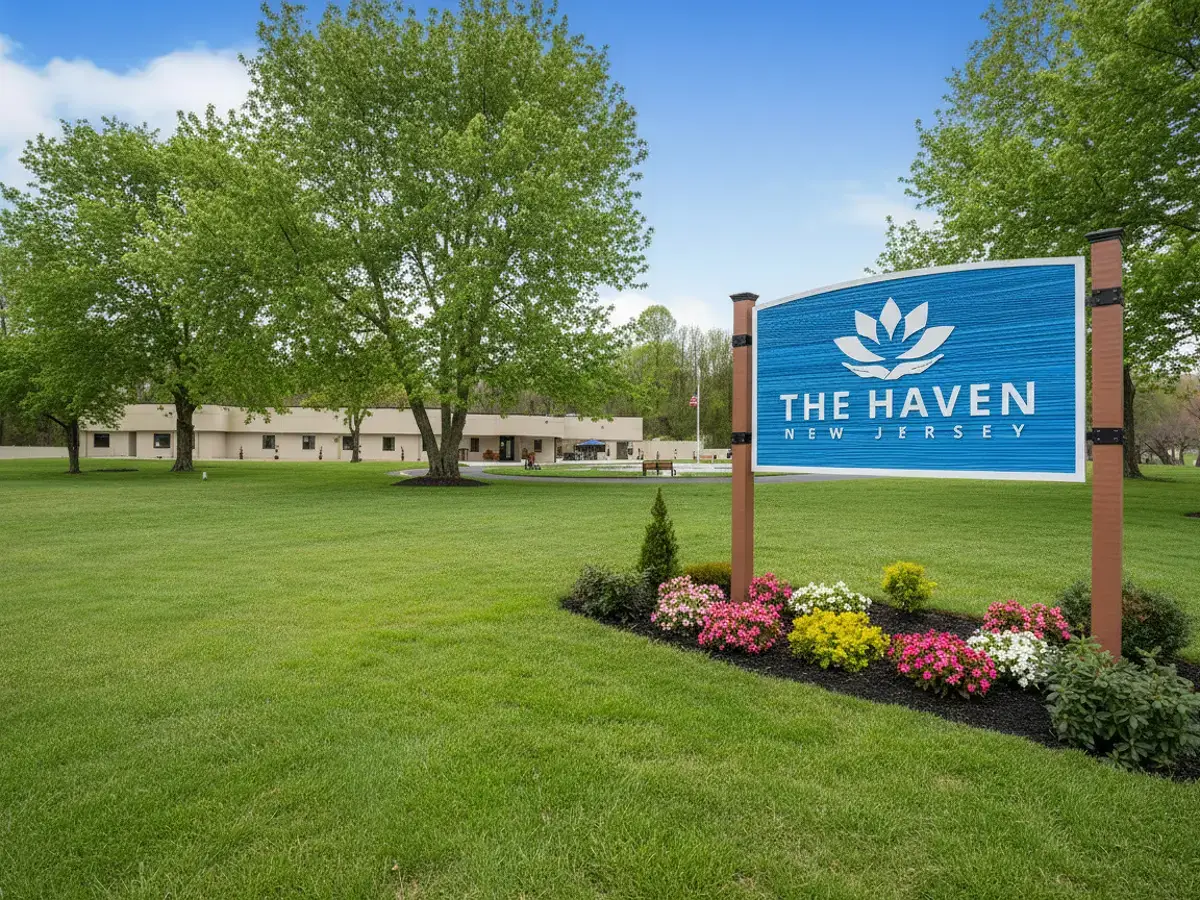
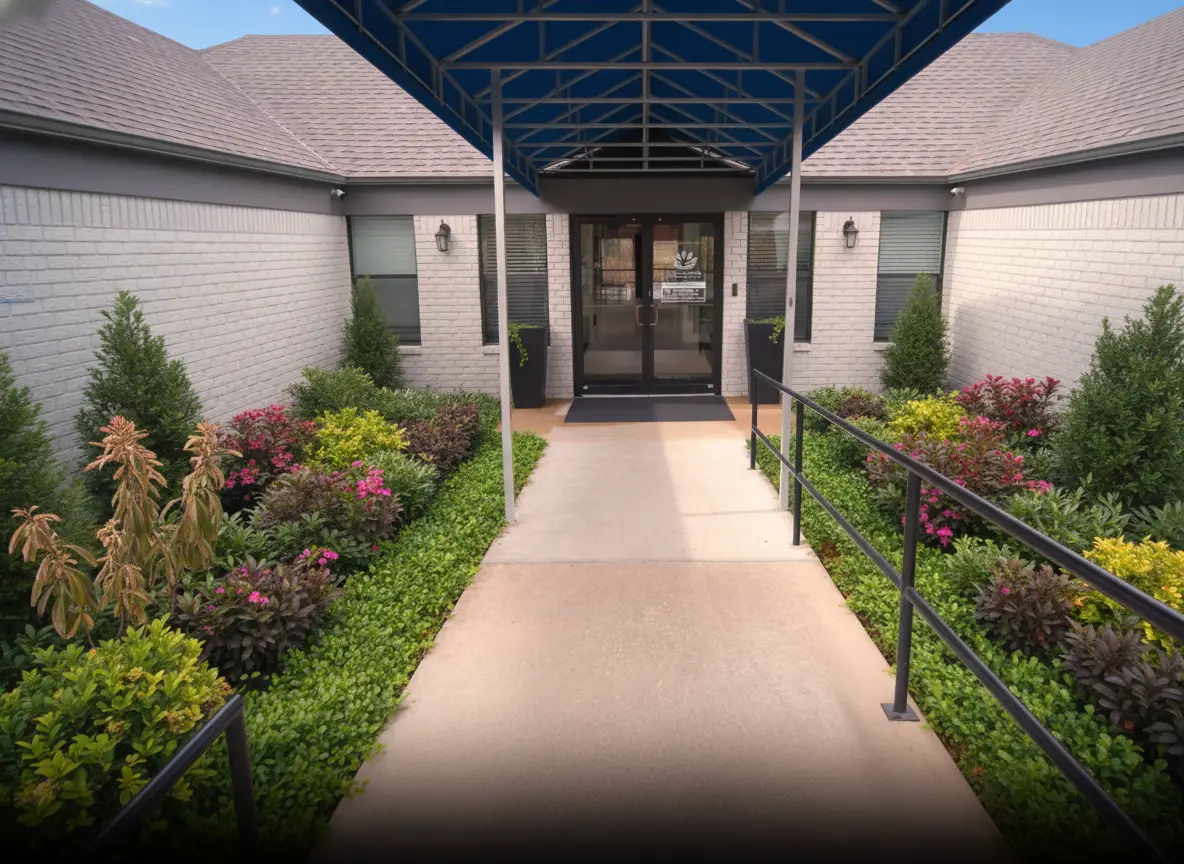
Choose a setting that feels calm, private, and supportive. Spaces are designed to help you focus on healing, whether you’re beginning care or continuing after detox or residential treatment.

Space Available

Insurance Accepted

DBT Offered

Space Available

Insurance Accepted

DBT Offered

Space Available

Insurance Accepted

DBT Offered

Space Available

Insurance Accepted

DBT Offered

Space Available

Insurance Accepted

DBT Offered

Space Available

Insurance Accepted

DBT Offered

Space Available

Insurance Accepted

DBT Offered

Space Available

Insurance Accepted

DBT Offered

TRUSTED CARE TEAM

Experts in dialectical behavior therapy (DBT)

DBT at The Haven Detox Group is led by licensed therapists with advanced training in DBT principles. They understand how intense emotions, substance use, and mental health challenges often overlap. That experience means your DBT skills don’t stand alone—they’re woven into your larger care plan, so every step supports your progress.

DBT success stories

Google Review

Kristy

I didn’t realize addiction treatment centers like this one existed. The groups are incredible and made me feel like it was made specifically for me. I would recommend this place to everyone who needs help with addiction or even just mentally.

Google Review

Gina S.

Every staff member is extremely on top of everything and empathetic! My therapist was extremely helpful and loving, this facility will help you in many facets. I would recommend it to anyone who is serious about sobriety!

Google Review

Jenna K.

The Haven will always hold a special place in my heart. The staff is incredible from therapists to nursing. I have always walked in feeling safe and welcomed and left feeling heard and cared for in every way. This place is an amazing stepping stone for a recovery journey.

Affordable Care

Insurance coverage & accessibility for DBT

Many insurance plans cover DBT when it’s provided by qualified clinicians as part of a treatment plan. A quick, confidential benefits check can confirm your coverage and any costs before you start, so there are no surprises.

AmeriHealth
Multi Plan Insurance Logo
United Health Care Insurance logo
Blue Cross Blue Shield logo
Tricare logo
Beacon health logo

FAQs about DBT

What exactly is DBT?

DBT is a type of cognitive-behavioral therapy that blends acceptance skills, like mindfulness, with change skills, like problem-solving and behavior coaching. It’s structured, collaborative, and focused on real-life practice.

How is DBT different from CBT?

CBT often centers on changing thoughts and behaviors. DBT includes that work and adds skills for radical acceptance, emotion regulation, and crisis survival, which can be especially helpful when feelings are intense or relationships are strained.

Does DBT work?

Yes. Large reviews and randomized trials show DBT can reduce self-harm and suicidal behaviors and improve functioning for people with borderline personality disorder, with growing evidence for other conditions as well. If you’re curious whether DBT fits your situation, a short consult can help you decide.

Can DBT help with addiction or cravings?

DBT has an adapted version for substance use that teaches strategies like “dialectical abstinence,” managing triggers, and repairing after slips, which can support recovery alongside medical and peer support.

What happens in a typical DBT week?

Many programs include one individual therapy session, one group skills session, and brief coaching to help you use skills between sessions. You’ll likely track progress with a simple diary card.

How long does DBT take?

Comprehensive DBT often runs for about a year, though timelines vary. Some people start with a shorter skills-focused track and continue as needed.

Will I have homework?

There’s light practice between sessions—like trying a breathing technique during a stressful moment or using a worksheet to ask for what you need. This practice is where many people see the biggest gains.

Is DBT only for people in crisis?

Not at all. DBT is helpful any time emotions feel hard to manage or old patterns keep showing up. Many people use it to prevent crises and build a more stable, meaningful life.

Is DBT available in detox or residential settings?

Yes. DBT skills can be integrated during detox and residential care and continued after discharge, creating consistency as you transition to the next level of support.

Have Questions? Let’s Talk!

Let’s talk about what’s going on — no judgement. (We’ve been there before ourselves.) No one will know you inquired, and there is no commitment to call.

24/7 Support

Need someone to talk to? We’re always here—day or night.

No Commitment

Ask questions, get guidance—no pressure, no obligation.

100% Private

Your story stays with us. Confidential support, always.

Haven Detox doctor providing compassionate medical detox care.

Why Wait?
Get Answers Now

You’re here because you know you need help. Let’s talk through it together. There’s no commitment and it’s 100% confidential even to check your insurance.

100% Confidential