Get Help Today 24/7
Blue Cross Blue Shield Insurance Coverage for Detox, Addiction & Mental Health Treatment
Blue Cross Blue Shield (BCBS) is one of the most trusted names in health insurance—covering nearly one in three Americans.
What many people don’t realize is that BCBS isn’t one national company. It’s a network of more than 30 locally operated insurers, each licensed through the Blue Cross Blue Shield Association.
That means your benefits, preauthorization process, and provider network are managed by your local BCBS company, such as Anthem, Horizon, Regence, Highmark, or Florida Blue. The name on your card shows which plan you belong to, but all BCBS members share access to one of the largest healthcare networks in the country.
BCBS plans typically cover mental health and addiction services including:
Because coverage can differ by state, verifying your benefits before starting treatment is the best way to understand what your plan includes.
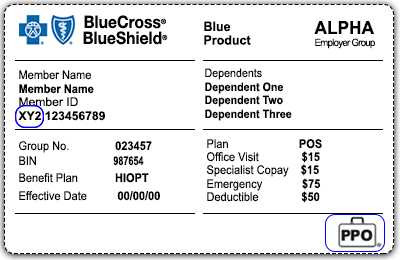
If you’re unsure which BCBS company manages your policy, check the three-letter prefix at the start of your member ID. That code connects you to the right plan and helps our admissions counselors confirm your behavioral health benefits in minutes.

| Example Prefix | Common Plan Name | Region / State |
| YRX | Anthem Blue Cross and Blue Shield | Indiana |
| WGA | Florida Blue | Florida |
| XKC | Horizon Blue Cross Blue Shield | New Jersey |
| XMH | Blue Cross and Blue Shield of Illinois | Illinois |
| XYA | Blue Cross Blue Shield of Arizona | Arizona |
| XAR | Arkansas Blue Cross and Blue Shield | Arkansas |
| YPR | Triple-S Salud (BCBS of Puerto Rico) | Puerto Rico |
These are example prefixes used by different BCBS companies. The three-letter code on your own ID card identifies your home plan. Our admissions counselors can verify the prefix and confirm your coverage directly with Blue Cross Blue Shield.
1
“Inpatient detoxification,” “medically supervised withdrawal management,” or “acute withdrawal management.”
These services are often defined by the ASAM Criteria as Levels 3.7-WM (medically monitored inpatient detox) or 4-WM (medically managed inpatient detox).ⓘ
Detox programs provide 24-hour medical supervision, nursing care, medication to manage withdrawal symptoms, and constant monitoring of vital signs. Patients may also receive intravenous fluids, nutrition support, and comfort medications to ease symptoms.
The purpose of detox is to help you withdraw safely from alcohol, opioids, or other substances and prepare for the next phase of treatment—such as residential rehab or partial hospitalization.
Blue Cross Blue Shield approves inpatient detox when there’s a clear medical or psychiatric risk if withdrawal occurs without supervision.
Reviewers use national clinical tools such as the ASAM Criteria to measure risk across six areas:
Detox stays are approved for short, closely reviewed periods—often three to seven days.
A Blue Cross Blue Shield case manager or behavioral health partner reviews your progress daily or every few days to determine when medical stability has been reached. If symptoms remain severe, extensions are granted after continued-stay reviews.
Because each Blue plan is managed locally, approval rules can differ slightly by state.
Our admissions team checks your plan’s requirements before admission, confirms whether preauthorization or notification is needed, and completes the clinical paperwork using the ASAM or InterQual language the plan recognizes. This ensures your detox stay is reviewed quickly and approved under the correct criteria.
2
“Inpatient psychiatric hospitalization,” “acute inpatient mental health,” or “crisis stabilization.”
These services are sometimes called “acute care” and are typically delivered in a hospital or licensed inpatient psychiatric unit.
Inpatient psychiatric care includes 24-hour nursing supervision, daily visits with a psychiatrist, medication management, group and individual therapy, and discharge planning.
The goal is to stabilize severe symptoms, restore safety, and prepare for transition to a lower level of care such as partial hospitalization (PHP) or intensive outpatient (IOP).
Blue Cross Blue Shield plans approve inpatient psychiatric treatment when a patient is at immediate or serious risk of harm to themselves or others, or when symptoms are too severe to be managed in a less intensive setting.
This may include:
Reviewers use national tools such as LOCUS (Level of Care Utilization System) or InterQual Behavioral Health Criteria to assess risk, functioning, and treatment needs.
These guidelines ensure the treatment level matches the patient’s safety and clinical stability.ⓘ
Inpatient psychiatric stays are usually authorized in short periods—often three to five days at a time—followed by continued-stay reviews.
During each review, the treatment team must show that:
3
“Residential mental health treatment,” “residential substance use disorder treatment,” or “24-hour structured residential care.”
These align with ASAM ⓘ Levels 3.1–3.5 for addiction and LOCUS ⓘ Levels 5–6 for mental health care.
Residential treatment provides 24-hour structure and support in a live-in clinical environment.
Patients receive therapy, medication management, and skill-building to address the emotional, behavioral, or medical factors that interfere with daily functioning. Care is typically delivered by a multidisciplinary team including psychiatrists, therapists, nurses, and recovery specialists.
Residential care focuses on emotional stabilization, coping skills, and relapse prevention and provides a safe, therapeutic environment after a psychiatric crisis, hospitalization, or detox.
Blue Cross Blue Shield approves residential treatment when symptoms or relapse risk cannot be safely managed in an outpatient setting, but 24-hour medical care is not needed. Reviewers use ASAM for addiction and LOCUS or InterQual for mental health to confirm that residential care is the least restrictive safe option.
Residential treatment is usually authorized in shorter intervals, such as seven to fourteen days at a time, followed by continued-stay reviews. During each review, the care team provides updated clinical notes showing the patient’s progress, current risk factors, and plans for step-down care to PHP or IOP.
If a patient continues to show unstable symptoms or relapse risk, BCBS can approve additional time based on the treatment team’s documentation.
Residential treatment can be approved for mental health, addiction, or both when symptoms are too severe for outpatient care but don’t require hospitalization. Each Blue Cross Blue Shield plan reviews the same core information: clinical stability, relapse risk, co-occurring needs, and the safety of the home environment.
Our admissions team works directly with your plan—through portals like Availity or Carelon—to submit all necessary documentation, ensuring your treatment is reviewed quickly and approved for the appropriate level of care.
4
“Partial Hospitalization Program,” “day treatment,” or “acute day program.”
This level of care is typically classified as ASAM Level 2.5 ⓘ for substance use disorders and LOCUS Level 4 for mental health care ⓘ.
A Partial Hospitalization Program provides full-day clinical treatment without requiring overnight stays.
Patients attend several hours of structured therapy five to seven days per week and return home or to supportive housing each evening. Treatment may include individual and group therapy, medication management, medical monitoring, and family therapy sessions.
PHPs serve patients who need daily therapeutic structure but can safely live outside the facility after hours. It’s a vital step for those transitioning from inpatient or residential treatment—or for those whose symptoms have intensified but do not yet require 24-hour care.
Blue Cross Blue Shield plans approve PHP when patients show significant impairment that cannot be managed through standard outpatient therapy, but do not require inpatient hospitalization.
Reviewers use national criteria such as ASAM, LOCUS, or InterQual Behavioral Health ⓘ to confirm that PHP is the appropriate, least restrictive setting.
PHP is typically authorized for one to two weeks at a time.
During this period, BCBS or its behavioral health partner requires continued-stay reviews to document progress and ensure ongoing medical necessity. Patients may step down to Intensive Outpatient (IOP) once daily stability improves.
PHP gives patients intensive daily care while allowing them to maintain independence and family connections. Each Blue Cross Blue Shield plan authorizes PHP when documentation shows that full-day therapy is necessary for stabilization, but 24-hour supervision is not.
Our admissions team confirms your plan’s requirements, completes any preauthorization, and coordinates with your case manager for continued-stay reviews—so your coverage remains uninterrupted as you transition between levels of care.
5
“Intensive Outpatient Program,” “structured outpatient,” or “intensive outpatient therapy.”
This level of care is often categorized as ASAM Level 2.1 for substance use and LOCUS Level 3 for mental health services.ⓘ
An Intensive Outpatient Program provides several hours of therapy each week while allowing patients to live at home or in supportive housing. Treatment often includes individual and group counseling, skills development, family sessions, and medication management.
IOP is designed for patients who no longer need daily supervision but still require structured, consistent care to maintain progress. For many people, IOP serves as a step-down level after inpatient or PHP treatment. It can also serve as a step-up option when outpatient therapy alone isn’t enough to prevent relapse or manage mental health symptoms.
Blue Cross Blue Shield plans approve IOP when symptoms remain moderate but stable enough for partial independence.
Approval depends on documentation showing that:
IOP coverage is generally approved in short increments—often two to four weeks—with reviews at each stage to document progress.
Programs may meet three to five days per week, for three or more hours per session, depending on diagnosis and treatment goals. As symptoms improve, BCBS typically transitions patients to standard outpatient therapy.
IOP offers a structured, evidence-based approach for people who are ready for more independence but still need regular support. Every Blue Cross Blue Shield plan uses the same principles—treatment must be clinically necessary, goal-oriented, and supported by documentation from licensed providers.
Our admissions team handles the preauthorization process, verifies your plan’s requirements, and works with your insurer to keep care continuous as you transition through different levels of treatment.
6
“Medication-Assisted Treatment,” “Medications for Opioid Use Disorder (MOUD),” or “Medication Management for Alcohol Use Disorder.”
Most BCBS plans classify these services under ASAM Level 1.0 or 2.1, depending on whether medication management is paired with counseling or therapy. ⓘ
Medication-Assisted Treatment combines FDA-approved medications with behavioral therapy to reduce cravings, stabilize mood, and prevent relapse.
Covered medications may include:
Coverage generally includes:
Most BCBS plans cover MAT both in-person and via telemedicine when prescribed by a credentialed provider. ⓘ
BCBS authorizes MAT when there is a documented diagnosis of an opioid or alcohol use disorder and when the patient is medically stable enough for outpatient treatment.
Approval may depend on:
Clinical reviewers may apply ASAM or InterQual Behavioral Health criteria to ensure the treatment is medically appropriate and integrated with counseling.ⓘ
Medication-Assisted Treatment is covered as long as medical necessity continues to be demonstrated.
Many BCBS plans initially authorize medication for 30 to 90 days, followed by periodic reviews or prescription renewals.
Long-term maintenance is often supported when clinical progress and regular therapy attendance are documented.
Medication-Assisted Treatment is one of the most effective tools for long-term recovery from opioid or alcohol use disorders. Blue Cross Blue Shield plans cover these medications when they are prescribed safely, monitored regularly, and paired with counseling.
Our medical and admissions teams coordinate directly with your BCBS plan to confirm coverage, complete prior authorizations if needed, and schedule follow-up therapy so you can begin treatment without delay.
7
“Sober living,” “recovery residence,” or “transitional housing.”
Most Blue Cross Blue Shield plans classify these programs as non-medical housing, meaning the cost of rent or residence fees is not covered by insurance. ⓘ
While BCBS does not pay for housing itself, it often covers clinical services—such as therapy, medication management, or drug testing—if they are provided by licensed professionals while you live in a recovery residence. These services fall under outpatient or intensive outpatient benefits.
Coverage applies only to the treatment component, not the housing.
To qualify, the services must be:
Blue Cross Blue Shield supports the therapy and follow-up care that take place during early recovery, but not the housing itself. Our team can help you find a sober living home that works with outpatient or medication-assisted treatment covered by your plan.
Even when a Blue Cross Blue Shield plan covers behavioral health care, you may still pay your deductible, copays, or coinsurance until you reach your out-of-pocket (OOP) maximum. Once that limit is met, BCBS pays 100% of covered in-network services for the rest of your plan year.
If you or a family member has already had a hospitalization or major medical expense this year, your deductible or OOP maximum may already be met. In those cases, inpatient detox, addiction, or mental health care could be covered in full. ⓘ
Medical detox is billed as inpatient hospitalization or acute withdrawal management. Most BCBS plans apply coinsurance after your deductible until you hit your OOP maximum. Typical patient costs range from $0 to $9,000, depending on your plan, state, and facility.
If your OOP maximum has already been met—such as after a hospital stay earlier in the year—detox may be fully covered.
Residential and inpatient programs are billed as inpatient behavioral health. Most BCBS plans cover 70–90% of in-network costs after your deductible, depending on plan type. If your OOP maximum is already met, residential or inpatient care is usually 100% covered.
Typical patient costs range from $1,000 to $7,500 for short-term stays, depending on your deductible and local plan rates.
PHP and IOP are billed as outpatient behavioral health services. You’ll generally pay either a daily copay ($40–$100 per day) or coinsurance (10–30%) until you reach your OOP maximum. Once that maximum is met, BCBS pays 100% for covered in-network services.
In-network PHP and IOP programs typically cost patients between $300 and $3,000 total, depending on length of stay and deductible status.
Outpatient sessions usually have a flat copay per visit. Most BCBS members pay $20–$50 per therapy session, depending on their plan. Psychiatric medication management visits often have similar copays or low coinsurance rates. Telehealth therapy sessions are covered at the same rate as in-person visits. ⓘ
MAT is covered under both behavioral health and pharmacy benefits. Generic medications such as buprenorphine or naltrexone typically have Tier 1 copays ($10–$30). Specialty medications like Vivitrol® may cost $600–$900 per dose before deductible or coinsurance adjustments.
If your pharmacy deductible or OOP maximum is met, these medications and related therapy visits are often fully covered.
Whether your facility is in-network or out-of-network has a major impact on both cost and coverage.
In-network providers have negotiated rates with BCBS, meaning you’ll pay significantly less and receive faster approval.
Out-of-network providers may still be covered under PPO or POS plans, but at a lower rate.
For HMO and EPO plans, coverage is usually limited to in-network facilities except in emergencies.
Blue Cross Blue Shield negotiates discounted rates directly with hospitals, detox centers, and therapists nationwide.
In-network providers:
Because of its size and integration, BCBS is often considered the most flexible and reliable insurance provider for behavioral health coverage – particularly for those who may need treatment away from home.
Whether you’re looking for detox near home or considering residential treatment in another state, your BCBS plan can likely cover it as in-network care. That national reach – paired with strong behavioral health coverage – makes Blue Cross Blue Shield one of the most trusted insurers for mental health and addiction treatment.
Our admissions team can confirm which of our facilities are in-network with your specific BCBS plan, verify your benefits in minutes, and help you use your coverage fully, so you can begin treatment when you’re ready.
Blue Cross Blue Shield operates one of the largest healthcare networks in the United States. Across its 33 independent companies, BCBS contracts with more than 1.7 million doctors, hospitals, and treatment providers across all 50 states, the District of Columbia, and Puerto Rico. ⓘ
This enormous network means most members have access to high-quality, in-network behavioral health care—whether they stay close to home or seek specialized treatment in another state.
Through the BlueCard® Program, BCBS members can receive in-network benefits even when traveling or living temporarily outside their home state. ⓘ
Here’s how it works:
This is especially important for addiction and mental health care, since many patients choose treatment centers in other states for privacy, specialized programs, or family reasons. For instance, someone covered by Anthem Blue Cross and Blue Shield of Indiana can receive treatment at a licensed facility in Florida or Arizona and still be considered in-network.
| State / Region | BCBS / “Blue” Licensee / Affiliate |
|---|---|
| Alabama | Blue Cross and Blue Shield of Alabama |
| Alaska | Premera Blue Cross Blue Shield Alaska |
| Arizona | Blue Cross Blue Shield of Arizona |
| Arkansas | Arkansas Blue Cross Blue Shield |
| California | Anthem Blue Cross; (also Blue Shield of California, though it’s a separate nonprofit insurer, not a BCBS licensee) |
| Colorado | Anthem Blue Cross and Blue Shield Colorado |
| Connecticut | Anthem Blue Cross and Blue Shield Connecticut |
| Delaware | Highmark Blue Cross Blue Shield Delaware |
| District of Columbia | CareFirst BlueCross BlueShield (serves DC & part of Maryland/Virginia) |
| Florida | Florida Blue (Blue Cross and Blue Shield of Florida) |
| Georgia | Blue Cross Blue Shield of Georgia |
| Hawaii | Hawaii Medical Service Association (HMSA) (acts similarly to a “Blue” plan in Hawaii) |
| Idaho | Blue Cross of Idaho; Regence BlueShield Idaho |
| Illinois | Blue Cross and Blue Shield of Illinois (often under Health Care Service Corporation [HCSC]) |
| Indiana | Anthem Blue Cross and Blue Shield Indiana |
| Iowa | Wellmark Blue Cross and Blue Shield of Iowa |
| Kansas | Blue Cross and Blue Shield of Kansas |
| Kentucky | Anthem Blue Cross and Blue Shield Kentucky |
| Louisiana | Blue Cross and Blue Shield of Louisiana |
| Maine | Anthem Blue Cross and Blue Shield Maine |
| Maryland / D.C. | CareFirst BlueCross BlueShield |
| Massachusetts | Blue Cross Blue Shield of Massachusetts |
| Michigan | Blue Cross Blue Shield of Michigan |
| Minnesota | Blue Cross and Blue Shield of Minnesota |
| Mississippi | Blue Cross and Blue Shield of Mississippi |
| Missouri | Anthem Blue Cross and Blue Shield of Missouri; also Blue Cross and Blue Shield of Kansas City (Blue KC) |
| Montana | Blue Cross and Blue Shield of Montana |
| Nebraska | Blue Cross and Blue Shield of Nebraska |
| Nevada | Anthem Blue Cross and Blue Shield Nevada |
| New Hampshire | Anthem Blue Cross and Blue Shield New Hampshire |
| New Jersey | Horizon Blue Cross Blue Shield of New Jersey |
| New Mexico | Blue Cross and Blue Shield of New Mexico |
| New York | Empire BlueCross BlueShield; Excellus BlueCross BlueShield; (Highmark also operates in parts of NY) |
| North Carolina | Blue Cross and Blue Shield of North Carolina |
| North Dakota | Blue Cross and Blue Shield of North Dakota |
| Ohio | Anthem Blue Cross and Blue Shield Ohio |
| Oklahoma | Blue Cross and Blue Shield of Oklahoma |
| Oregon | Regence BlueCross BlueShield of Oregon |
| Pennsylvania | Highmark Blue Cross Blue Shield; Capital BlueCross; Independence Blue Cross (Philadelphia / southeastern PA) |
| Puerto Rico | BlueCross BlueShield of Puerto Rico |
| Rhode Island | Blue Cross and Blue Shield of Rhode Island |
| South Carolina | BlueCross BlueShield of South Carolina |
| South Dakota | Wellmark Blue Cross and Blue Shield of South Dakota |
| Tennessee | BlueCross BlueShield of Tennessee |
| Texas | Blue Cross and Blue Shield of Texas (via HCSC) |
| Utah | Regence BlueCross BlueShield of Utah |
| Vermont | (Recently merged with Michigan’s BCBS) — now served under BCBS Michigan’s service area for many functions |
| Virginia | Anthem Blue Cross and Blue Shield Virginia; CareFirst in certain Northern VA / DC-adjacent areas |
| Washington | Premera Blue Cross; Regence BlueShield Washington |
| West Virginia | Highmark Blue Cross Blue Shield West Virginia |
| Wisconsin | Anthem Blue Cross and Blue Shield Wisconsin (or associated Wisconsin operations) |
| Wyoming | Blue Cross and Blue Shield of Wyoming |
The Haven Detox has treatment centers across the country that work with Blue Cross Blue Shield every day to help make sure high-quality care is covered. Our admissions team verifies your Blue Cross Blue Shield benefits up front, clearly explains any out-of-pocket costs (like deductibles), and takes care of any needed prior authorizations. You’ll know what to expect, coverage is handled, and we make the whole process simple.
Accepts Blue Cross Blue Shield
Blue Cross Blue Shield of Arizona (AZ Blue) and AZ Blue – Health Choice help patients access medically necessary treatment for substance use and mental health conditions across the state.
Plans typically cover detox, residential rehab, partial hospitalization (PHP), intensive outpatient (IOP), and standard outpatient therapy when treatment is clinically indicated.
At The Haven Detox – Arizona, coverage can be verified within minutes. The admissions team works directly with AZ Blue and Health Choice reviewers to confirm benefits, submit preauthorization requests, and arrange admission the same day when safety or withdrawal risks require it.
Members in Phoenix, Mesa, Scottsdale, Chandler, and nearby communities can use both commercial and Medicaid plans for in-network care without delays caused by paperwork or authorization backlogs.
| Coverage Area | What It Means |
|---|---|
| Plan Types Accepted | AZ Blue commercial PPO, HMO, and Marketplace plans, as well as Health Choice Arizona (AHCCCS Medicaid) and Health Choice Pathway (D-SNP / Dual Eligibility). AZ Blue Provider Manual |
| Behavioral Health Partner | Behavioral health benefits are managed through AZ Blue Behavioral Health for commercial plans and through Health Choice Arizona for Medicaid members. These partners review clinical documentation to approve detox, residential, and PHP stays. Health Choice Pathway Manual |
| Preauthorization | Required for detox, residential, and partial hospitalization (PHP) programs. Outpatient therapy typically does not need preauthorization. AZ Blue Prior Authorization Guide |
| Typical Review Cycle | Inpatient and detox care are usually authorized in 5–7 day increments, with continued-stay reviews every 2–3 days based on medical progress. |
| Approval Speed | Once documentation is submitted, AZ Blue and Health Choice typically issue decisions within 24 hours, allowing for rapid admission. |
| Common Coverage Patterns | PPO members usually pay 10–30% coinsurance after deductible; HMO and Medicaid members may have low daily copays or no copay depending on plan type. |
| Telehealth Coverage | Arizona law requires equal coverage for telehealth, so virtual therapy visits are reimbursed the same as in-person sessions. AZ Blue Telehealth Policies |
| Mental Health Parity Law | Arizona follows federal parity rules requiring equal coverage for behavioral health and physical health care. |
| Medicaid (Health Choice Arizona) | AHCCCS Medicaid members under Health Choice have coverage for detox, residential rehab, PHP, IOP, and outpatient counseling. Case management and peer support are included when clinically indicated. Health Choice Provider Manual |
| Dual-Eligible Members (Health Choice Pathway) | For members with both Medicare and Medicaid, Health Choice Pathway coordinates benefits for detox, inpatient, and outpatient behavioral health care. Health Choice Pathway Provider Manual |
Accepts Blue Cross Blue Shield
Florida Blue—the state’s Blue Cross Blue Shield plan—covers all levels of behavioral health care, including detox, inpatient rehab, and outpatient treatment, for members living in Miami, Fort Lauderdale, Boca Raton, Boynton Beach, West Palm Beach, and surrounding areas.
Coverage includes both substance use and mental health treatment, with same-day or next-day preauthorization available for urgent needs.
| Coverage Area | What It Means |
|---|---|
| Plan Types Accepted | Florida Blue commercial PPO/HMO plans, Marketplace (“BlueCare” and “BlueOptions”) plans, and Medicare Advantage. Out-of-state Anthem or other BCBS members may also receive care through the BlueCard program. |
| Behavioral Health Partner | Managed by Lucet Behavioral Health (formerly New Directions Behavioral Health). Lucet oversees behavioral health authorizations, medical-necessity reviews, and continued-stay approvals for detox, residential, and PHP. Lucet Criteria |
| Preauthorization | Required for detox, residential, and PHP treatment. Outpatient therapy generally does not require prior approval. |
| Typical Review Cycle | Initial inpatient or detox authorization usually covers 5–7 days, followed by continued-stay reviews every 2–3 days based on clinical documentation. |
| Approval Speed | Once documentation is submitted, Florida Blue and Lucet typically issue determinations within 24 hours. |
| Common Coverage Patterns | PPO members often pay 10–30% coinsurance after deductible. HMO members typically have a flat daily copay for inpatient services. |
| Telehealth Coverage | Florida Blue follows state telehealth equivalence laws ,meaning virtual therapy visits are covered at the same rate as in-person sessions. |
| Mental Health Parity Law | Florida upholds strong parity protections—behavioral health and substance use treatment must be covered comparably to physical health care. Florida Blue Practice Guidelines |
| Out-of-State Members (BlueCard) | If your card lists Anthem or another state’s Blue Cross Blue Shield, you can use the BlueCard network in Florida. Your home plan pays the benefits while Florida Blue manages the local network. |
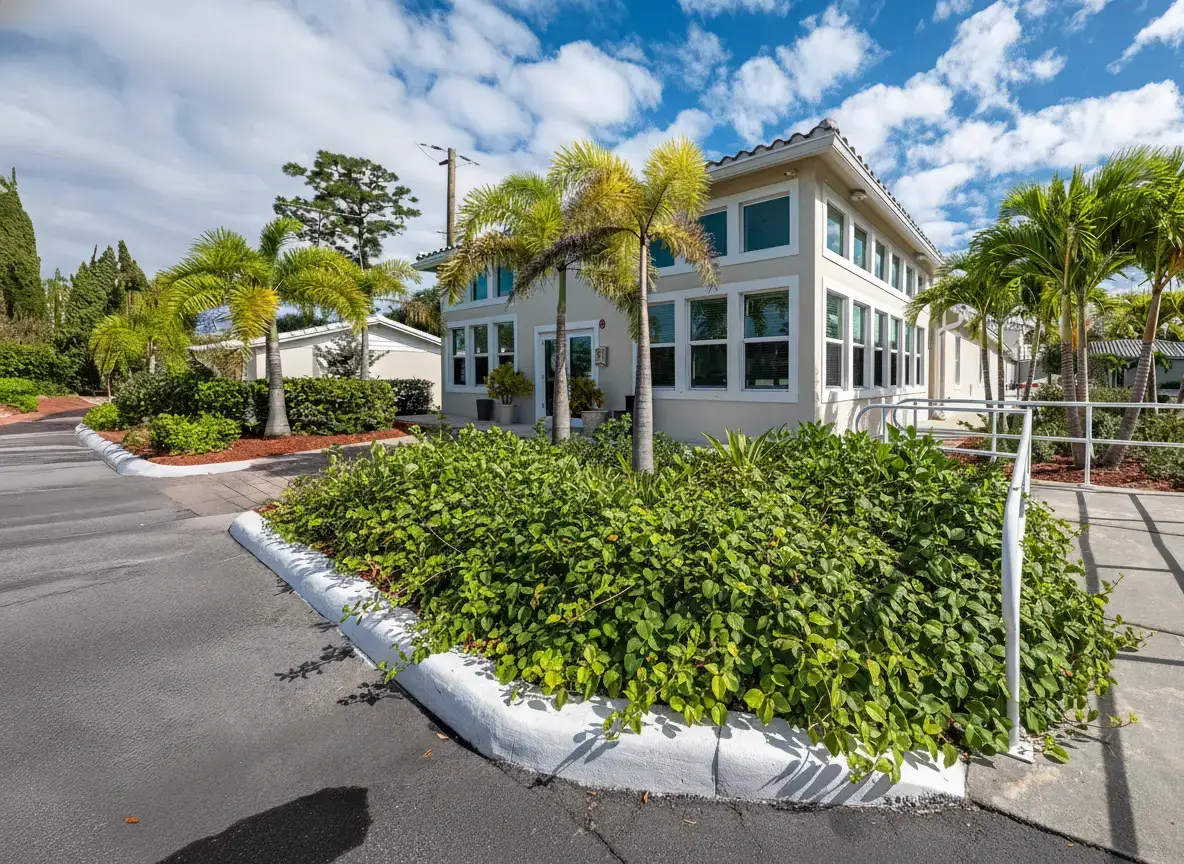
West Palm Beach, Florida
Serving South and Central Florida, The Haven Detox provides evidence-based and holistic addiction treatment in a comfortable, medical setting.
Covered Services Include:
Delray Beach, Florida
Located in Palm Beach County, The Recovery Team – Delray Beach provides transitional and outpatient levels of care for Florida Blue members.
Programs Covered Include:
The Haven Detox admissions team handles:
If you have a Florida Blue or another Blue Cross Blue Shield plan:
Get a Preauthorization Now ›
Accepts Blue Cross Blue Shield
Blue Cross Blue Shield of Massachusetts (BCBSMA) covers detox, residential, PHP, IOP, and outpatient programs for patients across Boston, Cambridge, Worcester, Brockton, Plymouth, Fall River, and Cape Cod.
These services are in-network with most BCBSMA plans, and same-day preauthorization is often available for urgent or medically necessary admissions.
| Coverage Area | What It Means |
|---|---|
| Plan Types Accepted | BCBSMA commercial PPO, HMO, and POS plans, including Blue Care Elect Preferred and Blue Choice networks. Marketplace and employer-based plans accepted where in-network contracts apply. |
| Behavioral Health Partner | Managed directly through BCBSMA’s Behavioral Health Access Line and, in many plans, delegated to Lucet Behavioral Health (formerly New Directions Behavioral Health) for utilization management. |
| Preauthorization | Required for detox, inpatient psychiatric, residential, and PHP programs. Outpatient therapy typically does not require prior authorization. ⓘ BCBSMA Preauthorization Guidelines (PDF) |
| Typical Review Cycle | Initial authorizations for inpatient or detox usually last 5–7 days, with continued-stay reviews every 2–3 days. |
| Approval Speed | BCBSMA or Lucet generally issues authorization decisions within 24 hours of receiving documentation. |
| Common Coverage Patterns | PPO members typically pay 10–30% coinsurance after deductible; HMO members may have flat daily copays for inpatient care. |
| Telehealth Coverage | Massachusetts requires parity for telehealth, so virtual behavioral health services are covered at the same rate as in-person visits. ⓘ BCBSMA Behavioral Health Continuum of Care Policy (PDF) |
| Mental Health Parity Law | Massachusetts enforces strict mental health parity protections under state and federal law. ⓘ Mass.gov: Mental Health Parity |
| Out-of-State Members (BlueCard) | Anthem and other BCBS members can use the BlueCard® network for in-network care in Massachusetts while their home plan covers benefits. |
| Provider Resources | Blue Benefit Administrators of MA Provider Manual (2025) Mental Health Brief Winter 2025 (PDF)MassHealth Provider Manuals Behavioral Health Reform Roadmap (BCBSMA Foundation) |
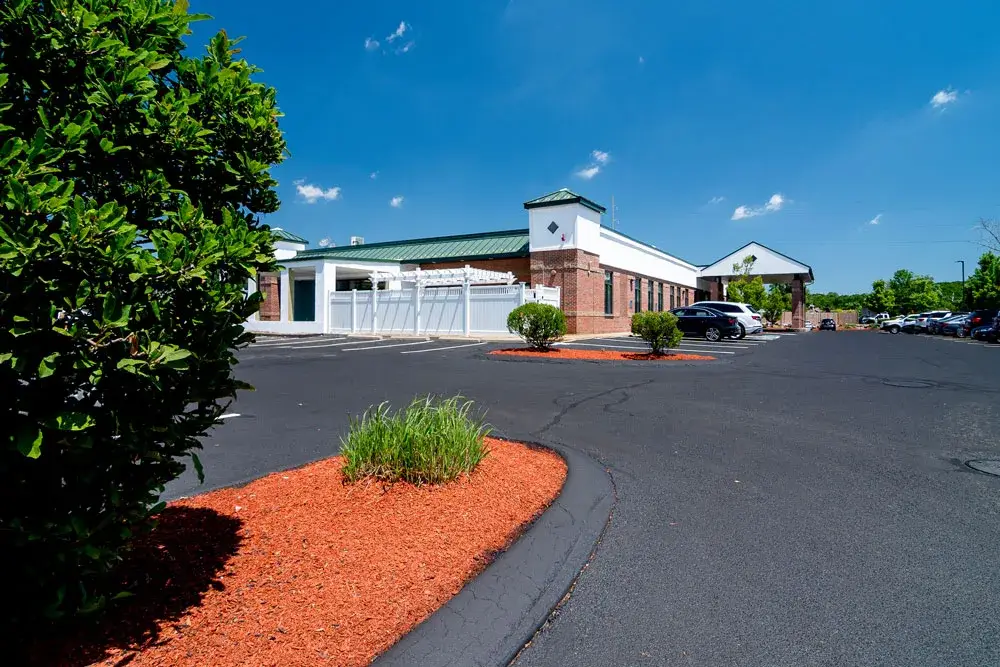
Worcester, Massachusetts
The Haven Detox – New England provides a structured, medical environment for detox and residential stabilization.
Covered Services Include:
Cape Cod, Massachusetts
The Recovery Team – Cape Cod offers comprehensive outpatient and step-down programs for BCBSMA members.
Programs Covered Include:
Newton, Massachusetts
Convenient to Boston and the surrounding areas, The Recovery Team – Newton delivers flexible care for mental health and addiction needs.
Covered Services Include:
Accepts Blue Cross Blue Shield
Horizon Blue Cross Blue Shield of New Jersey (Horizon BCBSNJ) and Horizon NJ Health cover detox, residential, PHP, IOP, and outpatient care for patients across Newark, Jersey City, Paterson, Trenton, Atlantic City, and throughout northern and southern New Jersey.
These services are in-network with most Horizon plans, and same-day preauthorization is available for admissions that meet medical necessity requirements.
| Coverage Area | What It Means |
|---|---|
| Plan Types Accepted | Horizon Blue Cross Blue Shield commercial HMO, PPO, EPO, and POS plans, Marketplace plans, and Horizon NJ Health (Medicaid / NJ FamilyCare). Out-of-state BCBS members can also receive care here through the BlueCard® program. |
| Behavioral Health Partner | Horizon Behavioral Health reviews and approves care for mental-health and substance-use services, including detox and residential programs. ⓘ Horizon Behavioral Health Overview |
| Preauthorization | Needed for detox, residential, and partial hospitalization (PHP). Outpatient therapy usually does not require prior approval. |
| Typical Review Cycle | Detox and residential stays are often approved for 5–7 days at a time, with reviews every 2–3 days to confirm continued progress. |
| Approval Speed | When documentation is complete, Horizon decisions are typically issued within 24 hours—allowing patients to begin treatment quickly. |
| Common Coverage Patterns | PPO members generally pay 10–30 % coinsurance after deductible; HMO plans use flat daily copays for inpatient care. |
| Medicaid (Horizon NJ Health) | Coverage includes detox, residential rehab, PHP, IOP, and outpatient therapy through the NJ FamilyCare program. The state continues expanding behavioral-health benefits under its integration initiative. ⓘ NJ DMHAS Behavioral-Health Integration |
| Telehealth Coverage | Tele-behavioral health visits are covered at the same rate as in-person sessions, so you can meet with licensed clinicians virtually when needed. |
| Mental Health Parity Law | New Jersey law requires behavioral-health and addiction treatment to be covered equally to physical-health care. ⓘ NJ Parity Resources |
| BlueCard Program | If your insurance card lists Anthem or another state’s Blue Cross Blue Shield, you can use the BlueCard® network for in-network treatment in New Jersey. |
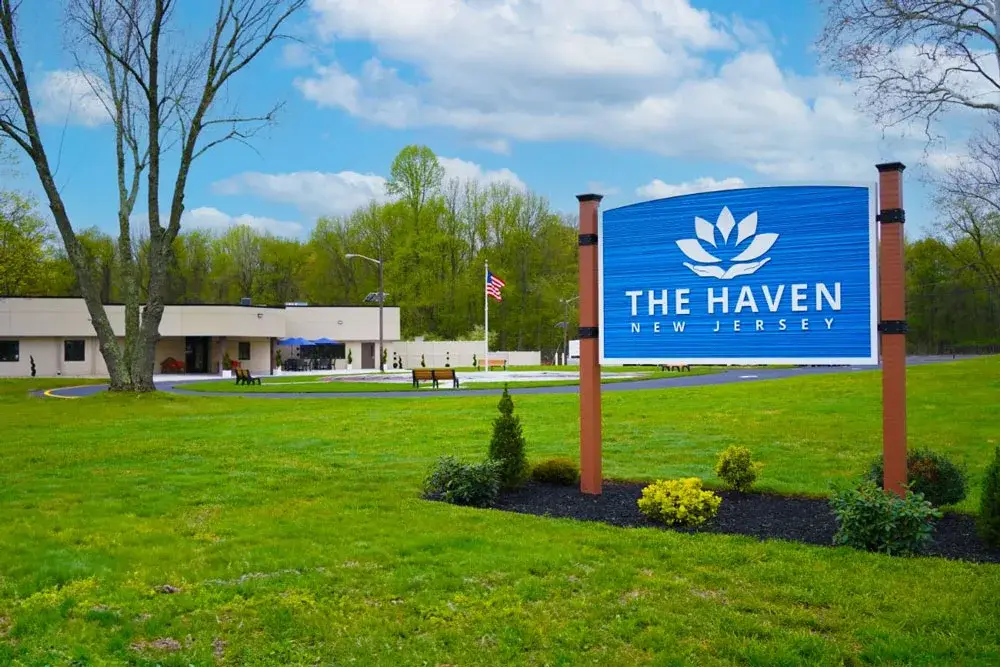
Blackwood, NJ
A licensed medical facility providing safe detox and residential stabilization for patients with alcohol, opioid, and prescription-drug dependence.
Services Covered by Horizon:
Mountainside, NJ
Provides step-down and outpatient levels of care for Horizon commercial and Medicaid members.
Programs Covered Include:
If you have Horizon Blue Cross Blue Shield of New Jersey or Horizon NJ Health, getting help is simple:
Get a Preauthorization Now ›
Accepts Blue Cross Blue Shield
Arkansas Blue Cross and Blue Shield (AR BCBS) covers detox, residential, PHP, IOP, and outpatient programs at The Haven Detox – West Memphis and The Haven Detox – Little Rock.
These accredited facilities serve patients across Memphis, Marion, Jonesboro, Little Rock, Conway, and North Little Rock, providing comprehensive treatment for substance use and co-occurring mental health conditions.
Both campuses are in-network with most Arkansas Blue Cross plans and can secure same-day preauthorization for medically necessary admissions.
| Coverage Area | What It Means |
|---|---|
| Plan Types Accepted | Arkansas Blue Cross and Blue Shield commercial PPO/HMO plans, Marketplace (MyBlue / BlueChoice), and BlueMedicare (Medicare Advantage). Medicaid members may be covered under BlueAdvantage Administrators of Arkansas, Arkansas Total Care, or Summit Community Care. |
| Behavioral Health Partner | Behavioral-health benefits for AR BCBS members are managed through Lucet Behavioral Health (formerly New Directions Behavioral Health). Medicaid partners manage reviews directly for their covered programs. |
| Preauthorization | Required for detox, residential, and partial hospitalization (PHP) programs. Outpatient therapy usually does not require prior approval. |
| Medication-Assisted Treatment (MAT) | Under Arkansas Act 775, insurers cannot require prior authorization for most MAT medications—including buprenorphine, methadone, and naltrexone — ensuring faster, more reliable access to life-saving treatment. ⓘ Arkansas Insurance Department – Act 775 MAT Access |
| Typical Review Cycle | Detox and residential care are typically approved in 5–7-day increments, with continued-stay reviews every 2–3 days based on progress. |
| Approval Speed | Once clinical documentation is submitted, AR BCBS and its partners often issue decisions within 24 hours, allowing patients to start treatment quickly. |
| Common Coverage Patterns | PPO members usually pay 10–30% coinsurance after deductible. Medicaid and HMO plans may have low or no copays for behavioral health care. |
| Telehealth Coverage | Arkansas requires telehealth parity, so virtual therapy sessions are covered at the same rate as in-person visits. |
| Mental Health Parity Law | State and federal parity laws require equal coverage for behavioral health and medical care. |
| BlueCard® Program | Out-of-state Anthem or Blue Cross Blue Shield members can receive in-network care in Arkansas through the national BlueCard® network. |
If you have Arkansas Blue Cross and Blue Shield or a BlueAdvantage Medicaid plan, getting help is simple.
Our admissions team can:
Your plan covers detox, residential, and outpatient treatment under behavioral-health benefits.
Telehealth therapy is covered at the same rate as in-person visits, allowing continued care from home in Little Rock, Jonesboro, or anywhere in Arkansas.
Whether you’re insured through AR Blue Cross, BlueAdvantage Medicaid, Arkansas Total Care, or Summit Community Care, treatment is within reach—and you can begin today.
Verify Arkansas Blue Coverage ›
Accepts Blue Cross Blue Shield
Residents of Puerto Rico with Blue Cross Blue Shield–affiliated plans have access to coverage for detox, residential, partial hospitalization (PHP), intensive outpatient (IOP), and standard outpatient care for both substance use and mental health conditions.
Most Blue Cross Blue Shield plans in Puerto Rico follow federal mental health parity laws, meaning behavioral health care must be covered at the same level as medical and surgical services. Members can use their benefits for inpatient stabilization, ongoing therapy, and medication management when treatment is considered medically necessary.
To get started, you can verify your insurance and preauthorization status with a quick coverage check. When you call, the admissions team can:
Patients throughout San Juan, Ponce, Mayagüez, and Bayamón can access in-network treatment quickly and without long approval delays.
| Category | What It Means | Typical Example (2025 Bronze Plan) |
|---|---|---|
| Coverage Area | Triple-S Blue Cross Blue Shield (Puerto Rico) commercial plans and Plan Vital (Puerto Rico Medicaid) are accepted. Members from mainland U.S. BCBS plans can access care in Puerto Rico through the BlueCard® network if the facility participates. |
Applies to both commercial and Medicaid products. Mainland BCBS members use BlueCard® for in-network access. |
| Behavioral-Health Administrator | Behavioral health benefits are managed by contracted administrators such as FHC Salud Mental or other networks. Always verify the administrator listed on the member’s ID card. | Check the plan ID card for FHC Salud Mental or Salus references before scheduling or authorizing care. |
| Preauthorization | Typically required for higher levels of care— detox, inpatient, and residential treatment. Outpatient or telehealth visits may not require it, depending on the plan. | Bronze Plan: Outpatient visits usually do not require preauthorization. Inpatient/residential stays typically do. |
| Utilization Review Cycle | Reviews occur at set intervals under the plan’s utilization-management rules, varying by care level and product type. | Example: Ongoing inpatient reviews may occur every 3–7 days per UM guidelines. |
| Determination Timeframes | Plans follow standard UM timelines (e.g., non-urgent pre-service decisions within ~15 days). Urgent cases are reviewed faster, but no universal 24-hour rule applies. | Expect 1–2 business days for urgent determinations and up to 15 days for standard reviews. |
| Outpatient Visits (Psychologist, Psychiatrist, or Social Worker) | Routine mental-health or substance-use visits are in-network. | $25 copay per visit under the Bronze plan. Some Salus clinics show $0 copay for psychologists. |
| Group Therapy | Standard group-based outpatient sessions. | $25 copay per session (Bronze plan). |
| Psychological Evaluations / Testing | Diagnostic or psychological assessment services. | $10 copay per test (Bronze plan). |
| Inpatient / Hospitalization | Psychiatric or substance-use inpatient admissions. | $500 copay per stay (Bronze plan). |
| Partial Hospitalization | Structured day programs offering intensive support while living at home. | 20% coinsurance (Bronze plan). |
| Electroconvulsive Therapy (ECT) | Covered if medically necessary and aligned with APA standards. | $0 copay when approved and rendered in a covered setting (Bronze plan). |
| Telehealth Coverage | Puerto Rico law requires payment parity for telehealth. Behavioral telehealth is covered at the same rate as in-person care, subject to plan rules and eligible platforms. | Same copay or coinsurance as in-person visits (often $25 per session). |
| Member Cost Sharing | Varies by plan tier. Check the member’s Summary of Benefits & Coverage (SBC) or Certificate of Coverage (COC). Plan Vital members generally have minimal or no copays. | Bronze examples shown here; Silver and Gold plans may have lower cost-sharing. |
| Mental-Health Parity Law | Puerto Rico enforces the Mental Health Parity and Addiction Equity Act (MHPAEA), requiring equal coverage for behavioral health and medical services. | Behavioral-health services are covered on par with medical/surgical benefits. |
San Juan, Puerto Rico
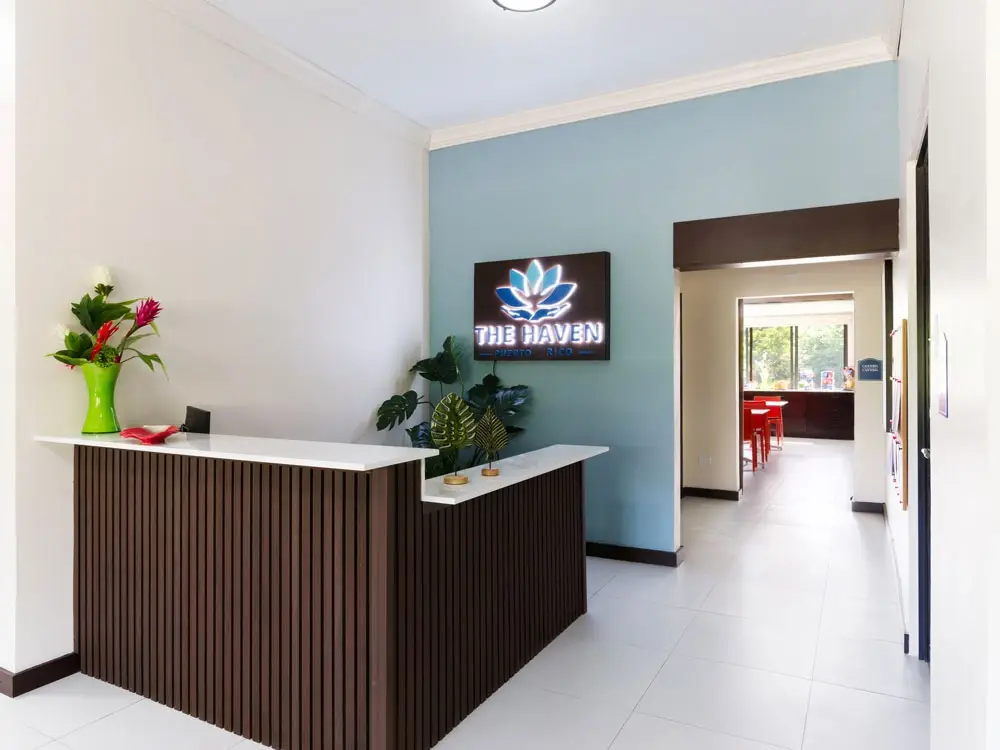
Serving patients across San Juan, Bayamón, Caguas, and Ponce, The Haven Detox – Puerto Rico provides medically supervised detox and residential stabilization in a comfortable, wellness-oriented environment.
Services Covered by Triple-S BCBS and Plan Vital:
If you have Triple-S Blue Cross Blue Shield of Puerto Rico or Plan Vital, getting help is simple.
Our admissions team can:
Your plan covers detox, residential, and outpatient treatment under behavioral-health benefits.
Telehealth therapy is covered the same as in-person care, giving you flexibility while maintaining connection to your clinical team.
Whether you’re insured through Triple-S Blue Cross Blue Shield, Plan Vital Medicaid, or another participating Blue Cross plan, treatment is within reach—and you can begin today.
Get a Preauthorization Now ›
Accepts Blue Cross Blue Shield
Anthem BCBS covers detox, residential, PHP, IOP, and outpatient programs at the Indiana Center for Recovery locations across the state (Bloomington, Mishawaka, Bedford, Indianapolis, Lafayette, Jeffersonville, Merrillville, Fort Wayne, Terre Haute, Carmel, etc.).
These campuses are fully in-network and eligible for same-day preauthorization through Carelon Behavioral Health.
| Coverage Area | What It Means |
|---|---|
| Plan Types Accepted | Anthem PPO, HMO, Pathway (Marketplace/ACA), and Medicaid plans: Anthem HIP, Anthem Hoosier Healthwise, Anthem Hoosier Care Connect. Also many employer-based Anthem plans. |
| Behavioral Health Partner | Managed by Carelon Behavioral Health (formerly Beacon Health Options). Carelon manages the behavioral health side — meaning preauthorizations, utilization review, and continued-stay approvals — but Anthem remains the insurer that pays benefits. |
| Preauthorization | Required for detox, inpatient psychiatric, and residential addiction treatment. Emergency admissions must be reported within 48 hours. |
| Typical Review Cycle | Detox: approved in 3-day increments. Residential: approved in 5–7-day increments. Continued-stay reviews depend on clinical progress documentation. |
| Common Coverage Patterns | In-network coverage usually pays 70–90% after the deductible. Outpatient therapy and telehealth typically require $25–$50 copays. |
| Mental Health Parity Law | Indiana enforces mental health parity, meaning Anthem must cover behavioral health and addiction care at the same level as physical health care. |
| Approval Speed | Once documentation is submitted, same-day approvals are common — especially when facilities work directly with Carelon’s clinical review team. |
Carelon Behavioral Health doesn’t replace Anthem; it manages the behavioral health network and medical reviews. That includes:
Your insurance coverage remains Anthem, and your network status (in-network vs. out-of-network) is determined by Anthem — not Carelon.
Bloomington, Indiana
Serving patients across southern and central Indiana, our Bloomington campus offers full-spectrum addiction and mental health care, including:
Mishawaka, Indiana (South Bend Area)
Located near South Bend and Elkhart, our Mishawaka campus provides a safe, medical setting for detox and inpatient treatment. Patients covered by Anthem BCBS receive:
Bedford, Indiana
Serving southern Indiana communities such as Bloomington, Columbus, and Seymour, our Bedford location provides a calm, structured environment for Anthem members needing detox and residential care. Patients benefit from:
Indianapolis, Indiana (Greater Metro Area)
Our Indianapolis campus offers medically supervised detox and inpatient treatment for patients throughout Carmel, Fishers, Zionsville, and Greenwood. Anthem BCBS covers all levels of care, including:
The admissions team at The Haven Detox handles:
This process removes the burden from patients or referring professionals — Anthem members can enter treatment quickly and confidently.
If you have Anthem Blue Cross and Blue Shield insurance in Indiana:
Blue Cross Blue Shield (BCBS) members can verify coverage for addiction, detox, or mental health treatment in several ways. Each state-based BCBS plan has its own verification process, but most allow you to confirm benefits through:
You can also call The Haven Detox admissions team for help. With your permission, the team can check your BCBS benefits directly, confirm preauthorization requirements, and explain what your plan will cover in plain terms.
With your consent, a treatment center can verify your specific BCBS benefits. This verification is confidential and HIPAA-protected—no employer, provider, or family member is notified.
There’s no cost or obligation for a verification of benefits. Getting the information early helps you understand your coverage before you decide to begin care.
Yes. Blue Cross Blue Shield (BCBS) covers medical detox when withdrawal symptoms create a health or safety risk.
Coverage applies to substances like alcohol, opioids, and benzodiazepines, where supervised withdrawal is necessary to prevent seizures, delirium tremens, or unstable vital signs. Most plans require preauthorization before detox begins, and BCBS typically approves an initial 3–7 days of treatment. Continued coverage depends on ongoing medical necessity confirmed by daily clinical updates.
Yes. BCBS covers inpatient or residential rehabilitation when round-the-clock care is clinically appropriate.
The facility must provide documentation showing why lower levels of care (like outpatient therapy) would not be safe or effective. Coverage reviews occur every few days, and authorizations are extended when progress notes show ongoing need.
For patients leaving detox, residential treatment can provide a structured transition into recovery with ongoing medical and therapeutic support.
In most cases, yes.
BCBS requires preauthorization (also called prior approval or precertification) for:
You do not usually need preauthorization for:
If preauthorization is required, The Haven Detox can contact BCBS directly and complete the process on your behalf before admission.
Coverage varies by plan and by the patient’s needs.
BCBS uses medical necessity guidelines (based on ASAM or similar criteria) to decide how long coverage continues.
Yes. Blue Cross Blue Shield covers co-occurring disorder treatment, which means care for both substance use and mental health conditions together. This includes therapy, medication management, and psychiatric care during detox or residential treatment. Integrated dual diagnosis programs help stabilize mood, manage cravings, and address underlying mental health symptoms contributing to addiction.
Yes. Most BCBS plans cover FDA-approved medications for substance use disorder, including:
These may be billed through the medical benefit (for in-facility dosing) or the pharmacy benefit (for prescriptions). Prior authorization may be required for newer or brand-name medications, but coverage is typically available when clinically appropriate.
If you have a PPO plan, yes — out-of-state or national network benefits usually apply. For HMO or EPO plans, care must typically occur within your state’s provider network unless it’s an emergency or BCBS grants an exception.
Admissions staff at The Haven Detox can check your specific plan to see whether out-of-state coverage applies and request authorization when needed.
Yes. BCBS behavioral health benefits include ongoing outpatient care after detox or residential treatment, such as:
There is typically no annual limit on therapy visits as long as treatment remains medically necessary and you use an in-network provider.
A denial doesn’t mean coverage is over. Your treatment team can submit an appeal with updated clinical documentation explaining why continued care is necessary. The team at the Haven Detox can help you file an appeal if your coverage gets denied.
BCBS offers:
If the external review overturns BCBS’s decision, the insurer must pay for treatment retroactively.
All BCBS plans must cover emergency stabilization – including ER visits, detox admissions, and involuntary psychiatric care – without prior authorization. Facilities must notify BCBS within 24–48 hours of the admission, and coverage continues as long as the medical necessity criteria are met. Patients cannot be denied care during an emergency, regardless of insurance status.
Even if The Haven Detox is not in-network, you may still have coverage under a PPO plan or through an out-of-network benefit. The admissions team can request a single-case agreement (SCA) from BCBS, which allows coverage at in-network rates when comparable care isn’t available nearby. These agreements are common for specialized detox and behavioral health facilities.
You can verify your benefits through:
With your consent, the admissions team will contact BCBS directly to confirm coverage, check for preauthorization requirements, and explain any potential costs.
The process is private, secure, and free of charge.
Coverage details vary by plan and state. The information above is for general educational purposes only. Always confirm specific benefits and authorizations directly with your Blue Cross Blue Shield provider.
Your information will be kept private
Let’s talk about what’s going on — no judgment. (We’ve been there before ourselves). No one will know you inquired and there is no commitment to call.
Need someone to talk to? We’re always here—day or night.
Ask questions, get guidance—no pressure, no obligation.
Your story stays with us. Confidential support, always.
Why Wait?
Get Answers Now
You’re here because you know you need help. Let’s talk through it together. There’s no commitment and it’s 100% confidential even to check your insurance.
100% Confidential
Why Wait?
Get Answers Now
You’re here because you know you need help. Let’s talk through it together. There’s no commitment and it’s 100% confidential even to check your insurance.
100% Confidential