

 100% Confidential

Get Help Today 24/7
Get Help Today 24/7
Tennessee Addiction and Mental Health Treatment Resource Guide
Finding addiction or mental health care can feel overwhelming. Tennessee has public programs, private providers, crisis services, peer support, recovery housing, and several levels of clinical care. The challenge is knowing which resource fits the situation and how to access it.
This guide can help you understand treatment options in Tennessee. It also introduces The Haven Detox Group’s new treatment center in Madison, which provides medical detox and residential substance use and mental health treatment.
Tennessee recorded 2,499 drug overdose deaths in 2024, according to the Tennessee Department of Health. The state’s age-adjusted overdose death rate was 35.2 per 100,000 residents, according to final 2024 data from the Centers for Disease Control and Prevention. These numbers describe deaths, not the many additional people and families affected by nonfatal overdose, withdrawal, and ongoing substance use.
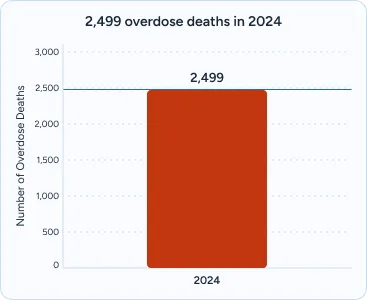
2,499 overdose deaths in 2024: a statewide measure of the continuing need for prevention and treatment, according to the Tennessee Department of Health.
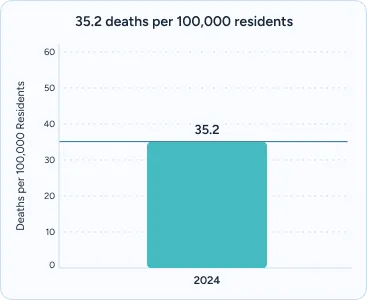
35.2 deaths per 100,000 residents: the final 2024 age-adjusted overdose death rate reported by the Centers for Disease Control and Prevention.
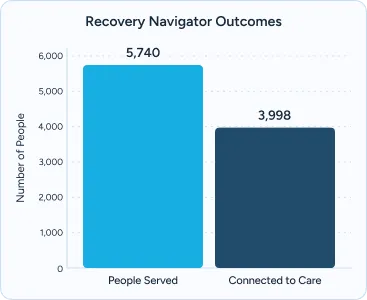
5,740 people served by Tennessee Recovery Navigators in FY2025: the program connected 3,998 people to treatment or recovery resources, a 70% placement rate, according to the FY2025 Tennessee Recovery Navigator report.
Statistics cannot determine the right treatment for one person. A medical and clinical assessment is still the best way to identify immediate risks, the appropriate level of care, and whether substance use and mental health concerns should be treated together.
Tennessee has statewide referral tools, publicly supported programs, community mental health providers, hospitals, and private treatment centers. Access can still vary by location, insurance, clinical need, and bed availability. The state’s licensed-provider search and the federal FindTreatment.gov locator can help families compare current options.
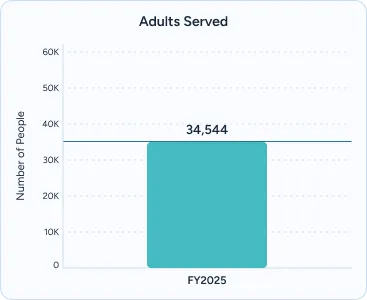
Behavioral Health Safety Net: In FY2025, the network served 34,544 adults and 2,038 children through 15 community partners and 149 physical locations, with coverage available in all 95 counties. See Tennessee BHSN details.
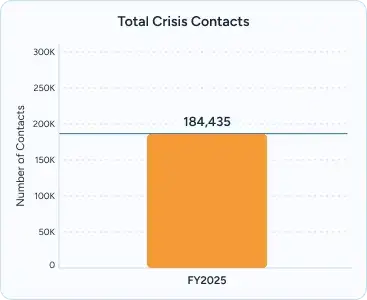
Statewide crisis response: Tennessee handled 184,435 crisis contacts in FY2025. Sixty percent were resolved by phone, and 64% of completed crisis assessments were diverted from hospitalization to less-restrictive community services. Review the state crisis system.
About 1.37 million Tennessee adults live with a mental health condition, and 369,000 adults live with a serious mental illness, according to the 2025 NAMI Tennessee data sheet. Symptoms can affect safety, sleep, work, school, relationships, physical health, and the ability to manage daily responsibilities.
Mental health care in Tennessee ranges from outpatient counseling and medication management to crisis stabilization, residential treatment, and hospital-based psychiatric care. The safest starting point depends on symptom severity, immediate risk, medical needs, and the support available at home.
Behavioral health concerns can affect anyone. Certain groups may face greater risk or more difficulty reaching care:
A person does not need to fit a specific category or reach a crisis point before asking for help.

Tennessee’s public behavioral health system includes treatment referrals, crisis services, outpatient mental health care for eligible uninsured residents, recovery supports, and TennCare-covered services. Useful starting points include:
Public and state-supported programs are essential parts of Tennessee’s treatment system. Licensed professional facilities can add options when a person needs medical monitoring, residential structure, coordinated psychiatric care, or help moving between levels of care. Availability and services vary by provider, so families should confirm the details rather than relying on a facility name or general description.
Licensed treatment facilities can provide the structure and clinical support needed when addiction, withdrawal, or mental health symptoms are difficult to manage at home. Depending on the provider, care may include:
Before choosing a facility, confirm its licensing, accreditation, staffing, services, insurance participation, and safety procedures.
Middle Tennessee now has a new option for coordinated addiction and mental health treatment. The Haven Detox Group’s center at 431 Larkin Springs Road in Madison provides medical detox, residential substance use treatment, and residential mental health treatment. Backed by more than a decade of experience and a network that has helped more than 21,000 people since 2015, the center brings medical, psychiatric, and therapeutic care together in one treatment setting.
Tennessee’s major population centers include Nashville, Memphis, Knoxville, Chattanooga, and the Tri-Cities. Middle Tennessee is connected by I-24, I-40, and I-65, and Nashville International Airport can make travel more practical for patients and families coming from other parts of the state or nearby states.
The Haven Detox Group’s Madison location will place medical detox, residential addiction care, and residential mental health care near Nashville and the broader Middle Tennessee region. People who need care before the facility opens should use currently available state, federal, and licensed-provider resources rather than delaying treatment.
TennCare covers medically necessary behavioral health services for eligible members. The state lists psychiatric hospital care, crisis stabilization, partial hospitalization, intensive outpatient care, psychotherapy, medication management, peer support, supported housing, residential treatment, and substance use treatment among covered service categories. Review TennCare behavioral health benefits.
TennCare members receive services through a managed care organization. Current TennCare behavioral health directories include Wellpoint, BlueCare Tennessee, and UnitedHealthcare Community Plan. Members should use the directory and phone number on their insurance card to confirm whether a specific provider and level of care are covered.
Substance Use Treatment Benefits
Mental Health Benefits
Public Chapter 406 is a 2025 Tennessee law that created clearer certification standards for recovery residences. Beginning January 1, 2026, the Tennessee Department of Mental Health and Substance Abuse Services began selecting and approving organizations authorized to certify these homes. Approved organizations must enforce minimum standards covering resident safety, drug and alcohol testing, exit planning, resident rights, financial practices, emergency information, and annual site inspections.
A recovery residence provides substance-free housing with supervised, monitored, or peer-led support. It does not provide medical or clinical treatment on site. This distinction can help you avoid confusing recovery housing with a licensed medical detox or residential treatment program.
You can read the legislation summary or review Tennessee’s recovery-residence guidance.
Behavioral health benefits can be difficult to understand during a stressful time. Before entering treatment, ask the facility or health plan to explain:
The Haven Detox Group can review insurance benefits and explain available options. A benefits check does not require someone to enter treatment.
Tennessee peer support centers are free places where people living with mental illness, substance use disorders, or both can connect with others who have relevant lived experience. Services may include recovery education, social support, resource navigation, and wellness activities. Find Tennessee peer recovery services.
Tennessee certifies several types of peer professionals, including Certified Peer Recovery Specialists, Certified Family Support Specialists, and Certified Young Adult Peer Support Specialists. Peer support can help people feel understood, build practical skills, and stay connected to care. It does not replace medical treatment, psychotherapy, or crisis intervention when those services are needed.
Recovery residences provide substance-free housing with supervised, monitored, or peer-led support. They are different from licensed residential treatment because they do not provide medical or clinical services on site. Tennessee lists state-approved certification organizations and explains the current standards on its recovery residences page.
Before choosing a residence, ask who certifies it, what support is provided, how medication is handled, what rules and fees apply, how relapse is addressed, and how the residence responds to safety concerns or grievances.
Mutual-support groups can provide community support before, during, and after treatment. Options include Alcoholics Anonymous, Narcotics Anonymous, SMART Recovery, faith-based groups, family groups, and meetings focused on specific communities. In-person and virtual options may be available.
A support group is not a substitute for medical detox, psychiatric care, or licensed treatment. Someone with dangerous withdrawal symptoms, severe mental health symptoms, or an immediate safety risk should seek professional help.
Tennessee Recovery Navigators are Certified Peer Recovery Specialists who meet people in participating hospital emergency departments after an overdose, during withdrawal, or when a substance use disorder is identified. In FY2025, Navigators served 5,740 people and connected 3,998 to treatment or a recovery resource. Referrals came from 85 counties. Read the FY2025 program report.
NAMI Tennessee and its local affiliates provide education, support groups, advocacy, and resources for people living with mental health conditions and their families. Program schedules and availability vary by affiliate. NAMI services can complement clinical care, especially when families need education and peer support.
Free peer support, family education, and recovery resources are available throughout Tennessee. These services can help people feel less isolated, learn practical coping skills, and connect with others who have faced similar challenges. They do not replace medical detox, residential treatment, or emergency care.
NAMI Davidson County provides free peer-led support groups, family support, mental health education, and skills classes. Call 615-891-4724 for current programs serving Nashville and Davidson County.
NAMI Greater Memphis offers free recovery support groups for adults experiencing mental health symptoms, along with support groups and educational programs for families and caregivers.
NAMI Knoxville provides free peer support, family education, mental health classes, and guidance on local resources. Call or text 865-201-8801 for current programs.
NAMI Chattanooga serves Hamilton County and Greater Chattanooga with free peer-led recovery groups, family support, educational programs, and online support options.
The Mental Health Association of East Tennessee connects residents of Johnson City, Kingsport, Bristol, and nearby communities with free peer support centers and recovery groups for mental health and substance use concerns.
Tennessee operates 45 free Peer Support Centers for adults living with mental health conditions, substance use disorders, or both. No referral is required. Centers may offer support groups, recovery classes, social activities, and transportation in participating counties. Free virtual peer support is also available through FindingMyRecovery.
Use caution if a provider:
Substance use treatment can begin at different points. Tennessee’s licensed-service definitions distinguish outpatient, residential, detoxification, and mental health programs. The right starting place depends on withdrawal risk, medical stability, mental health symptoms, home support, and previous treatment response.
A person may move between levels as symptoms and safety needs change. Detox alone is not complete addiction treatment; continued care can address cravings, mental health, relationships, and the patterns connected to substance use.
Professional treatment can provide a coordinated response when substance use, withdrawal, or mental health symptoms have become difficult to manage safely. The strongest programs clearly explain what they offer and base recommendations on an assessment.
Access and Coordination
Clinical Quality
Individualized Care
Tennessee Treatment Center
Ask about the expected opening, available programs, insurance participation, and admissions at 431 Larkin Springs Road in Madison. If care is needed now, do not wait for a new facility to open.
The goal is not to choose the most intensive or best-known program. It is to choose a safe, licensed program that can meet the person’s actual needs, explain the plan clearly, and help with the next step after discharge.
The Haven Detox Group has helped more than 21,000 people since 2015 and reports a 98.5% satisfaction rating across its network. Its eight existing treatment centers are accredited by The Joint Commission. These network facts do not automatically establish the licensing or accreditation status of the new Tennessee facility, which should be updated and confirmed as the center opens. Learn more about The Haven Detox Group.
Verify benefits and understand your treatment options
Compare programs, read reviews, and make informed decisions
If you or a loved one is experiencing a mental health or substance use crisis, help is available right now:
Timing depends on clinical need, bed availability, insurance authorization, and the specific provider. Crisis services and emergency departments can respond immediately to urgent safety concerns. For nonemergency treatment, ask each provider about its current admission timeline instead of assuming same-day availability.
TennCare covers a range of medically necessary behavioral health services, including hospital, residential, outpatient, crisis, psychotherapy, medication management, and substance use services. Coverage depends on eligibility, medical necessity, authorization, provider participation, and the member’s managed care plan.
Call or text the Tennessee REDLINE for an addiction treatment referral, review the Behavioral Health Safety Net for eligible outpatient mental health services, or call the TDMHSAS Helpline for guidance. Eligibility and available services vary by program.
Some facilities accept out-of-state patients. Confirm whether the facility is licensed for the needed service, whether the patient’s insurance provides out-of-state benefits, and whether travel is medically safe. The Haven Detox Group admissions team can review available locations and coverage options.
Integrated care addresses substance use and mental health concerns in one coordinated plan. Ask whether psychiatric professionals are available on site, which conditions the program treats, how medications are managed, and whether the patient can remain in the program if symptoms change.
There is no standard length that is right for everyone. Medical withdrawal management may last several days, while residential and outpatient care may continue for weeks or months. The plan should be based on safety, clinical progress, insurance requirements, and the support needed after discharge.
No. A recovery residence provides substance-free housing and peer or monitored support. Tennessee defines it separately from licensed treatment, and it does not provide medical or clinical services on site. Confirm whether housing and treatment are separate services before enrolling.
Let’s talk about what’s going on — no judgment. (We’ve been there before ourselves). No one will know you inquired and there is no commitment to call.
24/7 Support
No Commitment
100% Private

Why Wait?
Get Answers Now
You’re here because you know you need help. Let’s talk through it together. There’s no commitment and it’s 100% confidential even to check your insurance.
100% Confidential
