Reiki Master

Holistic Therapy
During detox and early mental health treatment, it’s common to feel constantly on edge. Your thoughts race. Your body stays tense, even when you’re trying to rest.
Reiki therapy is one of the ways patients here are able to slow that down by helping your body release the tension it’s holding.
Expertise certified
When your body is constantly tense, it’s hard to focus, rest, or fully engage in treatment.
Reiki is designed to shift your attention back into your body. During a session, many people start to notice where they’re holding tension. It might be tightness in your chest, your jaw, your shoulders, or a constant feeling in your stomach that never really settles.
Sessions are done in a quiet setting with a light touch or hands held just above the body. The goal is simple: help your system slow down so you can feel where your body is holding tension and start to release it.
When combined with evidence-based therapies in mental health and addiction treatment, Reiki helps regulate the nervous system, reduce anxiety, and promote grounding. This integrative use highlights the role of Reiki healing for addiction recovery.
![]() |
Promotes deep relaxation Reiki sessions help quiet the stress response and bring attention to areas of physical tension, allowing your body to release it instead of holding onto it. |
![]() |
Supports emotional release As physical tension starts to ease, some people notice emotions surfacing that they hadn’t fully processed. Others simply feel less overwhelmed. Both are normal responses. |
![]() |
Helps interrupt the stress response When your body is constantly on edge, it can stay that way for hours or days at a time. Reiki creates a pause in that cycle, giving your system a chance to reset instead of staying in that heightened state. |
A Reiki session in treatment typically lasts 30–60 minutes. Most people notice the effects during or shortly after the session, often as a release of physical tension or a quieter mental state.
| 1 | Discuss your goalsBefore the session, your practitioner will ask about your comfort level, current symptoms, and what you’d like to focus on, such as easing anxiety, improving sleep, or slowing down your thoughts. |
| 2 | Create a calm environmentYou’ll lie down or sit comfortably in a quiet room with low lighting. The goal is to reduce stimulation so your body has a chance to slow down. Soft lighting and gentle background music help you relax. |
| 3 | Focus on areas of tensionThe practitioner places their hands lightly on or just above specific areas of your body. These are often places where tension builds, like your chest, shoulders, jaw, or stomach. |
| 4 | Notice what your body is doingAs the session continues, you may start to notice changes in your body. Some people feel warmth or a sense of release. Others just notice their breathing slowing down or their muscles loosening. |
| 5 | After the sessionAfter the session, you’ll have a few minutes to sit quietly. Some people feel more relaxed right away. Others notice later that their body feels less tense or their thoughts aren’t as intense. |
While Reiki is not meant to replace traditional treatment, it can play an important supportive role. By easing physical tension, quieting an overactive mind, and promoting a sense of inner balance, Reiki can help you feel more receptive to therapy and better equipped to handle the emotional demands of healing.
|
During detox, the body often feels restless, tense, and uncomfortable. Reiki sessions are used to help reduce that physical agitation by bringing attention to where tension is building so it can start to release. |
With ADHD, the challenge is often constant mental and physical restlessness. Reiki gives your body a chance to pause and shift attention away from that constant stimulation. |
|
Depression can show up as heaviness, low energy, or feeling disconnected from your body. Reiki brings attention back to physical sensations, which can help interrupt that numb or shut-down feeling. |
Anxiety often feels physical and often shows up as a tight chest, shallow breathing, and constant tension in your muscles. Reiki focuses on helping your body release some of that built-up stress. |
|
PTSD can keep the body in a constant state of alertness. Reiki sessions are designed to create a quiet, low-stimulation environment where your body has a chance to come out of that heightened state. |
During periods of heightened stress or emotional intensity, the body can feel overstimulated. Reiki sessions focus on helping the body slow down and release that physical tension. |
Most traditional treatment centers ignore holistic therapy options, while many holistic providers actively avoid essential, evidence-based clinical treatments. The best results come from bringing both worlds together. Just like the core principle of Reiki, it’s all about balance.
Accessible Everywhere
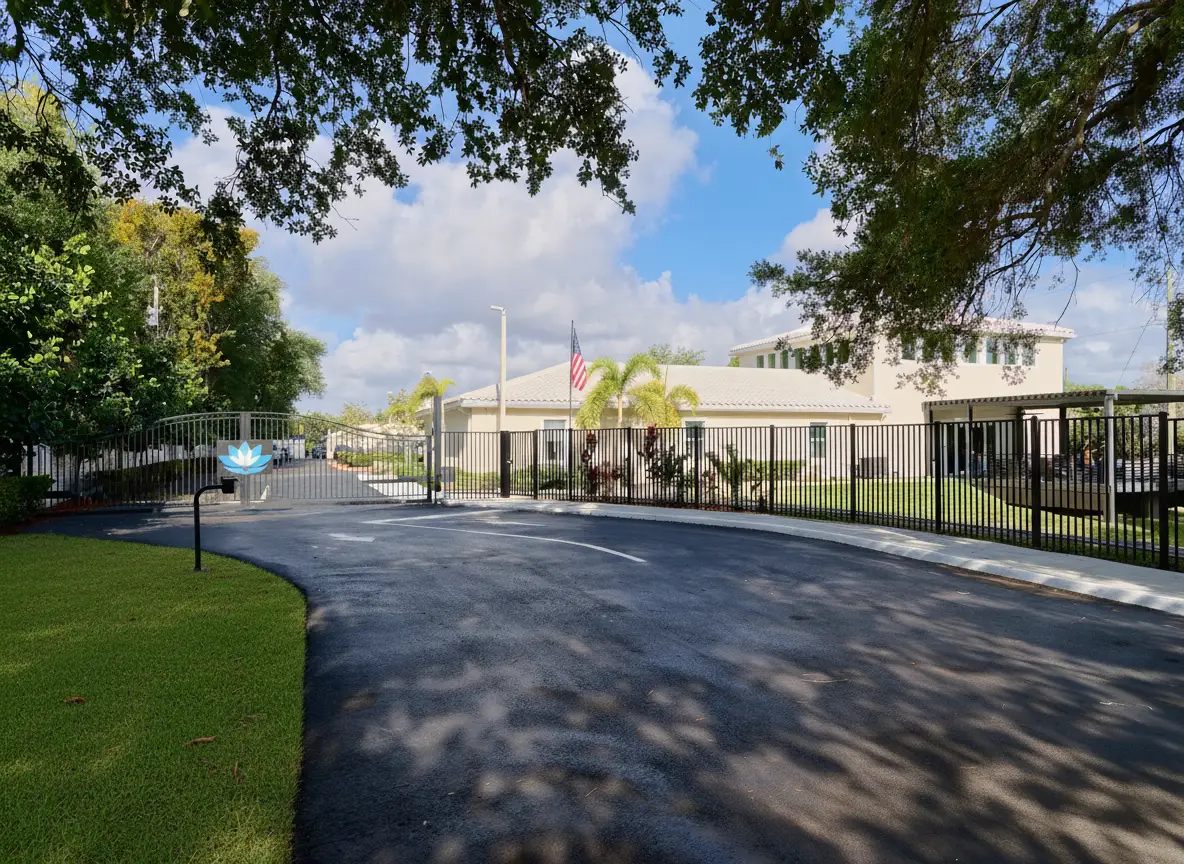
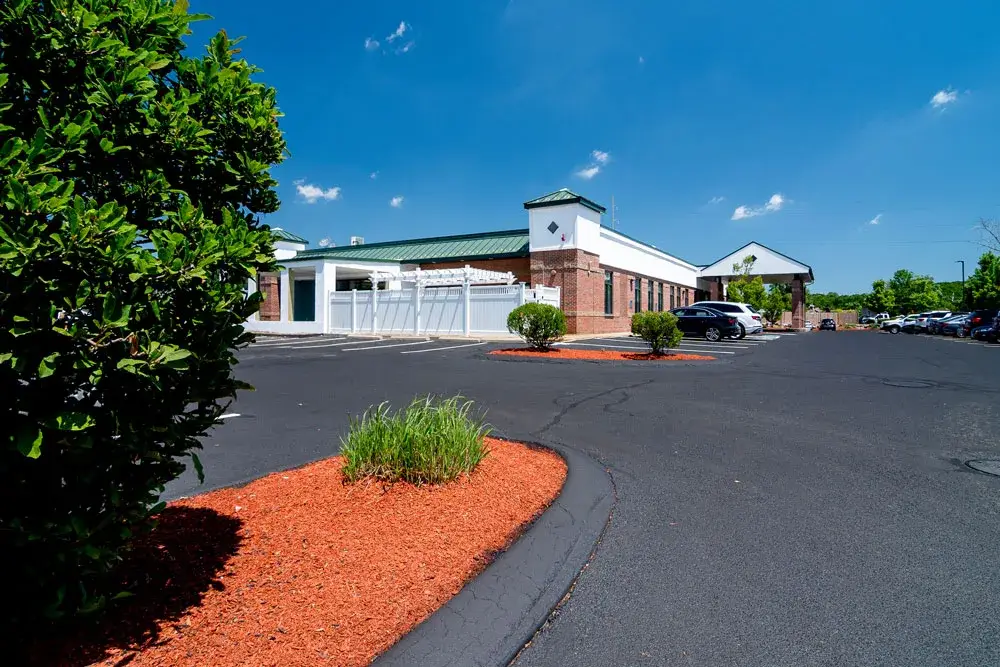
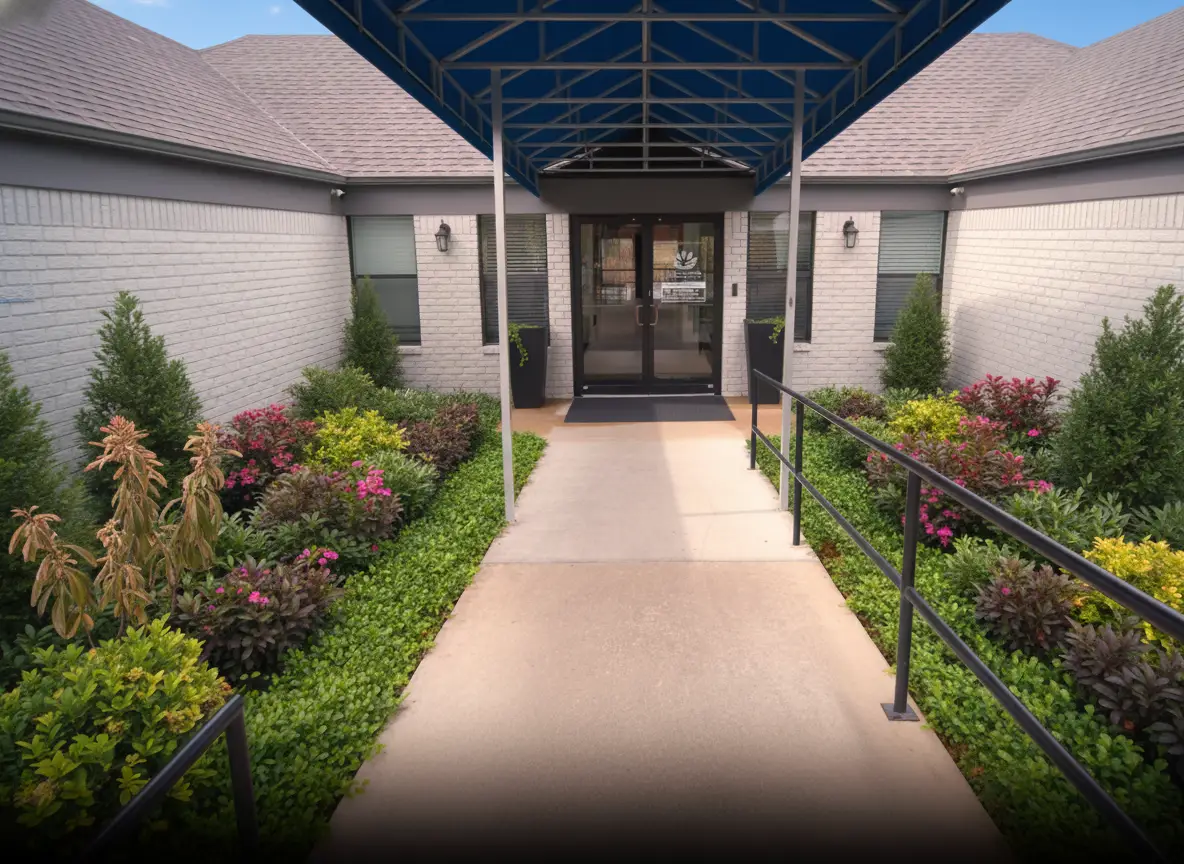
The Haven Detox Group blends gold-standard, evidence-based treatments with a wide range of holistic options—including art therapy, music therapy, massage therapy, and meditation—designed to restore both mind and body. Our Massachusetts facility offers Reiki for addiction and mental health treatment, an additional therapy that further expands our holistic approach. Across all locations, you never have to choose between proven medical care and restorative practices, and our treatment centers are nationally recognized for their uniquely balanced approach.
Space Available
Insurance Accepted
Space Available
Insurance Accepted
Space Available
Insurance Accepted
Reiki Therapy Offered
Space Available
Insurance Accepted
Space Available
Insurance Accepted
Space Available
Insurance Accepted
Space Available
Insurance Accepted
Space Available
Insurance Accepted
Space Available
Insurance Accepted
Reiki Master
Mental health & addiction treatment success stories
Brandon Artie
I have been to The Haven and have had an amazing experience. One therapist in particular that specializes in trauma literally changed outlook on life and has been the only one to ever help me with trauma in such a deep way.
Joseph Tissi
This place will make you feel like the best home you’ve ever had. Also help you through the worst times of your life, if you are dealing with any anxiety and depression along with any addiction I highly recommend this place for any type of recovery.
Chris Macdonald
This place is amazing. The staff are all extremely caring and knowledgeable. It’s a very comfortable and safe space to start to get better, physically and mentally, as you start your journey into a life in Recovery. I’m extremely grateful for my time spent there.
Jennifer R.
The Haven Detox didn’t just help me detox physically–it helped me start healing emotionally and mentally. I walked away feeling like myself again, filled with hope and clarity. It was honestly one of the best decisions I’ve ever made for my well-being. Thank you, Haven Detox, for helping me find my light again.
Megan M.
The Haven in West Palm saved my life. The staff is amazing! Great place to go to get the help you need! I loved the classes and the girls get-togethers for nails with Barb! Made some great friends and memories. Laughed a lot and cried a lot. Helped me get sober and put my health journey into over drive. I feel great and my daughters are so proud of me! Very positive experience.
Nicole D.
Went here almost 5 years ago, I’m still clean. I always refer people here. Beautiful facility, staff makes you feel comfortable.
Affordable Care
Insurance coverage for Reiki therapy
In a structured treatment program like The Haven Detox Group, Reiki can sometimes be billed under “adjunctive services” in a physician-approved plan. Insurance isn’t technically paying “for Reiki.” They’re paying for your overall treatment program, which includes Reiki. Learn more about your specific insurance and any costs now.
Final Reiki therapy FAQs
Research on Reiki is still developing. Some small studies have found that people report lower anxiety, stress, and physical tension after sessions compared to those who did not receive Reiki.
At the same time, larger reviews note that more high-quality research is needed to fully understand how it works and how consistent the results are. You can read a summary of current research from sources like the National Center for Complementary and Integrative Health (NCCIH) or Healthline.
Because of this, Reiki is not used as a primary treatment. It’s used alongside evidence-based care to help with relaxation, stress, and overall comfort during treatment.
The practitioner uses light touch or hovers their hands just above your body to focus on areas of tension or imbalance. Many people describe feeling deeply relaxed, noticing warmth or gentle tingling, or even drifting into a meditative state. There’s no muscle manipulation or pressure, and you remain fully clothed.
No. Reiki doesn’t require belief for you to benefit. Many people simply experience it as a calming, meditative process that lowers stress and helps them feel more centered — even if they’re skeptical of the “energy” explanation.
Reiki is not tied to any religion. While some people experience it as a spiritual or grounding practice, others see it as a relaxation technique that supports mental and physical health. It’s entirely up to you how you interpret it.
Reiki doesn’t treat withdrawal directly, but it can reduce the anxiety, restlessness, and tension that make detox uncomfortable. For example, someone a week into alcohol withdrawal might use Reiki to feel calmer and more focused after medical treatments address the initial physical symptoms.
Not if you don’t want to be. Reiki can be done without any physical contact. If you have touch boundaries — for example, due to trauma history — you can let your practitioner know, and the session will be adapted for your comfort. The practitioner will position their hands above your body instead.
Many people feel calmer, lighter, or more relaxed immediately after a session. Others notice more cumulative benefits over several sessions, such as better sleep, less irritability, or a greater sense of emotional balance.
Reiki is generally calming, but occasionally people experience a temporary release of emotions — like sudden sadness or tears — as tension is released. This isn’t harmful and often leaves people feeling lighter afterward.
No! At The Haven Detox Group, Reiki is a complementary therapy. It’s meant to work alongside counseling, medical care, and other treatments to improve overall well-being and treatment engagement.
In treatment, Reiki is part of an integrated care plan. Your practitioner understands the mental health or addiction challenges you’re facing and tailors the session to support your overall healing goals — not just general relaxation.
Yes. Participation is always voluntary. If you try it and decide it’s not for you, your treatment plan can be adjusted to focus on other therapies you prefer.
Yes. Reiki can actually help by reducing the stress and tension that can arise during trauma work, making it easier to stay grounded between EMDR sessions.
Some people notice benefits after the first session, but most find that regular sessions — even once a week during treatment — help maintain a calmer, more balanced state.
Massage works on muscles and soft tissue through physical manipulation. Reiki works on the body’s energy flow using light or no touch. Massage is more physical; Reiki is more about calming the nervous system and creating a sense of emotional balance.
Let’s talk about what’s going on — no judgement. (We’ve been there before ourselves.) No one will know you inquired, and there is no commitment to call.
24/7 Support
Need someone to talk to? We’re always here—day or night.
No Commitment
Ask questions, get guidance—no pressure, no obligation.
100% Private
Your story stays with us. Confidential support, always.
Why Wait?
Get Answers Now
You’re here because you know you need help. Let’s talk through it together. There’s no commitment and it’s 100% confidential even to check your insurance.
100% Confidential