Spa Icon for The Haven Detox Group

Holistic Therapy

Massage therapy for addiction recovery & stress relief

Anxiety and substance use can leave both body and mind feeling tense, restless, or drained. Massage therapy is designed to release that tension, reduce stress, and help your nervous system relax so healing feels possible. More than a luxury, massage is a therapeutic tool that supports physical comfort, emotional balance, and overall well-being during treatment.

AMTA logo for The Haven Detox Group
National Alliance On Mental Illness Logo for The Haven Detox Group
Mayo clinic logo for The Haven Detox Group

Major health organizations endorse massage therapy

Understanding the Approach

What is massage therapy?


Massage therapy uses structured, therapeutic touch to relax muscles, improve circulation, and calm the nervous system. At The Haven Detox Group, sessions are provided by trained professionals who understand recovery and tailor each session to your comfort level.


Massage isn’t about spa indulgence—it’s about using safe, evidence-based techniques to help your body and mind work together in healing. Whether you’re dealing with muscle aches, stress, cravings, or difficulty sleeping, massage provides natural support for recovery.

Relieve physical tension and pain Relieve physical tension and painMassage reduces muscle tightness, improves circulation, and eases physical discomfort that often comes with detox, stress, or long periods of emotional strain.
Calm the mind and reduce stress Calm the mind and reduce stressBy lowering cortisol (the body’s stress hormone) and activating the relaxation response, massage helps quiet racing thoughts, support emotional balance, and reduce anxiety.
Improve sleep and recovery Improve sleep and recoveryMassage therapy can improve sleep quality and help the body reset. Many patients find they fall asleep faster, sleep more deeply, and wake up feeling more restored after sessions.
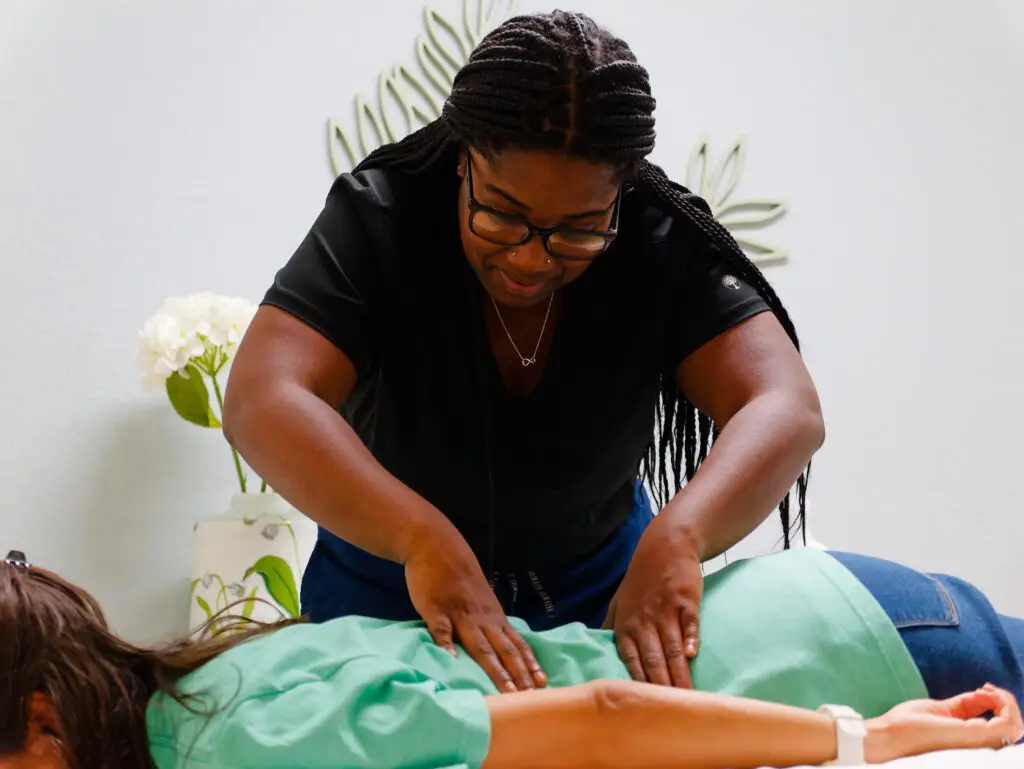
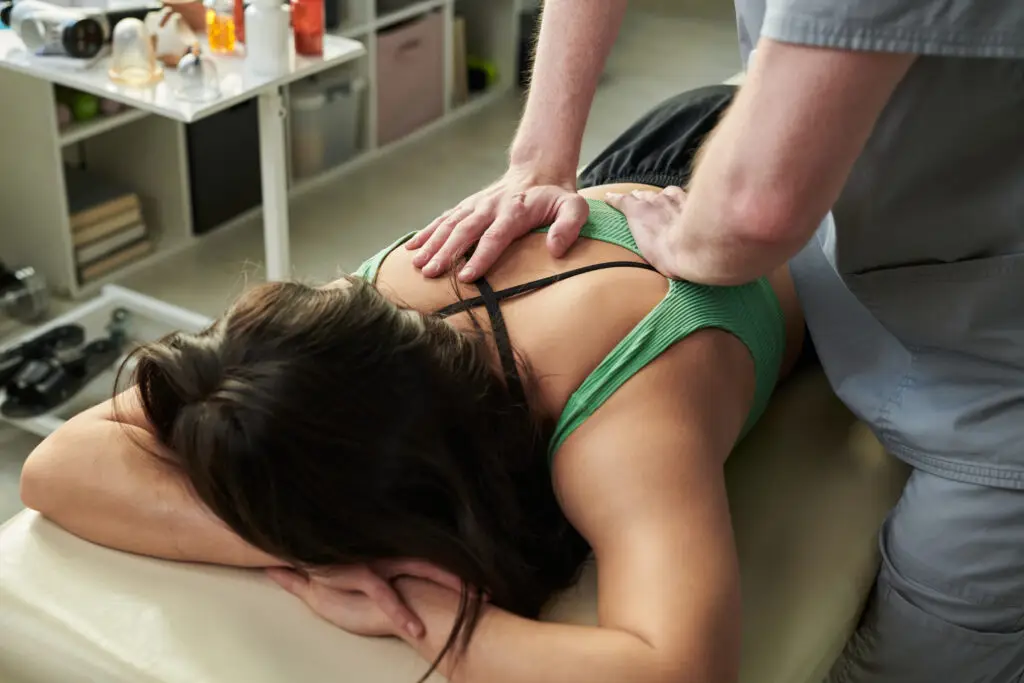
A therapist gives a patient a back massage.
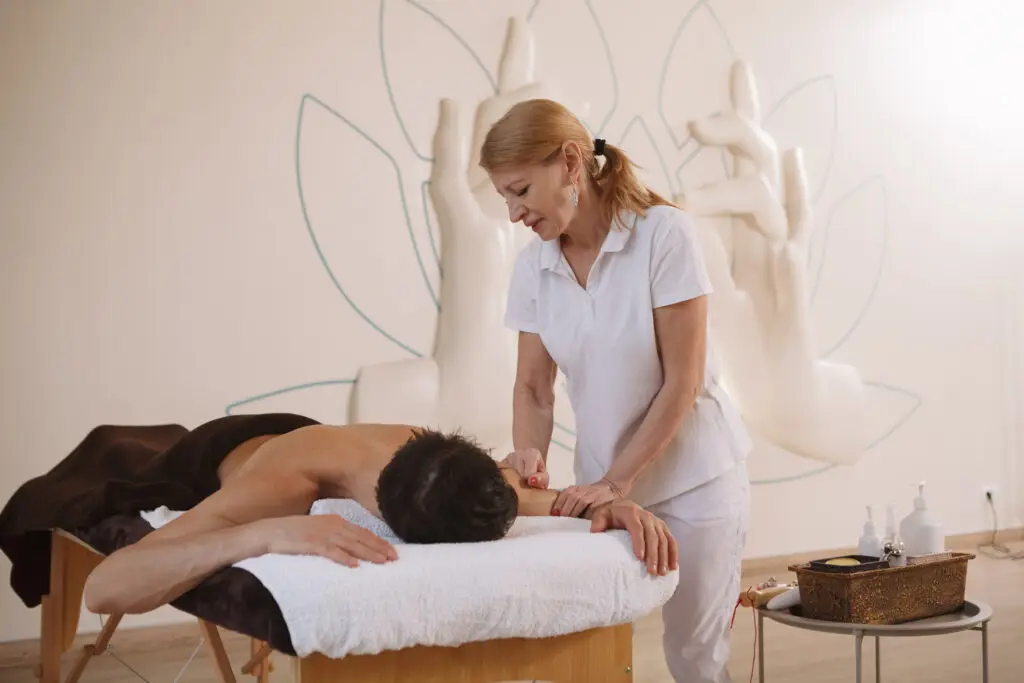
A senior female masseur gives a massage to a male client in a spa setting.
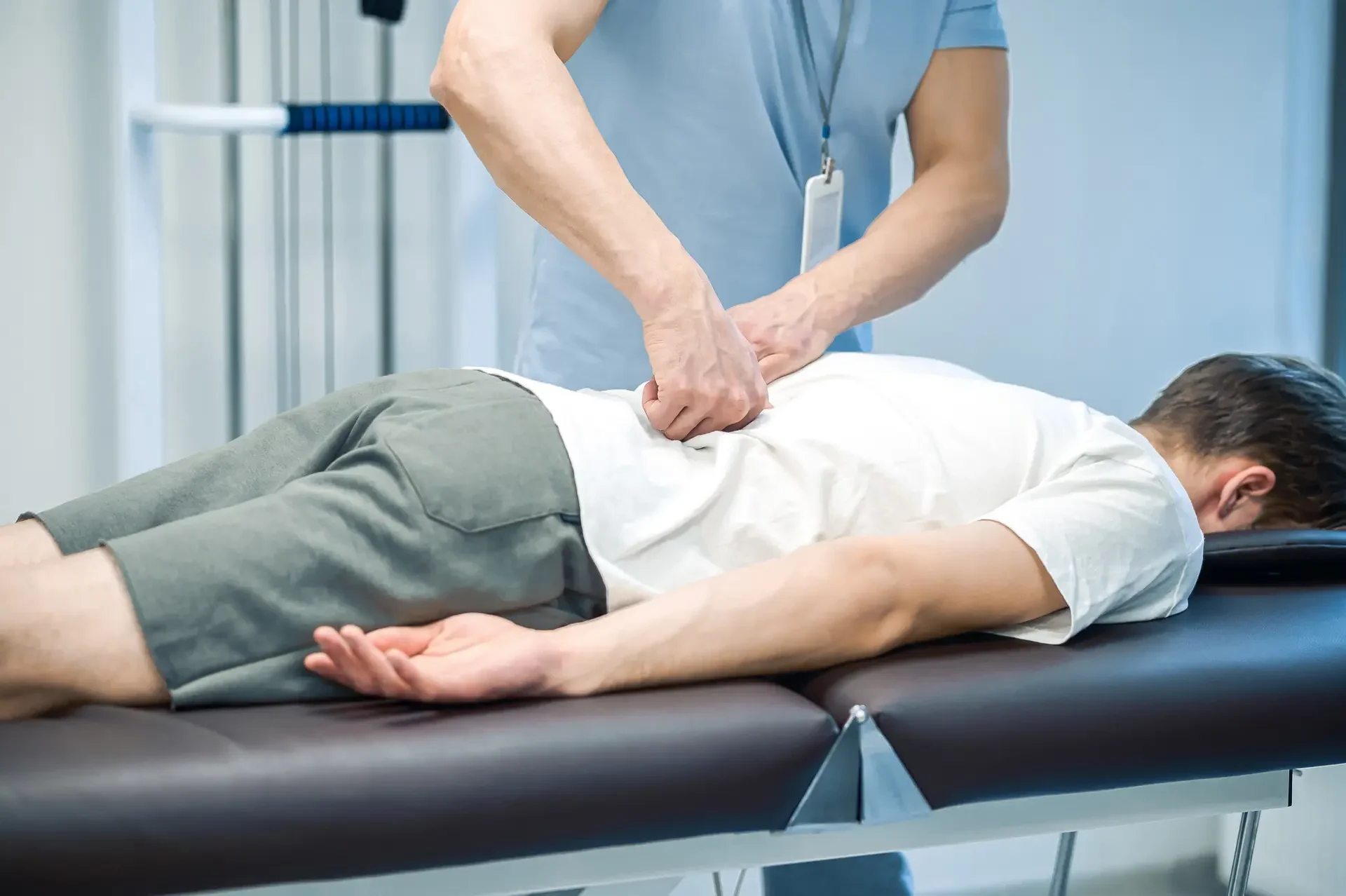
A manual therapist performs a back massage on a patient lying on a table.
A person is receiving a therapeutic back massage. This image is likely used to represent a service offered by the website, such as massage therapy for relaxation and stress management.
The Process

How massage therapy works


Massage therapy sessions for anxiety focus on creating comfort, ensuring safety, and supporting your treatment goals.

1 Discuss your goalsA short check-in helps set the focus—easing withdrawal discomfort, reducing anxiety, improving sleep, or simply feeling grounded before group therapy.
2 Create a calming environmentYou’ll lie down or sit comfortably in a quiet, low-light room. Soft music or silence is your choice, and you can pause at any time.
3 Tailor the touchYour therapist uses light to moderate pressure first, checking in often. If deeper work is helpful, pressure increases slowly and only with your consent.
4 Regulate and rebalanceTechniques encourage your body’s relaxation response, which can lower muscle guarding and settle a keyed-up nervous system so counseling and groups feel easier to engage in.
5 Observe and adjustYour therapist watches breathing and body cues, adapting hand placement and pacing to keep you comfortable from start to finish.
6 Integrate the experienceBefore you leave, you’ll get simple tips—like stretches, hydration, or a breathing exercise—so the benefits last into the rest of your day.
What We Treat

What massage therapy can help with


Massage therapy is a supportive, hands-on option that can reduce discomfort and stress while you focus on recovery.

Headaches and muscle painHeadaches and muscle pain

Releasing tight neck, shoulder, and jaw muscles may ease tension-type headaches and everyday aches, complementing your medical care.

Early recovery discomfortEarly recovery discomfort

Targeted work can reduce muscle aches, restlessness, and tension that often appear during detox or early sobriety, so you can focus on healing.

Depression and low energyDepression and low energy

Improved sleep and circulation may ease heaviness in the body, making it a little easier to get moving and engage in daily routines.

Anxiety and stressAnxiety and stress

Massage therapy for anxiety uses gentle, rhythmic techniques that lower physical signs of stress, helping you feel calmer and more present during therapy sessions.

Sleep troublesSleep troubles

By downshifting the nervous system, massage can help you fall asleep faster and wake up less tense, which supports mood and focus the next day.

Care that wraps around you


Massage therapy fits into a broader, evidence-based program that may include individual therapy, group support, medication-assisted treatment when appropriate, family education, and wellness options like yoga or meditation. Your clinical team helps decide when to add massage so it supports your progress—not just for short-term relief, but to make the rest of treatment more effective and sustainable.

Serene space for relaxation
Trained professionals
Caring for your physical health

Accessible Everywhere

Locations offering massage therapy

Choose from welcoming, private treatment centers designed for calm and comfort. Massage therapy is available at select The Haven Detox Group offers locations across several regions and can be added to your plan when clinically appropriate. Availability may vary by site, so reach out and a friendly admissions specialist will confirm current options and help you find the nearest fit for your needs.

Space Available

Insurance Accepted

Massage Therapy Offered

Space Available

Insurance Accepted

Space Available

Insurance Accepted

Space Available

Insurance Accepted

Space Available

Insurance Accepted

Space Available

Insurance Accepted

Space Available

Insurance Accepted

Space Available

Insurance Accepted

TRUSTED CARE TEAM

Our massage therapy expertise

Massage therapy at The Haven Detox Group is provided by licensed massage therapists who understand addiction medicine and mental health care. They coordinate with your clinical team, respect personal boundaries, and work within your treatment plan so sessions are safe, trauma-aware, and aligned with your goals. Facilities hold respected healthcare accreditations, reflecting a commitment to safety and quality.

Massage therapy success stories

A Google profile icon

Sean D.

From having a barber come fix your hair to having a massage therapist and chiropractor. This place really has it all. Staff are helpful as could be and the rooms you stay in are beautiful along with your own TV.

Profile icon for a Google Review

Blake W.

There are afternoon luxuries like massages and a chiropractor, evening activities like bingo and arts and crafts. Overall, my time here has passed very quickly, and I can say I got what I needed and met a number of wonderful people.

Google Review

Kasey J.

I really enjoyed the food and the therapists here. They give you the chance to get haircuts and massages, too.

Affordable Care

Insurance coverage & accessibility for massage therapy

Coverage varies by plan, but massage therapy can be covered by insurance. Some Medicare Advantage and state Medicaid plans may cover it when it’s medically necessary and delivered by qualified clinicians. Many employer and individual plans only cover massage as part of a physician-directed physical therapy or rehabilitation plan, though benefits vary by policy and location. The Haven Detox offers a free, confidential benefits check before you start and will explain any out-of-pocket costs in plain language. Flexible self-pay options are available if needed.

AmeriHealth
Multi Plan Insurance Logo
United Health Care Insurance logo
Blue Cross Blue Shield logo
Tricare logo
Beacon health logo

FAQs about massage therapy

Is massage therapy evidence-based?

Research suggests massage therapy can help with several kinds of pain and may offer short-term relief for stress and anxiety. A 2018–2023 evidence map of systematic reviews found supportive but variable quality across pain conditions, and the National Center for Complementary and Integrative Health summarizes where the science is strongest and where it’s still emerging. These resources can help you make an informed decision.

What does a session feel like in treatment?

Expect a calm room, a short conversation about goals, and pressure that stays within your comfort level. You can speak up or pause at any time.

Can massage help during detox or early recovery?

It may reduce muscle tension, restlessness, and stress so you can participate more fully in therapy and rest more comfortably. Your medical team will decide when it’s appropriate to add.

Who provides the massage?

Licensed massage therapists with training in trauma-aware, addiction-informed care provide sessions and coordinate with your clinical team to keep treatment safe and consistent with your plan.

What if I have trauma or prefer limited touch?

You stay in control. Sessions can be fully clothed, focus on areas like hands, feet, or shoulders only, and include frequent check-ins. Consent is ongoing and you can change your mind at any time.

How often should I schedule sessions?

Many people start with brief sessions once or twice a week during intensive treatment, then taper as symptoms improve. Your care team will personalize a plan that matches your goals and energy.

Are there times when massage isn’t recommended?

Yes. Certain medical issues—such as fever, severe skin conditions, some injuries, or blood-clot risks—may mean waiting or modifying techniques. Your provider will review your health history first to keep you safe.

What should I wear and do after?

Wear comfortable clothing. Afterward, drink water, move gently, and notice how your body feels. A short walk or light stretching can help the benefits last.

Will it hurt?

Therapeutic massage should not be painful. You choose the pressure. Discomfort is a sign to ease up or switch techniques.

Have Questions? Let’s Talk!

Let’s talk about what’s going on — no judgement. (We’ve been there before ourselves.) No one will know you inquired, and there is no commitment to call.

24/7 Support

Need someone to talk to? We’re always here—day or night.

No Commitment

Ask questions, get guidance—no pressure, no obligation.

100% Private

Your story stays with us. Confidential support, always.

Haven Detox doctor providing compassionate medical detox care.

Why Wait?
Get Answers Now

You’re here because you know you need help. Let’s talk through it together. There’s no commitment and it’s 100% confidential even to check your insurance.

100% Confidential