100% Confidential
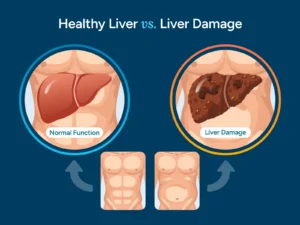


Wet brain is a form of alcohol-induced dementia caused by years of repeat and heavy drinking. It happens suddenly. Effects to memory, walking & seeing are obvious.
Also known as Wernicke-Korsakoff syndrome, wet brain stems from thiamine (vitamin B1) deficiency usually caused by alcoholism.
In rare cases, non-alcohol-related causes lead to wet brain like AIDS, advanced cancers, severe anorexia or patients whose bodies do not absorb food properly.
Yes, all forms of alcohol cause a thiamine deficiency, including beer.
People vary in their susceptibility to thiamine deficiency. For some people, it’s triggered more easily than others.
Risk factors include:
The initial symptoms are obvious and last a few days or weeks. All symptoms don’t always occur.
After these symptoms, around 85% of surviving patients experience the following permanent symptoms: ⓘ
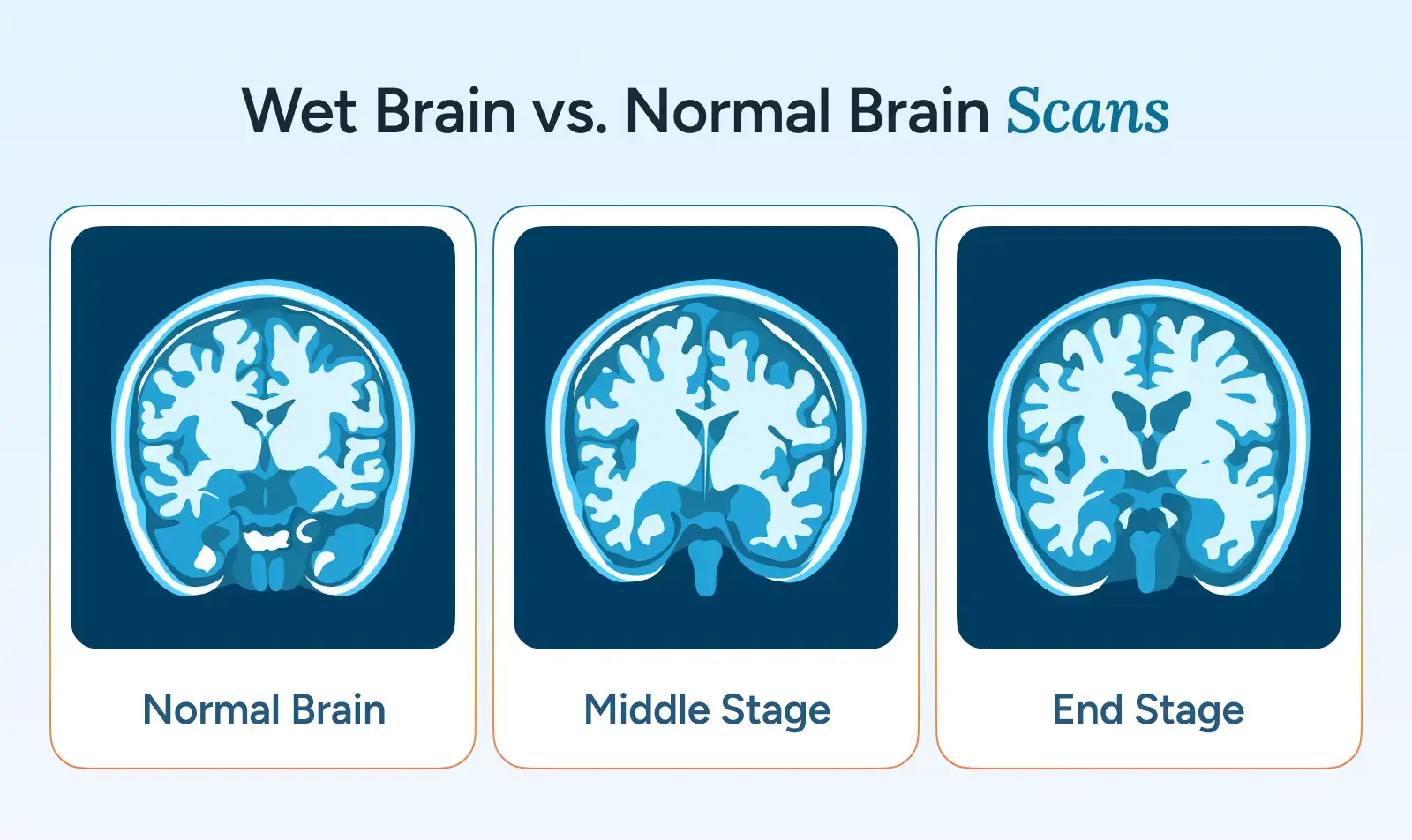
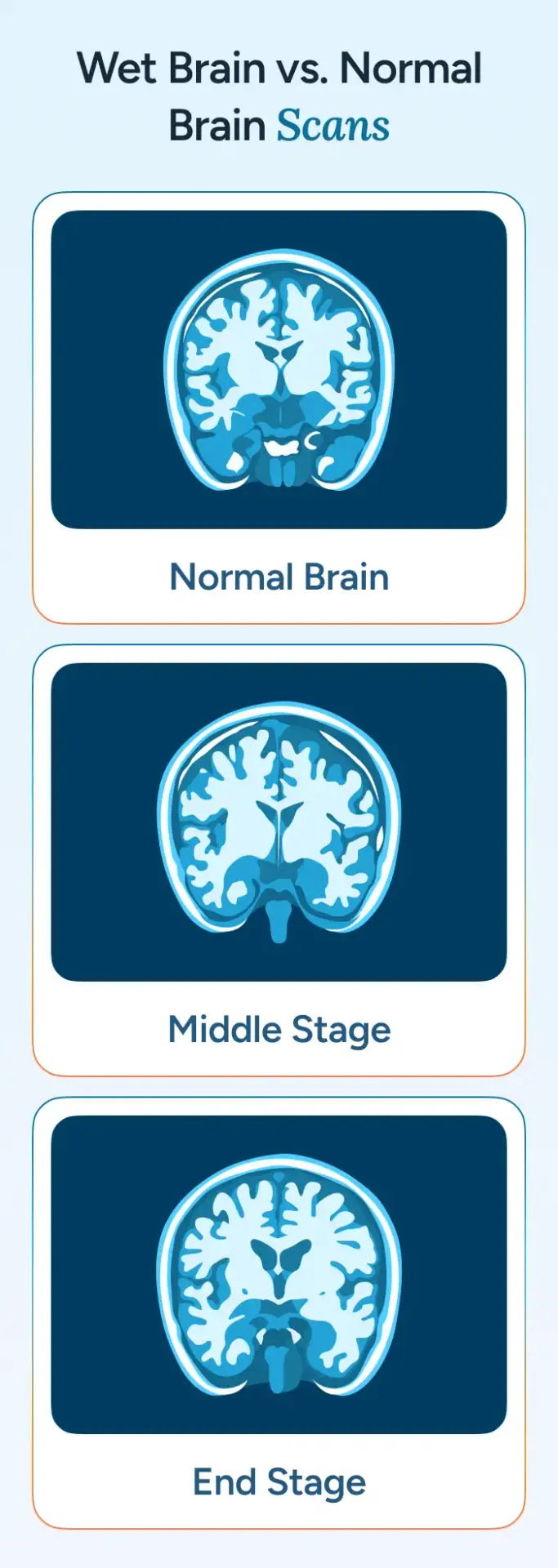
There are no laboratory tests or neuroimaging procedures to confirm that a person has wet brain. A diagnosis comes from symptoms and confirmation of heavy, daily drinking.
The Alzheimer’s Association warns that diagnosis can be complicated because of intense intoxication or withdrawal symptoms like uncontrollable alcohol shakes. ⓘ
If you had Wernicke-Korsakoff Syndrome (wet brain), you would know something was wrong because the symptoms are noticeable and happen quickly.
For example, people with wet brain experience multiple days in a row with limited muscle movement or trouble seeing with no other explanation other than years of daily drinking.
While wet brain is considered a rare disease, up to 80% of alcoholics have a thiamine deficiency. This deficiency can cause brain damage outside of a full wet brain diagnosis.
Wet brain is a “street” term for Wernicke-Korsakoff syndrome. Wernicke and Korsakoff are two distinct phases of the same illness.
In rare cases, Korsakoff Syndrome can develop skipping the Wernicke Encephalopathy phase.
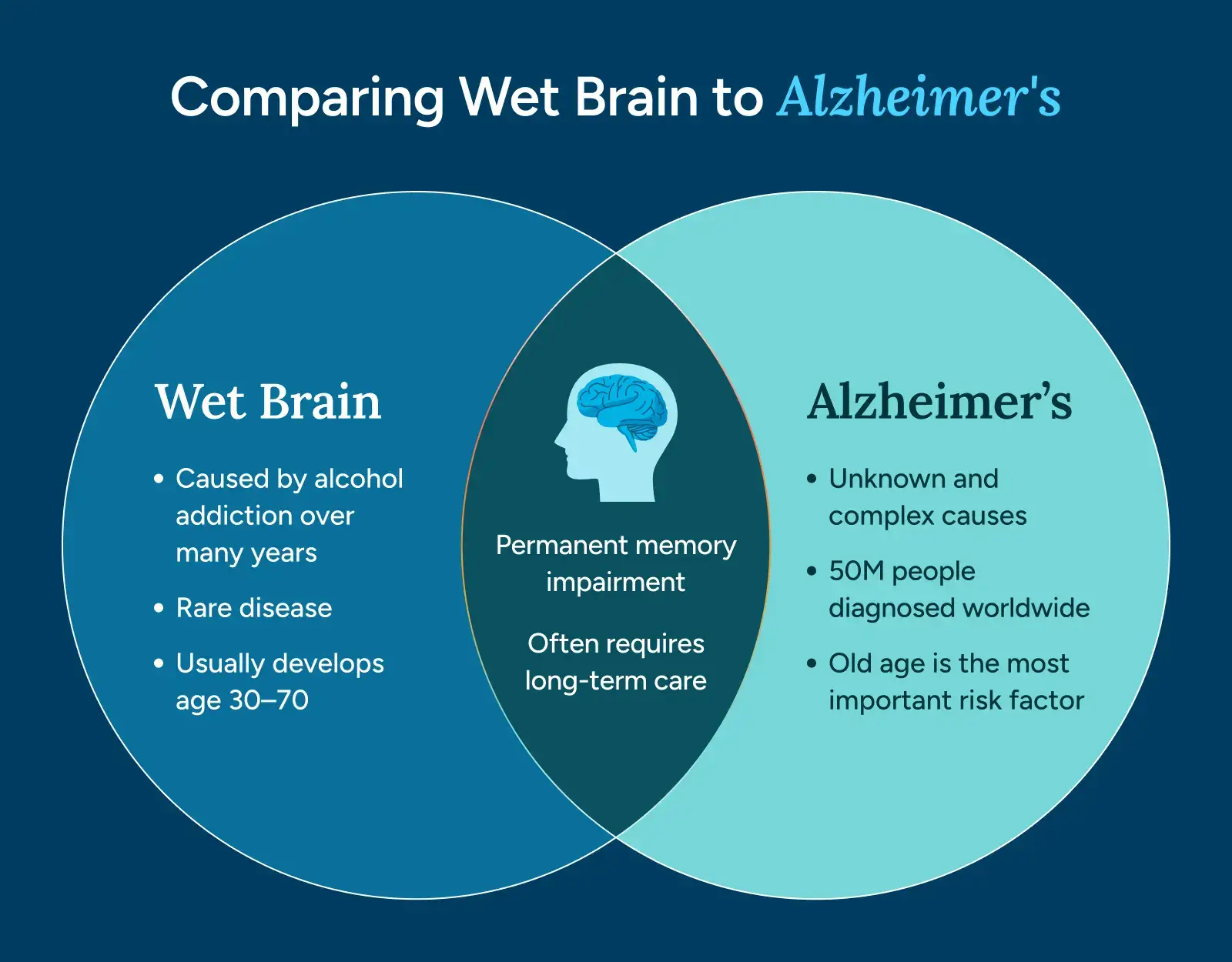
Less than 2% of the population suffers from wet brain, so the disease is considered rare. Most alcoholics do not make it to the wet brain stage of alcoholism.
According to the National Institute on Alcohol Abuse and Alcoholism, other organs, like the liver or pancreas, are more likely to give out first. ⓘ
See also: Early Signs of Liver Damage
When treated in the acute stage, symptoms like confusion and problems with balance sometimes clear up in days or weeks. Though, damage even with treatment can be irreversible.
The more days that pass without treatment or with continued drinking, the more likely the damage will be permanent.
Acute Phase
Maintenance Phase
The exact treatment plan may vary based on the severity of symptoms and individual patient needs, guided by a healthcare professional. Alcohol consumption needs to stop prominently, even when using oral thiamine.
People with late-stage, alcohol-induced wet brain (Korsakoff syndrome) resemble other dementia patients. In fact, around 25% of those diagnosed with wet brain require long-term care facilities, like nursing homes.
While the memory difficulties are usually severe with wet brain, other thinking and social skills are unaffected.
For example, individuals may carry on a coherent conversation but moments later are unable to recall that the conversation took place or with whom they spoke.
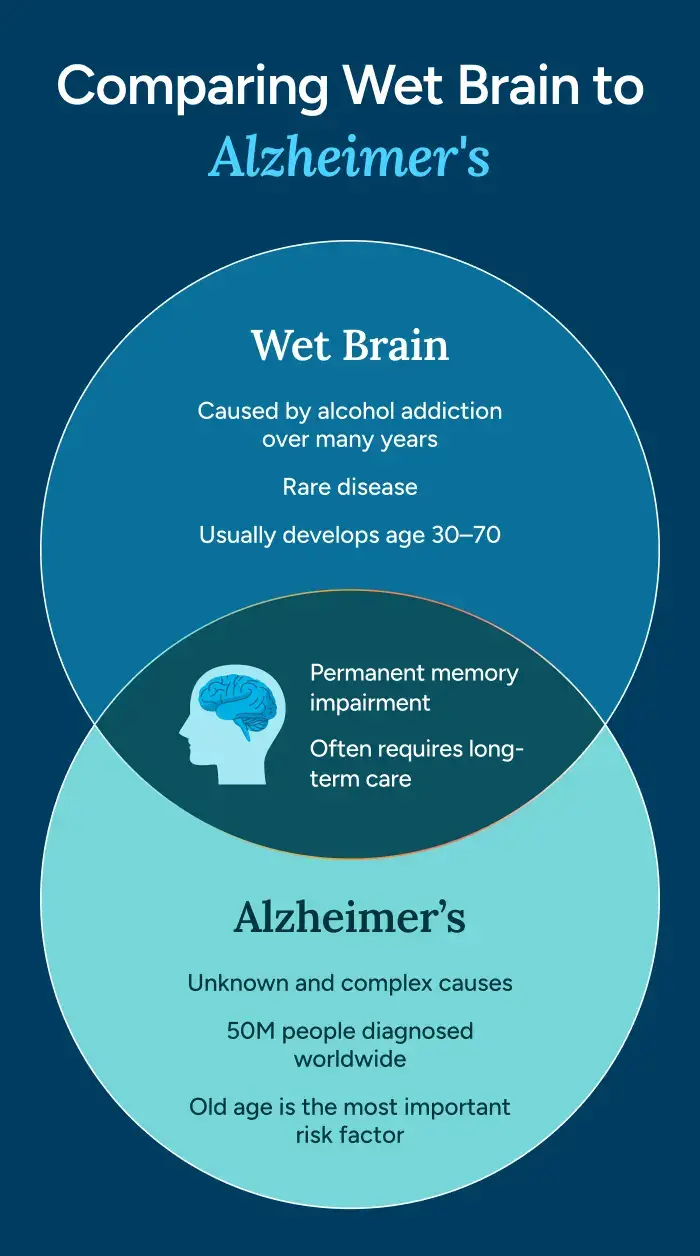
You won’t suffer permanent brain damage from one night of drinking unless you were hospitalized for an alcohol-related injury or overdose.
Overdoses happen when there’s so much alcohol in the blood that the brain has to shut down vital functions like breathing and heart rate. Not everyone who survives an alcohol overdose has permanent brain damage.
Most permanent brain damage from alcohol, like wet brain, happens over years of continuous drinking and chronic relapse. By the time someone becomes dependent on alcohol, there are serious changes to the brain. (See addiction and the brain).
Yes, 487 people die from excessive drinking every day in this country. ⓘ
If you’re exceeding the CDC recommendation of no more than one drink per day for women and two drinks per day for men, then you are at risk.
Daily alcohol drinking beyond these limits eventually causes permanent damage to the following organs until one or more start shutting down:
Wet brain is just one example of the consequences of untreated alcoholism.
There is no set amount per day or length of time at which daily drinking turns deadly. Most alcohol-related damage is reversible until (without warning) it’s not. Even mild alcohol symptoms like anxiety (known as hangxiety) can be harmful to long-term health.
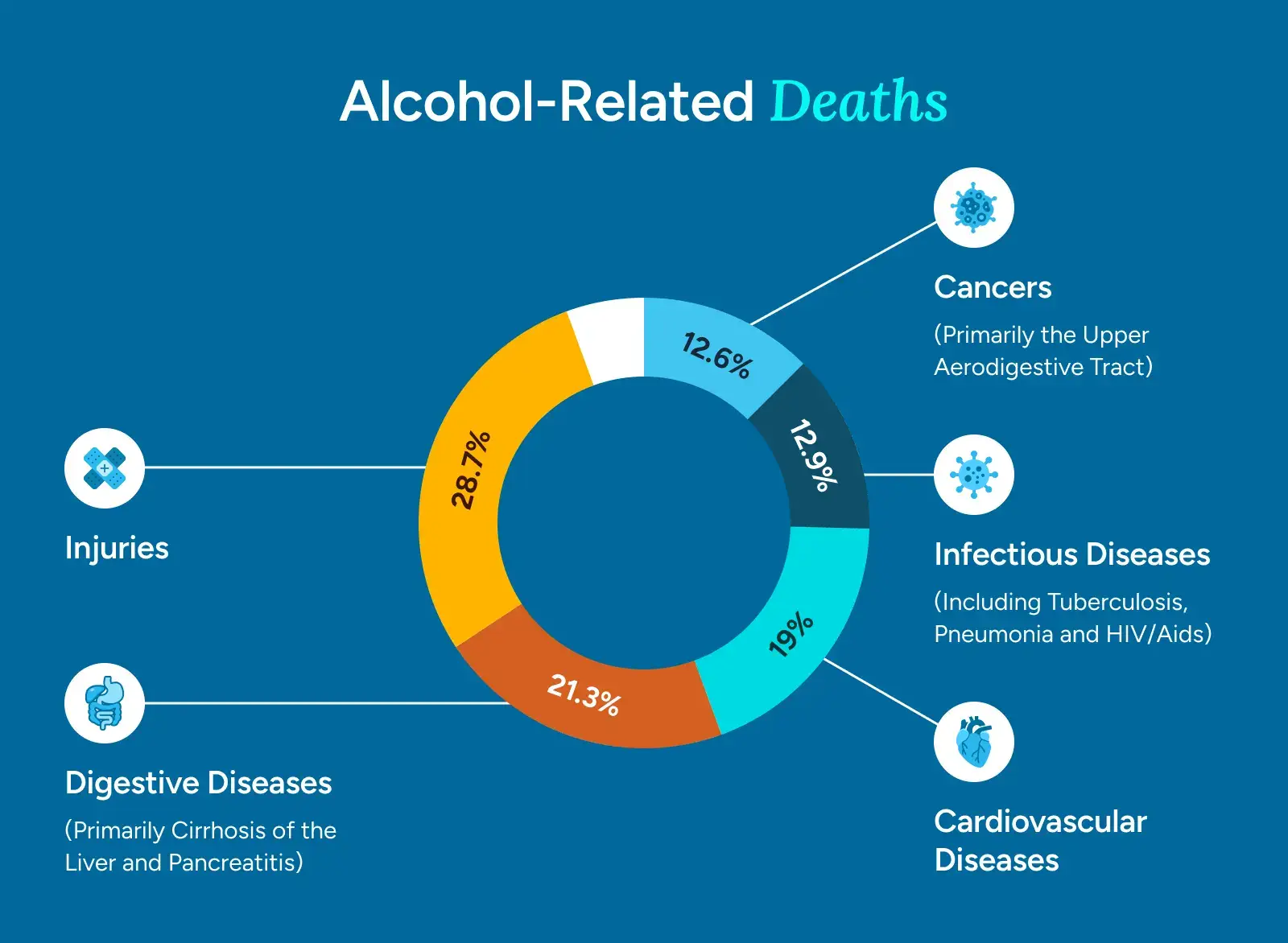
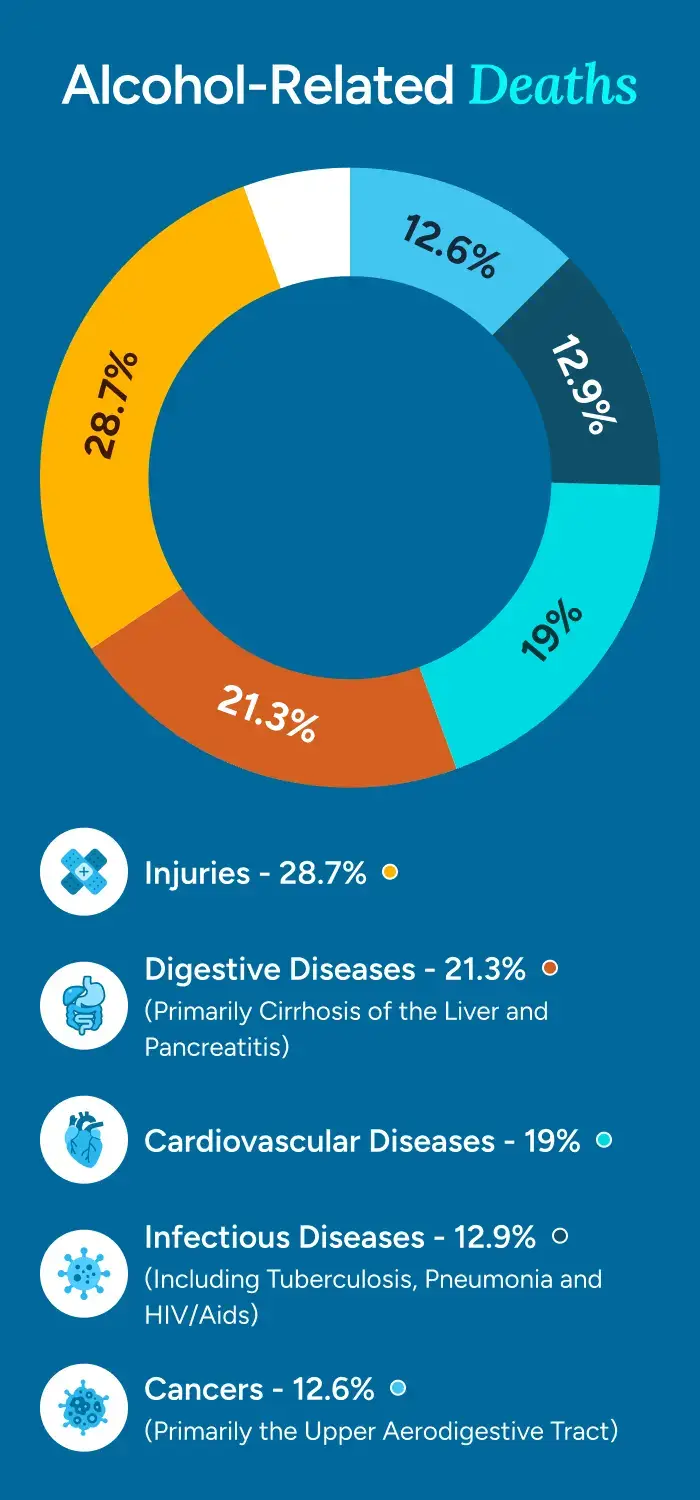
The best way to prevent wet brain is to stop drinking alcohol. Wet brain is just one very real consequence of continued drinking.
Sources