Holistic Therapy

Art Therapy Programs for Creative Addiction Recovery

Some things are hard to say out loud—especially in the middle of treatment. Art Therapy gives you another way to express what’s underneath, without needing to find the perfect words. Whether you’re feeling overwhelmed, disconnected, or stuck, creating something with your hands can help you feel more present, more in control, and more understood. You don’t need to be an artist. You just need space to feel safe, supported, and heard in a different way.

Holistic therapy certified by

Joint Commission accredited treatment facility

Understanding Art Therapy

Art Therapy gives you a different way to process what’s going on—especially when talking feels too hard or too much. With simple tools like pencil, paint, or clay, you can express emotion, work through stuck points, and begin to feel more grounded. No art skills needed.

Guided Sessions, Your Experience

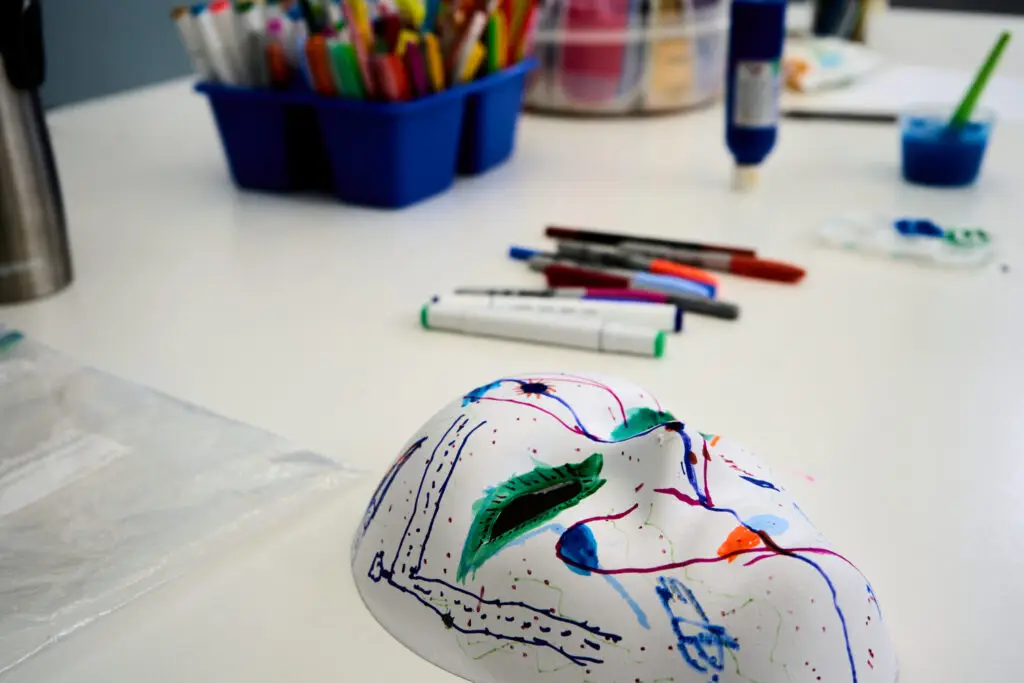
Each session is led by a trained therapist or group facilitator with a planned activity to support your healing. You might be asked to draw a feeling, collage a timeline, or work with clay to explore tension. You still choose how deeply to engage, what to share, and when to pause.


Grounded in Research

Art Therapy isn’t just expressive—it’s evidence-based. A 2024 meta-analysis published in Frontiers in Psychiatry found that visual art therapy improved symptoms of depression, anxiety, and trauma across 37 clinical studies. Creative work has also been shown to regulate the nervous system and improve treatment engagement—especially for people who struggle to open up in traditional talk therapy.

Seeing What’s Beneath the Surface

Art has a way of bringing up things you didn’t know you were holding. A color, image, or shape might reflect a memory, a pattern, or a shift in how you see yourself. You and your therapist explore these moments together—without overanalyzing or rushing.

How Art Therapy Works

Step 1: Start with a Creative Prompt

Each session begins with a guided activity led by your therapist or group facilitator. You might be invited to draw a feeling, paint a memory, or shape clay based on a prompt like “what safety looks like.” The goal isn’t to make something perfect—it’s to explore what’s going on inside.

Step 2: Use Art to Express What’s Hard to Say

As you create, you may notice emotions coming up that felt blocked before. Without needing to explain everything out loud, you can begin to express stress, sadness, fear, or even hope—just by moving your hands and staying present.

3 Icon

Step 3: Talk Through What You Created

If you feel comfortable, you and your therapist will reflect on the work together. What stands out? What did you feel while creating it? You’re always in control of what you choose to share. This part of the session helps connect your art to your emotions, values, or goals.

4 icon

Step 4: Build Coping Tools That Work for You

You’ll learn creative techniques you can use outside of therapy—like drawing when you're overwhelmed, using color to settle your thoughts, or journaling through collage. These routines can help with stress, cravings, sleep, or difficult emotions between sessions.

5 icon

Step 5: Track Growth Over Time

Art gives you a visual record of your progress. Over time, your pieces may shift in tone, theme, or detail—showing emotional growth even when words fall short. Many people find their artwork becomes a reminder of how far they’ve come.

The Haven Detox logo
Get Cost / Coverage Answers Upfront

Your information will be kept private

Our Art Therapy Expert

Art Therapy at The Haven Detox is led by board-certified art therapists with graduate training in both psychology and expressive arts. They combine clinical expertise with creative guidance to ensure each session is safe, supportive, and aligned with your overall treatment plan.

Ellaine Peck, ATR

Art Therapist

Conditions Art Therapy Helps With Recovery

Art Therapy offers a creative, nonverbal path to healing—where emotions, identity, and recovery become clear without having to say everything out loud. It’s a supportive tool within a broader treatment plan that includes therapy, medical care, and holistic services.

Alcohol Use

Art provides a safe, judgment free space to explore how drinking has affected your life. It can help process shame, identify triggers, and strengthen your connection to what matters more than alcohol.

Drug Use

If you're in recovery or feeling stuck, art helps you express the emotional weight of drug use—especially when it’s hard to talk about. Art can support reflection, motivation, and long-term coping.

art therapy for depression

Creating something—no matter how small—can bring relief. Art Therapy supports momentum, emotional awareness, and self-expression when depression makes motivation hard to find.

Anxiety Disorders

When your thoughts are racing or your body feels tense, creative routines help regulate your nervous system. Art gives you a way to pause, reflect, and feel more grounded—one brushstroke or line at a time.

PTSD and Trauma

When verbal processing feels too intense or unsafe, art offers another way to begin. With the help of a trained therapist, imagery and hands-on materials allow you to express memories at a pace that feels right.

Borderline Personality Disorder (BPD)

For those navigating shifting emotions or identity struggles, Art Therapy helps track your internal experience, calm emotional highs and lows, and build insight without judgment.

How Art Therapy Fits Into Your Treatment Plan

Art Therapy at The Haven Detox is part of a full, personalized approach to care. Sessions are guided by trained professionals and designed to support your emotional health alongside medical treatment, talk therapy, and holistic services like yoga, massage, and meditation. Whether you’re in detox or residential care, art helps you express what’s hard to say or even hard to say.


Creative Outlet for Emotions

Socialize & Meet Your Peers

Relaxing, Judgment-Free Environment

Locations Offering Art Therapy

Our spaces are designed to feel welcoming and private so you can explore creativity without judgment. If you’re curious whether it’s offered near you, our admissions team can let you know what’s available.

The Haven Detox sign at the addiction treatment center in Blackwood, New Jersey

The Haven Detox - New Jersey

Space Available

Insurance Accepted

Art Therapy Offered

Outdoor seating area at The Haven Detox facility in West Memphis, Arkansas

The Haven Detox - West Memphis

Space Available

Insurance Accepted

Art Therapy Offered

Entrance to The Haven Detox treatment center in West Palm Beach, Florida

The Haven Detox - Florida

Space Available

Insurance Accepted

Art Therapy Offered

Exterior view of The Haven Detox treatment center in Worcester, Massachusetts

The Haven Detox - New England

Space Available

Insurance Accepted

Art Therapy Offered

Exterior of The Haven Detox in Little Rock, Arkansas – inpatient detox center

The Haven Detox - Little Rock

Space Available

Insurance Accepted

Aerial view of The Haven Detox addiction treatment facility in Green Valley, Arizona

The Haven Detox - Arizona

Space Available

Insurance Accepted

An interior photo of The Haven Detox's treatment facility in Puerto Rico

The Haven Detox - Puerto Rico

Space Available

Insurance Accepted

How Art Therapy Helped When Words Weren’t Enough

Profile icon for a Google Review

Kayleigh L.

They have an art therapy class which was super fun. No other detox I’ve been to has offered stuff like this. Thank you Haven for taking care of me during my stay there.

Rena M.

The staff of clinicians, therapists and case managers are all experienced people that show unconditional care and emotional support. They offer art therapy, music therapy, group and individual therapy. There are so many amenities to keep yourself busy and building a community with other clients that can truly last a lifetime.

W icon

Whistlin-Goofus

I have struggled for many years to find a therapist and approach that works for me, but I have seen extensive improvement since beginning art therapy. Art allows for a medium in which we can express ourselves in ways words may not be able to convey.
Aetna insurance logo
Multi Plan Insurance Logo
United Health Care Insurance logo
Blue Cross Blue Shield logo
Tricare logo
Beacon health logo

Insurance Coverage for Art Therapy

Insurance coverage for Art Therapy depends on your plan and how it fits into your overall treatment. In many cases, it’s included when part of a structured program for mental health or substance use. Our team will check your benefits ahead of time, explain what’s covered, and walk you through any out-of-pocket costs—so you can feel informed before starting care.

100% Confidential

Frequently Asked Questions About Art Therapy

Is there evidence that Art Therapy works?

Yes. A 2024 review in JAMA Network Open found that visual art therapy was linked with significant improvements in mental health outcomes, including reduced symptoms of anxiety, depression, and trauma. One clinical trial showed that women with anxiety experienced lasting benefits after just 10–12 sessions.  

Do I need to be good at art for Art Therapy to work?

Not at all. You don’t need any art experience. Art Therapy is about expression, not talent. Whether you’re sketching, shaping clay, or choosing colors, the focus is on what you’re feeling—not how your art looks.

Is Art Therapy covered by insurance?

In most cases, yes—especially when it’s part of a licensed treatment plan for mental health or substance use. Our team will check your benefits ahead of time and explain any costs so you can move forward with clarity.

What happens in a typical Art Therapy session?

Your therapist or group facilitator introduces a creative activity—like drawing how stress shows up in your body or creating a collage around a theme. You decide how you want to engage, what to share, and how much to talk. Sessions are guided but flexible.

Can Art Therapy bring up strong emotions?

Yes, especially when exploring grief, trauma, or early recovery. Your therapist is trained to help you stay grounded with calming techniques and built-in breaks. You’ll never be pushed past your comfort zone.

Is Art Therapy helpful during detox or early recovery?

Yes. Many people feel shut down or overwhelmed during detox. Art Therapy gives you a hands-on way to release emotions, reduce cravings, and feel more connected—without needing to talk.

How does Art Therapy help with cravings or urges?

Creative routines can interrupt the craving cycle. For example, sketching a “craving wave” helps you ride it out while staying present. Using color or texture can also help shift focus and settle the nervous system.

What if making art feels awkward or I get stuck?

That’s completely normal. You can start small—choosing one color, making a few marks, or just working quietly. You’re always free to pause, reflect, or talk things through at any time.

Will my therapist tell me what my art means?

No. Your therapist may ask what your artwork means to you, but they won’t impose interpretations. You’re the expert on your own experience.

How soon will I notice benefits?

Some people feel calmer or more focused after just one or two sessions. Others notice deeper insight and emotional relief over time. Your therapist will help track what’s working and adjust as needed.

Is Art Therapy inclusive of my culture, faith, or identity?

Yes. Sessions are tailored to what matters to you. Your therapist will honor your values, imagery, and preferences without assumptions or judgment.

Do I need to bring art supplies? Do I keep my artwork?

All materials are provided. You can choose to take your artwork home, leave it behind, or store it for future sessions—whatever feels best to you.

Have Questions? Let’s Talk!

Call the free 24/7 helpline to get answers and a plan for treatment that’s best for your specific medical and insurance situation — even if it’s not with us.

24/7 Support

Need someone to talk to? We’re always here—day or night.

No Commitment

Ask questions, get guidance—no pressure, no obligation.

100% Private

Your story stays with us. Confidential support, always.

{{insurance-name}} Insurance Covers Treatment Here (Up to 100%)

Checking your insurance is private and without commitment.

There’s no catch. Checking your insurance is simply a way to see what your plan covers — it doesn’t lock you into treatment, notify anyone, or cost you anything. You get answers upfront to decide what makes sense for you.

Protecting your privacy matters! No information or notifications are ever sent to your employer or family — whether you check your insurance online or call. Everything is handled through secure, encrypted systems that meet strict medical privacy laws. You stay in control of your information! 

Luckily, most insurance policies cover treatment here. Depending on the healthcare you’ve already had this year, costs could even be zero. Instead of worrying, let’s just find out what your plan covers. 

Most likely. We work with major providers like Cigna, Aetna, and United Healthcare, public insurances like Tricare and tribal plans, and even smaller plans like Surest Bind and Harvard Pilgrim. The quickest way to know for sure is to check online or call. It’s a quick, private way to understand what is covered upfront.

Verifying your insurance isn’t a commitment to start treatment — it’s simply a way to see what your options are. Knowing your coverage ahead of time helps you make more informed, confident decisions. It also helps flag a spot, so you’re able to get right in if you ever do decide you’re ready.  

You need your policy number to check your specific policy online. If you want general information, just call.  You likely have questions beyond insurance anyway. Reaching out now helps you figure out the right fit if or when you’re ready. You don’t have to put off the call until you’re in crisis. Calling is not scary, I promise!

Call Now to Talk Through It