

 100% Confidential

Get Help Today 24/7
Get Help Today 24/7
Oklahoma Addiction and Mental Health Treatment Resource Guide
Finding behavioral health resources in Oklahoma can feel overwhelming, especially when help is needed quickly. This guide explains how drug addiction and mental health treatment work in Oklahoma, including treatment levels, SoonerCare benefits, state-funded programs, free community resources, crisis services, insurance coverage, and questions to ask before entering care.
It also introduces The Haven Detox Oklahoma Mental Health and Addiction Rehab, part of The Haven Detox Group, where patients can receive medically supported detox, residential treatment, and coordinated care for co-occurring mental health concerns.
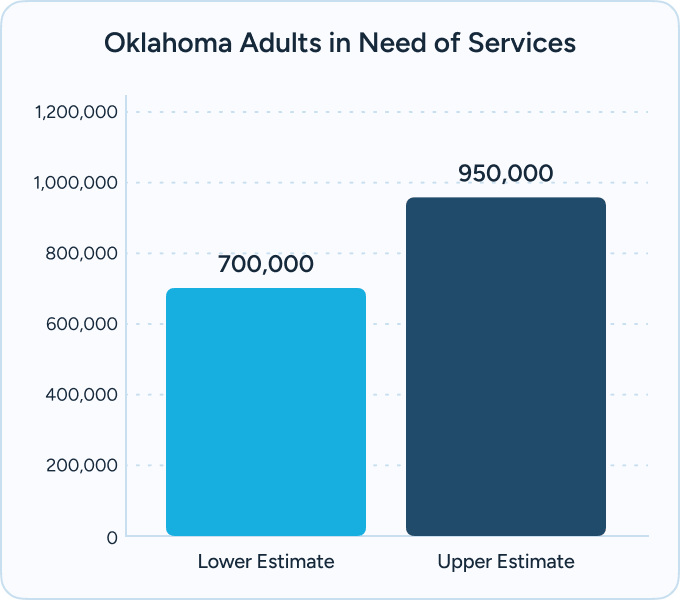
Finding addiction or mental health treatment in Oklahoma can feel overwhelming, especially when help is needed quickly. According to the Oklahoma Department of Mental Health and Substance Abuse Services, 22.2% of Oklahoma adults experienced a mental illness based on 2023 data. The department estimates that between 700,000 and 950,000 adults in the state need mental health or substance use services, and most are not receiving the care they need.
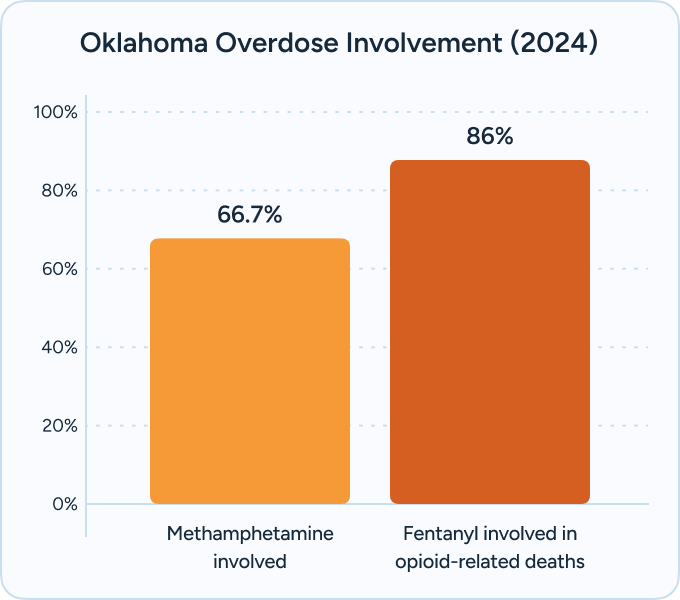
Substance use can also have fatal consequences. Oklahoma recorded 1,019 drug overdose deaths in 2024, equal to an age-adjusted rate of 25.5 deaths per 100,000 residents, according to the Centers for Disease Control and Prevention. Methamphetamine was involved in two out of every three Oklahoma overdose deaths that year, while fentanyl was involved in 86% of opioid-related overdose deaths.
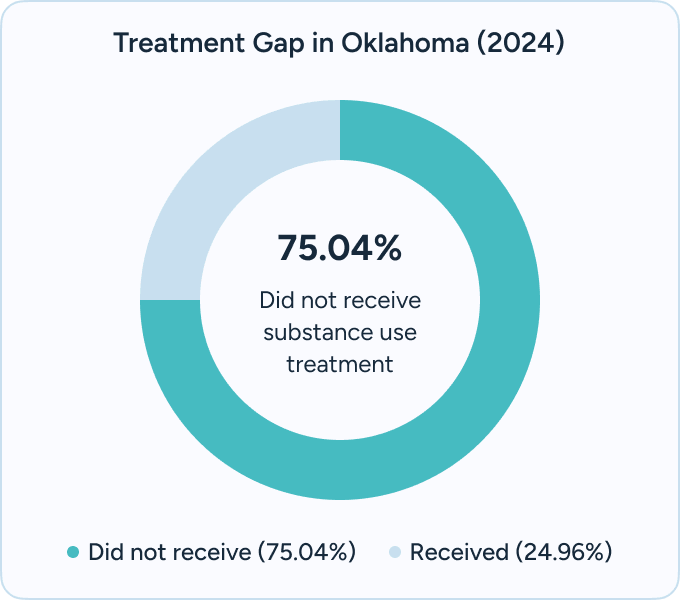
Despite the need, many people never receive treatment. In 2024, 75.04% of Oklahomans age 12 and older who were classified as needing substance use treatment did not receive it, according to the Substance Abuse and Mental Health Services Administration.
Knowing that help is needed does not always make the next step clear. The Haven Detox Oklahoma Mental Health and Addiction Rehab provides a clear path forward for patients who need medical detox, residential addiction treatment, and coordinated care for co-occurring mental health concerns.
Oklahoma’s behavioral health statistics show both the scale of the need and the different ways people may enter the treatment or crisis-support system. Some people need ongoing mental health care. Others need immediate help with withdrawal, overdose risk, severe psychiatric symptoms, housing instability, or another problem that makes it difficult to remain safe and stable.
700,000 to 950,000 Oklahoma adults may need services: The Oklahoma Department of Mental Health and Substance Abuse Services estimates that hundreds of thousands of adults need mental health or substance use care, and most are not receiving the treatment they need.
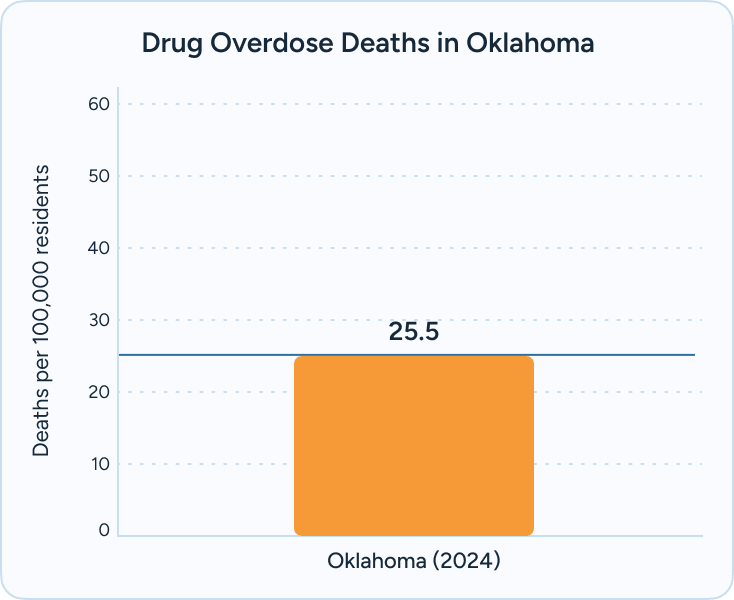
25.5 drug overdose deaths per 100,000 residents: This was Oklahoma’s final 2024 age-adjusted overdose death rate, according to the Centers for Disease Control and Prevention.
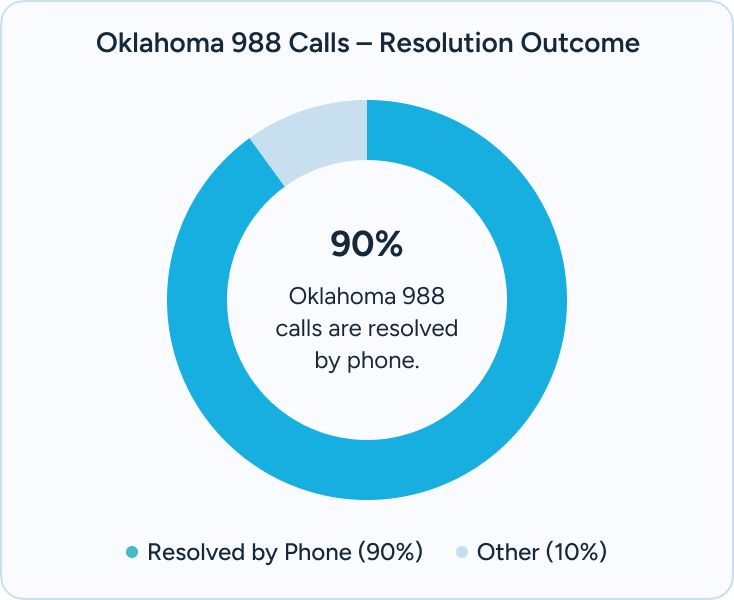
About 90% of Oklahoma 988 calls are resolved by phone. Most callers receive enough support during the initial conversation that an in-person crisis response is not required. People who need additional help may be connected with a local mobile crisis team or behavioral health provider through Oklahoma’s Comprehensive Crisis Response system.
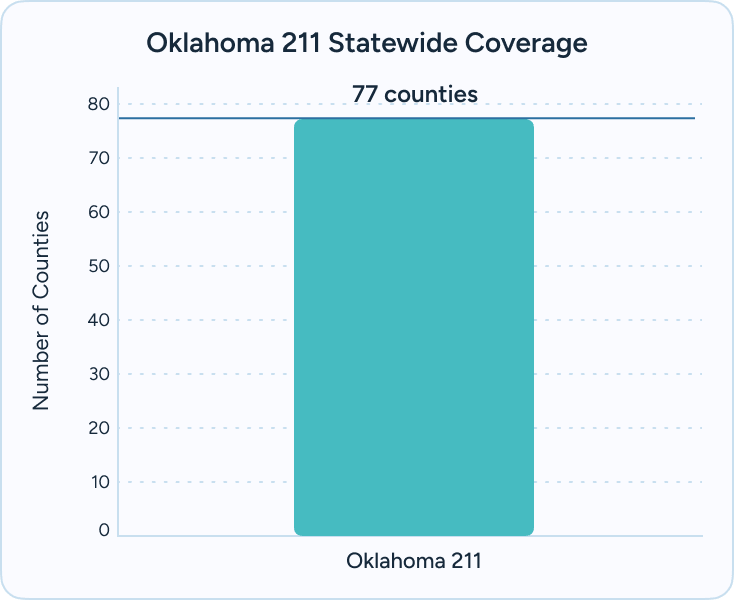
Free help is available throughout all 77 counties: Oklahoma 211 operates 24 hours a day and connects residents with local health care, housing, food, transportation, and other social-service resources.
These numbers show why timely access matters, but statistics cannot determine which service is safest for one person. A medical and clinical assessment can evaluate withdrawal risks, substance use, psychiatric symptoms, immediate safety concerns, and the appropriate level of care. Depending on the situation, the right starting point may be medical detox, residential treatment, outpatient support, a crisis center, or emergency hospital care.
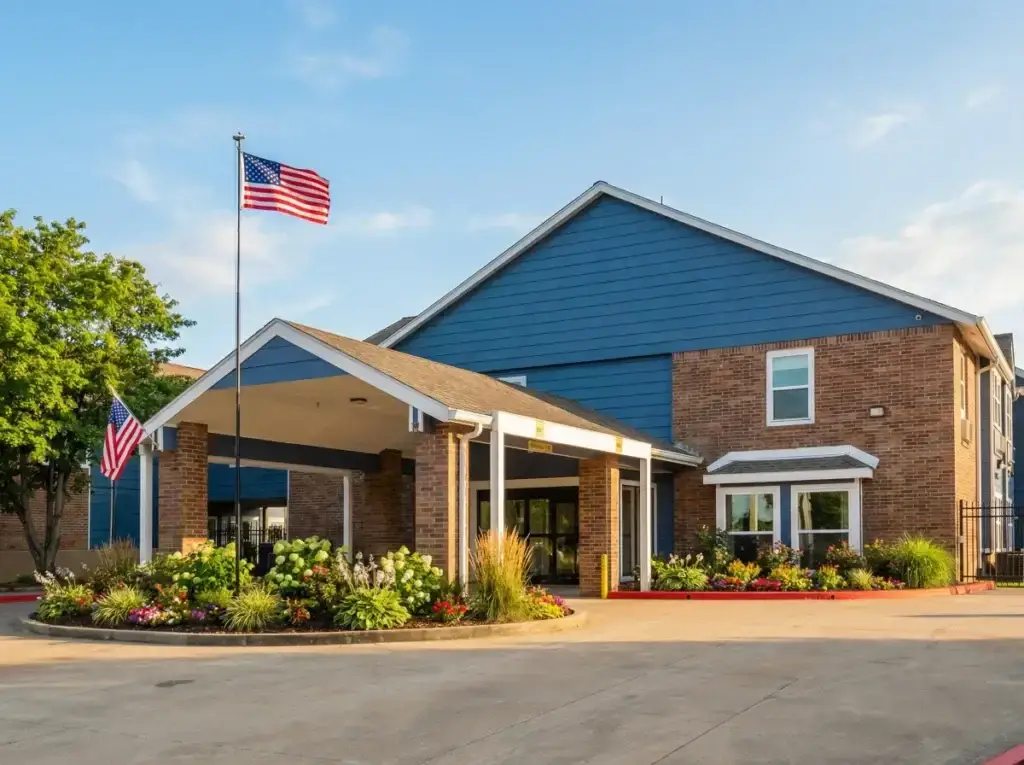
ODMHSAS funds and operates mental health, addiction, crisis, medication, and recovery programs across Oklahoma. Its adult treatment services include resources for medications for opioid use disorder, pregnant and parenting patients, family treatment courts, gambling concerns, and older adults.
You can also use the federal FindTreatment.gov locator to search by location, level of care, payment options, and other needs.
Call or text 988 for an immediate mental health or substance use crisis. Oklahoma crisis specialists can provide support by phone, arrange follow-up, connect callers with mobile crisis teams, and help locate urgent services. Follow-up from a crisis specialist is available at no cost when accepted by the caller.
Oklahoma 211 is a free, confidential service available 24/7 across all 77 counties. Call 211 for help locating food, housing, transportation, health care, mental health resources, support groups, and other community services.
Naloxone can rapidly reverse the effects of an opioid overdose when administered in time. Having naloxone available can help prevent a fatal overdose and provide critical time to get emergency medical care.
The Oklahoma State Department of Health directs residents to order free naloxone by mail through “OK I’m Ready.” Naloxone is also available through participating vending machines and community programs.
Call 911 after administering naloxone. Its effects can wear off before the opioids leave the body, and additional emergency treatment may be necessary.
NAMI Oklahoma and its local affiliates provide peer support, family education, mental health classes, advocacy, and community resources. These services can complement clinical care, but they do not replace medical detox, psychotherapy, medication management, or emergency treatment.
Oklahoma certifies Peer Recovery Support Specialists who use their own lived experience with mental health or substance use recovery to support others. Services may include one-on-one peer support, encouragement and mentoring, help setting recovery goals, assistance navigating behavioral health and community resources, support with self-advocacy, and connections to treatment centers, housing, employment, or other services. The ODMHSAS peer services program also certifies family peers who support caregivers of children and young adults with behavioral health concerns.
Oklahoma’s behavioral health system works through a network of public and private providers that connect residents with mental health and addiction treatment, crisis care, and recovery support.
The Oklahoma Department of Mental Health and Substance Abuse Services, commonly called ODMHSAS, describes itself as the state’s safety-net system for mental health and substance use treatment. Its core mission includes serving Oklahomans who are indigent and have no means to pay.
The public system includes state-operated facilities, Certified Community Behavioral Health Clinics, crisis services, peer support, medication services, and community programs. Eligibility and availability can vary, so residents should confirm the specific service, location, and current admission process.
SoonerCare is Oklahoma’s Medicaid program. Most SoonerCare members receive care through SoonerSelect, which uses health-plan provider networks. Current SoonerSelect health plans include Aetna Better Health of Oklahoma, Humana Healthy Horizons in Oklahoma, and Oklahoma Complete Health.
SoonerSelect health plans cover the same core health care services offered by SoonerCare, including behavioral health and substance use disorder treatment. Covered services include medical detoxification when medically necessary.
SoonerSelect members should use their health plan’s provider directory or contact the plan directly before entering nonemergency care. Members who remain enrolled in traditional SoonerCare can use the OHCA provider directory. A provider’s participation can change, and coverage does not guarantee that a bed or appointment is immediately available.
Private facilities may offer admissions support, insurance verification, medical detox, residential treatment, psychiatric care, and transportation. Services differ by location. Families should confirm the facility’s current ODMHSAS certification status, accreditation, staffing, program scope, insurance participation, and continued-care process.
Oklahoma’s crisis system includes 988, mobile crisis teams, Urgent Recovery Clinics, Crisis Stabilization Units, transportation, and referrals to ongoing care. Urgent Recovery Clinics and Crisis Stabilization Units operate 24/7 and accept walk-ins for screening and assessment.
Treatment is not one-size-fits-all. The right program depends on withdrawal risk, medical stability, mental health symptoms, safety, home support, and what has or has not worked before.
Medical detox helps manage withdrawal while alcohol, drugs, or certain medications leave the body. Medical professionals monitor symptoms and may use medication when clinically appropriate to improve comfort or prevent complications.
Withdrawal from alcohol and benzodiazepines can become life-threatening. Opioid withdrawal is often intensely uncomfortable and can quickly lead back to use, which raises overdose risk after tolerance drops. Do not assume stopping at home is safe because withdrawal was manageable in the past.
Detox is also not complete addiction treatment. It addresses the immediate physical effects of stopping a substance. Continued residential or outpatient care can address cravings, mental health, relationships, and the patterns connected to continued use.
Residential treatment provides a structured place to live while participating in daily therapy and recovery activities. It may be appropriate when someone is medically stable but still needs separation from drugs, alcohol, triggers, or an unsafe home environment.
Residential care may include:
Substance use and mental health symptoms often affect each other. Someone may use alcohol or drugs to cope with anxiety, depression, trauma, or another condition. Continued substance use can then make those symptoms harder to recognize and treat.
Dual diagnosis treatment addresses both concerns in one plan. When comparing programs, ask whether psychiatric professionals are available on site, which conditions are treated, and whether the program can continue supporting the patient if symptoms change.
Inpatient psychiatric treatment is designed for acute mental health needs that require hospital-level monitoring, safety support, or rapid medication management. Oklahoma’s Urgent Recovery Clinics and Crisis Stabilization Units can provide short-term intervention when someone is in a behavioral health emergency but may not require a hospital emergency department.
Residential mental health treatment is different from psychiatric hospitalization. It provides 24-hour structure and daily therapy for patients who are stable enough to live outside a hospital but need more support than outpatient treatment can provide.
Outpatient care allows patients to live at home or in recovery housing while attending scheduled treatment. Programs can range from weekly appointments to several hours of care on multiple days each week.
Outpatient treatment may be appropriate when the patient is medically stable, has a safe living environment, and can manage responsibilities without returning to substance use or becoming unsafe.
| Level of care | Where you stay | When it may be appropriate |
|---|---|---|
| Medical detox | At the treatment facility | You may experience withdrawal or need medical monitoring while stopping a substance. |
| Inpatient psychiatric treatment | At a hospital or psychiatric facility | You need hospital-level monitoring for an immediate mental health or safety concern. |
| Residential addiction treatment | At the treatment facility | You are medically stable but need structured living, daily therapy, and support away from home. |
| Partial hospitalization or intensive outpatient care | At home or in recovery housing | You need multiple treatment hours each week but do not require overnight medical care. |
| Traditional outpatient treatment | At home | You are medically stable and can manage daily responsibilities while attending appointments. |
A clinical assessment can help determine the safest starting point. The recommended level of care may change as withdrawal resolves, symptoms improve, or new needs become clear.
You do not need to know the name of the right program before asking for help. Start with the situation that feels closest to yours.
Stopping alcohol, benzodiazepines, opioids, or certain other substances can cause severe or dangerous withdrawal. Medical detox provides 24-hour monitoring, medication when clinically appropriate, hydration, nutrition, and support during withdrawal.
Residential addiction treatment provides a structured place to live while participating in daily therapy, recovery education, medication management, and continued-care planning.
When addiction occurs alongside depression, anxiety, trauma, bipolar disorder, or another condition, dual diagnosis treatment can address both concerns through one coordinated plan.
Mental health treatment may help when symptoms interfere with sleep, work, relationships, safety, or the ability to manage everyday responsibilities. An immediate psychiatric emergency may require crisis stabilization or hospital care.
Private insurance, SoonerCare, SoonerSelect, tribal health coverage, and state-funded services may provide different benefits. Coverage depends on eligibility, medical necessity, provider participation, and authorization requirements. A benefits review can clarify what applies before a decision is made.
That is normal. A clinical assessment can identify withdrawal risks, mental health needs, and the safest starting level of care. Learn more about The Haven Detox Oklahoma or contact the admissions team to talk through what is happening. There is no obligation to enter treatment.
Call 911 for a life-threatening emergency or suspected overdose. Call or text 988 for an immediate mental health or substance use crisis in Oklahoma.
There is no single price for addiction or mental health treatment. Cost depends on:
Outpatient care generally costs less than a program that includes housing, meals, medical monitoring, and 24-hour staffing. Medically supervised detox or psychiatric hospitalization may include services that do not apply to routine outpatient care.
Many private health plans include benefits for addiction and mental health treatment, but each policy is different. A benefits review can show whether a facility is in network, which services are covered, whether prior authorization is required, and what the patient may owe.
The Haven Detox Oklahoma Mental Health and Addiction Rehab accepts many commercial and tribal insurance plans. Current participation should be confirmed through the insurance verification process. Checking benefits does not require someone to enter treatment.
SoonerCare behavioral health benefits include inpatient acute care, crisis stabilization, medical detoxification, outpatient psychiatric care, medication management, counseling, and rehabilitative services for eligible members.
Inpatient hospital and residential services generally require prior authorization and a review of medical necessity. SoonerCare coverage does not mean every private facility participates. Members should confirm network status through the OHCA provider directory or their SoonerSelect plan.
Oklahoma Health Care Authority guidance explains that American Indian and Alaska Native members may receive care through Indian Health Service, tribal, or urban Indian health clinics. Eligible members can choose whether to opt in to SoonerSelect or remain with their existing SoonerCare delivery system. Coverage and referral processes can differ by tribe, health program, and insurance arrangement.
ODMHSAS operates Oklahoma’s safety-net behavioral health system for residents who are indigent and have no means to pay. Use the state’s Find Services Near You tool, call 211, or contact 988 during a crisis to ask about currently available services.
State-funded care does not automatically mean that inpatient rehab is free. Eligibility, funding, program scope, and availability differ by service and location.
Free peer-support meetings are available in person and online. Use the official meeting finders for Alcoholics Anonymous, Narcotics Anonymous, or SMART Recovery.
Family members and friends can also find support through Al-Anon or Nar-Anon. Faith-based programs and mental health peer groups may provide additional community during and after treatment.
A support group is not a substitute for medical detox, psychiatric care, or licensed treatment. Someone with dangerous withdrawal, severe mental health symptoms, or an immediate safety risk should seek professional help.
Recovery residences provide substance-free housing and peer or monitored support. They are different from licensed residential treatment because they do not provide the same medical or clinical services on site.
The Oklahoma Alliance for Recovery Resources reviews residences against Oklahoma and National Alliance for Recovery Residences standards. Before choosing housing, ask about certification, fees, medication policies, supervision, transportation, relapse procedures, grievances, and whether clinical treatment is provided separately.
Before discharge, patients should know where they will live, how medications will be managed, when the next therapy or psychiatric appointment will occur, and who to call if symptoms return. A strong plan may include outpatient treatment, recovery housing, peer support, family involvement, and medication for addiction or mental health symptoms.
The resources below focus on free or community-based support rather than competing treatment facilities. Meeting schedules can change, so confirm current details before attending.
NAMI Tulsa holds peer-led NAMI Connection groups for adults and Family Support Groups for loved ones. The NAMI Connection group meets at 708 S Boston Ave in Tulsa and does not require registration. Call 918-587-6264 for current schedules and virtual options.
Eastern Oklahoma residents can call 211 at any time. They can also text their ZIP code or “HELP” to 877-836-2111 Monday through Friday from 8 a.m. to 8 p.m. for connections to local housing, food, transportation, health, and support services.
NAMI Greater OKC provides peer and family support groups for Oklahoma City, Edmond, and surrounding communities. Call 405-408-0886 for current programs.
Residents can also use Oklahoma 211 for nonemergency community resources or call 988 for immediate behavioral health crisis support.
NAMI Cleveland County provides mental health support, education, and community connections in Norman and Cleveland County. Call 405-408-0984 or use the NAMI Oklahoma affiliate directory for current contact information.
HUB 107 is a peer-led ODMHSAS drop-in resource at 107 Gibbs Drive in Norman. It connects visitors with recovery support, case management, employment help, housing resources, and basic services.
NAMI Southwest Oklahoma serves Comanche, Stephens, Jackson, Cotton, Tillman, Jefferson, Kiowa, and Caddo counties. Use the NAMI Oklahoma affiliate directory for current support-group and contact information.
For urgent behavioral health needs, Oklahoma’s statewide crisis network can connect Lawton-area residents with 988 support, mobile response, or the closest crisis service.
NAMI North Central Oklahoma serves Stillwater and surrounding communities. Call 405-533-2591 or check the state affiliate directory for current programs.
Oklahoma residents who cannot easily reach an in-person group can use the NAMI Oklahoma Virtual Affiliate, call 211, or ask 988 about local and telehealth options. The ODMHSAS Find Services Near You tool can also locate resources by ZIP code.
Oklahoma law requires ODMHSAS certification for alcohol and drug treatment programs and several other behavioral health program types. Use the state’s Provider Certification page and certified-provider list to confirm the status of the specific location and service.
For residential alcohol and drug treatment providers seeking SoonerCare reimbursement, Oklahoma also requires national accreditation. Independent accreditation from an organization such as The Joint Commission or CARF can add another layer of quality review.
Use caution if a provider:
If withdrawal, substance use, or mental health symptoms are making everyday life harder, you do not have to compare every option alone.
The admissions team at The Haven Detox Oklahoma Mental Health and Addiction Rehab is available 24/7 to listen, answer questions, and help you understand what to do next. During the call, a Trained Helpline Counselor can:
The call is confidential, and there is no obligation to enter treatment. You do not need a diagnosis, referral, or complete plan before reaching out.
Treatment at our Oklahoma facility provides a private place to complete medical detox and continue into residential addiction treatment without changing campuses. Located at 2130 S 85th E Ave in Tulsa, the Joint Commission-accredited center serves patients from Tulsa, Oklahoma City, Broken Arrow, Norman, Edmond, Stillwater, rural Oklahoma, and nearby states.
The Tulsa center combines adult medical, psychiatric, and therapeutic support for alcohol and drug addiction, including co-occurring mental health concerns. Care can include:
The campus completed a multimillion-dollar renovation in 2026 and includes a fitness center, yoga studio, game room, movie theater, on-site barber and beautician services, chef-prepared meals, and comfortable indoor and outdoor spaces. These amenities are included to reduce everyday stress and help patients remain engaged in treatment.
The Haven Detox Group reports helping more than 21,000 people since 2015. The Tulsa program brings that network experience together with Oklahoma-based medical, clinical, and recovery professionals.
Verify benefits and understand your treatment options
Compare programs, read reviews, and make informed decisions
If you or a loved one is experiencing a mental health or substance use crisis, help is available right now:
SoonerCare covers a range of medically necessary behavioral health services, including inpatient acute care, crisis stabilization, medical detoxification, psychiatric care, medication management, counseling, and outpatient services. Inpatient and residential services generally require prior authorization. Provider participation and network rules also apply.
The Oklahoma center’s current public insurance information lists commercial and tribal plans but does not list SoonerCare. Network participation can change, so SoonerCare and SoonerSelect members should check their plan’s provider directory and contact the admissions team before arranging treatment.
ODMHSAS operates Oklahoma’s safety-net behavioral health system for residents who have no means to pay. Call 211, use the state’s Find Services Near You tool, or contact 988 during a behavioral health crisis. Eligibility and available services vary.
Timing depends on withdrawal risk, clinical need, bed availability, insurance authorization, and the provider. The Oklahoma center offers 24/7 admissions support, and same-day or next-day admission may be possible when clinically appropriate and space is available.
Yes. The Tulsa center serves patients from across Oklahoma and nearby states. Transportation assistance is available in Oklahoma, and airport pickup can be arranged through Tulsa International Airport. Insurance and travel safety should be confirmed before admission.
Dual diagnosis care coordinates addiction treatment with psychiatric evaluation, medication management, and therapy for co-occurring symptoms. Ask which conditions the facility treats, whether psychiatric professionals are available on site, and what happens if symptoms change.
No. A recovery residence provides substance-free housing and peer or monitored support. Residential treatment provides licensed clinical services and may include medical, psychiatric, and therapeutic care. Confirm whether housing and treatment are separate before enrolling.
Let’s talk about what’s going on — no judgment. (We’ve been there before ourselves). No one will know you inquired and there is no commitment to call.
24/7 Support
No Commitment
100% Private
Why Wait?
Get Answers Now
You’re here because you know you need help. Let’s talk through it together. There’s no commitment and it’s 100% confidential even to check your insurance.
100% Confidential
