Ongoing Support

Core Therapy

Trauma-focused therapy for PTSD, anxiety, and addiction

Trauma can keep you stuck in survival mode, even long after the threat is gone. The Haven Detox Group offers trauma-focused therapy at multiple locations to help you understand what you’ve been through, manage symptoms like anxiety, flashbacks, or numbness, and start feeling more steady, safe, and connected again.

EMDR Expertise Certified at The Haven Detox Group
Trauma Informed Expertise Certified at The Haven Detox Group
ASAM Expertise Certified at The Haven Detox Group

Expertise certified

Understanding the Approach

Understanding trauma-focused therapy


Trauma-focused therapy is designed to help you feel more stable, clear-headed, and in control after traumatic experiences. Whether your symptoms include panic, emotional shutdown, or difficulty trusting others, this therapy gives you a structured, step-by-step way to feel better—without forcing you to relive the past.


Trauma Therapy Stress and Anxiety at The Haven Detox Group

Real tools to manage stress and anxiety

You’ll learn specific techniques to help your body and brain calm down during high-stress moments. This includes grounding exercises to reconnect with your surroundings, breathwork to slow your heart rate and thoughts, and simple tracking tools to spot patterns in your emotional responses. These tools aren’t vague suggestions—they’re practical, repeatable, and useful in real-life moments when symptoms hit.

Trauma Therapy Progress at The Haven Detox Group

Progress you can see and feel
Therapy isn’t about guessing whether it’s working. You and your therapist will set real, tangible goals—like falling asleep faster, reducing the intensity of panic attacks, or responding with less irritability in tough situations. You’ll regularly check in on these goals and adjust as needed, so you can actually see and feel your progress over time.

Trauma Therapy Long Term at The Haven Detox Group

Long-term change
Trauma symptoms don’t vanish overnight—but with consistent work, your nervous system can begin to feel safer, and your responses can shift. Instead of reacting from fear, you’ll learn how to pause, assess, and choose how to respond. These shifts in thought and behavior become habits that stick, even long after therapy ends.
Online Therapy Session
Trauma-Focused Therapy Session
The Haven Detox Trauma-Focused Therapy Session
The Haven Detox Group Therapy
The Process

How trauma-focused therapy works


Trauma therapy moves at your pace. Each step is designed to help you feel safe, supported, and better equipped to handle daily challenges.

1
Build a foundation of safety

The first step is helping your body and mind feel safe again. You’ll learn how to notice early signs of overwhelm and use tools—like body scans, grounding, or orienting—to bring yourself back to the present. Safety skills come first, before any work with past memories.
2
Understand how trauma affects you

You’ll explore how trauma shows up in your daily life—whether that’s anxiety, avoidance, shutting down, or physical stress symptoms. Seeing these patterns clearly helps you understand what’s happening now, not just what happened then.
3
Explore when you’re ready

If and when you feel ready, your therapist may guide you through trauma-focused methods such as EMDR or trauma-focused Cognitive Behavioral Therapy. These approaches help you revisit difficult memories safely, reducing their intensity without overwhelming you.
4
Practice real-life coping skills

Sessions focus on tools you can use immediately: setting boundaries in relationships, calming your body during stress, or managing shutdown and emotional flooding. Practicing these skills in session makes them easier to use outside of therapy.
5
Rebuild trust and connection

Trauma can damage trust—not just in others, but in yourself. Therapy helps you rebuild both. You’ll learn to recognize when fear or self-doubt is taking over, and how to create new ways of relating to people in your life. That includes setting boundaries, expressing needs clearly, and reconnecting without losing your sense of safety.
What We Treat

Most common conditions we treat with trauma-focused therapy


Trauma therapy can help with a wide range of symptoms and diagnoses—especially when trauma is at the root of mental health or substance use challenges.

The Haven Detox Group Bullet Logo
Substance Use and Trauma

Many people turn to alcohol or drugs to manage trauma symptoms like anxiety, flashbacks, or
emotional pain. Trauma therapy helps you understand that link and replace those coping
methods with safer, more sustainable tools. The focus is on healing—not just stopping the
behavior.

The Haven Detox Group Bullet Logo
Relationship Distress

Trauma can make closeness feel unsafe, causing withdrawal, fear, or emotional shutdown.
Therapy helps you understand your patterns and build new ways to relate to others—whether
that’s rebuilding trust with a partner or feeling safe being vulnerable with anyone at all.

The Haven Detox Group Bullet Logo
Depression & Emotional Numbness

Trauma often leads to deep exhaustion, low motivation, or feeling emotionally flat. Therapy
helps you reconnect with what you feel—and what you’ve stopped allowing yourself to feel.
Together, you’ll work to untangle guilt, shame, or hopelessness that might be rooted in trauma.

The Haven Detox Group Bullet Logo
Anxiety Disorders

You’ll develop strategies to manage racing thoughts, physical panic symptoms, and spiraling
worst-case thinking. This includes both body-based techniques to calm your system and cognitive
tools to challenge the fears that fuel anxiety. Over time, panic becomes something you can
predict and manage—not something that runs your life.

The Haven Detox Group Bullet Logo
Post-Traumatic Stress Disorder

Therapy helps you gradually process traumatic events without reliving them. You’ll learn how to
reduce flashbacks, stop avoiding triggers, and feel more in control of your responses. The goal
isn’t to erase what happened—it’s to make sure it no longer controls you.

The Haven Detox Group Bullet Logo
Sleep Disorders

If trauma makes it hard to fall or stay asleep, therapy gives you strategies to calm your nervous
system at night. This might include sensory grounding, breathwork, or a structured wind-down
routine to signal safety to your brain. The goal is to help your body stop treating nighttime like
a threat.

A supportive trauma therapy setting

Trauma therapy works best in a calm, steady environment. At The Haven Detox Group, you’ll have access to quiet therapy spaces, supportive staff, and a structured routine that helps you feel safe, not overwhelmed. Everything is designed to support emotional regulation and give you space to breathe, process, and grow.

Relaxed environment for mental clarity
Relate to peers
Learn healthy coping mechanisms

Accessible Everywhere

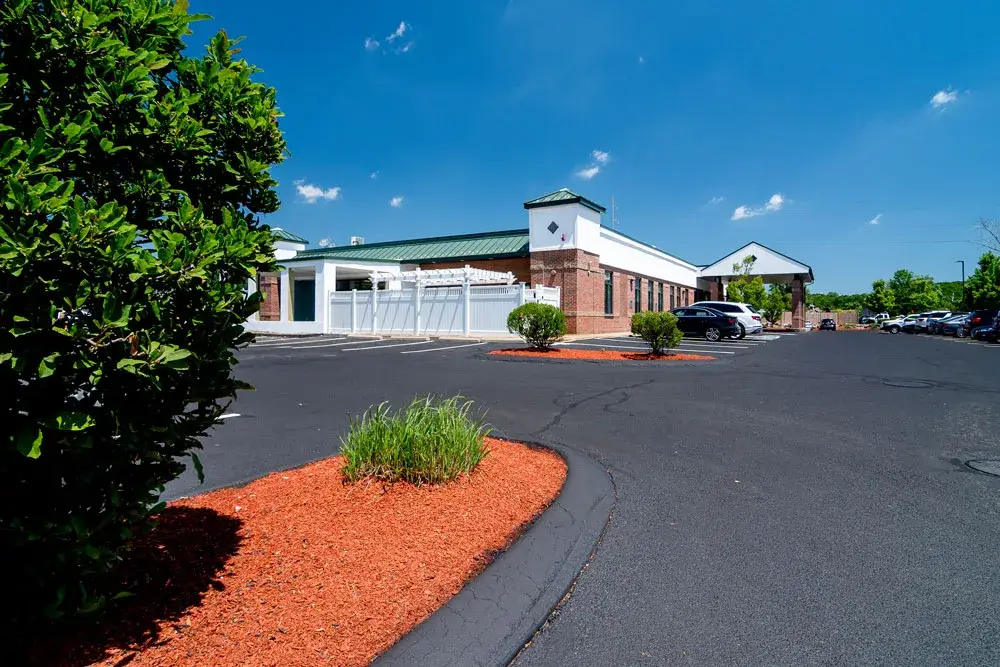
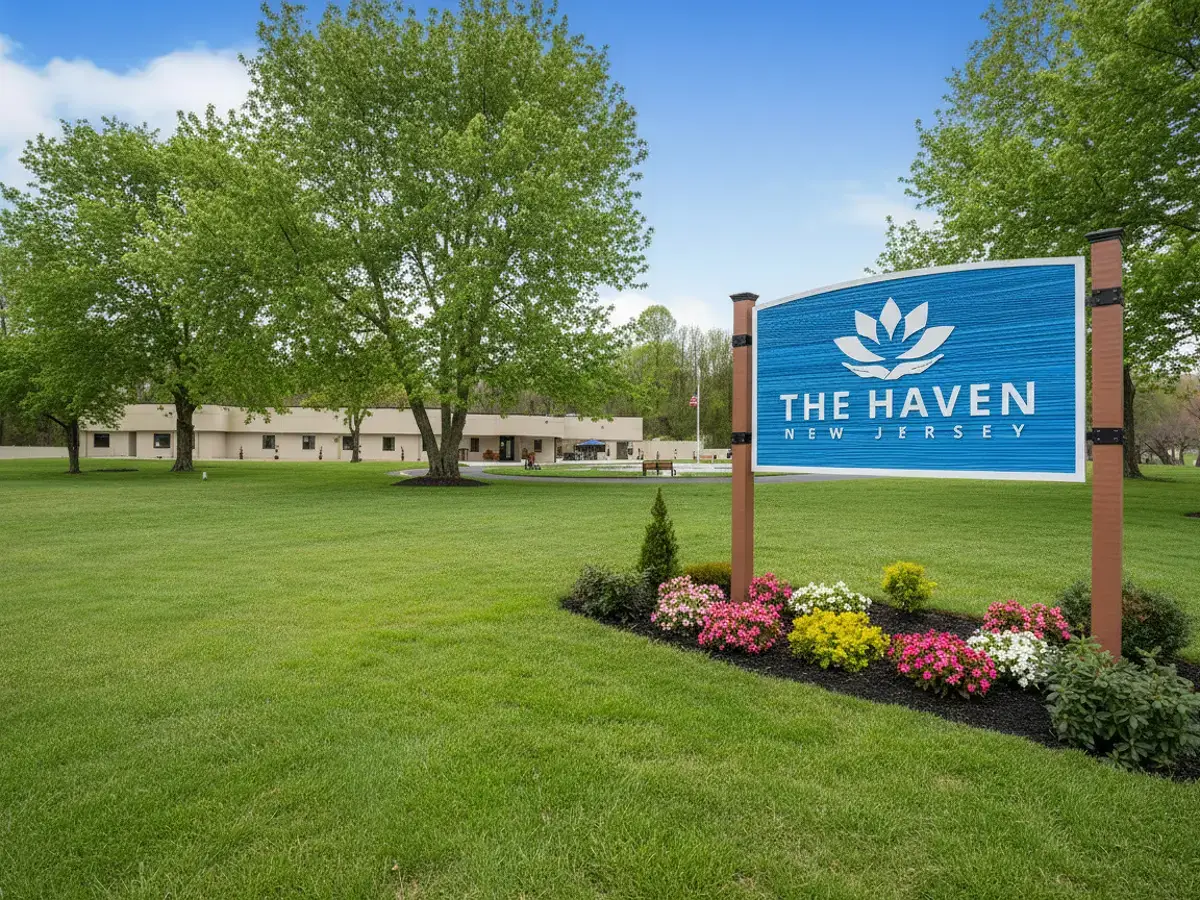
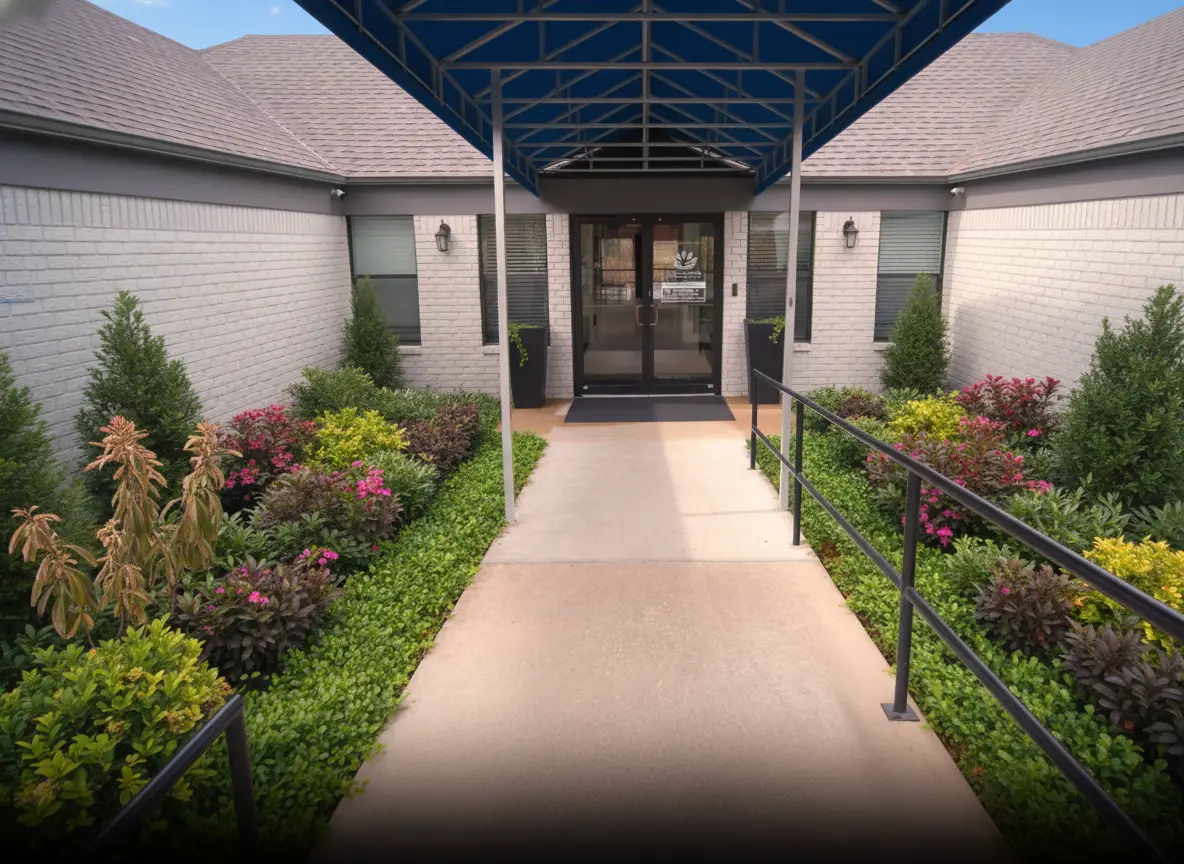
Trauma-focused therapy is available at all The Haven Detox locations

Find trauma-focused therapy at every Haven Detox facility—from retreat-style settings to centers closer to home. Wherever you are, trauma care is built into your personalized plan with expert, licensed professionals who know how to help.

Space Available

Insurance Accepted

Trauma-Focused Therapy Offered

Space Available

Insurance Accepted

Trauma-Focused Therapy Offered

Space Available

Insurance Accepted

Trauma-Focused Therapy Offered

Space Available

Insurance Accepted

Trauma-Focused Therapy Offered

Space Available

Insurance Accepted

Trauma-Focused Therapy Offered

Space Available

Insurance Accepted

Trauma-Focused Therapy Offered

Space Available

Insurance Accepted

Trauma-Focused Therapy Offered

Space Available

Insurance Accepted

Trauma-Focused Therapy Offered

TRUSTED CARE TEAM

Experts in trauma-focused therapy

Trauma-Focused Therapy at The Haven Detox is led by licensed clinicians with specialized training in trauma care, including CBT, EMDR, and other evidence-based approaches. Our therapists have years of experience helping patients manage symptoms like anxiety, panic, and PTSD while also supporting those coping with trauma and substance use. Each clinician is trained to move at your pace, create a safe environment, and provide practical tools that work both in session and in daily life.

Trauma therapy success stories

Google Review

Cameron S.

Such a nice detox facility with incredibly awesome staff. This place helped me put the pieces together when I was utterly broken. 10/10 would recommend!

Google Review

Kevin O.

The trauma therapist Karen is such an integral part of my recovery she helped me in more ways than I’ll ever be able to thank her for.

Google Review

Agreeable_Setting_86

I finally started with a trauma-specialized therapist in the last 6 months, and I cannot say enough positive things about it. For me, it has been incredibly eye-opening to really work at the roots of why my family of origin is such a trigger of stress and anxiety.

Affordable Care

Insurance & cost information for trauma therapy

Insurance companies usually cover trauma therapy when it’s part of a licensed mental health or addiction program, since PTSD, anxiety, and trauma-related conditions are recognized as treatable medical issues. Coverage can depend on your plan, the type of therapy used (like CBT or EMDR), and whether it’s done inpatient or outpatient. At The Haven Detox Group, we’ll verify your benefits for free before you begin, so you know exactly what’s covered and what to expect.

AmeriHealth
Multi Plan Insurance Logo
United Health Care Insurance logo
Blue Cross Blue Shield logo
Tricare logo
Beacon health logo

Frequently asked questions about trauma therapy

Do I have to relive my trauma in therapy?

No. Trauma therapy isn’t about forcing you to retell everything that happened. Treatment begins with skills like grounding, breathwork, and emotional regulation so you feel safe and stable. If and when you choose to process trauma memories, your therapist will guide you carefully—using approaches like EMDR or CBT that are designed to reduce overwhelm.

What makes Trauma-Focused Therapy different from regular counseling?

General counseling can help with stress and emotions, but Trauma-Focused Therapy directly targets the symptoms of PTSD and trauma. It combines evidence-based methods—such as Cognitive Behavioral Therapy (CBT) and Eye Movement Desensitization and Reprocessing (EMDR)—to help reprocess traumatic experiences, reduce flashbacks, and calm your nervous system.

Is Trauma-Focused Therapy covered by insurance?

Most major insurance plans cover trauma treatment when it’s part of a licensed mental health or addiction program. We provide a free, confidential insurance verification so you know your options before you begin.

Can trauma therapy help if I also struggle with addiction?

Yes. Many people turn to alcohol or drugs to cope with trauma. At The Haven Detox, trauma treatment is fully integrated with substance use treatment. Addressing both at the same time lowers the risk of relapse and helps you build healthier coping strategies.

How long does Trauma-Focused Therapy take?

It varies by person. Many patients attend between 8 and 20 sessions, but the pace depends on your needs, goals, and comfort level. Some focus on short-term symptom relief, while others take more time to process past experiences. Your therapist will work with you to create a plan that fits your needs.

Can family be part of trauma therapy?

Yes. Family involvement is optional, but it can be very helpful. Education sessions teach loved ones how trauma affects the brain and body, and how to support you without adding pressure. These sessions often help rebuild trust and improve communication at home.

What if I’ve tried therapy before and it didn’t help?

It’s common for people with trauma to feel frustrated by past therapy. Trauma-Focused Therapy is different—it’s structured, paced around your readiness, and uses specific methods like EMDR and CBT that are proven to help people heal from PTSD and trauma-related symptoms.

Will I have support after leaving The Haven Detox?

Yes. Healing doesn’t stop when therapy ends. All patients are invited to join our alumni program, which includes ongoing check-ins, peer support, and community events. You’ll leave with tools you can use daily—and continued support to help you stay grounded.

Have Questions? Let’s Talk!

Let’s talk about what’s going on — no judgement. (We’ve been there before ourselves.) No one will know you inquired, and there is no commitment to call.

24/7 Support

Need someone to talk to? We’re always here—day or night.

No Commitment

Ask questions, get guidance—no pressure, no obligation.

100% Private

Your story stays with us. Confidential support, always.

Haven Detox doctor providing compassionate medical detox care.

Why Wait?
Get Answers Now

You’re here because you know you need help. Let’s talk through it together. There’s no commitment and it’s 100% confidential even to check your insurance.

100% Confidential