

 100% Confidential
100% Confidential
100% Confidential

Get Help Today 24/7
Dr. Rostislav Ignatov, MD
Chief Medical Officer
Chandler is navigating a growing addiction and mental health crisis shaped by shifting drug trends, youth vulnerability, and unequal access to care. In Maricopa County, nearly 80% of fentanyl-positive toxicology reports in 2023 also included methamphetamine—a sharp rise that underscores the complexity of today’s substance use challenges. Locally, almost one in three Chandler high school students reported lifetime substance use, highlighting the need for strong prevention and early intervention efforts.
At the same time, Chandler has built a foundation of robust support. Residents benefit from Maricopa County’s extensive behavioral health system, peer recovery networks, school-based prevention programs, and the broad coverage of Arizona’s AHCCCS Medicaid, which serves more than 2.2 million people statewide. The city partners with community organizations, schools, and law enforcement task forces to expand naloxone distribution, reduce opioid prescribing, and strengthen evidence-based prevention programming.
While gaps remain—particularly among adolescents, with fewer than 7% of youth in need accessing treatment—Chandler continues to invest in outreach, peer support, and culturally responsive care. For individuals in need of professional, evidence-based treatment, The Haven Detox – Arizona provides comprehensive addiction and mental health care.
This guide highlights addiction, mental health, and recovery resources in Chandler, helping individuals and families find their way through a comprehensive system of crisis services, treatment options, and long-term recovery supports.
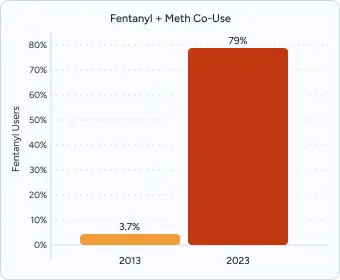
Back in 2013, methamphetamine co-use with fentanyl was almost unheard of—just 3.7% of fentanyl users tested positive for methamphetamine. Fast forward to 2023, and we’re facing a whole new reality: 79% of fentanyl-positive screenings also contain methamphetamine, a 2,024% surge over the last decade. Youth are feeling the impact too, with 31% of teens reporting lifetime substance use and 16.7% of adults engaging in monthly binge drinking. Yet only 6.3% of Arizona’s young people who need help actually receive it, leaving too many struggling without support.
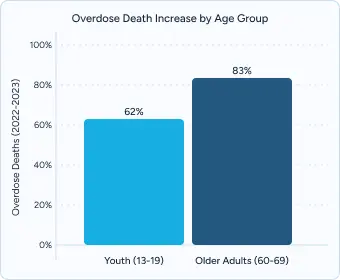
In Chandler, only 6.3% of adolescents with a substance use disorder receive treatment, reflecting a major access gap for youth. Among adults statewide, the treatment rate is much higher: roughly 18% of adults with a substance use disorder receive care through Arizona’s Medicaid or related services. This highlights a significant disparity—adults are nearly three times more likely than adolescents to receive needed substance use treatment.
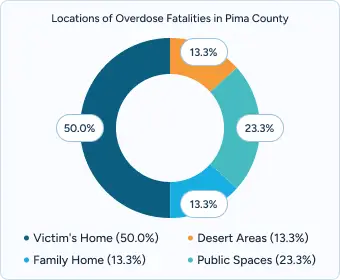
Maricopa County placed over 125,000 people into behavioral health programs in 2024—an encouraging step, but only part of the picture. Street outreach teams answered more than 62,000 community crisis calls, showing just how often help comes in emergency bursts rather than sustained care. Public programs reached 24% of adults with serious mental illness countywide (below the national 28% average), and while Medicaid enrollees saw a 36% service penetration, just 7% of non-Medicaid residents accessed care. We can—and must—do more to turn those crisis interventions into lasting recovery.
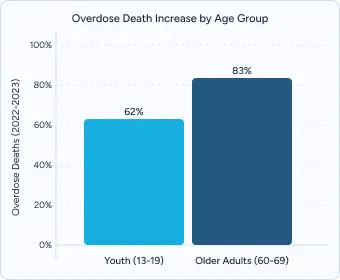
Nearly half (47%) of Maricopa County residents aged 15–24 report opioid misuse, up from 28% in 2020. With higher rates among males (52%), Latino youth (50%), and those in lower-income ZIP codes (54%), less than 40% receive treatment when experiencing opioid-related challenges.

Nearly half (47%) of 15–24 year-olds report opioid misuse, up from 28% in 2020. Rates are especially high among males (52%), Latino youth (50%), and residents of Chandler’s south side (55%). Yet many lack adequate culturally tailored support services and accessible outpatient programs.
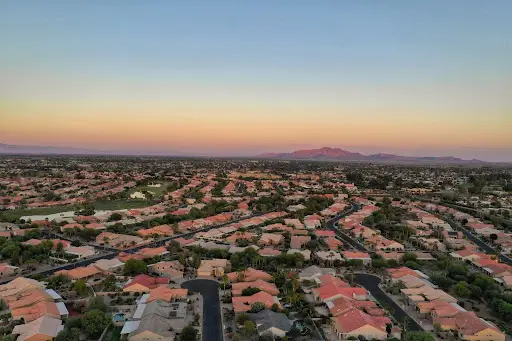
EMPACT-SPC Suicide Prevention Center serves as a centralized access point for crisis intervention and treatment referrals. The program includes 24/7 crisis hotlines and mobile crisis teams, distributing specialized behavioral health services across Maricopa and Pinal counties.
The Maricopa County Crisis Response Network provides 24/7 crisis intervention, covering all Chandler neighborhoods and surrounding areas. With locations throughout the East Valley and central Phoenix, it offers crisis stabilization, mobile crisis teams, and a robust peer-operated warm line staffed by individuals with lived recovery experience.
Transportation accessibility through Valley Metro links all neighborhoods to Chandler drug rehab programs and mental health facilities. The East Valley area provides access to multiple treatment locations, while Chandler Flex on-demand service and specialized medical transportation connect downtown to outlying areas. The county’s medical transportation voucher program offers specialized transportation for individuals with disabilities seeking behavioral health services.
AHCCCS covers 100% of treatment costs for qualified Arizona residents—including medical detox, residential care, outpatient programs, and approved medications like buprenorphine and methadone. As of 2024, copayments have been eliminated for many services, with coverage extended to residents earning up to 138% of the federal poverty level.
Arizona Medicaid Complete Care Plans ensure coverage for eligible children and adults, including crisis services and ongoing behavioral health support. Residents can enroll through the AHCCCS online portal or by calling 1-855-432-7587. Applications are available in Spanish, Native American languages, and more.
Arizona Complete Health offers financial assistance for those not eligible for Medicaid—up to 200% of the federal poverty level. Apply through regional AHCCCS offices or online, with materials in multiple languages and specialized coverage for tribal communities.
Maricopa County Medical Transportation Services provides wraparound funding and navigation help for uninsured residents. Visit the county health website or call the behavioral health crisis line at 844-534-4673 to find public treatment slots and community support resources.
When you want prompt access to private addiction treatment—without long waitlists—multiple Boston centers are ready to welcome you. Many offer instant admissions and free insurance checks, so you can begin recovery as soon as possible. These facilities provide thorough evaluations, medically monitored detox as needed, and proven therapies such as trauma recovery, medication-assisted treatment, and cognitive-behavioral care.
The Haven Detox – Arizona offers immediate access to expert addiction and mental health treatment for Chandler residents in addition to the following:
Admissions specialists are available 24/7 to answer questions and help you get started.
Chandler mental health services span multiple neighborhoods, offering specialized care for depression, anxiety, and dual diagnosis. Facilities like Oasis Behavioral Health, LUCA Counseling, and Recovery Syndicate provide culturally competent treatment, bilingual providers, and trauma-informed programming across the East Valley, Ahwatukee, and central Chandler.
Neighborhood-specific mental health resources support Chandler’s diverse communities. East Valley programs such as Cranes For Change and Gambit Recovery deliver community clinic counseling and therapeutic support—including sliding-scale services for uninsured residents. Central Chandler’s Oasis Behavioral Health features adolescent residential care (ages 11–17) and adult inpatient stabilization, addressing intensive mental health needs for individuals and families.
Chandler Recovery Hub in Downtown Chandler (123 S Arizona Ave)
Provides free peer-led recovery meetings, coaching, and sober social events, with ADA-accessible meeting spaces and evening hours.
Roosevelt Peer Alliance in San Marcos (455 W Boston St)
Offers specialized support groups for young adults and veterans, culturally responsive programming, and weekend drop-in sessions via transit-accessible bus routes.
East Valley Connect in Ocotillo (789 E Chandler Heights Rd)
Features virtual and in-person peer coaching, family support workshops, and bilingual staff, with live updates on social media @EastValleyConnect.
ARHA-certified sober living homes provide structured transitional housing in line with state and national standards. The Arizona Recovery Housing Association directory at myazrha.org lists independently certified residences across Chandler and surrounding communities.
Crossroads Transitional Housing offers ADHS-licensed facilities with 24/7 supervision, peer mentoring, Wi‑Fi, laundry, and access to a community kitchen. Residents take part in weekly house meetings, daily chores, ongoing sobriety monitoring, and can receive help with employment.
River People Health Center Sober Living maintains tribal certification for male residents in a six-bed, highly structured environment. Services include 24/7 supervision, peer support, vocational and educational assistance, plus active participation in PHP/IOP treatment with culturally responsive programming.
Thorough intake and assessment are critical, covering both substance use and mental health to identify co-occurring conditions. Leading programs utilize:
Therapeutic methods with a strong evidence base shape the recovery process. Look for services that feature:
Cultural understanding is a must in Chandler’s rich and varied population. The best programs:
Aftercare coordination starts before discharge, linking clients to outpatient therapy, peer support groups, and transitional living arrangements. Effective programs provide seamless transfers—“warm handoffs”—to community partners and ensure follow-up to maintain progress after residential care.
Family involvement and education improve long-term success. Family therapy sessions and workshops give families tools for supporting recovery and understanding mental health or addiction. Spanish-language services and culturally responsive family programming reinforce lasting support within Chandler’s diverse community.
Professional centers give you meaningful advantages compared to state-run programs, including:
Most private facilities can verify insurance in under 24 hours—and often coordinate same-day entry if urgent care is necessary.
The Haven Detox – Arizona in Green Valley offers immediate access to evidence-based addiction and mental health treatment serving the Chandler area.
Integrated dual-diagnosis care delivers targeted support for co-occurring addiction and mental health conditions. Chandler’s leading programs employ trauma-informed approaches, cognitive-behavioral therapies, and maintain specialized staff certifications with regular training to ensure high standards.
Alumni networks and lifelong peer support sustain recovery long after initial treatment. Clients benefit from quarterly reunions, digital discussion forums, and structured mentorship—resources designed to maintain connection and motivation throughout ongoing recovery journeys.
Dedicated care coordination and resource advocacy ease the transition back into daily life. Insurance experts, benefits navigators, and referral coordinators help clients obtain continuing healthcare, secure employment, and access housing support. Financial advocates connect individuals to sliding-scale resources and community-based services that foster sustained wellness.
Professional treatment represents an investment in recovery success, offering immediate access, personalized care, and comprehensive services designed to address the complex nature of addiction and mental health conditions.
AHCCCS coverage verification typically completed within 24–48 hours with comprehensive benefits review and cost estimation assistance. Financial advocates provide detailed insurance benefit explanations and identify additional funding sources for comprehensive treatment access.
Same-day clinical assessments available through multiple Chandler-area facilities with next-day residential placement when medically necessary. Streamlined intake procedures minimize administrative delays while ensuring appropriate treatment level placement and clinical stabilization support.
Most programs schedule an initial assessment within 48 hours, then connect you with a therapist based on your specific needs and insurance coverage.
Arizona Medicaid covers individual and group therapy at 100% for eligible residents; check your enrollment status and provider network for specific coverage details.
Yes. Multiple community centers offer bilingual peer-support meetings, with native Spanish-speaking facilitators and culturally responsive programming available throughout Chandler.
Several nonprofit clinics provide sliding-scale fees and grant-funded treatment; inquire about Arizona’s emergency Medicaid and charity care programs when contacting intake offices.
Maricopa County partners with medical transportation services and Valley Metro to offer free or low-cost transportation vouchers for clients attending behavioral health appointments.
Crisis hotlines and mobile response teams operate 24/7—call EMPACT-SPC at 480-784-1500 or the county crisis line at 1-800-631-1314 for immediate support.
Yes. Family peer specialists offer confidential coaching through Al-Anon, Nar-Anon, and family therapy services specifically designed for concerned family members.
Look for centers offering Spanish-language groups, LGBTQ-affirming treatment, Native American healing approaches, and faith-based support tailored to diverse community needs.
Yes. Oasis Behavioral Health runs adolescent residential programming, while several organizations offer campus outreach, peer-led support circles, and workshops for college-aged individuals.
Let’s talk about what’s going on — no judgment. (We’ve been there before ourselves). No one will know you inquired and there is no commitment to call.
24/7 Support
No Commitment
100% Private
Why Wait?
Get Answers Now
You’re here because you know you need help. Let’s talk through it together. There’s no commitment and it’s 100% confidential even to check your insurance.
100% Confidential
Why Wait?
Get Answers Now
You’re here because you know you need help. Let’s talk through it together. There’s no commitment and it’s 100% confidential even to check your insurance.
100% Confidential
