

 100% Confidential
100% Confidential
100% Confidential

Get Help Today 24/7
Tucson Addiction Treatment & Mental Health Resources Guide

Dr. Rostislav Ignatov, MD
Chief Medical Officer
Tucson is experiencing an addiction crisis, with overdoses concentrated in central and southern areas but supported by strong recovery and crisis response systems. In 2023, Pima County had over one overdose death per day, with a recorded 532 overdose deaths by the end of the year. This is a 7.5% increase over the previous year and is among the highest in Arizona.
Local resources include Community Behavioral Health Centers, 24/7 mobile crisis teams, naloxone distribution programs, residential and outpatient services, peer recovery supports, and culturally competent care. Despite these resources, gaps persist. Overdose deaths increased sharply among youth and older adults, while formal treatment admissions lagged behind emergency crisis responses.
For individuals in need of professional, evidence-based treatment, The Haven Detox – Arizona provides comprehensive addiction and mental health care serving residents of Tucson and surrounding Pima County communities. This guide explains how to access addiction, mental health, and recovery services in Tucson, helping residents navigate a complex but comprehensive system of care.
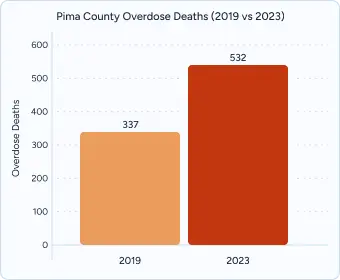
Pima County reported 337 drug overdose deaths in 2019 and experienced a strong increase to 532 fatal overdoses by 2023.
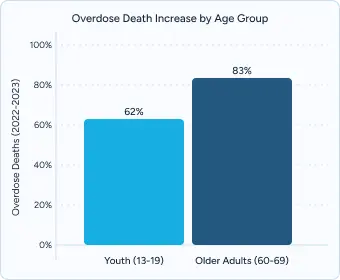
Overdose fatalities among Pima County youth ages 13–19 rose by 62% from 2022 to 2023, while deaths among adults ages 60–69 rose by 83%, highlighting growing risks at both ends of the age spectrum.
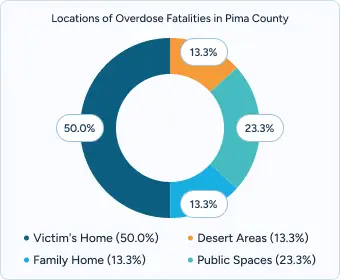
While 13.3% of overdoses occurred in a friend’s or family member’s residence. 23.3% occurred in public spaces and the remaining 13.3% took place in desert areas.
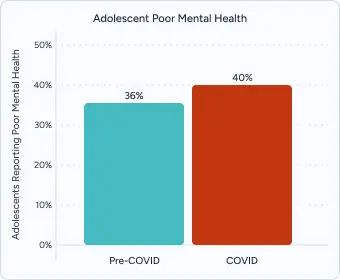
Youth in Tucson face a serious behavioral health challenge that reflects both statewide and local concerns. According to the Arizona Department of Health Services, 40% of adolescents reported experiencing poor mental health during the COVID-19 pandemic, up from 36% in previous years. Female and LGBTQ+ youth reported disproportionately higher levels of anxiety, depression, and self-harm, highlighting widening disparities.
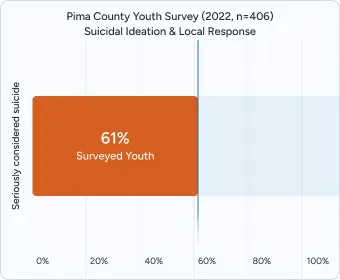
In a 2022 survey of 406 youth in Pima County, Teen Lifeline found that about 61% of youth reported seriously thinking about suicide. Pima County has launched “You Are Not Alone – Youth Mental Health,” a program for young people 24 and under that offers free therapy, suicide prevention services, and support for schools and parents/caregivers.

Tucson addiction treatment centers address immediate needs across neighborhoods through a mix of county, state, and nonprofit resources. Arizona Complete Health–Complete Care Plan, one of the AHCCCS contracted providers, serves as a key access point for treatment information, referrals, and integrated behavioral health coverage under the state’s Complete Care model.
Pima County has significantly expanded access to naloxone in recent years. In 2022, Emergency Medical Services and law enforcement administered 8,053 naloxone doses statewide, with Pima County actively participating in statewide naloxone distribution programs and community training to prevent overdose deaths.
Transportation remains a critical component of treatment access. Sun Tran, Tucson’s regional transit system, connects most neighborhoods to central treatment hubs, while Sun Van ADA paratransit services provide accessible transportation for individuals with disabilities seeking care.
Under Medicaid expansion, AHCCCS covers residents up to 138% of the federal poverty level, including services such as medical detox, residential treatment, outpatient counseling, and medication-assisted treatment (e.g., buprenorphine, methadone, naltrexone).
As of October 1, 2022, AHCCCS integrated behavioral health services into Complete Care plans, ensuring members with serious mental illness and co-occurring conditions receive coordinated medical and behavioral health treatment under a single plan.
Arizona Complete Health–Complete Care Plan offers coverage for eligible children and adults, providing services such as crisis services, outpatient therapy, recovery coaching, and peer support. Enrollment is available through the AHCCCS online portal or by calling 1-888-788-4408, with applications supported in Spanish.
For residents not eligible for AHCCCS, Pima County collaborates with community health centers and nonprofits to provide financial assistance, sliding-scale fees, and naloxone distribution through county-funded opioid response initiatives.
The Haven Detox – Arizona, located in Green Valley, serves residents of Tucson and surrounding communities and accepts most major insurance plans, including AHCCCS/Medicaid, and offers transportation support for residents traveling from surrounding regions. Learn more about personalized admissions by calling the 24/7 helpline (520) 614-1800 for personalized guidance.
Private addiction treatment centers serving the Tucson area can reduce barriers to care by offering streamlined insurance verification, rapid assessments, and access to evidence-based therapies such as cognitive behavioral therapy (CBT), dialectical behavioral therapy (DBT), and trauma-focused interventions. Many also integrate holistic services to support recovery on multiple levels.
Private facilities may offer advantages compared to state-funded programs, including:
Mental health resources in Tucson reach across multiple neighborhoods, with several trusted providers offering services for depression, anxiety, trauma, and co-occurring mental health and substance use disorders. These programs feature culturally responsive care, including Spanish-language services, trauma-informed approaches, and support across age groups.
Resilient Health offers a wide range of mental health therapy and behavioral health services in Tucson. This includes individual, family, and group therapy; peer support and mentoring; wellness groups; and treatment for co-occurring disorders.
Casa de los Niños provides behavioral health services in Tucson schools, including trauma-informed care for children, teens, and families. They partner with over 30 elementary, middle, and high schools across districts such as TUSD, Sunnyside, Vail, and others, offering individual and family therapy, school-based counseling, and caregiver-focused programs.
The City of Tucson / Tucson Police Department Mental Health Crisis Line is a 24/7 crisis line you can call at (520) 622-6000 that connects callers with trained counselors for mental health or substance use crises. Staff provide immediate emotional support, assess risk, and can dispatch mobile crisis teams or connect callers to ongoing care. It is not a replacement for 911 but offers a safe, non-emergency way to get help anytime.
HOPE, Incorporated (“Warm Line” / Wellness Recovery Integration) operates a free, confidential phone line for non-emergency peer support, available to residents in Pima, Yuma, Santa Cruz, Cochise, and other Southern Arizona counties. The Warm Line is open daily from 8 AM to 10 PM and connects callers with peer advocates who help with emotional distress, support resources, and community referrals.
NAMI Southern Arizona provides no-cost education, advocacy, and family support services for people affected by mental illness. Their programs include support groups and family education workshops for individuals, caregivers, and loved ones, often including Spanish-language options.
The Arizona Recovery Housing Association (AzRHA) certifies sober living residences across Arizona. Homes certified by AzRHA are inspected annually and must comply with AzRHA’s Code of Ethics and Quality of Care Standards. The statewide network represents over 1,678 beds in certified recovery housing providers.
Oxford House Wilshire Heights (Tucson, AZ 85711) is an Oxford House sober living home with a women’s residence, following the Oxford House model: self-run, drug-free, peer-supported living.
Oxford House Presidio (925 N. 11th Ave, Tucson, AZ 85705) is a male transitional Oxford House home with occupancy for about 12 residents. It operates under the shared, peer-governed sober living model.
Oxford House Sentinel, located at 450 S Rosemont Blvd, Tucson, AZ 85711, is a sober house for men. It is part of the Oxford House network, which emphasizes peer accountability and sobriety in a communal living environment.
Alcoholics Anonymous Tucson (A.A.) maintains a large schedule of weekly meetings across Pima County, offering multiple meetings daily in neighborhoods including Midtown, Northwest (Oro Valley/Marana), East, South, and Southeast Tucson. Meeting types include open, closed, newcomer, and discussion formats, many of which are accessible via the Sun Tran transit system. You can call the Tucson Area Intergroup hotline at (520) 624-4183.
The Southeastern Arizona Area of Narcotics Anonymous provides regular meetings in Tucson, with listings for groups such as the Groundhog Group in Fort Lowell, Morning Cup of Recovery (virtual and in-person), and newcomer meetings. For more details, reach the NA hotline at (520) 881-8381.
For those who speak Spanish, “Grupo Tucson” is a Spanish-language A.A. meeting held at 2551 S. 6th Ave, Tucson, with weekly meetings.
Effective treatment in Tucson should begin with a comprehensive assessment that evaluates both substance use and mental health conditions, because co-occurring disorders are common. A strong program takes into account substance use history, psychiatric needs, trauma background, and family context to deliver truly whole-person care.
Key components include:
Tucson’s growing and diverse population requires culturally responsive services. High-quality programs may provide:
Choosing a Tucson treatment provider that combines comprehensive assessment, proven therapies, medication support, and cultural competency ensures care that is both effective and responsive to the city’s unique needs.
Effective programs in Tucson start aftercare planning before discharge—lining up outpatient therapy, peer support, and (when appropriate) recovery housing—so there’s no gap when levels of care change. Warm handoffs and case management help people move from crisis or residential care into community services, while Arizona’s integrated AHCCCS model supports coordination across medical, psychiatric, and social needs (e.g., benefits, housing, employment). Local providers such as Family Care Center also maintain ongoing peer groups and recovery classes that keep people connected after the initial phase of treatment.
Trauma-informed care. SAMHSA recommends organization-wide trauma-informed practices and trauma-specific therapies (delivered by trained clinicians) to reduce re-traumatization and improve engagement.
Evidence-based therapies. Core modalities such as Cognitive Behavioral Therapy and Motivational Interviewing are foundational; contingency management has strong evidence for stimulant use disorders and is increasingly supported in guidelines.
Peer & community support. Ongoing peer recovery coaching and recovery groups improve retention and resilience. Tucson providers (e.g., Family Care Center) offer 60+ recovery, wellness, and skills groups that keep residents connected during and after initial treatment.
Professional treatment represents an investment in recovery success, offering immediate access, personalized care, and comprehensive services designed to address the complex nature of addiction and mental health conditions.
Residents of Tucson, AZ can access immediate support and placement into treatment through both public and private providers.
Insurance verification in Tucson is supported by AHCCCS-contracted health plans, including Banner University Family Care and Arizona Complete Health. These programs confirm benefits, identify eligibility for financial aid, and help connect residents without insurance to county-supported services.
Most facilities in Tucson offer same-day comprehensive evaluations, followed by personalized treatment recommendations. Connections Tucson emphasizes “warm handoffs” between crisis stabilization units, detox programs, and long-term treatment to ensure continuity of care. Providers also keep open communication with families, schools, and referring agencies to support readiness for treatment and ongoing engagement.
Most AHCCCS programs schedule initial assessments within 48-72 hours, then connect you with a therapist based on specialization needs and language preferences.
Arizona Medicaid covers individual and group therapy with approved providers; verify your specific plan details and copayment requirements through your health plan’s member services line.
Yes, Grupo Tucson offers Spanish-language Alcoholics Anonymous meetings. These are held at 2551 S. 6th Ave, Tucson, weekly.
Several nonprofits provide sliding-scale fees and grant-funded treatment; contact the Pima County Health Department’s mental health and addiction line at (520) 724-7470 for uninsured resident resources.
Some local programs offer limited bus pass or gas-voucher assistance. Sun Tran currently operates fare-free (normally it offers an Economy Fare discount for eligible riders), and AHCCCS members can request non-emergency medical transportation to covered appointments through their health plan.
Crisis hotlines (520) 622-6000 and mobile response teams operate 24/7—call immediately for mental health or substance-related emergencies requiring intervention.
Yes. NAMI Southern Arizona offers free family-to-family support groups, while Al-Anon meetings guide families affected by addiction issues. You can also walk into the Crisis Response Center any time for urgent help and linkage to services for you or your loved one.
Yes, there are many. Look for Native American healing circles through local tribal health centers, LGBTQ+-affirming groups at various community centers, and Spanish-language services through most major providers.
Yes. Many programs offer age-specific groups for 18-25 year old, college outreach through University of Arizona partnerships, and young adult peer support networks.
Let’s talk about what’s going on — no judgment. (We’ve been there before ourselves). No one will know you inquired and there is no commitment to call.
24/7 Support
No Commitment
100% Private

Why Wait?
Get Answers Now
You’re here because you know you need help. Let’s talk through it together. There’s no commitment and it’s 100% confidential even to check your insurance.
100% Confidential
Why Wait?
Get Answers Now
You’re here because you know you need help. Let’s talk through it together. There’s no commitment and it’s 100% confidential even to check your insurance.
100% Confidential
