100% Confidential



Cotton fever is a temporary illness that happens when cotton or other dirty tools are used to prepare drugs before injecting. For individuals struggling with injection drug use, substance use treatment can help address the underlying addiction.
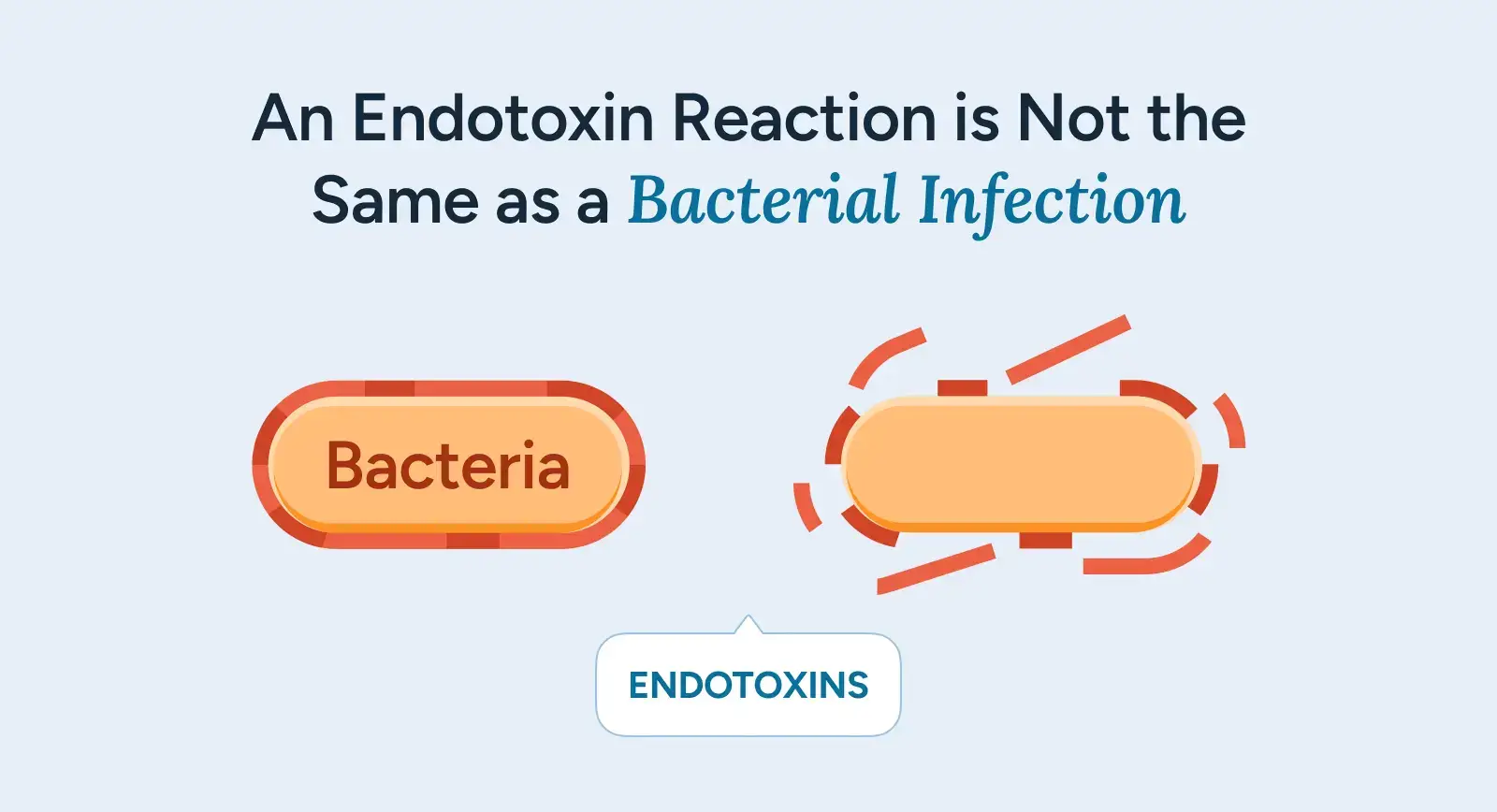
It is not usually an active bacterial infection, but caused by the immune system’s responding to contaminants like cotton fibers or fragments of bacterial cells (endotoxins). The immune response causes symptoms like fever and body aches that usually start 15-30 minutes after the Intravenous Drug Use (IVDU) and usually go away on its own within 24 hours.
If symptoms last longer than a day or get worse, it’s important to seek medical care, as it could be a sign of a more serious infection like sepsis or endocarditis.
“Cotton fever is miserable and more dope doesn’t help. It feels like the worst part of a flu or bring dope sick. You need to get rid of all your works and get new everything.”
“I remember my teeth chattering away cause of how cold I felt. Pain and headache unbearable, and sometimes non stop throwing up for an hour or two.”
“Found an old needle and did a shot. Fifteen minutes later, I felt like I got hit by a truck. I had to lay down or puke. My hips and lower back pain were 10/10.”
Symptoms often begin within 15-30 minutes, but can also develop gradually over a few hours. Symptoms should resolve on their own within 24 hours, typically in just two or so hours.
If symptoms last longer than a day or worsen, it’s important to seek medical attention because it could be more than cotton fever going on (e.g., serious bacterial infections requiring antibiotics).
Though one study found more than half of IV opioids users report experiencing cotton fever, it is not a formally recognized medical diagnosis. The symptoms are best described as a bacteremia-like reaction.
While cotton fever symptoms resemble bloodstream infections, it is not an active bloodstream infection in most cases. It lacks the microbial growth or systemic damage associated with true bloodstream infections.
Instead, cotton fever is a result of the body’s immune response to bacterial endotoxins or contaminants introduced during injection drug use, often from the cotton used as a filter when preparing drugs for injection.
Bacterial Contamination
Cotton filters can harbor bacteria, most commonly Pantoea agglomerans. When these bacteria die or break apart, pieces of their cell walls, called endotoxins, are released.
If endotoxins enter the bloodstream, they can trigger the body’s immune system to react as if fighting an infection, even though there may not be a full-blown infection. This immune reaction causes symptoms like fever, chills and body aches.
Contamination can occur from handling non-sterile cotton, reusing cotton filters or using non-sterile water to dissolve drugs.

Non-Bacterial Irritants
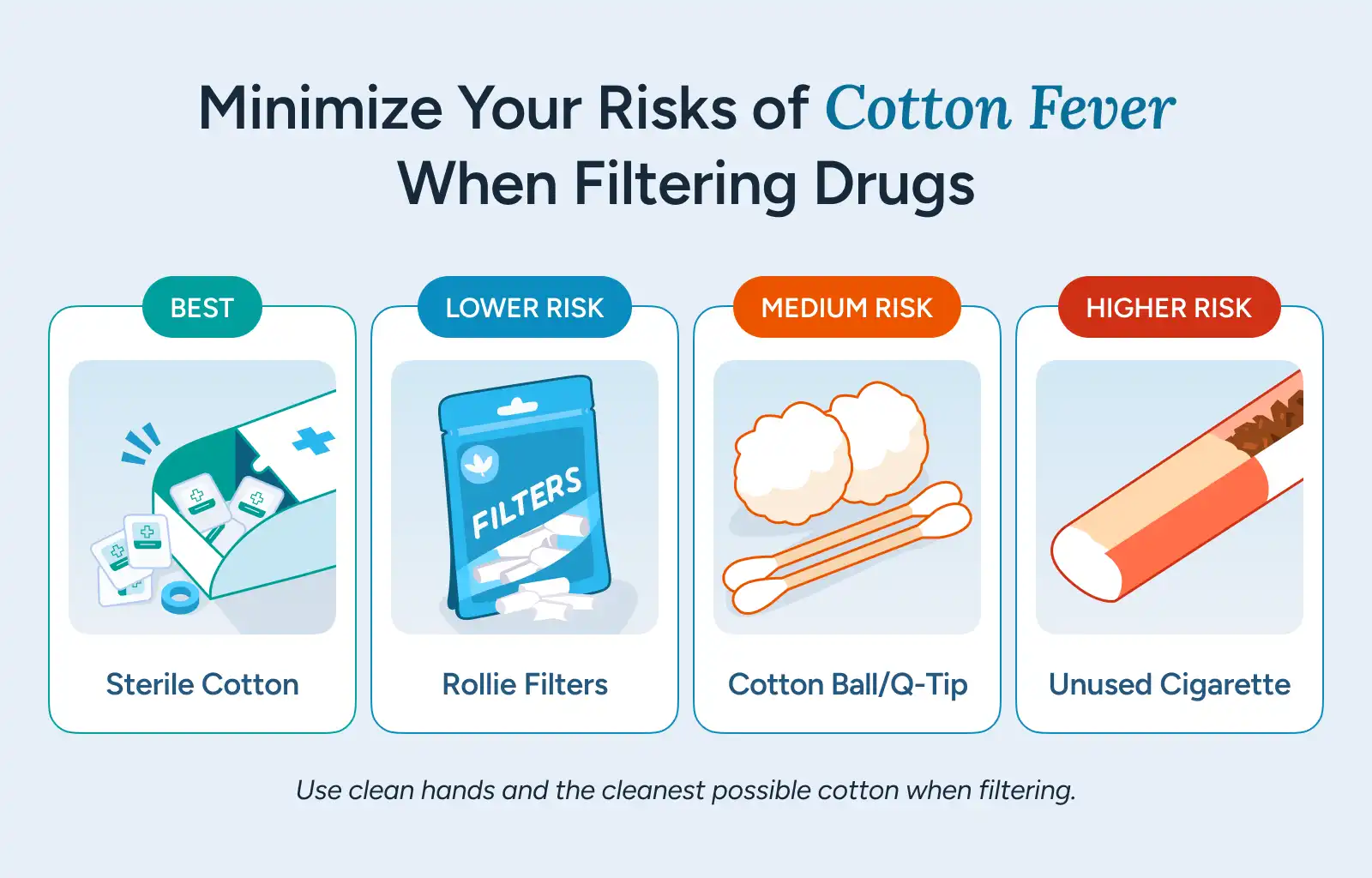
Cotton itself, especially non-medical-grade cotton or substitutes like cigarette filters, may release fibers into the bloodstream if not properly filtered. These fibers can irritate blood vessels and provoke an inflammatory response.
Impurities or additives in the drug solution can also act as irritants, compounding the body’s reaction and mimicking infection-like symptoms.
While cotton fever is typically not serious, other IV drug use infections like sepsis, endocarditis or abscesses have similar symptoms but require urgent medical care.
| Condition | Key Differences From Cotton Fever | Unique Symptoms to Watch For |
|---|---|---|
| Endocarditis | Fever lasts longer than 12-24 hours and may worsen. Linked to a heart murmur or prior heart conditions. | Heart murmur, night sweats, weight loss, swollen extremities and red spots on skin or under fingernails. |
Sepsis  |
Systemic infection causing more severe symptoms, including confusion and very high or low body temperature. | Rapid breathing, low blood pressure, confusion, blue lips or nails and extreme fatigue. |
| Cellulitis | Localized redness, swelling and pain at the injection site. Often without systemic symptoms unless infection spreads. | Warm, red skin around the injection site with tenderness and swelling. |
| Abscesses | Localized pus-filled lump near injection site, often with throbbing pain. | Visible lump under the skin, drainage of pus and significant tenderness. |
| Pneumonia | Fever accompanied by respiratory symptoms and chest pain. Often unrelated to injection site. | Cough (with or without mucus), shortness of breath and chest pain. |
| Hepatitis C (Acute Phase) | Typically involves systemic symptoms rather than an acute fever like cotton fever. | Jaundice (yellowing of skin/eyes), dark urine and pale stool. |
| HIV (Acute Phase) | Longer-lasting flu-like symptoms, no immediate connection to injection events. | Sore throat, swollen lymph nodes, mouth ulcers and a rash. |
| Deep Vein Thrombosis (DVT) | Pain and swelling near the injection site without systemic fever unless infected. | Swelling, redness, warmth and sharp pain in the affected limb. |
| Drug Contamination Reactions | Immediate severe reaction after injection, often involving nausea and body discomfort. | Intense sweating, nausea, vomiting or sudden hives/rash. |
| Withdrawal Symptoms | No true fever; symptoms often involve sweating, chills, and flu-like feelings tied to opioid withdrawal. | Restlessness, diarrhea and dilated pupils. |
| Foreign Body Reaction | Persistent irritation or swelling near the injection site due to non-sterile equipment. | Local swelling, redness and mild fever, often resistant to standard antibiotics. |
Cotton fever typically resolves on its own within 12-24 hours as the body clears the irritant or bacteria causing the symptoms. However, managing discomfort and monitoring for serious complications are key.
Rest and Hydration
Fever Support
Eat Light
Avoid Further Infection
Cotton fever is preventable. Taking precautions when injecting can significantly reduce the risk of developing this condition.
Use Sterile Equipment
).
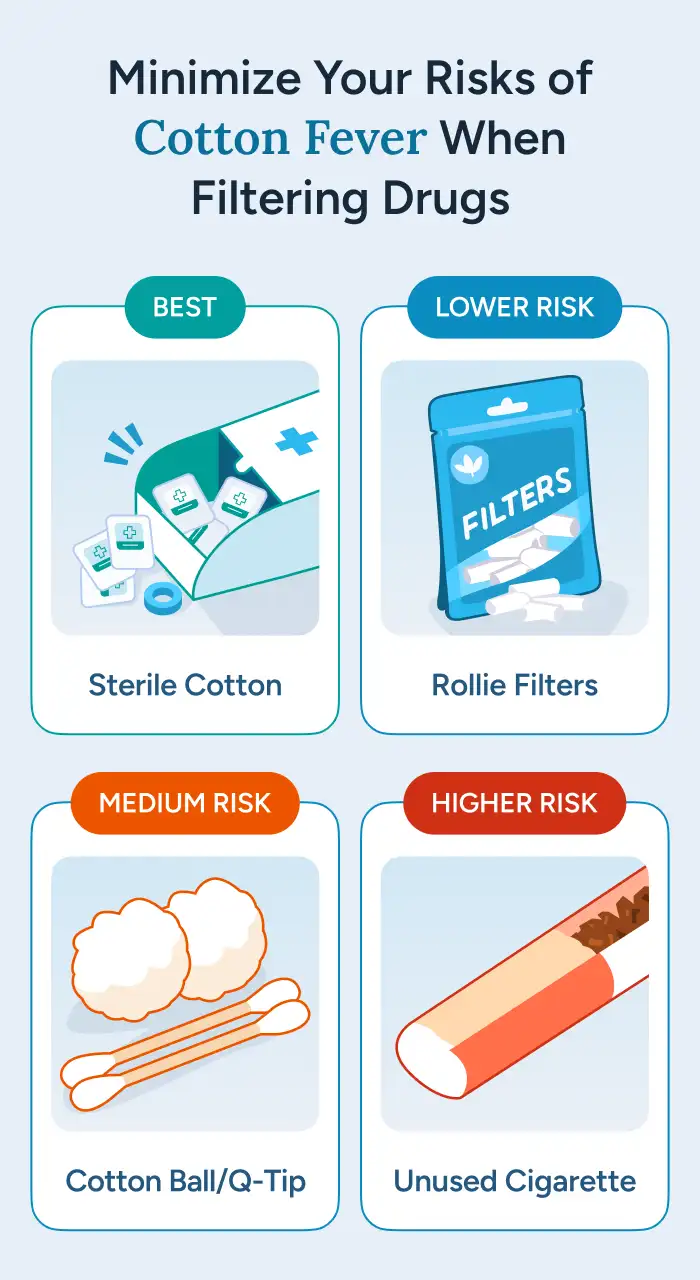
Prepare Drugs Safely
Practice Good Hygiene
Avoid Shared Supplies
Inspect Materials
Harm reduction organizations across the United States provide access to sterile injection supplies, fentanyl test strips, naloxone and other resources that can help reduce the risks associated with injection drug use.
If you or someone you know uses injection drugs, you can find local harm reduction services through the North American Syringe Exchange Network (NASEN).
Stopping injection drug use can help prevent cotton fever and reduce the risk of serious complications, including bloodstream infections, abscesses and endocarditis.
For people who are struggling to stop using drugs, professional treatment can provide medical support and help address the underlying substance use disorder. The Haven Detox Group offers substance use treatment options for individuals seeking help with drug addiction and recovery.
Sources