

 100% Confidential


Benzodiazepines have a complicated reputation. Many people are told early on that these medications can be habit-forming or dangerous if misused. So when they show up in a detox plan, it can feel confusing or even alarming.
One of the most common fears is the idea of “replacing one drug with another.” Detox is supposed to be about stopping substances, not adding new ones. What often gets lost is the difference between short-term medical stabilization and long-term treatment. Benzodiazepines used during detox are part of medication-assisted treatment, a temporary safety plan, not a new dependency.
Another source of confusion is how quickly benzodiazepines work. They can calm anxiety, tremor, and agitation within a short period of time. That fast relief can make people worry that they are masking the problem rather than addressing it. In reality, the goal during detox is to prevent the nervous system from becoming overwhelmed while the body adjusts.
Benzodiazepines also feel different from many other detox medications because they act directly on anxiety and panic. When someone is already frightened or destabilized, that can raise questions about control, safety, and what happens next. Clear explanation matters here. When people understand the purpose and limits of these medications, fear tends to decrease.
During withdrawal, the nervous system can become overstimulated. Substances like alcohol and benzodiazepines slow brain activity over time. The brain adapts to that slower pace. When the substance is suddenly reduced or stopped, the brain does not immediately return to balance. Instead, it can swing in the opposite direction.
This is why withdrawal often comes with symptoms like intense anxiety, shaking, restlessness, and difficulty sleeping. In more severe cases, the brain’s overactivity can trigger seizures or periods of confusion.
A key part of this process involves a chemical messenger in the brain called GABA. GABA helps calm nerve signals and prevent the brain from firing too rapidly. Alcohol and benzodiazepines both increase GABA activity. When they are removed, GABA signaling drops, and the nervous system loses some of its natural braking system.
Benzodiazepines used during medically supervised detox temporarily support that calming system. Their role during withdrawal includes:
They do not “fix” withdrawal, and they do not eliminate the underlying condition. Their purpose is to reduce risk and create stability during a short, medically supervised window.
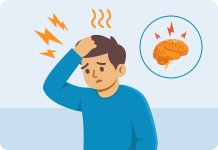


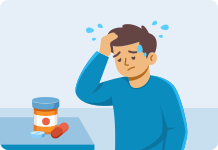
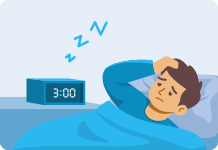
Alcohol withdrawal affects the brain in a way that can become medically dangerous without support. Long-term or heavy alcohol use suppresses the nervous system. When alcohol is removed, the brain can rebound into a state of extreme overactivity.
This overactivity is what increases the risk of seizures during alcohol withdrawal. In some cases, it can also lead to a condition called delirium tremens. This involves confusion, disorientation, and severe nervous system instability. Not everyone experiences this, but when it occurs, it requires medical care.
Because of these risks, benzodiazepines are widely used in alcohol detox settings. They are considered first-line treatment in hospitals and accredited detox programs because they help stabilize the nervous system and reduce the likelihood of seizures.
In this context, benzodiazepines are not used to sedate someone unnecessarily. They are used to protect the brain during a high-risk period. Dosing is adjusted based on symptoms, medical history, and how the body responds over time.
For people entering alcohol detox, the use of benzodiazepines is not a sign that withdrawal is “worse” or that something has gone wrong. It reflects established medical practice designed to reduce preventable complications.
Benzodiazepines can carry risks, especially when used long-term or without supervision. That is often what people have been warned about. Detox is different.
During medically monitored detox, benzodiazepines are used for a short period of time and under continuous clinical oversight. The goal is stabilization, not ongoing use. Safety comes from how these medications are prescribed, monitored, and discontinued.
Several factors reduce risk during detox:
When used this way, benzodiazepines are not meant to create dependence. They are used to reduce immediate risk during a vulnerable phase. For many people, their careful use during detox makes the process safer and more tolerable than trying to withdraw without support.



Stopping alcohol or certain medications suddenly without medical support can place significant stress on the brain and nervous system. Withdrawal is not just about discomfort. It involves real neurological changes that can escalate quickly without warning.
When substances like alcohol or benzodiazepines are removed, the nervous system may become dangerously overactive. This can lead to severe anxiety, confusion, unstable vital signs, and in some cases seizures. These risks are not always predictable based on how someone feels at the start.
Medical detox exists to manage this unstable period safely. Medication-assisted withdrawal may be used when appropriate to slow excessive brain activity, reduce risk, and help stabilize the nervous system while symptoms change.
“Cold turkey” detox removes those safeguards. Without medical oversight, there is no way to know whether symptoms will remain manageable or escalate into a medical emergency. This is why detoxing at home or without support carries real risk, even for people who believe they can tolerate discomfort.
Opioid withdrawal can be intense and distressing, but it usually does not carry the same seizure risk as alcohol or benzodiazepine withdrawal. Because of this, benzodiazepines are not routinely used as the primary medication during opioid detox.
Instead, opioid detox typically focuses on medications and supports that directly address opioid withdrawal, including:
In some cases, benzodiazepines may be used briefly and cautiously during opioid detox. This is usually limited to situations such as:
When benzodiazepines are used in opioid rehab, they are supportive rather than central, prescribed at the lowest effective dose, and closely monitored.
This distinction matters. Detox plans are built around the substance involved and the body’s response, not a single standard approach.
Benzodiazepines are not automatically started for everyone in detox. Their use depends on symptoms, medical history, and the level of withdrawal risk. When they are used, it is with a clear plan for monitoring and discontinuation.
Throughout this process, the focus remains on short-term safety. Benzodiazepines are used as a temporary support while the body regains balance, not as a long-term solution.
Detoxing from benzodiazepines requires a different approach than detoxing from alcohol or opioids. These medications act directly on the nervous system, and the brain often adapts to their presence over time. Because of that, stopping them suddenly can be destabilizing and, in some cases, dangerous.
For this reason, benzodiazepine detox focuses on gradual stabilization rather than abrupt stopping. In medical settings, this often involves transitioning to a longer-acting medication and then slowly reducing the dose. This allows the brain time to adjust while keeping symptoms manageable.
Anxiety during detox can be intense and unfamiliar, even for people who have lived with anxiety before. It may feel sudden, physical, and difficult to control. Many people seeking detox for anxiety and depression are surprised by how suddenly symptoms can appear during withdrawal. It may feel sudden, physical, and difficult to control. This is often the nervous system reacting to withdrawal rather than a sign that something is going wrong.
During detox, anxiety can come from more than one source:
Benzodiazepines can help reduce acute panic and agitation during detox by calming excessive nervous system activity. Their role is short term and focused on stabilization. They are not intended to manage anxiety long term.
As detox progresses, care usually shifts toward approaches better suited for ongoing anxiety, such as:
For many people, anxiety eases as the nervous system regains balance. If it does not, that information helps guide the next phase of care. The goal during detox is safety and stabilization, not eliminating every uncomfortable sensation. Feeling anxious does not mean detox is failing.
Benzodiazepines can be helpful during detox, but they are not the right medication for everyone. Deciding whether to use them involves weighing potential benefits against individual risks.
There are situations where benzodiazepines may be used cautiously, at lower doses, or avoided altogether. This can include:
In these cases, other medications and supports are often used to manage withdrawal and anxiety. These may include non-benzodiazepine medications that calm the nervous system, address sleep disruption, or reduce physical symptoms without the same risks.
This decision is not a judgment. It is part of individualized medical care. The absence of benzodiazepines in a detox plan does not mean someone is being denied comfort or support. It means the care team is choosing the safest tools for that specific situation.
Clear communication matters here. When people understand why a medication is or is not being used, it reduces fear and builds trust during an already stressful time.
Trying to push through alcohol or benzodiazepine withdrawal at home can become dangerous quickly, especially when anxiety, confusion, or neurological symptoms begin to escalate.
Medical detox provides a safer landing. Symptoms are monitored, medications are used only when appropriate, and care can be adjusted as the nervous system stabilizes.
At The Haven Detox, calls are answered by people who understand withdrawal and mental health crises. A conversation can help clarify what is happening and whether medical detox is the right next step. Most insurance plans cover detox and the medications used during withdrawal.