100% Confidential



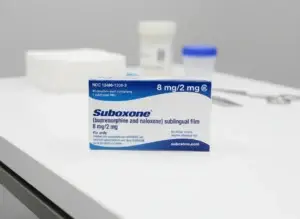
In January 2022, the FDA issued a warning about dental problems associated with Suboxone.
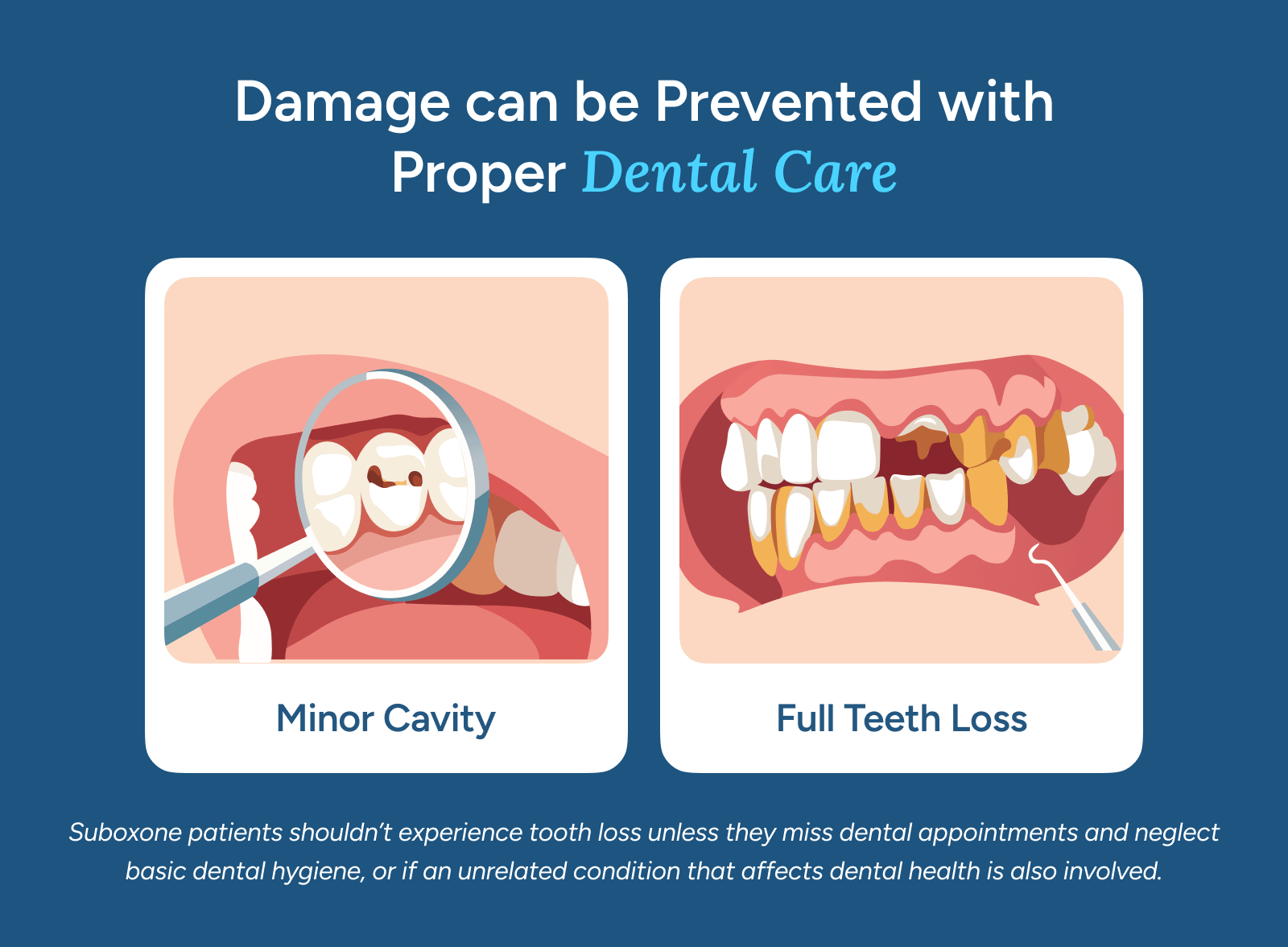
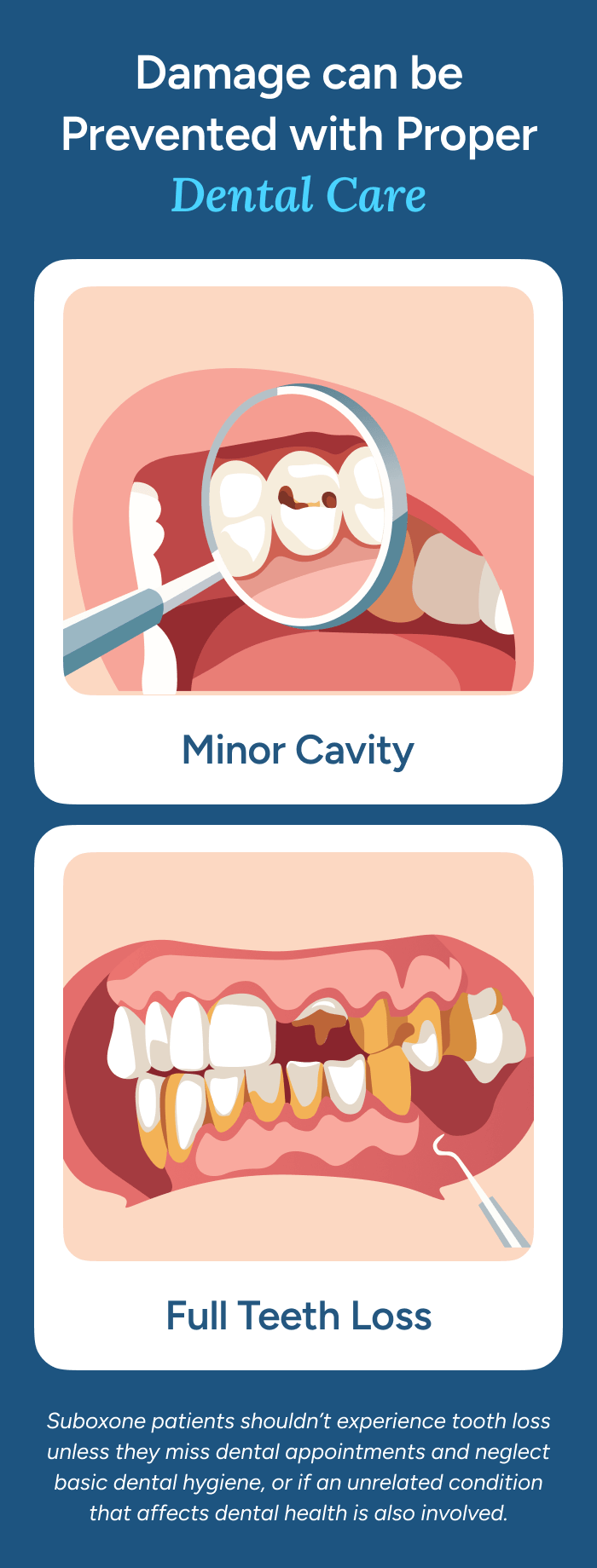
Tooth decay, cavities, dental infections, tooth erosion and occasionally complete tooth loss have been reported, even in patients with no history of dental issues. 
Suboxone does not directly rot your teeth but contributes to dental problems because it dissolves in the mouth. The ingredients create an acidic, dry environment that increases the risk of dental issues.
Good dental hygiene and regular dental check-ups should prevent serious dental problems while taking Suboxone.
Skip to: Tips To Prevent Dental Issues | Suboxone Teeth Lawsuit
Suboxone can create an environment in the mouth that is conducive to teeth damage over time. However, a few modifications to your daily routine can usually rebalance your mouth and prevent long-term issues.
Suboxone has a low pH of 3-4.5 creating an acidic environment in the mouth. A 2023 study found that medications with a pH below 5.5 can dissolve enamel over time making teeth more susceptible to decay.
Suboxone is known to reduce saliva production, leading to dry mouth. Saliva is critical in maintaining oral health by neutralizing acids, washing away food particles and providing minerals to repair enamel.
Research has shown that patients with xerostomia are up to three times more likely to develop dental issues compared to those with normal saliva levels.
The dry mouth caused by Suboxone also disrupts the natural balance of bacteria in the mouth.
Saliva normally keeps harmful bacteria like Streptococcus mutans in check while supporting beneficial bacteria. When saliva is reduced, acid-producing bacteria flourish, leading to more plaque formation and faster tooth decay.
A 2021 study revealed that patients with xerostomia had higher concentrations of S. mutans and other cavity-causing bacteria.
Suboxone is typically administered sublingually (under the tongue) or buccally (between the cheek and gum), allowing the medication to remain in the mouth for prolonged periods.
This increases the exposure of teeth and gums to acid and other components of the medication, further contributing to enamel erosion and gum irritation.
Whether taking Suboxone or not, anyone without proper dental hygiene is at risk for dental issues. Dental side effects of Suboxone can usually be fully mitigated with the advice below.
After dissolving the Suboxone, rinse your mouth with a pH-neutralizing solution to stop acidity buildup such as:
Avoid:
Brush teeth at least twice daily and after any sugary or acidic drinks or food. Don’t forget to massage the gums when you brush too.
Use a soft-bristled toothbrush to prevent enamel abrasion (EX: Oral-B Pro-Health Soft Toothbrush or GUM Technique Deep Clean Soft Toothbrush).
Use toothpaste with fluoride and calcium phosphate to strengthen enamel and protect against decay (EX: Sensodyne Pronamel Toothpaste or Colgate Enamel Health). Consider letting the toothpaste sit on teeth for an extra minute without spitting or rinsing to allow active ingredients to work.
If you notice your mouth feels dry, any of the options below can be helpful.
If dental issues persist, the same active ingredient in Suboxone (buprenorphine) is available in the form of a monthly injection called Sublocade. This option removes any dental issues since the medication is not dissolved in the mouth.
As of 2024, over 600 lawsuits have been filed alleging that Indivior (the manufacturer of Suboxone) neglected to inform patients of the dental risks.
Suboxone dental cases have been consolidated into a multidistrict litigation (MDL) in the U.S. District Court for the Northern District of Ohio. You file locally, but your case is transferred to the MDL court for evidence collection, expert testimony and other pretrial activities to make the process faster and more organized. The case can be settled or dismissed in the MDL court or go back to your local court for resolution.
Unlike a class-action lawsuit, each plaintiff in an MDL can receive a different settlement amount based on their specific circumstances.
Patients with recent documented dental issues who used Suboxone before the prescribing information was updated in 2022 are most likely to qualify for a payout from a Suboxone lawsuit.
The statute of limitations for filing a Suboxone-related lawsuit varies by state and individual circumstances. Consult a qualified attorney to understand the deadlines that apply to your situation.
You can still contact a lawyer for advice, even if you believe the filing deadline may have passed.
Plaintiffs seek compensation for medical expenses related to dental treatments, as well as pain and suffering. Estimates suggest potential compensation ranging from $10,000 to over $150,000, depending on the severity of the dental injuries.
To learn more, contact a lawyer. They will help determine if your situation is eligible for legal action – whether the MDL lawsuit or something like doctor negligence. Most law firms work on a contingency basis, meaning fees are only deducted from the settlement if you win.
If you’re looking to start Suboxone, don’t let the teeth side effect scare you. Proper dental care can help manage the risks, and The Haven Detox Group can help you explore substance use treatment options.
If you’re looking to stop Suboxone because of dental or other issues, don’t stop cold turkey! Our team at The Haven Detox Group can help you explore a medically supervised taper and provide ongoing treatment support to help reduce the risk of relapse.
Sources