What Xanax Treats During Detox
During alcohol withdrawal, your brain and body are reacting to the sudden absence of alcohol, which can make everything feel more intense. You might feel on edge, restless, or unable to relax, even when you want to.
In some cases, a medication like Xanax may be used short-term to help ease symptoms such as:1,3
- Anxiety or panic
- Agitation or irritability
- Trouble sleeping
- Rapid heart rate
- Sweating
How Xanax Works in the Body
Xanax works by increasing the effects of a calming chemical in your brain called GABA. Alcohol affects this same system.
When you drink regularly, your brain adjusts by relying on that calming effect. Over time, it becomes less able to regulate itself without alcohol. When alcohol is suddenly removed, the brain becomes overactive.
This is what causes withdrawal symptoms like anxiety, restlessness, a racing heart, trouble sleeping, and in more severe cases, seizures.
Xanax works on the same pathway as alcohol, which allows it to temporarily restore some of that calming effect. This helps reduce how intense those symptoms feel and lowers the risk of dangerous complications during detox.
When Xanax Is Used During Detox
Xanax is not typically the first medication used in alcohol detox, but it may be used in certain situations to help manage withdrawal symptoms.
Because it works quickly, it may be given short-term during the early stages of alcohol withdrawal when symptoms are more intense.
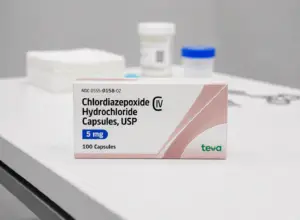
In most cases, doctors choose longer-acting benzodiazepines, such as Valium (diazepam), Librium (chlordiazepoxide), or Ativan (lorazepam), to provide more stable symptom control. However, Xanax may still be used as part of a broader treatment plan, depending on your symptoms, history, and how your body responds.
| Using Xanax During Detox |
Detoxing From Xanax |
| Short-term use |
Stopping Xanax |
| Helps manage symptoms |
Causes withdrawal |
| Medically monitored |
Requires taper |
Xanax Detox vs. Use During Detox
It’s easy to confuse using Xanax during detox with detoxing from Xanax—but they’re very different situations.
When Xanax is used during alcohol detox, it’s given short-term to help your body get through withdrawal more safely. It works on the same calming system in the brain as alcohol, which can help reduce symptoms and lower the risk of serious complications while your body stabilizes.
Detoxing from Xanax is different. In that case, your body has become used to the medication itself. Stopping it suddenly can cause withdrawal symptoms like anxiety, insomnia, or even seizures.
Because of this, Xanax is usually tapered slowly rather than stopped all at once, sometimes using a longer-acting medication to make the process safer and easier to manage.
What Xanax Does Not Treat
Xanax can help take the edge off during detox, but it’s not a cure for addiction, and it won’t stop withdrawal completely. It may ease symptoms like anxiety, restlessness, or trouble sleeping, but it doesn’t treat the root causes of substance use or get rid of cravings.
Think of it more as a short-term detox medication for comfort. It can help you feel a bit more stable while your body goes through withdrawal, but it’s not a replacement for the main detox treatments designed for specific substances.
Safety and Possible Side Effects of Xanax
Alprazolam detox medication can be helpful during detox, like treating anxiety during withdrawal, but there are risks of side effects, which include2:
- Drowsiness
- Dizziness
- Less alert
- Slowed thinking
- Poor coordination
- Mild confusion
When It May Not Be Appropriate
Doctors may choose different medications during detox, especially if you are experiencing alcohol withdrawal and a typical benzodiazepine alcohol withdrawal protocol is not appropriate.
Also, it may not be the best choice if you have a history of benzodiazepine misuse, certain breathing problems, or if you’re taking other alprazolam alcohol withdrawal medications that cause sedation. Using it alongside alcohol or opioids can increase the risk of dangerous side effects like slowed breathing.2
Why Medical Monitoring Matters
During detox, your symptoms can change quickly. A medical provider can adjust your dose, monitor for oversedation, and ensure the medication is used safely and only for the short term. This helps reduce risks and ensures you’re getting the right support as your body stabilizes.
When Withdrawal Requires Medical Detox
Some situations call for medical support during detox to help keep you comfortable and safe. It may be the right choice if any of the following apply to you5:
- A history of heavy alcohol use
- Past withdrawal seizures
- Severe nausea, vomiting, or dehydration
- A fast heart rate or elevated blood pressure
- Use of multiple substances
Getting Help Managing Withdrawal Safely
Withdrawal looks different for everyone, and symptoms can vary and range from mild to severe. Having support in place means that if anything changes, someone is there to help you through it, track changes, manage symptoms, and reduce the risk of complications.
Using Xanax to detox from alcohol is NOT recommended for detoxing at home. Alcohol detox can be fatal and mixing Xanax with alcohol can be even more dangerous. If you are wanting a more comfortable alcohol detox, The Haven Detox Group can help you detox from alcohol safely and comfortably.
Frequently Asked Questions
What is Xanax, and why is it used?
Xanax is a prescription medicine that can help if you’re dealing with anxiety or panic attacks. It works by calming your brain and nervous system, which can ease feelings of stress, fear, and tension. Since it acts quickly, it’s usually used for short-term relief, and it’s important to take it exactly as your doctor prescribes because it can be habit-forming.
How long does Xanax take to kick in and last?
Xanax usually starts working pretty quickly—often within about 15 to 60 minutes after you take it. You’ll typically feel the strongest effects within 1 to 2 hours. Because it kicks in fast, it’s often used for short-term or as-needed relief when you’re dealing with sudden anxiety or panic attacks.
Is Xanax a benzodiazepine or an opioid?
Xanax is a type of medication called a benzodiazepine, which works by using the same pathways alcohol uses to calm your brain. It’s often prescribed to treat anxiety or panic attacks. Just to be clear, Xanax is not an opioid. Xanax is sometimes used as a detox medication to treat alcohol withdrawal symptoms.
Does Xanax help with opioid withdrawal?
While it might help you feel less anxious or sleep a little better for a short time, it doesn’t actually treat the underlying withdrawal symptoms. It can also be risky—especially if you’re using opioids—because combining them with benzodiazepines can slow your breathing and increase your risk of overdose.
That’s why it’s important to go through the Xanax detox process with medical supervision, so you can stay safe and get properly stabilized.
Sources
- Regina AC, Gokarakonda SB, Attia FN. (2024). Withdrawal Syndromes. Retrieved on 3/23/2026 from
https://www.ncbi.nlm.nih.gov/books/NBK459239/.
- George TT, Tripp J. (2023). Alprazolam. Retrieved on 3/23/2026 from
https://www.ncbi.nlm.nih.gov/books/NBK538165/.
- National Institute on Alcohol Abuse and Alcoholism. (2025). Neuroscience: The Brain in Addiction and Recovery. Retrieved on 3/24/2026 from
https://www.niaaa.nih.gov/health-professionals-communities/core-resource-on-alcohol/neuroscience-brain-addiction-and-recovery.
- Edwards Z, Preuss CV. (2024). GABA Receptor Positive Allosteric Modulators. Retrieved on 3/24/2026 from
https://www.ncbi.nlm.nih.gov/books/NBK554443/.
- Canver BR, Newman RK, Gomez AE. (2024). Alcohol Withdrawal Syndrome. Retrieved on 3/24/2026 from
https://www.ncbi.nlm.nih.gov/books/NBK441882/.


 100% Confidential