Harvard Pilgrim Insurance Coverage for Detox, Addiction, & Mental Health Treatment

Overview of the Harvard Pilgrim Addiction & Mental Health Treatment Coverage

Even when you’re committed to making a change and caring for your health, the process can feel overwhelming. Looking at the costs and dealing with insurance can make you wonder if you can afford treatment. If you have Harvard Pilgrim insurance, this guide will help you understand what your plan covers and where to go from here.

Harvard Pilgrim covers many types of mental healthcare, including treatment for substance use. It can help with costs for medical detox as well as residential rehab and outpatient care. Harvard Pilgrim has a system to help decide what level of care is best for you, and it works with your doctor, therapist, and treatment center to do that.


Harvard Pilgrim Addiction Treatment Coverage Summary

Level of Care

Harvard Pilgrim Wording

Covered by Harvard Pilgrim

Medical Detox

Inpatient Rehab (Hospital)

Residential Rehab

Partial Hospitalization (PHP)

Intensive Outpatient (IOP)

Medication-Assisted Treatment (MAT)

Sober Living

Acute inpatient substance use detoxification (hospital or inpatient unit)

Acute inpatient substance use treatment (rehab in a hospital-level setting)

Residential substance use treatment (24/7, non-hospital)

Partial Hospitalization Program (PHP) for substance use

Intensive Outpatient Program (IOP) for substance use

Medication-Assisted Treatment (MAT) for opioid or alcohol use disorders

Not a covered benefit — Harvard Pilgrim specifically excludes boarding or housing tied to treatment

Level of Care

Medical Detox

Harvard Pilgrim Wording

Acute inpatient substance use detoxification (hospital or inpatient unit)

Covered by Harvard Pilgrim

Yes

Level of Care

Inpatient Rehab (Hospital)

Harvard Pilgrim Wording

Acute inpatient substance use treatment (rehab in a hospital-level setting)

Covered by Harvard Pilgrim

Yes

Level of Care

Residential Rehab

Harvard Pilgrim Wording

Residential substance use treatment (24/7, non-hospital)

Covered by Harvard Pilgrim

Yes

Level of Care

Partial Hospitalization (PHP)

Harvard Pilgrim Wording

Partial Hospitalization Program (PHP) for substance use

Covered by Harvard Pilgrim

Yes

Level of Care

Intensive Outpatient (IOP)

Harvard Pilgrim Wording

Intensive Outpatient Program (IOP) for substance use

Covered by Harvard Pilgrim

Yes

Level of Care

Medication-Assisted Treatment (MAT)

Harvard Pilgrim Wording

Medication-Assisted Treatment (MAT) for opioid or alcohol use disorders

Covered by Harvard Pilgrim

Yes

Level of Care

Sober Living

Harvard Pilgrim Wording

Not a covered benefit — Harvard Pilgrim specifically excludes boarding or housing tied to treatment

Covered by Harvard Pilgrim

Not

Harvard Pilgrim Mental Health Benefits Summary

Level of Care

Harvard Pilgrim Wording

Covered by Harvard Pilgrim

Psychiatric Hospitalization

Residential Mental Health

Partial Hospitalization (PHP)

Intensive Outpatient (IOP)

Outpatient Therapy & Psychiatry

Sober Living

Acute inpatient psychiatric treatment

Residential treatment (applies same criteria as SUD residential)

Partial Hospitalization Program (PHP) for mental health

Intensive Outpatient Program (IOP) for mental health

Routine outpatient therapy and psychiatric services

Not a covered benefit

Level of Care

Psychiatric Hospitalization

Harvard Pilgrim Wording

Acute inpatient psychiatric treatment

Covered by Harvard Pilgrim

Yes

Level of Care

Residential Mental Health

Harvard Pilgrim Wording

Residential treatment (applies same criteria as SUD residential)

Covered by Harvard Pilgrim

Yes

Level of Care

Partial Hospitalization (PHP)

Harvard Pilgrim Wording

Partial Hospitalization Program (PHP) for mental health

Covered by Harvard Pilgrim

Yes

Level of Care

Intensive Outpatient (IOP)

Harvard Pilgrim Wording

Intensive Outpatient Program (IOP) for mental health

Covered by Harvard Pilgrim

Yes

Level of Care

Outpatient Therapy & Psychiatry

Harvard Pilgrim Wording

Routine outpatient therapy and psychiatric services

Covered by Harvard Pilgrim

Yes

Level of Care

Sober Living

Harvard Pilgrim Wording

Not a covered benefit

Covered by Harvard Pilgrim

Not

1

Does Harvard Pilgrim Cover Detox?

Your Harvard Pilgrim plan covers 24/7 monitored medically supervised detox. It includes medication to ease withdrawal symptoms from opioids, benzodiazepines, and alcohol. Depending on your needs, you can do residential or outpatient detox with help from medical professionals in the form of therapy and medical exams.

When Harvard Pilgrim Approves it:
  • You feel sick when you try to stop using substances, or you have unsafe withdrawal symptoms, like seizures or hallucinations.
  • You haven’t been able to stop using substances on your own, even though it’s harmful to yourself and your relationships.
  • You have a referral from your doctor and prior authorization from Harvard Pilgrim.
Length of Time Harvard Pilgrim Approves:

If you’re planning to go through a longer substance use treatment program, Harvard Pilgrim will cover detox as part of that. The detox process alone usually lasts 3 to 14 days. Harvard Pilgrim might offer a short period of coverage for that at first.

Your body’s response to treatment won’t look the same as someone else’s. It may take you more or less time to get through the detox phase, which affects how you move forward with treatment. Your treatment center will need to send updates to Harvard Pilgrim to let them know how you’re progressing and if you need a longer coverage period.

2

Does Harvard Pilgrim Cover Psychiatric Hospitalization?

Harvard Pilgrim covers your psychiatric hospitalization for substance use, as well as many other mental health conditions. Your plan benefits cover 24/7 acute care while you get through a mental health crisis and a long-term stay, if you have a medical need for it. You’ll typically receive individual and group therapy, medications, and around-the-clock nursing care.

Harvard Pilgrim uses InterQual Criteria to assess your need for care.1 It has guidelines for what level of care is appropriate for you, as well as information specific to providing behavioral health treatment for your condition.

When Harvard Pilgrim Approves it:
  • You need 24/7 support, and a less structured program would be unsafe for your medical needs.
  • You have an immediate mental health crisis where you may harm yourself or others.
  • You meet Harvard Pilgrim’s internal criteria for this level of care.
  • For substance use, you have a high risk of serious withdrawal symptoms, like seizures or hallucinations, that would be dangerous without immediate stabilization care.
  • You have multiple mental health conditions, like substance use disorder, bipolar disorder, anxiety, or depression, that are seriously impacting your daily life.
  • You have prior authorization from Harvard Pilgrim.
Length of Time Harvard Pilgrim Approves:

The time you spend getting psychiatric treatment is based on what’s appropriate for you, not on a benchmark set by insurance. You may get approval for a shorter time at first. If you’re getting acute treatment, that usually starts with a 14-day approval period, which can be extended if you need it.

Your treatment center will need to send updates to Harvard Pilgrim to extend your stay. Often, you can get coverage for up to 90 days. In certain cases, Harvard Pilgrim will extend it to 120 days. Usually, 120-day coverage is reserved for biologically-based conditions, like schizophrenia and bipolar disorder.

3

Does Harvard Pilgrim Cover Rehab/Residential Mental Health?

Your residential rehab program includes individual and group therapy, detox, medications, and 24/7 monitoring from nursing professionals. These programs give you structure while you work through withdrawal or severe mental health symptoms in a residential treatment for substance abuse setting. Your coverage from Harvard Pilgrim is based on whether you need this level of support according to InterQual guidelines and other criteria.

When Harvard Pilgrim Approves it:
  • You need the kind of structured, 24-hour support of a residential program to stabilize you for your safety. Outpatient treatment or a PHP won’t give you enough support.
  • You’ve harmed yourself or others in the past or are at risk of doing so.
  • For substance use, you have had serious withdrawal symptoms before or are at a high risk of experiencing them now.
  • You have prior authorization from Harvard Pilgrim.
Length of Time Harvard Pilgrim Approves:

For substance use, you’ll usually get an initial approval of 30 days. Continued approval is based on your medical need for it, and Harvard Pilgrim will often cover up to 90 days.

If you need to stay in residential rehab for longer than 30 days, your treatment center needs to submit reports on your progress and request an extension. Some plans limit how long you can stay in a residential program each year, but coverage still depends on what will best support you and your circumstances.

4

Does Harvard Pilgrim Cover Partial Hospitalization Program (PHP)?

Your mental health benefits with Harvard Pilgrim include PHPs. For your coverage to be approved, your program needs to offer 4 to 8 hours of therapy at an accredited facility.

The intent is to help you transition with support and structure from inpatient care (if you were in a residential program) to outpatient treatment. In these programs, you’ll receive individual and group therapy, mental health assessments, and medication management.

When Harvard Pilgrim Approves it:
  • You need more structured support than an outpatient program can give, but you don’t need 24-hour supervision.
  • You don’t have an immediate risk of harming yourself or others.
  • You have a safe place to stay at night and enough support for staying sober outside of the treatment center.
  • You’re working with your provider to create a treatment plan for improving your health.
  • Your PHP provides at least 20 hours of treatment per week.
  • You have prior authorization from Harvard Pilgrim.
Length of Time Harvard Pilgrim Approves:

Your plan probably won’t show a specific length of time or limit for PHP approval. Instead, it’s based on your personal treatment needs and the most supportive approach for you. Harvard Pilgrim usually considers a PHP as a short-term program lasting up to 6 weeks.

Most insurances, including Harvard Pilgrim, start with a short approval time, usually around 2 weeks. Sometimes, your plan has a day limit, but it may not be stated in your benefits. To extend your coverage, your treatment center needs to update Harvard Pilgrim on your progress and explain why you need to continue your PHP.

5

Does Harvard Pilgrim Cover Intensive Outpatient Program (IOP)?

A Harvard Pilgrim intensive outpatient program is intended to help you learn how to stay well more independently while still giving you a structured space. It usually involves 9 to 15 hours of group and one-on-one therapy each week.

In your IOP, you have services available to help you work through stress and trauma. You have clinical support from therapists, psychiatrists, and social workers. If you’ve been in residential treatment or a PHP, this is your next step to help you transition to outpatient care and manage your mental health.

When Harvard Pilgrim Approves it:
  • You have a diagnosed mental health condition, like substance use disorder, PTSD, or depression.
  • Your provider and Harvard Pilgrim have determined this level of care is medically necessary for you.
  • You have enough safety and support outside of the program to maintain your wellness and stay sober without more intensive monitoring.
  • You need the structure of an IOP, as outpatient care alone doesn’t meet your needs.
  • You have prior authorization from Harvard Pilgrim.
Length of Time Harvard Pilgrim Approves:

Your coverage is based on your treatment needs and progress, not on averages and benchmarks. Most IOPs last 30 to 90 days, which is a standard approval period for Harvard Pilgrim. However, if you and your providers feel you need more time in your IOP, you can request an extension.

To get your IOP extended, your treatment center needs to submit updates to Harvard Pilgrim. These reports should detail your progress and explain why you need to stay in your IOP longer.

6

Does Harvard Pilgrim Cover Outpatient Therapy and Psychiatry?

When your mental health and substance use disorder are stable enough to be treated in an outpatient setting, Harvard Pilgrim covers therapy. You receive these services outside of a hospital setting. It’s the least intensive form of treatment and can offer long-term support.

Harvard Pilgrim outpatient therapy includes evidence-based therapies, like Cognitive Behavioral Therapy (CBT), Dialectical Behavioral Therapy (DBT), Eye Movement Desensitization and Reprocessing (EMDR), and Internal Family Systems (IFS). You may also have access to specialized therapies, though these require pre-authorization.

When Harvard Pilgrim Approves it:
  • You have a mental health diagnosis, like substance use disorder, anxiety, or depression.
  • Your mental health condition or substance use is managed safely outside of therapy appointments.
  • You are not in immediate danger of harming yourself or others and can stay sober between sessions.
  • Your provider and Harvard Pilgrim have determined it is medically necessary for your treatment progress.
Length of Time Harvard Pilgrim Approves:

There is no set number of sessions for Harvard Pilgrim outpatient therapy approval. Some states, like Massachusetts, also don’t allow insurance companies to put limits on sessions.

Your therapy approval depends on what you need to manage your substance use and mental health best. Harvard Pilgrim covers in-person and telehealth visits to make therapy accessible to you. There is typically no limit on outpatient therapy visits, as long as they are medically necessary.

Medication Assisted Treatment (MAT)

When you experience serious withdrawal symptoms, or you’re at risk of symptoms like seizures or unstable vital signs, Harvard Pilgrim covers medication-assisted treatment. In these situations, it’s considered medically necessary. Harvard Pilgrim will cover FDA-approved medications for opioid and alcohol addiction, including:

  • Methadone
  • Buprenorphine/naloxone (Suboxone®)
  • Naltrexone

You can get coverage for medication assisted treatment in combination with therapy during detox, inpatient, and outpatient treatment. You may need MAT long-term to help you stay sober and manage your health, and Harvard Pilgrim will keep covering it as long as it’s medically necessary.

7

Does Harvard Pilgrim Cover Sober Living?

If you need the support of a sober living program, Harvard Pilgrim may cover it under certain circumstances. You’re typically only covered if you’ve been in an intensive program, like residential or partial hospitalization programs. You also need to have a dedicated care team supporting your transitional treatment and living situation for coverage to be considered.

Cost Of Detox, Addiction Or Mental Health Treatment With Harvard Pilgrim

It’s normal to worry about the costs of substance use treatment, even when you have insurance. Knowing the possible out-of-pocket costs can help you prepare for each step of your treatment.

This section shows what Harvard Pilgrim covers and what you can expect to pay yourself. These costs vary based on your plan, where you get treatment, and how long you need it. There are resources available to help you get care if you’re struggling to afford it.

  • Deductibles and Out-Of-Pocket Costs
    You may need to pay a certain amount out of pocket before Harvard Pilgrim will fully cover your treatment. This is called a deductible, and the amount varies between plans. Harvard Pilgrim’s yearly deductibles typically range from as low as $1,500 for an individual plan to over $7,500 for some family plans.Harvard Pilgrim covers more of your treatment costs after you’ve met your deductible. However, you still may need to reach your out-of-pocket maximum for the year before your treatment is covered in full.
  • Coinsurance and Copays
    After you reach your deductible, your plan may include coinsurance for your services if you haven’t met your out-of-pocket maximum yet. Coinsurance means you cover a percentage of your treatment costs yourself. That percentage varies between plans, provider tiers, and treatment types, but it often ranges from 20% to 50%.For some plans and outpatient services, you’ll pay a copay. Instead of a percentage, this is a fixed amount you pay every time you receive a specific service. For example, when you go to outpatient therapy, you might pay a $25 copay for each session, and it’s the same every time.If you’ve met your out-of-pocket maximum, Harvard Pilgrim will often cover 100% of your treatment costs.
  • Harvard Pilgrim Detox Costs
    Your detox is usually covered by your plan, but the amount of coverage depends on your plan type, coinsurance, and copays, and where you seek treatment.You’ll pay less out-of-pocket when you go to an in-network treatment center or if you have a lower deductible. A high deductible health plan (HDHP) from Harvard Pilgrim will cost more before your benefits cover your care, while a lower deductible typically comes with higher premiums per month.
  • Harvard Pilgrim Addiction Treatment Costs
    Your plan and deductible will determine how much of your substance use treatment costs you’re responsible for. Harvard Pilgrim covers both inpatient and outpatient services to some degree after you’ve met your deductible.Even once you meet your deductible, Harvard Pilgrim likely won’t cover your full treatment costs until you meet your out-of-pocket maximum. Before you start treatment, check your plan and provider tier, and verify your benefits with Harvard Pilgrim and the treatment center to find out your exact costs.
  • Therapy Copays
    You’ll usually have a set copay for outpatient therapy sessions. Copays are typically less than coinsurance. With Harvard Pilgrim, a copay for a mental health visit to a therapist or psychiatrist ranges from $0 for your first visit to $25.Harvard Pilgrim also covers telehealth therapy. Those copays are the same as an in-person session.
  • Psychiatric Medication Costs
    Harvard Pilgrim organizes medications into 5 tiers. Costs are based on 30-day supplies and are broken up according to generics, brand-name, and specialty drugs:

    • Tier 1: Generics with a $5 copay
    • Tier 2: Preferred brand-names with a $25 copay
    • Tier 3: Non-preferred brand names with a $45 copay
    • Tier 4: Preferred specialty brand names with a $160 copay
    • Tier 5: Non-preferred specialty brand names and other high-cost prescriptions with 20% coinsurance up to $250

    These costs also depend on whether you’ve met your deductible and factors related to your specific plan. You may need to get prior authorization for certain medications.


Harvard Pilgrim In-Network vs. Out-Of-Network

Your costs and coverage depend largely on whether you seek care in-network or not. When you know the difference between in- and out-of-network, you can prepare more accurately for your costs.

  • In-network: In-network providers have a contract with Harvard Pilgrim with set rates for care. That means you pay less out-of-pocket for services and are less likely to face unexpected healthcare costs. These providers are usually more affordable for you.
  • Out-of-network: Out-of-network providers do not have contracts with Harvard Pilgrim. The out-of-pocket costs for services are more unpredictable, and Harvard Pilgrim usually covers a lower percentage of costs. It may not cover your care with these providers at all, so you have higher bills.


Harvard Pilgrim Networks

Harvard Pilgrim offers different types of plans with their provider networks, and coverage varies among them. The treatment centers covered and out-of-pocket costs depend on your plan and network. Your network also affects whether you need a referral or pre-authorization for your treatment.

Harvard Pilgrim serves Maine, Massachusetts, New Hampshire, Connecticut, and Rhode Island. Before you start treatment, talk to the treatment center to confirm your benefits and what they cover.

ChoiceNet Preferred Provider Organization (PPO)

  • Most popular employer-sponsored plans
  • No referrals needed for specialist care
  • Provides coverage with providers outside of New England
  • Covers some out-of-network care

Health Management Organization (HMO)

  • Requires you to choose a PCP to coordinate your care
  • Referrals are required to see a specialist
  • Out-of-network care is typically not covered
  • Lower premiums, copays, and deductibles

Limited Network Plans

  • Uses a small network of providers
  • Requires you to choose a PCP and get referrals for specialist care
  • Low premiums, but may have higher deductibles and coinsurance
  • Does not usually cover out-of-network care

Tiered Network Plans

  • Tier 1 has lower costs and copays
  • Tiers 2 and 3 have higher out-of-pocket costs
  • Providers are assigned to each tier
  • Prioritizes accessible, lower-cost care while still offering flexible options
  • Most require referrals for specialists

Low-Cost Provider Plans

  • Recommends certain networks (LP providers) for lower costs
  • Most don’t require referrals to specialists
  • No deductible and lowest copays for certain services, like lab work
  • Higher deductibles and coinsurance for non-LP providers

Employer-Specific Plans

  • Customizes plans based on group needs
  • Offers access to the New England Network, allowing for national urgent care access
  • Coverage varies based on plan type

Virtual Plans

  • Doctor On Demand platform provides 24/7 access to providers
  • Covers virtual visits, including for mental health
  • Prioritizes digital and virtual services
  • Does not offer emergency care

Detox, Addiction, & Mental Health Centers That Accept Harvard Pilgrim

Before you start care, The Haven Detox works with Harvard Pilgrim to clarify your benefits and ensure you’re covered. The admissions team can explain your expected costs and submit your pre-authorization for you, so you can start treatment with less uncertainty and anxiety.

Harvard Pilgrim doesn’t offer insurance plans outside of New England. That doesn’t mean treatment centers in other states won’t accept your coverage. For national treatment centers and therapy, you’ll need to search through the UnitedHealthcare network to find providers that accept Harvard Pilgrim.

Arizona

Accepts Harvard Pilgrim

Aerial view of The Haven Detox Arizona facility with mountain backdrop

Harvard Pilgrim Insurance Coverage for Detox, Addiction, & Mental Health Treatment in Arizona

If you already have Harvard Pilgrim insurance, you can access care at many Arizona substance use treatment facilities. However, if you live in Arizona or any state outside of New England, Harvard Pilgrim does not offer insurance policies in these areas.

  • Phoenix & Scottsdale (Maricopa County): The UnitedHealthcare network search shows over a thousand treatment centers and in-network therapists in the Phoenix area. These providers include outpatient and residential care for substance use disorder and other mental health conditions.
  • Tucson (Pima County): The Tucson area has hundreds of licensed therapists and mental health treatment centers accessible nearby. That includes many inpatient facilities in Pima County, like The Haven Detox in Green Valley, where you can get care covered by Harvard Pilgrim through the UnitedHealthcare national network.

Harvard Pilgrim Employer Plans in Arizona

Harvard Pilgrim does not offer employer plans in Arizona or any state outside of its New England network.

Harvard Pilgrim Exchange Plans in Arizona

Harvard Pilgrim does not offer plans on the Arizona ACA Marketplace.

Harvard Pilgrim & Arizona Medicaid

Harvard Pilgrim does not offer Medicaid plans in Arizona. However, it offers Medicare Supplement options in certain New England states that may help you afford care if you already have a Harvard Pilgrim plan.

Arizona Unique Harvard Pilgrim Coverage Information

If you choose to seek mental healthcare in Arizona with Harvard Pilgrim insurance, you’ll need to find a treatment center in the UnitedHealthcare national network. Harvard Pilgrim often covers holistic therapies, so you may be able to get coverage for outdoor or environmental therapy as a support to the evidence-based models a typical plan covers.

Florida

Accepts Harvard Pilgrim

Front entrance of The Haven Detox West Palm Beach Florida treatment facility

Harvard Pilgrim Insurance Coverage for Detox, Addiction, & Mental Health Treatment in Florida

If you already have Harvard Pilgrim insurance, you can get care at many Florida substance use treatment facilities. Harvard Pilgrim does not offer insurance policies to Florida residents.

  • Miami-Dade County: The UnitedHealthcare national network shows over 950 mental health professionals and over 900 licensed therapists or mental health clinics. With a high number of substance use admissions in the area, Miami-Dade County has thousands of treatment centers that serve the area.
  • Fort Lauderdale (Broward County): Fort Lauderdale has hundreds of therapists, psychiatrists, treatment centers, and other mental health and substance use treatment resources in the national network affiliated with Harvard Pilgrim.
  • Palm Beach County: UnitedHealthcare’s national network lists almost 400 healthcare professionals in-network for mental health and over 300 clinics and facilities. That includes The Haven Detox – Florida, which offers substance use treatment and detox services that may be covered by your Harvard Pilgrim plan.
  • Orlando (Orange County): Orlando alone has over 1,200 combined options for licensed, in-network therapists and mental health treatment centers. There are even more serving the whole of Orange County that are part of the UnitedHealthcare national network connected to Harvard Pilgrim.
  • Tampa Bay (Hillsborough & Pinellas Counties): Hillsborough County lists over 1400 total therapists, psychiatrists, and treatment centers for mental healthcare. Pinellas County lists over 1,000, and many of the professionals in both counties serve the entire Tampa Bay area.

Harvard Pilgrim Employer Plans in Florida

Harvard Pilgrim does not offer employer plans in Florida or any other state outside of New England.

Harvard Pilgrim Commercial Plans in Florida

Harvard Pilgrim does not offer plans on Florida’s ACA Marketplace.

Harvard Pilgrim & Florida Medicaid

Harvard Pilgrim does not offer Medicaid plans in Florida. It does offer a Medicare Supplement plan for residents of select New England states who can then seek treatment in Florida.

Florida Unique Harvard Pilgrim Coverage Information

Florida Harvard Pilgrim coverage depends on whether you’re a New England resident, as that’s the only way to get a plan. To get coverage for substance use treatment in Florida, you’ll need to go through the UnitedHealthcare national network. Florida also has policies in place, including the Baker Act and Marchman Act, to help you get emergency stabilization care without pre-authorization.

Massachusetts

Accepts Harvard Pilgrim

The Haven Detox New England

Harvard Pilgrim Insurance Coverage for Detox, Addiction, & Mental Health Treatment in Massachusetts

  • Boston (Suffolk County): Harvard Pilgrim lists over 11,000 options for in-person mental health treatment and over 10,000 results for virtual help. Boston is known for its excellent mental healthcare, and Massachusetts consistently ranks among the top states for overall care. The Recovery Team—Newton offers an option just outside of Boston for outpatient care, and there are treatment centers in many surrounding cities.
  • Springfield (Hampden County): Springfield shows almost 900 results for in-person treatment and over 3300 for virtual care. Many of these options are in Springfield, but you can also access in-network therapists, psychiatrists, and treatment centers in other parts of Hampden County.
  • Worcester (Worcester County): Harvard Pilgrim shows over 2,000 in-person mental health treatment options and over 4,000 virtual care results. The Haven Detox – New England offers specialized help for substance use disorder, but you can find many other treatment centers in the county for a range of mental health needs.
  • Cape Cod (Barnstable County): There are over 300 in-person mental healthcare options listed as in-network with Harvard Pilgrim. Virtual care is more accessible on Cape Cod, with over 2,700 providers listed. While the Cape has fewer in-person mental health services, it does have The Recovery Team—Cape Cod in Falmouth to help with detox and substance use treatment. You may also be able to access care in other parts of the state.

Harvard Pilgrim Employer Plans in Massachusetts

Harvard Pilgrim offers several employer plans in Massachusetts. The most popular are its open-access ChoiceNet plans. Harvard Pilgrim also builds plans based on employer needs. It offers other options through employers, too, including Low-Cost Provider Plans, National Access EPOs, HMO/PPO Flex and HSAs, and limited network plans.

Harvard Pilgrim Commercial Plans in Massachusetts

You can get Harvard Pilgrim commercial plans through the Massachusetts Health Connector, the state’s insurance marketplace. Harvard Pilgrim offers tiered ChoiceNet plans, cheaper ElevateHealth plans with a smaller network, low-cost Focus Network plans, Flex plans, and Virtual plans.

Harvard Pilgrim & Massachusetts Medicaid

Harvard Pilgrim does not offer Medicaid plans. However, its ConnectorCare and Medicare Supplement plans may be an option if you have a low income. The ConnectorCare plan is available to you if you’re at 100% to 400% of the federal poverty level. It offers premiums at low costs and copays, as well as no deductibles, and covers basic health services.

Massachusetts Unique Harvard Pilgrim Coverage Information

Massachusetts is one of the few states where Harvard Pilgrim offers plans. It offers certain plans specific to Massachusetts, like the GIC Harvard Pilgrim Quality HMO. In terms of general mental health coverage, Massachusetts has more protections in place to make it easier for you to access care. It prevents insurance companies from charging you more for substance use treatment or imposing stricter limitations on what’s covered.

New Jersey

Accepts Harvard Pilgrim

Harvard Pilgrim Insurance Coverage for Detox, Addiction, & Mental Health Treatment in New Jersey

If you already have Harvard Pilgrim insurance, you can get care at many New Jersey substance use treatment facilities. Harvard Pilgrim does not offer insurance policies to residents of New Jersey.

  • Newark (Essex County): UnitedHealthcare’s national network with Harvard Pilgrim lists over 5500 treatment facilities and clinics within 50 miles of Newark. New Jersey is known for having excellent mental healthcare resources. Facilities like The Haven Detox – New Jersey offer excellent care that is often covered by insurance at little to no cost.
  • Jersey City (Hudson County): Jersey City shows over 5,500 results for licensed, in-network mental health therapists and over 1,300 for treatment facilities. Many therapists in this area also serve Essex County and other areas of the state.
  • Trenton (Mercer County): The UnitedHealthcare national network lists over 3,700 therapists and more than 1,500 clinics and treatment facilities in the Trenton area. This includes several inpatient options, as well as others nearby in Pennsylvania.
  • Central Jersey (Union County): Union County has over 5,500 therapists and 1,300 treatment centers specializing in various mental health conditions, including substance use disorder. The Recovery Team in Mountainside is one of the closest treatment centers, and it offers detox and inpatient services.
  • South Jersey (Camden County/Philadelphia): Camden County shows over 2,800 in-network therapists and psychiatrists covered through the UnitedHealthcare national network affiliated with Harvard Pilgrim. It also shows over 1,300 treatment centers. You may find some of these options in Philadelphia if you can’t get in-state care.

Harvard Pilgrim Employer Plans in New Jersey

Harvard Pilgrim does not offer employer plans in New Jersey or any state outside of New England.

Harvard Pilgrim Commercial Plans in New Jersey

Harvard Pilgrim does not offer plans on the New Jersey ACA Marketplace.

Harvard Pilgrim & New Jersey Medicaid

Harvard Pilgrim does not offer Medicaid plans in New Jersey. As of January 2025, it has stopped offering Medicaid plans at all. However, if you’re a New England resident, Harvard Pilgrim does offer Medicare Supplement plans.

New Jersey Unique Harvard Pilgrim Coverage Information

The only way to get a Harvard Pilgrim plan is if you’re a New England resident. If you’re a New England resident seeking treatment elsewhere, you’ll go through the UnitedHealthcare national network to find affiliated treatment centers. New Jersey is known for its accessible, high-quality mental healthcare and offers a wide range of services that prioritize your well-being.

Arkansas

Accepts Harvard Pilgrim

Aerial view of The Haven Detox Little Rock facility deck and surrounding grounds
Outdoor patio seating area at The Haven Detox West Memphis treatment facility.

Harvard Pilgrim Insurance Coverage for Detox, Addiction, & Mental Health Treatment in Arkansas

If you have Harvard Pilgrim already and choose to seek care in Arkansas, it is a recognized insurer in the state. Many treatment centers still accept it, for example, if you’re from New England and go to a facility in Arkansas.

  • Little Rock (Pulaski County): Harvard Pilgrim’s provider directory lists thousands of telehealth options for mental health treatment. Most of its listed options are in New England. When you search outside that area, it lists over 180 treatment centers serving Little Rock and 13 in-person therapists who accept Harvard Pilgrim. The Haven Detox—Little Rock offers addiction treatment, including detox services, that your plan may cover.
  • Fort Smith (Sebastian County): The provider directory through UnitedHealthcare’s network shows over 30 mental health treatment centers and over 80 therapists and psychiatrists. You have fewer options in Fort Smith than in larger cities like Little Rock, especially for inpatient care.
  • West Memphis (Crittenden County): Harvard Pilgrim has hundreds of therapists and psychiatrists available through the UnitedHealthcare network in Arkansas. It shows over 200 inpatient treatment centers, though each has different specialties, and not all may offer substance use treatment. The Haven Detox—West Memphis offers in-network care for substance use, mental health, and inpatient psychiatric hospitalizations, and you may have access to more treatment centers in Tennessee nearby.
  • Rural Arkansas: Rural Arkansas and other less populated areas of the United States have much more limited access to substance use treatment. Harvard Pilgrim can help you find treatment centers and virtual care that may be more accessible.

Harvard Pilgrim Employer Plans in Arkansas

Harvard Pilgrim does not offer employer plans in Arkansas.

Harvard Pilgrim Exchange Plans in Arkansas

Harvard Pilgrim does not offer plans on the Arkansas ACA Marketplace.

Harvard Pilgrim & Arkansas Medicaid

Harvard Pilgrim does not offer Medicaid plans in Arkansas or any of the states it serves. However, it does offer Medicare Supplement plans in some New England states, which may help you afford mental healthcare in Arkansas.

Arkansas Unique Harvard Pilgrim Coverage Information

To get coverage for substance use treatment and mental healthcare in Arkansas, you’ll need to find a treatment center partnered with UnitedHealthcare. Arkansas has policies that limit prior authorization requirements for some medication-assisted treatment (MAT) options.


Puerto Rico

Accepts Harvard Pilgrim

Interior hallway and office area at The Haven Detox Puerto Rico treatment facility

Oklahoma

Warm Summer day at The Haven Detox Oklahoma Facility

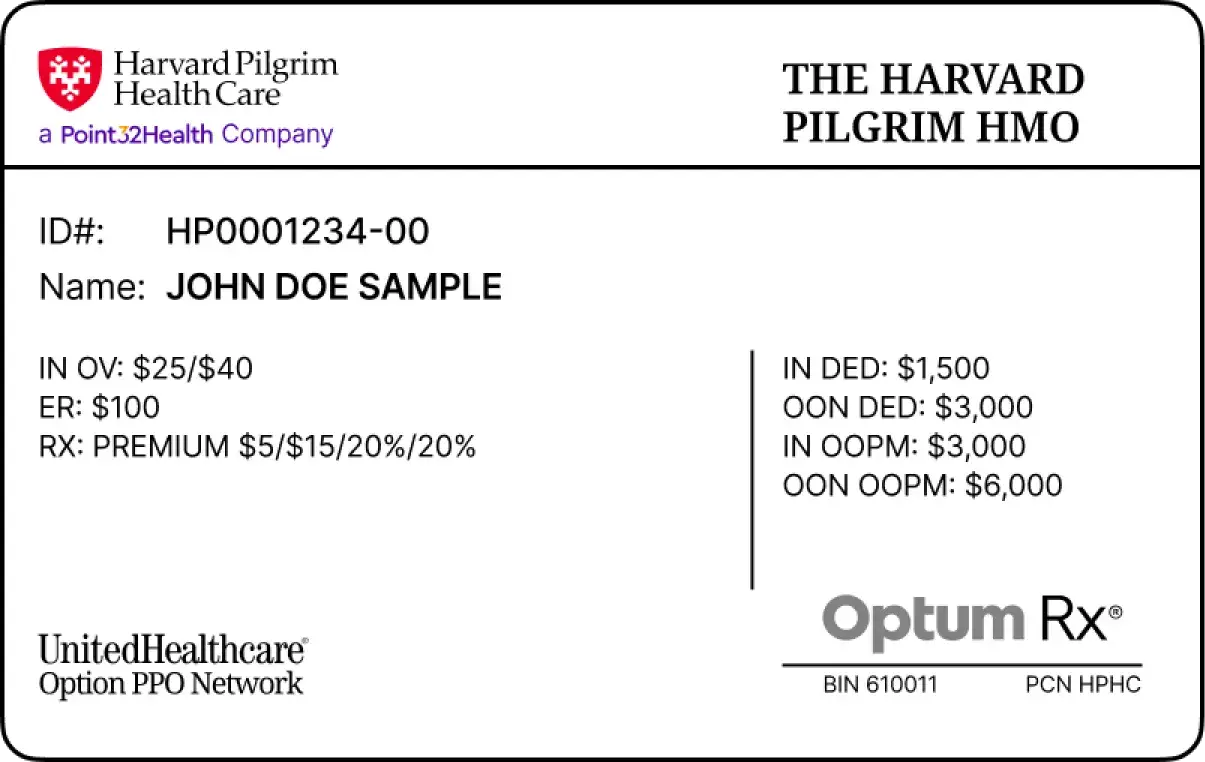
Hard Pilgrim Insurance Card

How To Verify Your Harvard Pilgrim Benefits For Behavioral Health Treatment

You can log in to your Harvard Pilgrim account to check your benefits on the website or use the Harvard Pilgrim MyConnect app. Their provider network also lets you search specific providers, though this may not give a detailed look at your coverage.

For a more complete idea of your benefits, you should call your treatment center. They can clarify which insurances they accept, what your plan covers, and how they code different treatments. You can also call Harvard Pilgrim using the phone number on the back of your insurance card to ask about your coverage.

Frequently Asked Questions About Harvard Pilgrim Coverage

A pre-authorization is when your insurance company approves coverage for your treatment before you start it. Harvard Pilgrim will review your request for coverage and decide whether your treatment is medically necessary before approving it.

You need pre-authorization from Harvard Pilgrim if you plan to get inpatient care or start a PHP or IOP. Outpatient therapy typically doesn’t require it, but there are some specialized types of mental health services, like those for adolescents, that do.

Your treatment center will handle submitting the pre-authorization request for you.

If Harvard Pilgrim denies your coverage, you can submit an appeal. You should have received a denial letter that says why Harvard Pilgrim denied your request, as well as instructions for how to appeal. Your member handbook also has directions for initiating an appeal.

Include your denial letter, relevant medical records, a letter from your provider, and other evidence for why your treatment is medically necessary when you submit your appeal. Harvard Pilgrim will review your case again. If they deny it again, you can request an external review where a third party makes a final decision about whether or not to approve your coverage.

  • Detox Services: Medical detox, nursing care, and medication management.
  • Addiction and Substance Use Disorder Treatment: Detox, medication-assisted treatment (MAT), residential rehab treatment, partial hospitalization programs (PHP), intensive outpatient programs (IOP), and outpatient therapy.
  • Mental Health Treatment: Individual and group therapy, evidence-based therapies, holistic therapies, psychiatric evaluation and stabilization, medication management, telehealth, outpatient therapy, crisis and emergency mental health services.
  • Co-Occurring Conditions: Dual diagnoses, like anxiety, depression, bipolar disorder, and ADHD.
  • Specialized Programs: 24/7 access to virtual care, 12-week program for anxiety and burnout, Addiction Recovery Care Management Team for support after treatment, eating disorders, trauma-informed treatment, and grief counseling.

Yes, Harvard Pilgrim covers medical detox if they decide it’s medically necessary for your treatment. That means you’re either at risk or have a history of serious withdrawal symptoms, like delirium tremens, seizures, or unstable vital signs. If you have co-occurring conditions, those can add to the stress of withdrawal, so Harvard Pilgrim factors them in as well.

Most of the time, detox lasts up to 2 weeks. However, everyone is different, and you may need more time for yours. Your treatment center will need to send progress updates to Harvard Pilgrim to request an extension.

Harvard Pilgrim covers psychiatric medications, and often, you don’t need pre-authorization for them. You do need pre-authorization if you’re taking a specialized medication. MAT typically falls under that category. Harvard Pilgrim covers medications for depression, anxiety, PTSD, bipolar disorder, ADHD, and more, as long as you have a diagnosed mental health condition.

Your medications will fall into 1 of 5 tiers with Harvard Pilgrim. Tier 1 is the cheapest with a $5 copay and covers generic preferred prescriptions. Tier 5 is the most expensive, covering non-preferred specialty medications that may cost up to $250.

Harvard Pilgrim has specialized programs for eating disorder treatment. It covers evaluations to get an accurate diagnosis, nutritional counseling, and FDA-approved medications you may need to support your treatment process. Your plan typically covers several types of treatment and therapy, including inpatient, PHP, IOP, and outpatient care.

Your mental health therapy is covered by Harvard Pilgrim. Your plan usually covers individual, group, and family therapy, and it may include couples counseling. Harvard Pilgrim will approve your therapy coverage as long as it is medically necessary.

Harvard Pilgrim doesn’t place a limit on how many therapy sessions are covered each year. As long as it’s necessary to help you maintain your wellness, it’s typically covered. Many plans don’t require a referral for therapy.

Your family therapy and couples counseling are covered as long as Harvard Pilgrim deems it necessary to support your treatment. If your family or partner relationship will help your treatment process, it is more likely to be approved. That’s different from wanting to improve your relationship with your partner, unrelated to your substance use.

You’ll need to make sure your provider is in-network before you start therapy. Harvard Pilgrim may offer some coverage for out-of-network providers, but it will usually cost more out-of-pocket.

Harvard Pilgrim offers the Medicare Advantage Stride HMO, Medicare Supplement plans, and Medicare Enhanced through employers. Its Medicare Supplement plans are designed to cover services Medicare Parts A and B don’t cover.

Your Harvard Pilgrim Medicare plan may not cover the same treatments and services as a non-Medicare plan would. They usually still cover residential, PHP, IOP, and outpatient care, but the specific therapies covered may vary. Before you start treatment, contact your facility and check your benefits online or call Harvard Pilgrim.

Harvard Pilgrim covers emergency mental healthcare at an ER or psychiatric crisis unit without pre-authorizations or referrals. It’s covered, even if you get care out-of-network, when you’re admitted for immediate care because of suicidal intent, a risk of harming yourself or others, or serious mental health symptoms like hallucinations or mania.

Harvard Pilgrim encourages you to call 911 or get emergency care if you need it. It also lists the Suicide and Crisis Lifeline at 988 for support over the phone. You can get 24/7 virtual support through Harvard Pilgrim’s partnership with Valera Health’s crisis hotline.

  • Health Savings Account (HSA): An HSA lets you put aside funds for future treatment costs, including copays and deductibles.
  • Payment Plans: You may not need to pay your entire treatment costs at once, especially for larger bills. Ask your provider about a monthly payment plan to make the costs more manageable.
  • Employee Assistance Programs (EAPs): You may be able to get a limited number of free counseling sessions through your employer. You can also find community resources that offer something similar, like training clinics and online or in-person support groups.
  • Sliding Scale Fees: Some clinics and providers offer sliding scale payments to make care more affordable and accessible.
  • Non-Profits: Non-profits like the National Alliance on Mental Illness (NAMI) can help you find financial resources to help you pay for your care.

Sources

Explore Other Insurance Coverage

Have Questions? Let’s Talk!

Let’s talk about what’s going on — no judgment. (We’ve been there before ourselves). No one will know you inquired and there is no commitment to call.

24/7 Support

Need someone to talk to? We’re always here—day or night.

No Commitment

Ask questions, get guidance—no pressure, no obligation.

100% Private

Your story stays with us. Confidential support, always.

Haven Detox doctor providing compassionate medical detox care
Haven Detox doctor providing compassionate medical detox care.

Why Wait?
Get Answers Now

You’re here because you know you need help. Let’s talk through it together. There’s no commitment and it’s 100% confidential even to check your insurance.

100% Confidential