100% Confidential


Alcohol tremors, or “the shakes,” are a common symptom of alcohol withdrawal that can be serious. The tremors are a signal the body’s struggle to adapt without alcohol. Medical detox, medications and proper hydration can help manage alcohol tremors safely.
Alcohol affects the parts of the brain that control motor functions, particularly the cerebellum. (That’s why excessive drinking causes difficulty walking in a straight line). Impairment to these parts of the brain also results in unsteady movement and shaking during the alcohol withdrawal period known as “the shakes”, “alcohol shakes”, “drunk shakes” or “alcohol tremors”.
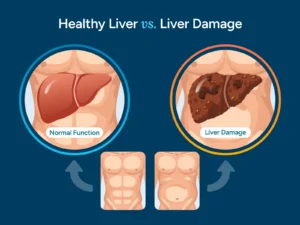
Prolonged alcohol use can also cause dehydration, disrupt electrolyte balance and lead to nutritional deficiencies (especially vitamin B1). This poor state of overall health further affects nerve function and contributes to shaking.
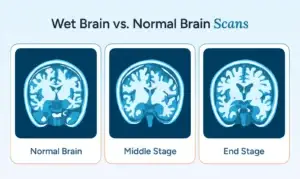
See also: Alcohol “Wet Brain” disease (Extreme B1 Deficiency)
Patients experiencing alcohol tremors often describe the sensation in the following ways:
You may notice difficulty performing tasks that require precision, such as writing or using small tools. The tremors can make fine motor tasks frustrating and difficult to control.
Alcohol tremors tend to worsen when you are anxious or stressed. Even without shakes, anxiety attacks when hungover are common. Uncontrollable alcohol shakes can intensify anxiety, creating a cycle where anxiety worsens the shaking, and the shaking increases anxiety.
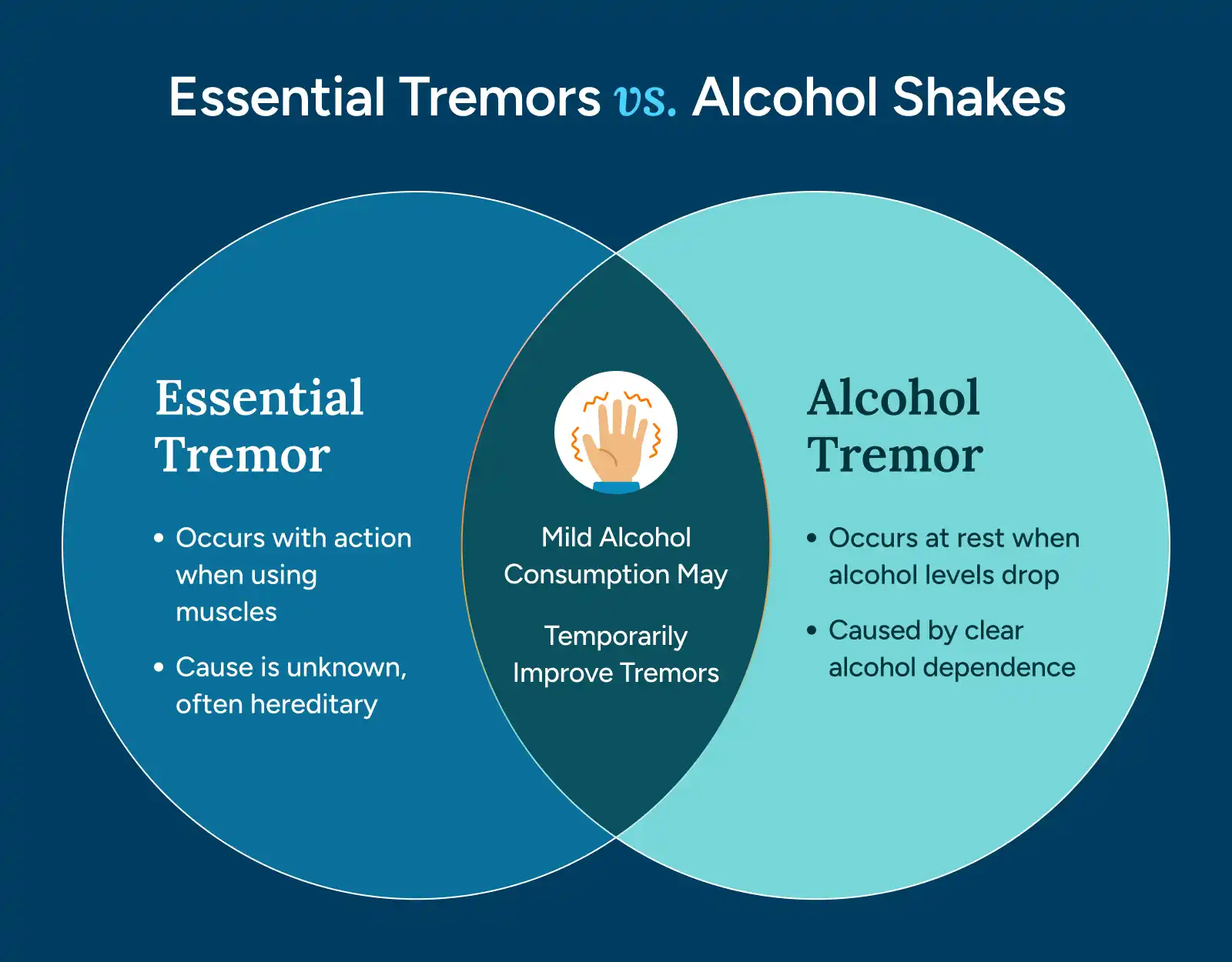
Alcohol tremors tend to follow a regular, fast pattern of shaking. This distinguishes them from more erratic muscle spasms or twitches caused by other conditions.
Tremors are often more noticeable right after waking up when blood alcohol levels are low. The body craves alcohol, and without it, the nervous system goes into overdrive causing shaking.
These symptoms may lessen temporarily after drinking alcohol but return when the effects wear off.
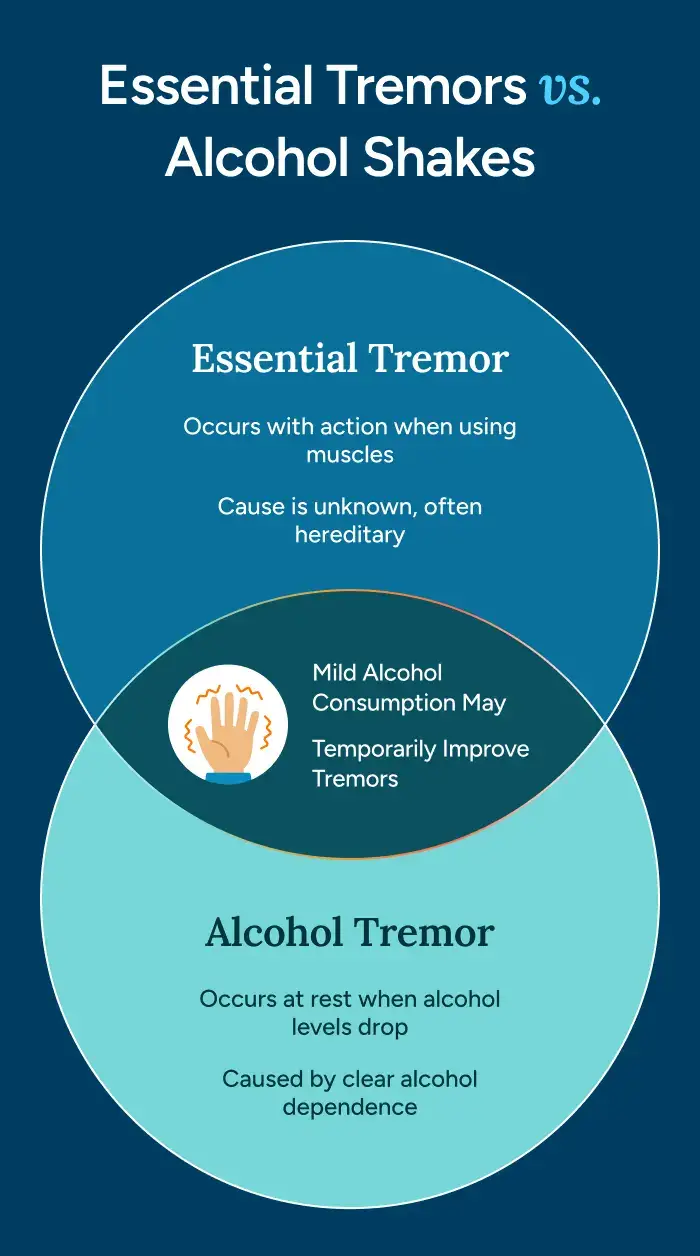
If the tremors are severe or accompanied by other symptoms like seizures, confusion or hallucinations, seek medical help immediately, as this could indicate a more dangerous withdrawal condition such as delirium tremens (DTs).
The duration of alcohol shakes can vary from a few days to a few months in severe cases.
| 6–12 Hours After Last Drink | 12–24 Hours After Last Drink | 24–48 Hours After Last Drink |
|---|---|---|
|
|
|
|
2–3 Days After Last Drink PEAK |
3–7 Days After Last Drink |
|---|---|
|
|
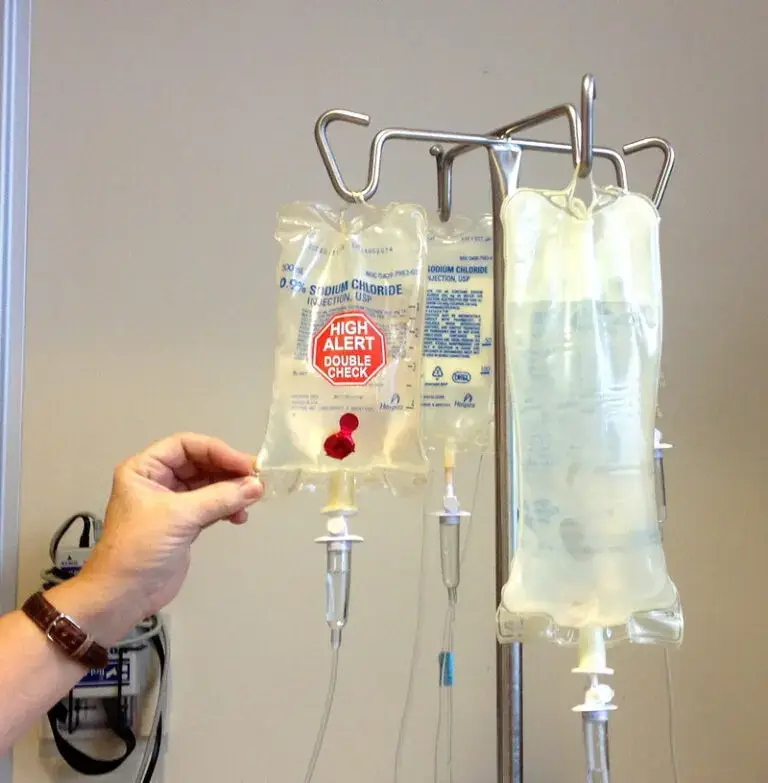
A supervised detox in a medical setting ensures your safety and makes the process much more comfortable. Detox provides necessary interventions like fluids, medications and constant monitoring.
Some people try to taper their alcohol use at home, which is safer than a cold-turkey approach. However, it can often lead back to more drinking. If you’ve already tried to cut back on your own, medical detox is a quicker, safer and more reliable way to get alcohol out of your system.
It is dangerous to attempt detoxing from alcohol at home if symptoms are severe or if there’s a history of complicated withdrawals. (People that pass away trying to detox from alcohol at home likely did not think it would happen to them).
Benzodiazepines (Diazepam, Lorazepam, Chlordiazepoxide)
These are the most commonly used medications during alcohol detox. They work by increasing GABA, a neurotransmitter that reduces nervous system activity, helping to calm the brain and body. Benzodiazepines are effective in preventing seizures, reducing tremors and managing anxiety during withdrawal.
Anticonvulsants (Gabapentin, Carbamazepine)
For some patients, anticonvulsants may be prescribed. These medications help stabilize electrical activity in the brain, which can reduce the likelihood of seizures and provide relief from withdrawal symptoms, including tremors.
Beta-Blockers (Propranolol, Atenolol)
Beta-blockers help manage the physical symptoms of alcohol withdrawal, such as rapid heart rate and high blood pressure, which often accompany alcohol shakes. They block the effects of adrenaline, thereby reducing physical symptoms like tremors and anxiety.
Clonidine
Clonidine is sometimes used to reduce symptoms of alcohol withdrawal, such as sweating, high blood pressure and rapid pulse. It doesn’t directly address tremors but helps with some of the nervous system overactivity that can contribute to them.
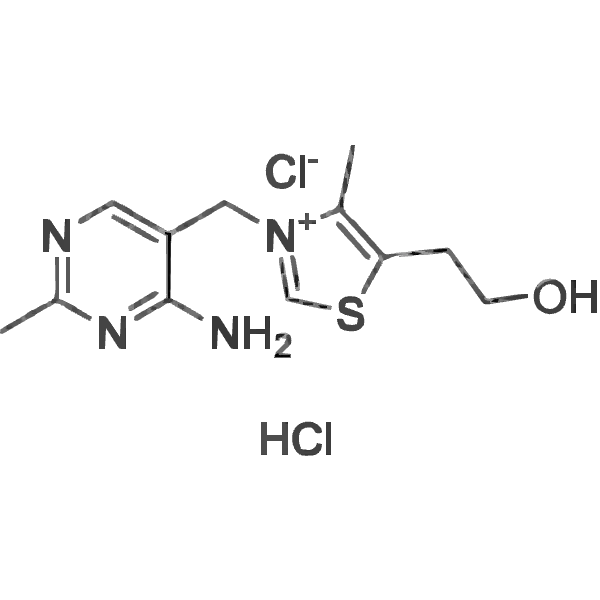
Alcohol depletes the body of essential nutrients and these deficiencies can worsen withdrawal symptoms. Vitamin supplements, particularly thiamine (vitamin B1), magnesium and folic acid replenish nutrients vital for proper brain function.
Dehydration can also worsen the symptoms of alcohol withdrawal. Drinking plenty of water and fluids with electrolytes is essential during withdrawal.
Alcohol withdrawal can escalate into more serious conditions like seizures or delirium tremens (DTs). DTs typically occur within 48 to 72 hours after your last drink and can be life-threatening if not properly managed.
Symptoms include severe confusion, hallucinations, agitation, fever and seizures.
The patient is usually not able to recognize and seek help during these symptoms, so it is important to not spend the few days after stopping drinking alone.
If you notice any of these symptoms in yourself or your loved one during withdrawal, seek immediate medical attention.
Stopping alcohol shakes for good involves action even after withdrawal symptoms are managed. Behavioral therapies help diagnose and treat both the alcohol issue and any underlying issues like anxiety or depression, especially intensive programs like IOP.
Recovery support groups and anti-craving medications like naltrexone, acamprosate or Topamax for alcoholism can help too.
By stabilizing brain chemistry and treating underlying issues, you can prevent future episodes of heavy drinking, which reduces the risk of relapse-related tremors.
Sources