Addiction and Mental Health Crises Drain Families Before They Break the Individual
Addiction and mental health struggles do not just affect one person. They affect the entire family.
It can feel isolating. You may be carrying stress, fear, or frustration while trying to help someone who is struggling with relapse, anxiety, depression, or trauma. A lot of families feel like they are dealing with this on their own, even when they are not.
Support groups help break that isolation. They connect you with people who understand what this actually feels like, not just in theory, but in real life. You can talk openly, hear what has helped others, and start to feel less alone in the process. You can learn how to support a loved one in treatment and how to take care of yourself.
Over time, that kind of support can help you set healthier boundaries, take care of your own mental health, and feel a little more steady in a situation that often feels unpredictable.
National Addiction Support Groups Connect You With Families Facing the Same Crisis
When you need immediate connection, national organizations offer the fastest route to peer support. These networks run free meetings both online and in person across the country.
- Al-Anon Family Groups: This network supports families dealing with alcohol use. Meetings operate worldwide and provide a structured environment to share experiences.
- Nar-Anon Family Groups: This 12-step program helps families cope specifically with a loved one’s drug use.
- Families Anonymous: This organization focuses on families dealing with substance use and related behavioral issues. The meetings help families regain stability and reduce stress at home.
- SMART Recovery Family & Friends: This non-12-step, science-based approach uses tools based on the CRAFT model to help you respond effectively to your loved one.
- Families of Addicts (FOA): This network provides a modern, stigma-free approach focused on connection, education, and reducing isolation.
- Parents of Addicted Loved Ones (PAL): This group gives parents structure and practical tools. Weekly peer-led meetings focus on education, boundaries, and communication.
- Adult Children of Alcoholics (ACA): This program supports adults impacted by growing up in a dysfunctional home. The focus remains on healing long-term patterns.
- Alateen: This resource provides a safe space specifically for teenagers affected by a loved one’s substance use.
Mental Health Support Networks Teach You How to Respond to a Diagnosis
Mental health conditions require specific understanding and communication strategies. These organizations focus on education and peer support for families navigating psychiatric diagnoses.
State-Specific Family Resources Provide Local Support When You Need Immediate Guidance
Local resources connect you with state-funded programs, crisis response networks, and community-specific support systems.
If you are looking for help for a loved one in your area, you can also explore treatment options available near you:
Finding the Right Support Group
The right support group depends on what you’re dealing with and what actually feels manageable for you right now.
Some groups, like Al-Anon, follow a 12-step approach where you hear from others who have been in similar situations. Others, like SMART Recovery Family & Friends, focus more on practical tools and ways to respond differently at home. Neither is better—it just depends on what feels more helpful to you.
You might also find that you need different types of support. Some families are focused on substance use. Others are trying to understand mental health. Many are dealing with both at the same time.
It’s also okay if you’re not sure what will work yet. Virtual meetings can feel easier to start with, especially if you want privacy or flexibility. In-person meetings can feel more personal once you’re ready for that.
Most people don’t get it right on the first try. It’s normal to try a few groups before you find one where you feel comfortable enough to actually talk. That’s usually when it starts to help.
When Support Is Not Enough and Treatment Becomes the Next Step
Finding support for yourself is one step. Knowing your loved one is in the right place is another.
When treatment becomes necessary, families are often trying to understand what is actually happening, how to stay involved, and what to expect next. That uncertainty can make an already stressful situation feel even heavier.
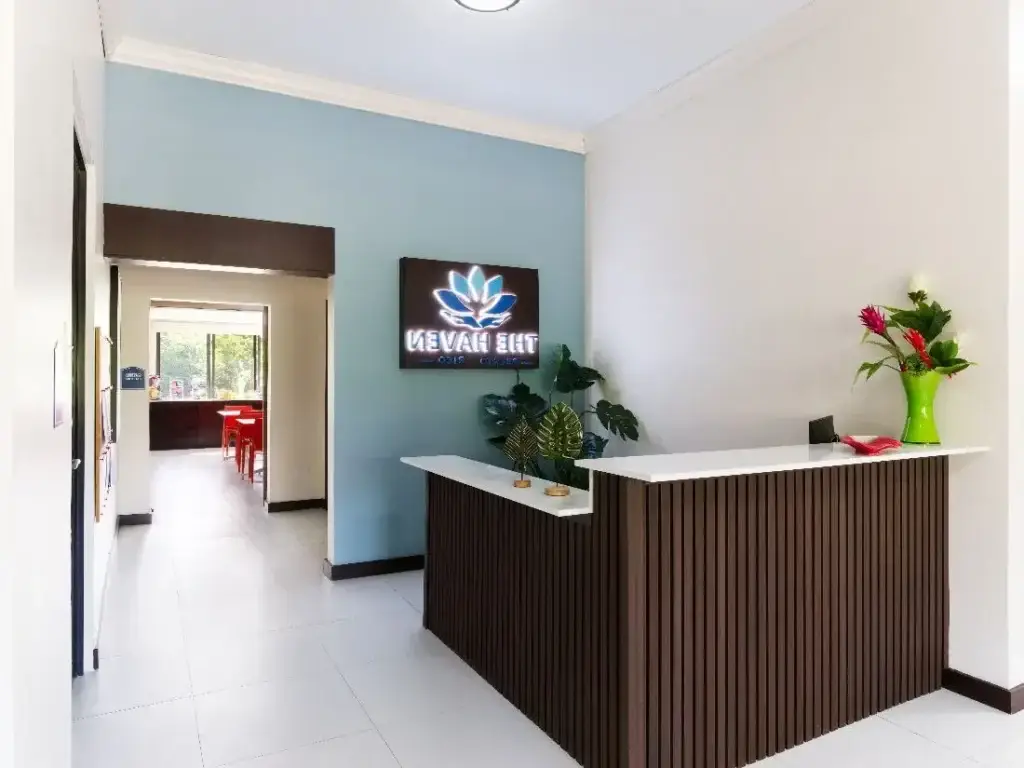
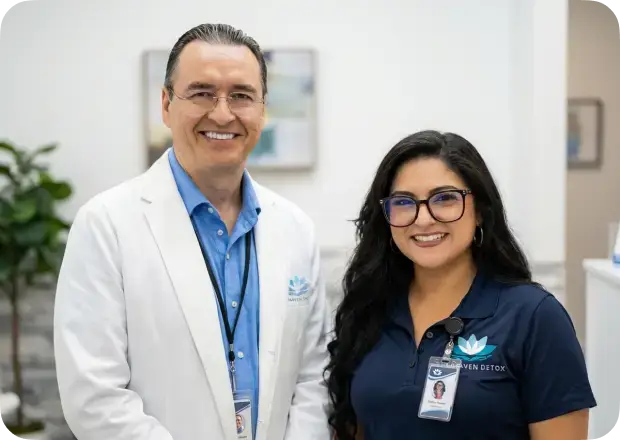
Treatment here is medically supervised and structured, with separate programs for substance use, mental health, and dual diagnosis. This allows your loved one to receive care alongside people dealing with similar challenges, instead of being grouped into a general program.
Clinical care includes evidence-based treatment and tools like GeneSight testing, which helps match medications to a person’s genetics. This can reduce the trial-and-error process that often comes with psychiatric care.
If you are trying to figure out the next step, you can learn more about how treatment works and what support looks like for families here:


 100% Confidential