

 100% Confidential


Nausea and vomiting are common during opioid and alcohol detox, especially in the early days.
As the body adjusts to the absence of substances, strong nausea signals can travel from the gut to the brain. This can leave the stomach feeling constantly unsettled or lead to repeated vomiting.
Ondansetron is used as a comfort medication to help calm these nausea signals.
Ondansetron doesn’t stop withdrawal or speed it up. Its purpose is to reduce vomiting so the body can settle and the person can feel more physically comfortable during drug and alcohol detox programs. ⓘ
Ondansetron is often used early in drug or alcohol detox, when stomach symptoms are most disruptive. When nausea is under better control, it becomes easier to:
Keeping up with these nutrition basics helps the body better self-heal, prevents complications, and allows other medications to work properly.
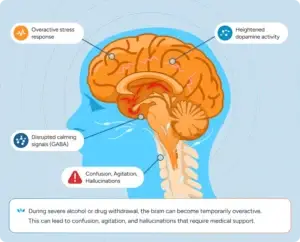
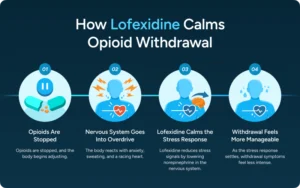
During withdrawal, the nervous system is under stress. This stress affects more than one system at a time, including the digestive tract.
That’s why detox can feel flu-like. Nausea, vomiting, chills, sweating, body aches, and exhaustion often show up together. These symptoms are uncomfortable, but they are a known part of the body adjusting to the absence of substances.
Comfort medications like ondansetron help ease specific symptoms while the body stabilizes in substance use treatment programs.
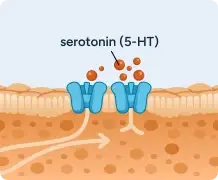
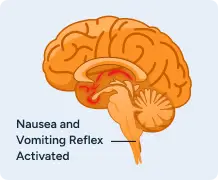
During opioid and alcohol withdrawal, nausea is triggered by signals between the gut and the brain. One of the main chemicals involved in this process is serotonin. When the body is under stress, serotonin can activate the nausea reflex and lead to vomiting. ⓘ
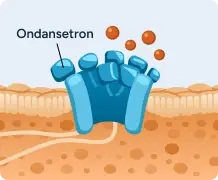
Ondansetron works by blocking these nausea signals. It interrupts the pathway that tells the brain to trigger vomiting, which helps calm the stomach without affecting alertness or mental clarity.
Because of how it works, ondansetron:
Its role is focused on comfort. By reducing nausea and vomiting, ondansetron helps the body better tolerate detox while other medications address withdrawal symptoms and safety concerns.
Nausea often peaks early during opioid or alcohol detox and improves as the body stabilizes. Timing varies based on the substance used, length of use, and overall health. Medical detox helps manage symptoms safely while they change.
Ondansetron is most often used during the early days of detox, when nausea and vomiting are more likely to show up. This usually happens within the first few days after opioids or alcohol are stopped, as the body reacts to the sudden change.
Not everyone going through detox needs ondansetron. It’s used when stomach symptoms start to interfere with basic care or make detox harder to tolerate during opioid addiction treatment.
During early withdrawal, the body is under a lot of stress. The nervous system and digestive system can both react at the same time, which is why nausea can come on quickly and feel intense.
Ondansetron may be used when:
The goal is comfort and stability. Controlling nausea early can help keep symptoms from escalating.
Nausea becomes more than a comfort issue when it starts to interfere with:
In these situations, ondansetron helps calm the stomach so other parts of detox can continue safely. It’s used as part of a broader medical plan and adjusted based on how symptoms change. ⓘ


Ondansetron is a prescription medication, but managing opioid or alcohol withdrawal at home can be dangerous and potentially life-threatening.
Ongoing vomiting can increase the risk of serious problems, including heart rhythm issues, seizures (especially with alcohol withdrawal), choking, blood pressure changes, confusion, and worsening withdrawal symptoms. Vomiting can also prevent other important medications from working when they’re needed most.
In medically supervised detox, these risks are monitored closely and addressed right away. At home, symptoms can escalate quickly without warning.
Ondansetron is used to help with nausea and vomiting only. It does not treat withdrawal itself or the medical risks that can come with opioid or alcohol detox.
Ondansetron does not:
During detox, other medications are used to manage these symptoms and risks as part of medication-assisted treatment and broader substance abuse treatment programs. For example, buprenorphine may be used for opioid withdrawal and cravings, and benzodiazepines are commonly used during alcohol detox to reduce seizure risk.
These medications work on different systems in the body. Ondansetron’s role is comfort — helping control vomiting so the body can better tolerate detox while other treatments address safety and withdrawal symptoms.
Ondansetron is commonly used in hospitals and medical detox settings and is generally well tolerated. When it’s used during opioid or alcohol detox, medical staff monitor symptoms and adjust care as needed.
Even as a comfort medication, there are a few safety points that matter during withdrawal.
Some people may experience mild side effects, including:
These side effects are usually manageable and often improve as nausea settles and the body stabilizes. ⓘ
Alcohol itself is one of the most common triggers of severe nausea and vomiting. People sometimes ask whether medications like ondansetron (Zofran) can be used when alcohol is involved. The answer depends on the situation, especially whether someone is dealing with a hangover, ongoing drinking, or alcohol withdrawal.
Ondansetron does not have a strong direct interaction with alcohol. However, drinking alcohol while taking Zofran can still make nausea harder to control.
Alcohol irritates the stomach lining and can trigger the same nausea signals that ondansetron is trying to calm. This means drinking can sometimes cancel out the relief the medication is meant to provide.
Alcohol can also increase:
• dizziness
• headaches
• dehydration
During medical detox, alcohol is avoided entirely because it can worsen withdrawal symptoms and restart the cycle the body is trying to stabilize.
In some situations, yes. Ondansetron is often used to control severe nausea and vomiting, including when alcohol has irritated the stomach or triggered repeated vomiting.Doctors may use it when vomiting is preventing someone from keeping down fluids or medications. The goal is not to treat alcohol use itself but to help calm nausea so the body can stabilize.
If vomiting continues for many hours, or if there are signs of alcohol poisoning, medical care should be sought immediately.
Ondansetron can reduce nausea and vomiting, which are common hangover symptoms. However, it does not treat the underlying causes of a hangover. Hangovers are driven by several factors, including:
• dehydration
• electrolyte imbalance
• irritation of the stomach lining
• toxic byproducts from alcohol metabolism
For this reason, Zofran may help with nausea but will not fully resolve a hangover.
In some cases, ondansetron can affect heart rhythm. This risk is higher during detox because withdrawal, vomiting, and poor intake can affect the body’s balance.
Medical teams watch for:
Risk is higher for people with known heart rhythm conditions or low potassium or magnesium levels. This is why vitals and overall stability are monitored during detox.
Allergic reactions are uncommon, but staff should be notified right away if there is:
If nausea or vomiting continues, it doesn’t mean detox isn’t working. Withdrawal symptoms can change as the body adjusts. In medical detox, ongoing nausea signals the care team to reassess. Medications, fluids, or other parts of the plan may be adjusted to better support the body.
No. Ondansetron is not addictive and does not produce a “high.”It works by blocking serotonin signals involved in nausea and vomiting rather than affecting reward pathways in the brain. Because of this, it does not cause cravings, dependence, or withdrawal symptoms when stopped. ⓘ
Withdrawal can affect the entire body, not just the stomach. While nausea and vomiting are common, there are times when withdrawal symptoms signal a need for medical care to prevent serious complications.
Medical detox is recommended when symptoms begin to affect safety, stability, or the ability to function.
Withdrawal should be medically managed when any of the following are present:
These signs mean the body is under more stress than it can safely manage on its own.
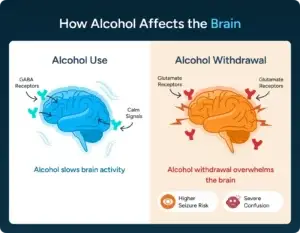
Withdrawal is unpredictable, especially in the first few days. Symptoms can escalate quickly and affect the heart, brain, and nervous system. In alcohol withdrawal, the risk of seizures or delirium can be life-threatening. In opioid withdrawal, severe symptoms can lead to dangerous complications, relapse risk, or medical emergencies.
In medical detox, symptoms are monitored closely. Medications, fluids, and supportive care can be adjusted in real time to keep the body stable and reduce risk.
Needing medical care during withdrawal does not mean someone is weak or that treatment is failing. It means the body needs help through a stressful and potentially dangerous process. Getting medical support early can prevent emergencies and make detox safer and more manageable.
Withdrawal symptoms can change quickly. If nausea, vomiting, or other symptoms feel hard to manage, medical detox can help keep things safer.
If symptoms are active or getting worse, speaking with a medical detox professional sooner can help prevent emergencies. Admissions teams can explain options and help you decide the safest next step.
Calls are confidential, available 24/7, and there’s no obligation to commit.