

 100% Confidential

Get Help Today 24/7
Get Help Today 24/7
Orlando Addiction Treatment & Mental Health Resources Guide
Dr. Rostislav Ignatov, MD
Chief Medical Officer
Orlando is known worldwide as a hub for tourism and growth, but many residents face serious challenges with addiction and mental health. Families in Orange County continue to feel the impact of rising overdose deaths, untreated depression and anxiety, and limited access to timely care.
The city’s diverse and rapidly expanding population adds complexity to behavioral health services. Orlando is home to a large Hispanic and immigrant community, as well as students, young professionals, and retirees. These groups often experience different barriers to care, from language and cultural needs to cost, transportation, and insurance limitations.
At the same time, Orlando benefits from major hospital systems, peer support networks, and community-based organizations working to close treatment gaps. Evidence-based therapies, family programs, and holistic supports are increasingly available, but many residents still struggle to find the right level of care when they need it most.
This guide brings together recent statistics, youth mental health trends, local treatment infrastructure, and crisis resources. It also highlights what to look for in professional treatment and how programs like The Haven Detox – Florida Alcohol & Drug Rehab provide safe, comprehensive care in a supportive setting.
If you or someone you love is struggling, get professional addiction and mental health care near you. Our admissions team can explain detox, residential treatment, and mental health care options.
Available Now
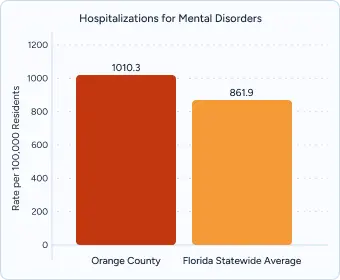
Hospitalizations for Mental Disorders
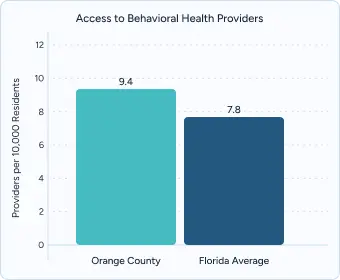
Access to Behavioral Health Providers
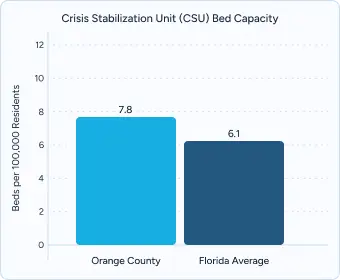
Crisis Stabilization Capacity
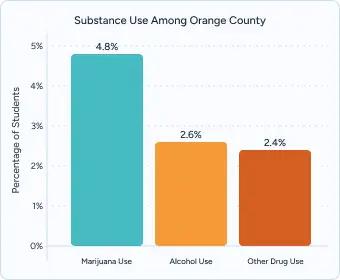
Substance Use Among Youth
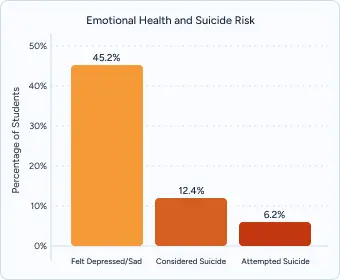
Emotional Health and Suicide Risk
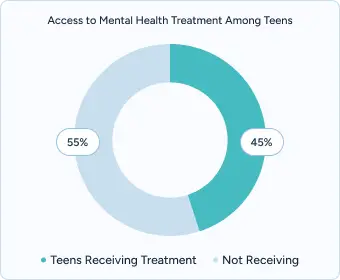
Barriers to Care and Access

Orlando’s behavioral health system combines hospital-based psychiatric care, crisis stabilization, and community-based supports that offer different entry points into treatment. Emergency departments across Orange County are often the first stop for patients experiencing acute psychiatric or substance-related crises. Crisis stabilization units admit people in severe distress for short-term monitoring and intervention, helping to reduce unnecessary hospitalizations.
Mobile crisis services play a central role in the community. The Aspire Health Mobile Response Team provides 24/7 crisis response for adults, while Devereux’s Mobile Crisis Services support children and young adults up to age 24. Orlando also operates an Alternative Response Mobile Crisis Team, which dispatches trained staff directly to residents in crisis. These teams de-escalate emergencies on-site and connect patients with longer-term care.
Outpatient counseling, case management, and peer-led supports are available through county-funded programs and nonprofit partners. Licensed facilities in Central Florida also provide medical detoxification, residential, and outpatient treatment that incorporate evidence-based therapies such as CBT, DBT, trauma-informed care, and medication-assisted treatment (MAT). Holistic approaches, including yoga and art therapy, are increasingly integrated into care.
For patients who need structured, medical support, residential programs remain an important part of the local treatment system. The Haven Detox in West Palm Beach is one such option, offering a safe environment for patients to stabilize before transitioning into longer-term treatment and community supports.
Florida Medicaid covers the full cost of most addiction and mental health treatments for qualified residents, including medical detox in Orlando, residential and outpatient services, and approved medications like buprenorphine and naltrexone. Some services may require prior authorization or minimal copays.
Florida Medicaid Statewide Managed Care offers coverage for eligible children and adults.
Ensures access to crisis services and ongoing support. Residents can enroll via the Florida Health Department online portal or by calling the Medicaid enrollment hotline, with applications available in Spanish and Haitian Creole.
Orange County Mental Health and Homelessness Division offers navigation services for uninsured residents.
Visit the Orange County Government Mental Health & Homelessness Division website to find publicly funded treatment slots, financial assistance programs, and community resource referrals.
For residents seeking rapid entry into private care, Orlando addiction treatment centers can provide streamlined admissions with same-day clinical evaluations when needed. These programs typically deliver comprehensive services, from medical detox to residential treatment, within an integrated, evidence-based framework.
Private programs often provide advantages over publicly funded options, including:
Insurance verification is usually completed within 24–48 hours, and many programs can facilitate same-day placement for patients who require urgent stabilization.
The Haven Detox – Florida combines medical detox and residential treatment with evidence-based modalities such as Cognitive Behavioral Therapy (CBT) and Dialectical Behavior Therapy (DBT). Patients also benefit from holistic supports like yoga, art therapy, and Reiki. With a high staff-to-patient ratio and resort-style accommodations, The Haven Detox Group provides an ideal setting for stabilization and healing. The program specializes in dual-diagnosis care for co-occurring mental health and substance use conditions, accepts most major insurance plans, and offers transportation support across Central Florida.
Orlando offers a diverse mix of behavioral health services that reach patients in different neighborhoods and community settings. While hospital systems and crisis stabilization units handle urgent needs, many residents rely on outpatient and peer-based programs for ongoing support.
Peer support centers serve all major Orlando neighborhoods with nonclinical, peer-led support tailored by individuals with lived experience.
Peer support centers serve neighborhoods throughout Orange County, offering nonclinical, peer-led services delivered by individuals with lived experience.
Hosts more than 75 free peer-led gatherings each month, including LGBTQ+ support groups, trauma-informed healing circles, and harm reduction workshops. Operates Eva’s Casita, a peer respite home that provides 24/7 crisis support and connection to community resources.
Provides a vocational rehabilitation clubhouse model for people living with mental illness. Members participate in daily work-ordered activities, the Temporary Employment Program (TEP), and social events that promote independence and community integration.
Offers Certified Recovery Peer Specialist services across Central Florida. Programs include one-on-one coaching, group facilitation, and personalized recovery planning using evidence-based frameworks such as Motivational Interviewing and the Wellness Recovery Action Plan (WRAP).
Safe housing supports long-term stability for residents transitioning out of treatment.
Maintains the statewide directory of more than 430 certified recovery homes that meet National Alliance for Recovery Residences (NARR) standards. Certification ensures safety, accountability, and structured peer support.
A FARR-certified home offering 24/7 staffing, keyless entry, Wi‑Fi, on-site laundry, and a commercial kitchen. Residents follow structured routines, including weekly house meetings, random drug screenings, participation in 12-step meetings, and adherence to a weekday curfew.
Accredited by FARR, with specialized early recovery programming. Residents engage in daily accountability check-ins, structured life-skills education, vocational support, and weekend community service. A minimum 90-day stay and active participation in recovery activities are required.
Mutual aid groups are a cornerstone of Orlando’s recovery community, offering free, ongoing peer connections across the city.
Choosing the right program can feel overwhelming, but certain quality indicators signal that a facility is prepared to provide safe, effective, and lasting care.
Effective treatment begins with a full evaluation of both substance use and mental health needs. Because depression, anxiety, and trauma often occur alongside substance use, programs that integrate dual-diagnosis treatment and involve families in the process are better equipped to support long-term stability.
High-quality facilities rely on therapies proven to work in clinical studies, including:
Programs that offer FDA-approved medications — such as buprenorphine (Suboxone), naltrexone (Vivitrol), or methadone — in combination with therapy can reduce cravings, lower relapse risk, and improve outcomes. Look for facilities that provide MAT in both inpatient and outpatient settings under medical supervision.
Treating the whole person often requires more than medical care. Holistic services can strengthen recovery by addressing stress and improving quality of life. These may include:
Orlando’s diverse communities benefit from programs that offer bilingual staff, LGBTQ+-affirming groups, and faith-based support when requested. Programs that reflect the cultural and social needs of patients help reduce barriers and build trust.
Effective treatment does not end at discharge. Planning for life after a residential or outpatient program is essential for maintaining progress and reducing relapse risk.
The best programs begin discharge planning early, connecting patients with outpatient therapy, community-based peer groups, and sober living arrangements before they leave treatment. Warm handoffs to local providers and recovery resources ensure patients do not lose momentum once formal care ends.
Family involvement improves outcomes by creating a supportive environment at home. Orlando programs often provide family therapy sessions, psychoeducation workshops, and support groups that help loved ones understand substance use and mental illness while learning healthy ways to encourage long-term stability.
Many treatment centers maintain alumni networks that keep patients connected to a supportive community after leaving care. These networks may include regular check-ins, peer mentorship, and community events that encourage ongoing engagement. Peer-led programs like NAMI Greater Orlando and local recovery centers also provide free, non-clinical support for patients and families seeking continuity of care.
Certified centers provide fast admissions, customized treatment, and continuous medical monitoring.
Professional treatment provides medical oversight, evidence-based therapies, and structured support that is difficult to achieve alone. Patients benefit from safety, expertise, and individualized care that increase the chances of lasting stability.
Effective treatment in Orlando includes a full continuum of care designed to meet patients where they are and support them through every stage of healing.
Clinical teams are trained to recognize and respond to the effects of trauma. Evidence-based modalities such as EMDR and cognitive processing therapy help patients process painful experiences while building resilience.
Because mental health and substance use often overlap, Orlando programs increasingly provide simultaneous treatment for both conditions. This integrated approach helps reduce relapse risk and improves overall stability.
MAT is available in both inpatient and outpatient settings, combining FDA-approved medications like buprenorphine and naltrexone with counseling and behavioral therapies.
Family therapy sessions, educational workshops, and multi-family groups give loved ones the tools to understand mental illness and substance use while strengthening supportive relationships at home.
After completing treatment, patients can remain connected through alumni programs that offer mentorship, group meetings, and community events. These networks extend accountability and support well beyond discharge.
Specialized staff assist patients with insurance verification, financial advocacy, and connecting to sliding-scale or state-funded services when needed. This ensures that financial barriers do not prevent continuity of care.
Professional treatment represents an investment in recovery success, offering immediate access, personalized care, and comprehensive services designed to address the complex nature of addiction and mental health conditions.
Starting treatment can feel overwhelming, but support is available around the clock. With professional help, you can begin stabilizing as soon as you are ready.
Screenings and evaluations are available 24/7 to help determine the right level of care. Same-day psychiatric evaluations may be arranged when urgent stabilization is needed.
Most major insurance plans are reviewed within 24–48 hours, with clear cost estimates provided before admission. Staff also assist with prior authorizations and appeals, reducing stress for patients and families.
When beds are available, placement may be completed the same day. Intake teams guide patients through every step of the process, ensuring a smooth transition into care without unnecessary delays.
Most outpatient programs schedule an initial assessment within a few days, depending on availability. If you need urgent support, calling 211 or the Orange County Mobile Response Team can connect you with same-day crisis services.
Yes. Florida Medicaid covers services such as therapy, psychiatric care, medication management, and community behavioral health support. Some services may require a small copayment, though children, pregnant women, and certain low-income groups are exempt.
Uninsured residents can apply for state-funded programs through the Florida Department of Children and Families. Orange County’s Mental Health and Homelessness Division also funds programs through community providers. Calling 211 can connect you with publicly funded treatment slots and financial assistance.
Yes. Many programs offer Spanish and Haitian Creole language services. NAMI Greater Orlando and several community peer centers also provide bilingual groups and educational materials.
Yes. FDA-approved medications such as buprenorphine and naltrexone are available through licensed providers. MAT is often combined with therapy to support long-term stability.
Yes. Peer Support Space, NAMI Greater Orlando, and other centers offer free, peer-run groups, recovery coaching, and community education without requiring insurance or formal enrollment.
Safe and structured sober living homes are available in Orlando through the Florida Association of Recovery Residences (FARR) directory. Certified homes follow statewide standards for safety, accountability, and peer support.
You can call or text 988 anytime for suicide prevention and emotional crisis support. Locally, dialing 211 connects you with Orange County’s Mobile Response Team, and The Haven Detox Orlando offers 24/7 admission for medical detox and residential treatment.
Yes. School-based behavioral health programs, Devereux’s Mobile Crisis Services (for youth up to 24), and specialized peer groups provide youth-focused support. The Florida Youth Substance Abuse Survey shows rising rates of depression among teens, making these services increasingly important.
Let’s talk about what’s going on — no judgment. (We’ve been there before ourselves). No one will know you inquired and there is no commitment to call.
24/7 Support
No Commitment
100% Private
Why Wait?
Get Answers Now
You’re here because you know you need help. Let’s talk through it together. There’s no commitment and it’s 100% confidential even to check your insurance.
100% Confidential
