

Need immediate assistance? Our admissions team is available to help.
Talk to an Agent 100% Confidential


No medication “cures” Alcohol Use Disorder (AUD), but plenty of medications make living without alcohol much easier.
Three medications are FDA-approved for AUD: Naltrexone, Acamprosate and Disulfiram. Six off-label medications have promising research.
Nalmefene (Selincro) is used in other countries, but not approved in the U.S. The medication works similarly to Naltrexone, but with the potential to help reduce stress, anxiety and negative emotions too.  Nalmefene also allows flexible dosing. Patients can take it only when needed for a high-risk drinking situation.
While some patients strongly credit these medications for helping their alcohol issues, researchers cannot consistently confirm that the off-label medications listed below actually work.
If you have liver disease and can’t use Topiramate, Baclofen may be worth a try. It is also said to help if alcohol is primarily used to cope with anxiety or sleep.
If you were diagnosed with alcohol issues younger than 25, Ondansetron may be considered.
If you were diagnosed with depression and are older than 25 or if Ondansetron was not right for you, Sertraline may be considered.
If a patient needs to quit both alcohol and nicotine or has a strong link between drinking and smoking, Varenicline (Chantix) may be considered.
Some studies suggest that semaglutide (Ozempic), a medication originally approved for diabetes and weight loss, may reduce alcohol cravings. However, its use for alcohol issues remains experimental.
Disulfiram was FDA-approved in 1949 for AUD. However, little evidence supports its effectiveness outside of short-term supervised settings. It has serious side effects including hepatitis and mixing with alcohol can be fatal at higher doses.
These medications don’t treat AUD directly but can be just as game-changing in staying well long-term. Anti-depressants like Bupropion (Wellbutrin) and anti-anxieties like BuSpar (buspirone) are the most common. More than half of patients with AUD also suffer from these co-occurring disorders – whether they fueled the addiction in the first place or came as a result of the addiction.
All medications work differently and not all patients respond the same to the same medication.
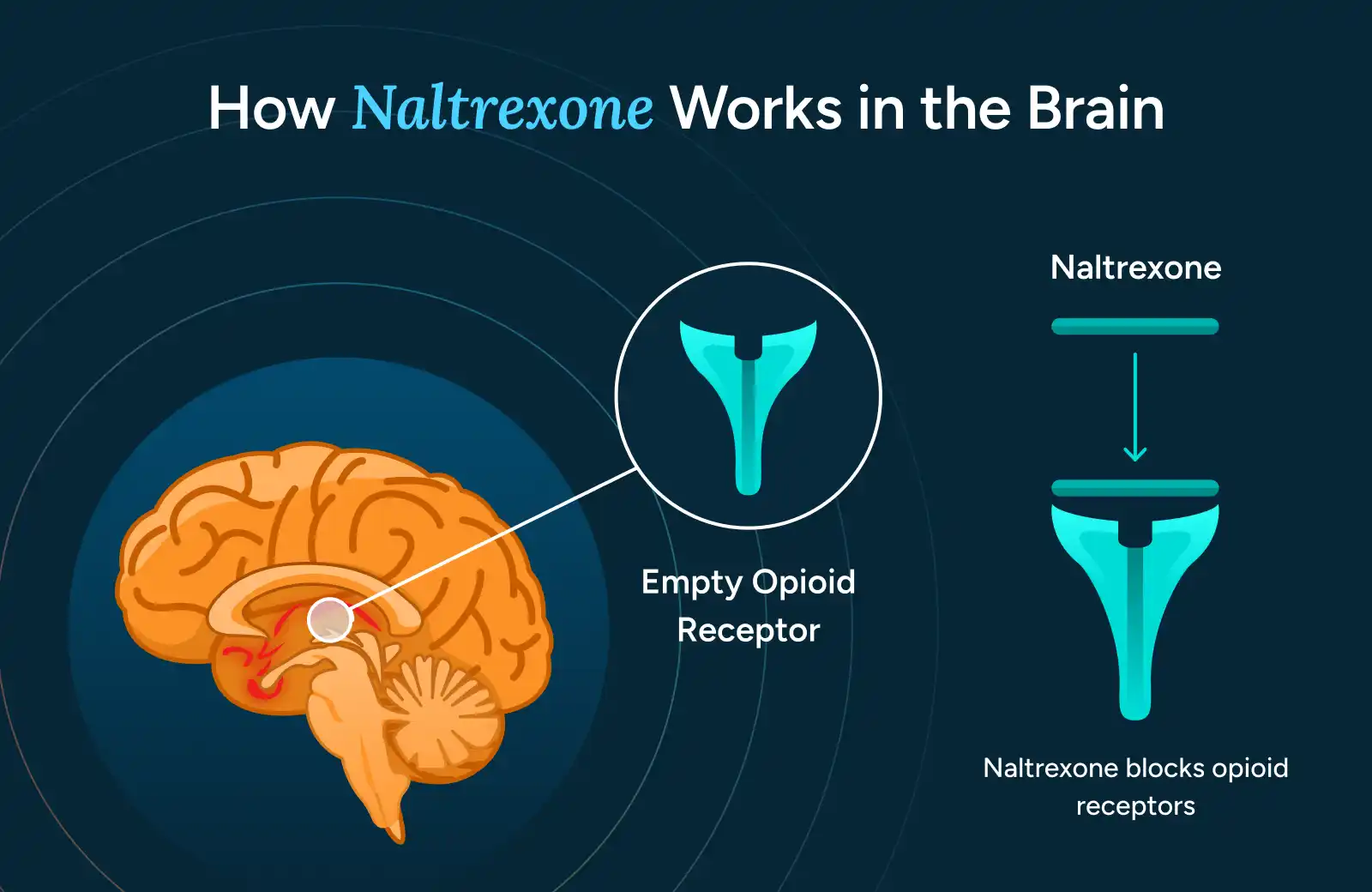
Naltrexone blocks opioid receptors in the brain. While alcohol doesn’t directly activate opioid receptors, research suggests a genetic mutation in the mu-opioid receptor contributes to alcohol issues for some patients.
Blocking these receptors decreases the brain’s reward response to alcohol. Alcohol becomes less satisfying, which helps curb cravings and lowers the desire to drink.
Naltrexone has also been shown to help improve the decision-making part of the brain that can be harmed by alcohol use.
“My experience with Naltrexone is you’re probably gonna lose your craving for alcohol a lot faster than you thought possible.”
“Almost 100 days sober on Naltrexone. I am not going to say it’s perfect. I do get stressed and want to drink, but I haven’t.”
“My husband was drinking 80 beers a week. He refused a real treatment program but started on Naltrexone from his doctor about 2 months ago. The first week he couldn’t touch a beer. He threw up every time he tried. But, he’s back at it already even though he’s allegedly still taking the Naltrexone.”
Naltrexone is commonly the first medication tried because it’s backed by plenty of research and has few side effects and interactions.
It can be combined with many of the other medication options and can be used for patients who are still drinking to reduce the chance of going back to heavy drinking.
It should not be used if patients are actively using or planning to use opiates, as it will cause severe withdrawal symptoms.
It is not ideal for anyone with alcoholic liver problems.
Patients with an OPRM1 gene mutation tend to respond better to naltrexone treatment, which can be tested for.
Acamprosate reduces alcohol cravings by balancing neurotransmitters in the brain that were disrupted by long-term alcohol use — specifically glutamate and GABA systems.
This reduced excitatory effect helps relieve symptoms of long-lasting withdrawal, such as insomnia, anxiety and general discomfort.
“Except for a few exceptions that I had to power through, I generally have no desire for alcohol. The medication may not be magic…still takes commitment…but no way could I have done this so easily without it.”
“Acamprosate has a calming effect on me. I still think “It would be nice to relax with a drink.” BUT…the thought is not strong…far from a craving. If I look at a bottle of whiskey (my old friend) it doesn’t look much different to me than a bottle of soda now.”
“Drinking doesn’t enter my mind as often and I don’t have the intense physical urges to drink as often either.”
Acamprosate is meant for patients with long-term withdrawal symptoms, especially if anxiety and sleep disturbances persist after stopping alcohol.
It’s generally prescribed after at least one week of sobriety. If drinking is resumed, Acamprosate will not help patients stop. So, it is not ideal for patients who plan to continue drinking.
Acamprosate is excreted through the kidneys, so it can be considered for patients with liver impairment, but not usually advised for patients with kidney issues.
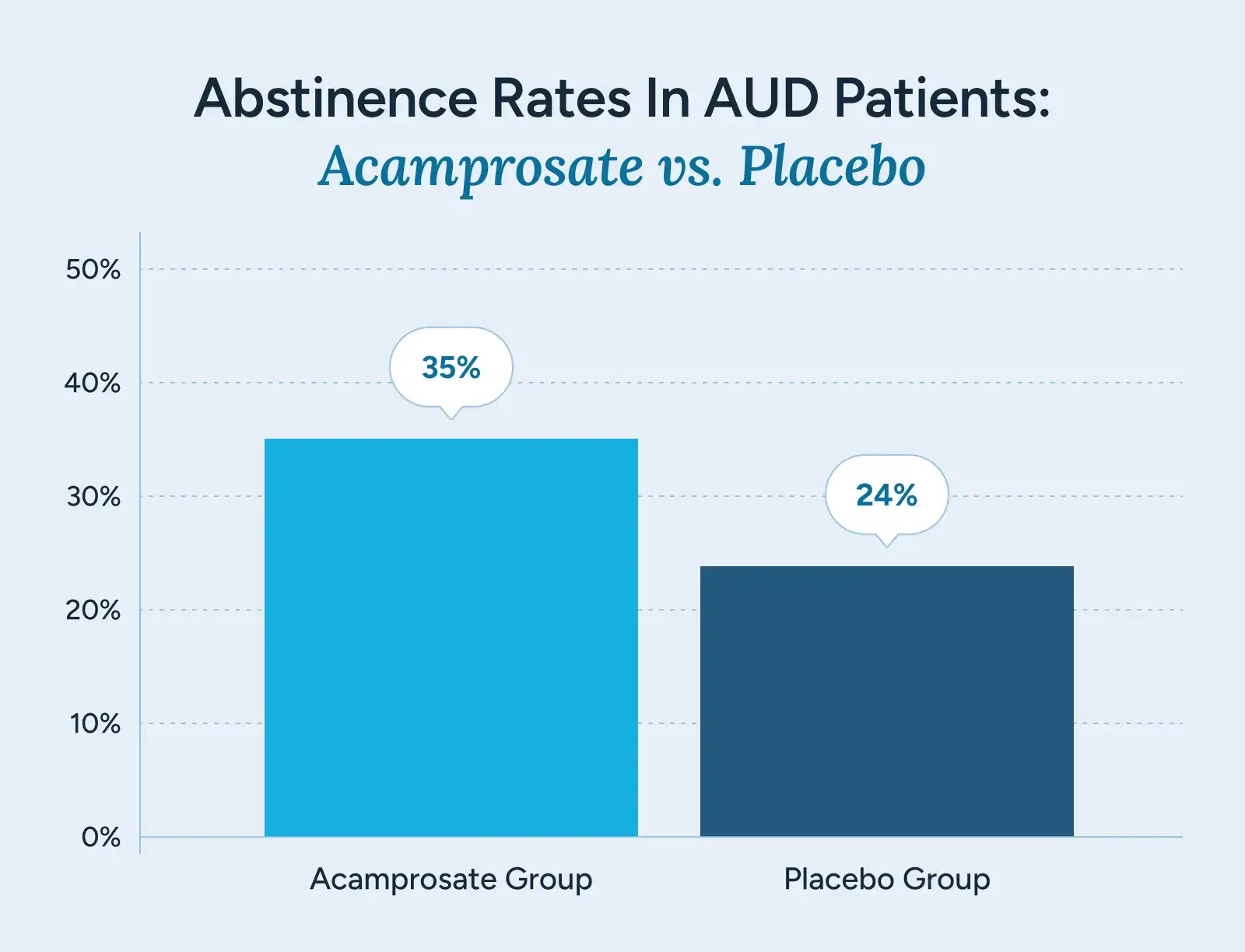
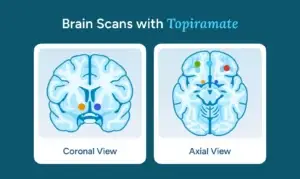
Topiramate rebalances the neurotransmitters GABA and glutamate. It blocks the effects of glutamate (which lowers over-excitement) and boosts the effects of GABA (which increases calmness).
The more balanced brain activity has been shown to reduce cravings and impulsivity.
“For me, personally, it lowered my tolerance a lot – it also made me black out/forget more than normal. It makes drinking really unpleasant.”
“For half a year I was prescribed it and would lose my train of thought mid-sentence…”
“Topamax definitely reduced my desire to drink, but on a few occasions, I drank. Drinking on Topamax was not great. Definitely a noticeable difference to drinking without Topamax. I found it physically difficult to drink more than two beers. It wasn’t horrific, I just kind of felt hungover right away.”
“Just a few sips and I’m fatigued and bored. It’s not at all energizing and removing social inhibitions like it was pre-Topamax. Not only that, but even those few sips give me a huge hangover.”
Topiramate is considered when naltrexone and acamprosate haven’t been effective. It may work better for those with co-occurring PTSD, a history or current use of cocaine, anger issues or who struggle with impulsive behaviors related to drinking. The medication may not be ideal for those with kidney or liver issues. It is not ideal for patients who are pregnant and the side effects may outweigh the benefit for some patients.
Topiramate and alcohol full article
Gabapentin changes the way nerves send signals to the brain, helping to calm down nerve activity. It increases GABA, which has a calming effect on the brain and decreases glutamate, which reduces over-excitation.
For people with Alcohol Use Disorder (AUD), this calming effect can help both reduce alcohol cravings and ease withdrawal symptoms like low mood, anxiety and sleep issues, making it easier to avoid alcohol.
It has been shown to improve the likelihood of long-term sobriety and reduce heavy drinking.
“I take Naltrexone and Gabapentin, and they’ve helped so much.”
“I liked gabapentin because it helped quite a bit with anxiety, which is a lot of the reason I would drink. It didn’t do much for cravings, but the anxiety (probably caused by drinking in the first place) was much less, so I had less need to drink.”
“On one hand, it helps when I’m in withdrawals. On the other hand, if I am taking it regularly before I drink, it seems to help me go on extended benders. In my experience, it’s hard to say if the benefits outweigh the drawbacks.”
Gabapentin may be considered for patients with chronic pain and without a history of misusing stimulant substances like cocaine or meth.
A history of seizures when stopping alcohol may be an indication Gabapentin will be helpful to the patient. The medication may also reduce the likelihood of seizures during withdrawal.
Gabapentin may also be helpful if withdrawal symptoms persist after stopping alcohol and is often combined with naltrexone.
Research on Baclofen, Ondansetron, Sertraline and Varenicline has shown mixed results. Each medication seems to help specific patients but hasn’t been proven to be effective in research studies. Due to these inconsistent results, we are careful but open to using these medications to treat alcohol dependence in certain situations.
Baclofen is FDA-approved as a muscle relaxant but has been used off-label for AUD due to its ability to calm the nervous system. Research shows mixed effectiveness. Its use is supported more by anecdotal evidence. Serious side effects can include drowsiness, dizziness and withdrawal risks, which require careful monitoring.
How Baclofen Works
Baclofen works by attaching to and activating GABA-B receptors in the brain. This action slows down certain nerve signals, which leads to muscle relaxation and a calming effect on the body.
For people with alcohol use disorder, baclofen can reduce cravings and ease withdrawal symptoms by calming the nervous system and helping prevent overactive responses.
How Baclofen is Taken
Baclofen Safety
Baclofen Reviews From Patients
“I have become indifferent to alcohol. I could never have just one before. Now, I can’t fathom having two. I go weeks without having a drink…I wouldn’t care if I never drank again. It’s a crazy thing… I realize quitting Baclofen will be difficult but it also cured a lifetime of anxiety.”
“It doesn’t work immediately. For the first week, I still drank every day. Then, I increased the dose, but it gave me a high. I decided to reduce the dose because I was still drinking in the 4th week, and it was at this moment that I became totally indifferent to alcohol. I can’t explain, it’s just that I do not want to drink anymore. I can watch my friends drink and the idea of having just a sip doesn’t cross my mind. So, give it 4-5 weeks to start working.”
“I am on baclofen…the reality – it is thoroughly addicting. When I say it’s addicting – I am not referring to abuse. It’s the withdrawal that’s equally if not worse than alcohol withdrawal. There is an argument to be made about the cost-benefit…naltrexone is safer. People reading this should be aware…it wouldn’t be my first-line treatment if I were a doc.”
When to Consider Baclofen
Consider Baclofen if patients have liver disease or if anxiety or sleep issues are a key component in their alcohol use. It is not ideal for patients with impaired kidney function.
Ondansetron is FDA-approved for nausea and vomiting but has shown potential off-label use for AUD, particularly in patients diagnosed with alcohol issues before age 25. Its effectiveness in reducing cravings and improving outcomes for younger individuals has been observed in some studies but remains inconsistent.
How Ondansetron Works
Ondansetron blocks receptors in the brain and gut called serotonin (5-HT3) receptors.
This effect can reduce impulsivity and the urge to drink for those who started drinking at a young age because early-onset Alcohol Use Disorder (AUD) tends to be more associated with serotonin-related pathways.
How Ondansetron is Taken
Ondansetron Safety
Ondansetron Reviews From Patients
“Ondansetron added with alcohol, you’re asking for a really bad time. I tried but suffered immensely. Always had a miserable emotional hangover after the fact; I’d rather have the nausea.”
“For the past 10 years, I had 15 drinks nightly never missing a night. I was given Ondansetron to combat nausea during and after detox. That was 3 weeks ago and I haven’t had a drink since. I couldn’t explain what happened and why I didn’t drink anymore. I feel that Ondansetron was the ‘thing’ that finally helped me achieve my first few sober weeks.”
When to Consider Ondansetron
Ondansetron may be particularly effective for individuals who began drinking at a young age (under 25). This medication doesn’t work as well for older adults because their alcohol use may be more affected by other brain processes that aren’t related to serotonin.
People with early-onset AUD that could be better candidates for Ondansetron may experience blackouts, have traits of antisocial personality and often have a close family member with substance abuse issues.
Ondansetron can be combined with naltrexone in younger patients needing further support.
If drinking gets worse, consider switching to sertraline instead.
Sertraline is FDA-approved for depression, anxiety and other mood disorders. Trials show both potential effectiveness and ineffectiveness for treating AUD, with better outcomes in individuals over 25 or those with co-occurring depression.
How Sertraline Works
Sertraline, an SSRI, may help manage AUD by treating co-occurring depression and anxiety, which can be triggers for alcohol use. It works by increasing serotonin levels in the brain.
How Sertraline is Taken
Sertraline Safety
Sertraline Reviews From Patients
“Sertraline helped me with mood stabilization. A more stable mood helped me with alcohol consumption.”
“I started Zoloft and no longer have the urge to drink after drinking 8 beers daily for over a year.”
“I used to take Zoloft, it was an excellent SSRI. It definitely helped the urge too…but didn’t last forever. The urges came back after I stabilized something like month 6. I also did get side effects from it of a sexual nature. Had to switch eventually.”
“I tried to use Zoloft to help with my alcoholism but just started blacking out harder. Of course, I wasn’t 100% ready to stop drinking at that time.”
When to Consider Sertraline
Sertraline may be considered for patients with co-occurring depression and alcohol use disorder, or when ondansetron has not been effective. It may be combined with naltrexone under medical supervision.
If the drinking gets worse on Sertraline and Ondansetron was not already tried, it could be considered instead.
Varenicline (Chantix) is FDA-approved for nicotine addiction. Trials show both the effectiveness and ineffectiveness of treating AUD. Serious side effects of depression, hostility and suicidal thoughts have been reported. In rare cases where a patient needs to quit both alcohol and nicotine or has a strong link between drinking and smoking, varenicline may be considered.
Semaglutide is FDA-approved for Type 2 diabetes and weight management. Preliminary studies suggest it may reduce alcohol cravings but is not fully supported by robust research . It is tempting to get excited for a medication “cure”, but without more research it’s not clear the side effects outweigh the benefits and which (if any) patients can benefit.
How Semaglutide Works
Ozempic works by mimicking the hormone glucagon-like peptide-1 (GLP-1). It regulates appetite and glucose levels by slowing gastric emptying, reducing hunger and influencing reward centers in the brain.
For people with alcohol use disorder, Ozempic may help reduce alcohol cravings by modulating the brain’s reward system and decreasing the urge to drink.
How Semaglutide is Taken
Semaglutide Safety
Semaglutide Reviews From Patients
“I started the injections this week, and all of a sudden, I don’t feel like drinking alcohol at all. I was drinking 750ml of vodka a day for the past seven months and gained a ton of weight, hence the Ozempic. I’ve been fighting the disease for the past ten years. It’s amazing; I’ve never felt better in my life.”
“I just started Ozempic 3 weeks ago but it has not decreased my alcohol cravings yet.”
“I had constant fatigue, stomach issues, eggy burps, nausea indigestion and constipation. For me it worked but the side effects weren’t worth the cost.”
When to Consider Semaglutide
Consider Ozempic if patients have a strong pattern of alcohol cravings or binge drinking linked to reward-seeking behavior and if they also happen to meet criteria for weight loss or diabetes management. As long as they do not have a history of pancreatitis, thyroid cancer or gastrointestinal issues.
Medications can be an important part of treating alcohol use disorder. The Haven Detox Group offers substance use treatment programs that combine medical care, therapy, and personalized support.