100% Confidential
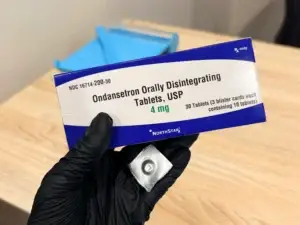


Lorazepam (Ativan) works by slowing down overactive signals in the brain.
It enhances the effects of a neurotransmitter called GABA, which helps regulate the body’s stress response and keeps the nervous system from becoming overstimulated. During alcohol or benzodiazepine withdrawal, this system is disrupted. The brain becomes overactive, which can lead to symptoms like persistent anxiety, agitation, elevated heart rate, and in more severe cases, seizures.
Lorazepam helps stabilize this imbalance.
By calming that heightened brain activity, it reduces the intensity of withdrawal symptoms and lowers the risk of serious complications during detox. This is why benzodiazepines like lorazepam are considered a first-line treatment for alcohol withdrawal in detox.
Cost is one of the biggest reasons people put off detox, but in many cases, insurance covers most or all of it. The Haven Detox accepts Medicaid and most major insurance plans.
You can verify your benefits quickly and confidentially to see exactly what’s covered and what your options are.


Lorazepam (Ativan) is one of the most commonly used medications for alcohol withdrawal because of how it affects the brain during this process.
Alcohol slows down the central nervous system. Over time, the brain adapts to that effect. When alcohol is suddenly removed, the brain can become overloaded very quickly. This is what leads to symptoms like anxiety, shaking, increased heart rate, and in more severe cases, seizures or delirium tremens (DTs).
Lorazepam helps stabilize that shift.
It works quickly to calm the nervous system and can be adjusted based on how symptoms change. This makes it especially useful in alcohol detox, where symptoms don’t always follow a predictable pattern.
Because of this, lorazepam is often used to:
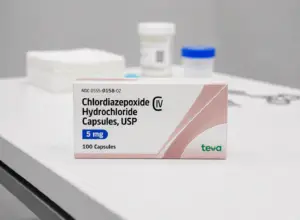
Other medications in the same class, like diazepam (Valium) or chlordiazepoxide (Librium), may also be used during alcohol detox. These tend to last longer in the body, while lorazepam has a shorter duration and can be adjusted more precisely based on symptoms.
This makes lorazepam a common choice when symptoms need to be managed closely in real time.
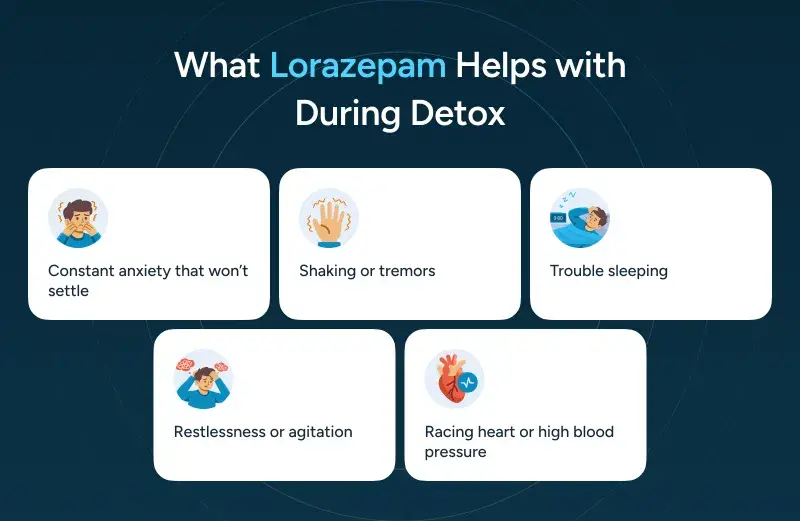
Lorazepam (Ativan) is used during detox to reduce the intensity of withdrawal symptoms, especially when they begin to escalate.
Withdrawal attacks both your body and your nervous system. As the brain becomes overstimulated, symptoms can build quickly and become harder to manage without support.
Lorazepam helps bring those symptoms under control.
It’s commonly used to help with:
Lorazepam does not erase withdrawal entirely. The medication reduces the severity so your body remains stable and out of danger. Without medical support, these physical symptoms intensify rapidly during the first 72 hours.
Doctors administer lorazepam in tablet form. They use liquid or injection formats if you cannot take oral medication. Your specific dose depends entirely on what your body requires in that exact moment.
Withdrawal symptoms fluctuate wildly during the first few days. Doctors do not use a fixed dose for everyone. The medical team adjusts your medication based on your immediate progression.
Withdrawal symptoms can change quickly, especially in the first few days. Because of this, lorazepam is not given in a fixed amount for everyone. It’s adjusted based on how symptoms are progressing.
This may include:
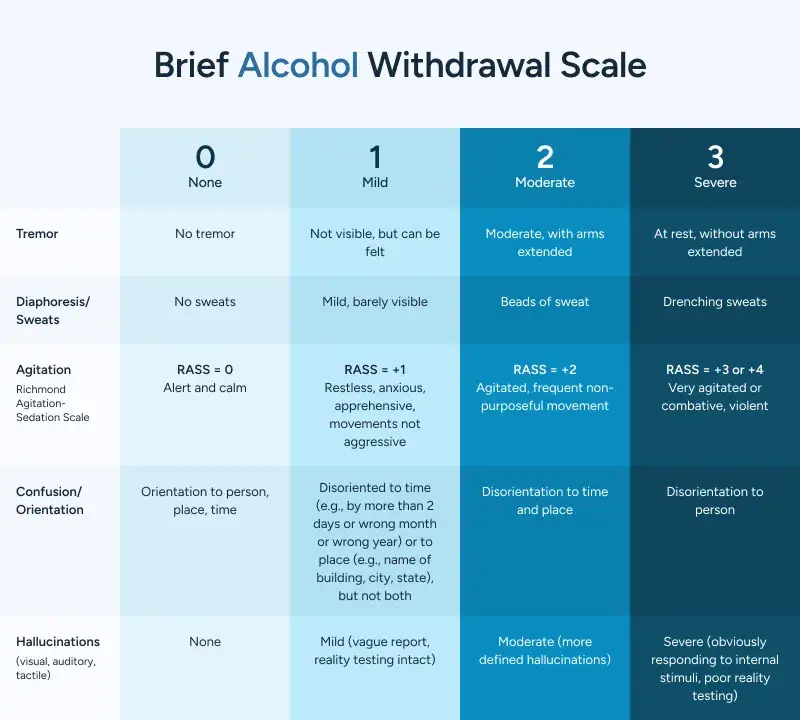
Medical teams often use a standardized scale called the CIWA-Ar (Clinical Institute Withdrawal Assessment for Alcohol) to measure withdrawal severity and guide treatment.
This scale looks at symptoms like:
Each symptom is scored, and the total helps determine how severe withdrawal is and whether medications like lorazepam are needed.
This allows treatment to be based on what your body is actually experiencing, not guesswork. Instead of following a set schedule for everyone, care is adjusted continuously to keep symptoms controlled and reduce the risk of complications.

Lorazepam (Ativan) can be habit-forming if it’s used regularly or without medical supervision.
That concern is valid, especially for anyone already dealing with alcohol or drug use.
In detox, it’s used very differently.
The goal is not to replace one substance with another. It’s to reduce the risk of dangerous withdrawal symptoms while your body adjusts.
The risk of untreated withdrawal is often far more dangerous than short-term use of medications like lorazepam in detox. Because the use is short-term and closely monitored, the risk of developing a new dependence during medical detox is low.
At the same time, this is also why lorazepam is not continued long-term and is not something to take outside of a structured detox setting.
Lorazepam (Ativan) is most often used during detox when there is a higher risk of serious withdrawal symptoms.
This is especially true for alcohol and benzodiazepine withdrawal, where the body can react more intensely when use is stopped.
It’s more likely to be used if:
In these situations, medications like lorazepam are used to help prevent symptoms from becoming dangerous.
For milder withdrawal, medication may not be needed at all.
Some people experience symptoms that are uncomfortable but stable, and can be managed without benzodiazepines.
The goal is to match the level of support to what your body actually needs, whether that includes medication or not. This is why a proper evaluation at the start of detox is important, especially for alcohol withdrawal.
Lorazepam (Ativan) is only used short-term during detox, usually for a few days while withdrawal symptoms are at their peak.
As your body begins to stabilize, the medication is gradually reduced and then stopped.
This process is called a taper, and it helps prevent symptoms from returning or worsening suddenly.
Once lorazepam is no longer needed, the focus shifts to what comes next.
This may include:
Detox helps your body get through the most physically intense part of withdrawal. But it doesn’t address everything that led up to it.
Having a plan in place after detox can make it much easier to maintain progress and avoid going through withdrawal again.
Lorazepam (Ativan) is used in detox to make withdrawal safer. But it’s not something that should ever be used on your own at home to try to manage symptoms.
Without medical supervision, it can create serious risks.
Trying to manage withdrawal at home with medications like lorazepam can be fatal.
This is why medications like lorazepam are only used in a controlled detox setting, where symptoms are monitored closely and treatment can be adjusted in real time.
Not everyone experiences withdrawal the same way. For some, symptoms are mild. For others, they can become intense or unpredictable very quickly.
Medical detox is especially important when there is a higher risk of complications.
You may need medical detox if:
Even if symptoms seem manageable at first, they can escalate over the first few days.
This is especially true with alcohol withdrawal, where more serious complications like seizures or delirium tremens (DTs) may not appear right away.
Medical detox is also significantly more manageable on the body. Symptoms are treated early, monitored closely, and kept from escalating as much as possible. Instead of pushing through constant discomfort, the process is more controlled and physically stable.
Getting support early can help prevent symptoms from becoming dangerous and make the experience more tolerable overall.
If you’re unsure what level of care you need, a medical evaluation can help determine whether detox should be monitored and whether medications like lorazepam may be appropriate.
Withdrawal can put real strain on the body. For some people, symptoms escalate quickly. For others, it’s the anxiety, insomnia, and physical discomfort that make it hard to get through even the first day.
Trying to manage that alone, or with medications like lorazepam at home, can be dangerous.
Medical detox is designed to stabilize your body while it adjusts. That means constant monitoring, fast response if symptoms change, and medications used only when they’re actually needed.
At The Haven Detox, care is structured around both safety and comfort, with a level of support that goes beyond basic detox.
Treatment is provided in an accredited program that meets national standards for safety and quality, including recognition from The Joint Commission, achieved by only about 10% of treatment centers.
Withdrawal isn’t just physical. Anxiety, restlessness, and sleep disruption can make the process feel overwhelming. Having the right support in place can make the difference between pushing through safely and getting stuck in the cycle.
If you’re worried about alcohol or drug withdrawal, or have tried to stop before and couldn’t, it may be time to get help in a setting that’s built to handle it safely.
Most major insurance plans cover medical detox, including Medicaid and many commercial plans. Verification can be done quickly and confidentially, so you can understand your options before making any decisions.