Substance Use Disorder Medications

Clinically Reviewed
Dr. Ignatov, Medical Director at The Haven Detox

Dr. Rostislav Ignatov, MD

Chief Medical Officer

Medications are used in detox to make withdrawals safer and manage specific symptoms so the process is much more comfortable. The majority of patients also benefit from anti-craving or mental health support medications after detox too.

Most Common Medications Used During Detox

Medications during detox are chosen based on what the body is doing in the moment. A monitored setting allows the medical team to respond quickly, while also correcting dehydration and nutrition deficits that make symptoms worse.

5 Signs Your Body is in Need of a Detox

Withdrawal Symptoms

Withdrawal Symptoms

Increased Tolerance

Increased Tolerance

Invading Thoughts

Invading Thoughts

Loss of Control

Loss of
Control

Food and Game Graphic

Compromised Lifestyle

Opioid Detox Meds

Withdrawal symptoms can shift fast. The Haven Detox uses both prescription and OTC medications to reduce withdrawal intensity and keep symptoms controlled (including nausea, diarrhea, anxiety, insomnia, and body aches).

Detoxing in a medical setting helps prevent complications, lowers relapse risk, and makes opioid detox more comfortable.

Opioids that usually need medical detox and medication support include:

  • Heroin
  • Fentanyl
  • Prescription pain pills (like oxycodone, hydrocodone, morphine, hydromorphone, codeine, or tramadol)
  • Methadone

Medical support is especially important when:

  • Opioid use has been daily or long-term
  • Fentanyl or methadone may be involved
  • There’s a history of overdose or withdrawal complications
  • Opioids are used with alcohol or benzodiazepines
MedicationBrand NameSymptomsDescription
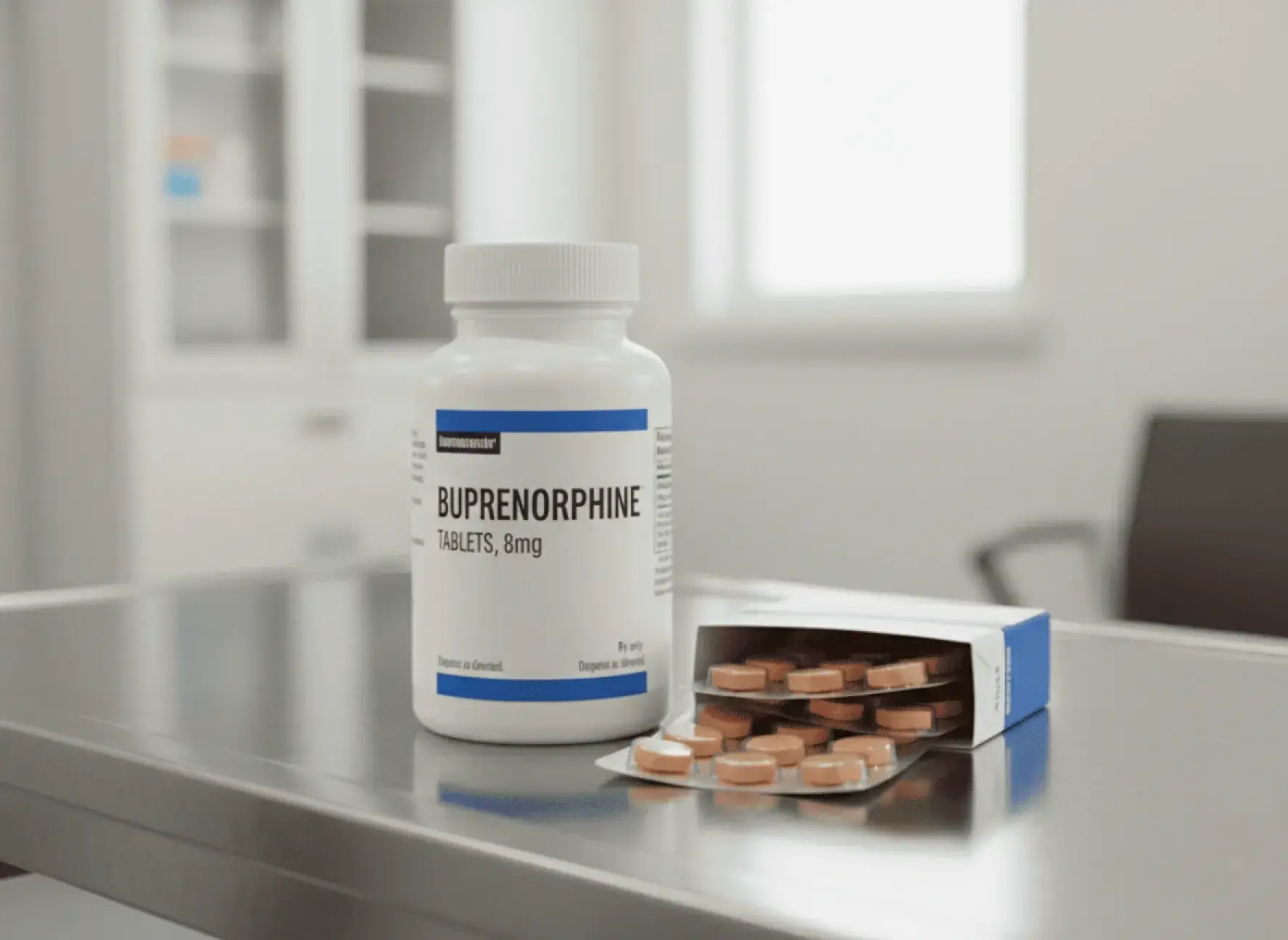
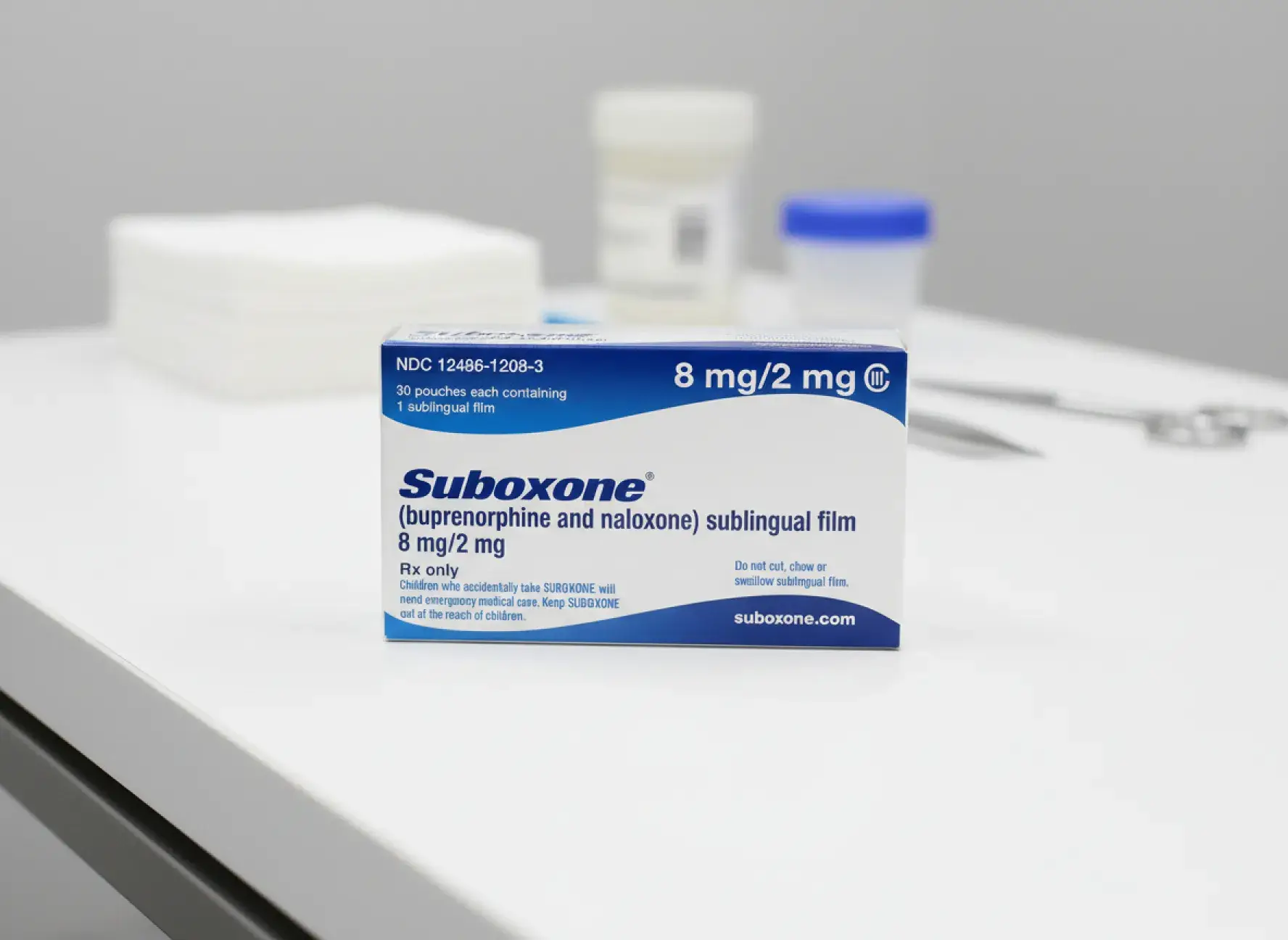
Buprenorphine (often with naloxone added)SuboxoneWithdrawal
Cravings
Partially activates opioid receptors in the brain to relieve withdrawal and cravings; FDA-approved for OUD specifically
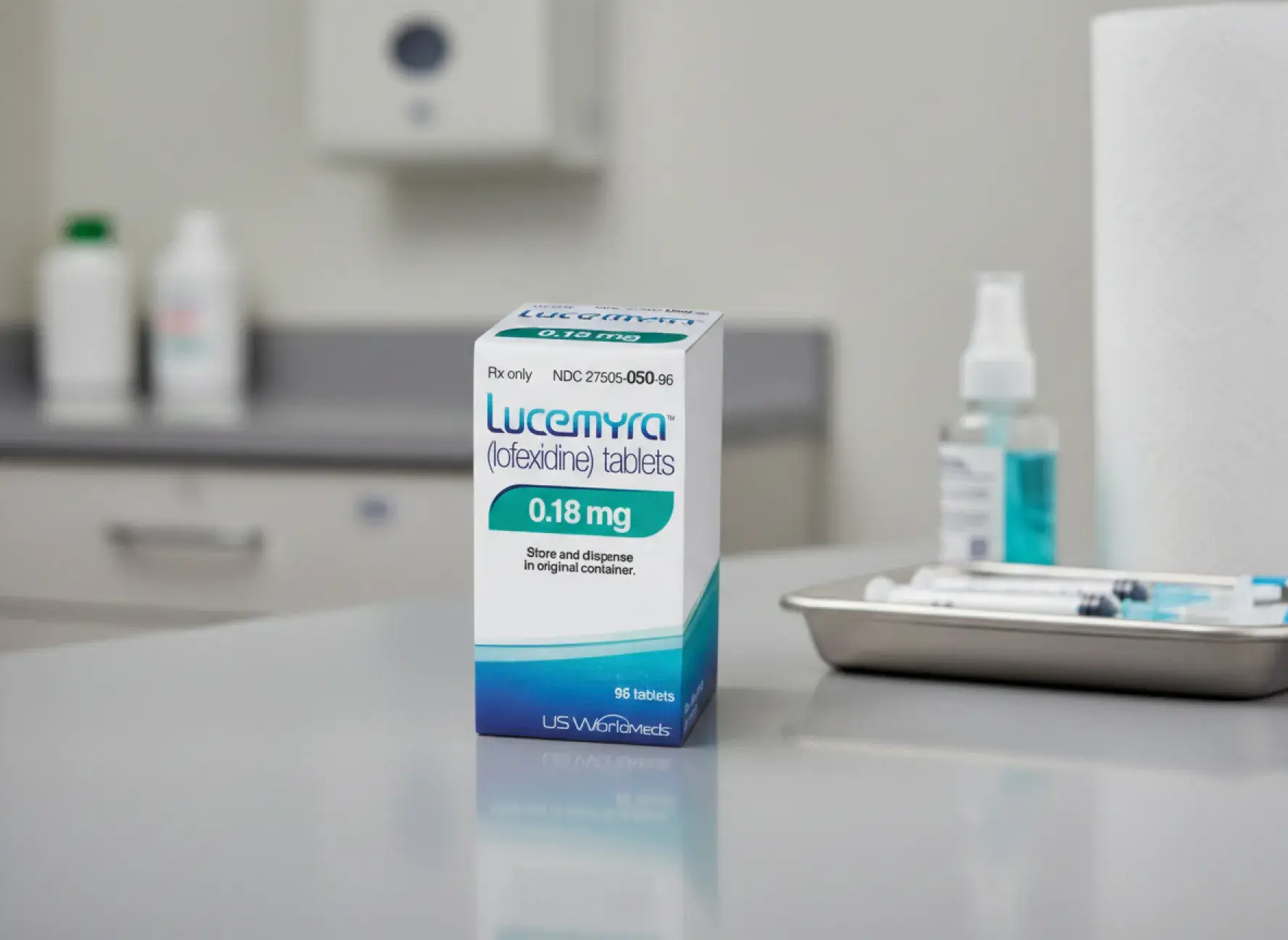
LofexidineLucemyraChills/Sweats
Agitation
Reduces withdrawal-driven overactivation in the nervous system, easing symptoms like cramps, chills, and agitation but can lower blood pressure
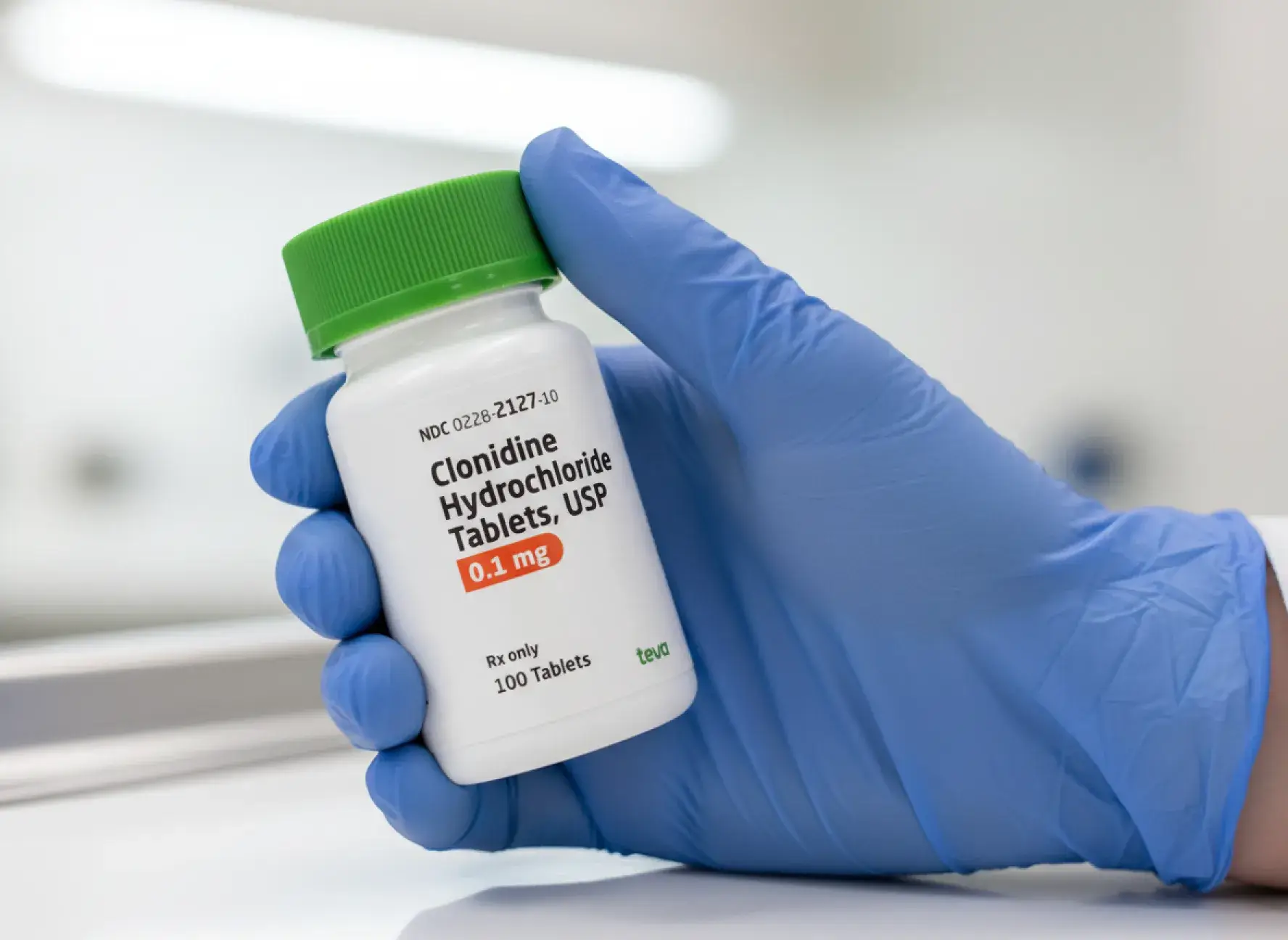
ClonidineCatapresChills/Sweats
Anxiety
Works similar to Lofexidine but can lower blood pressure, or cause dizziness or sedation
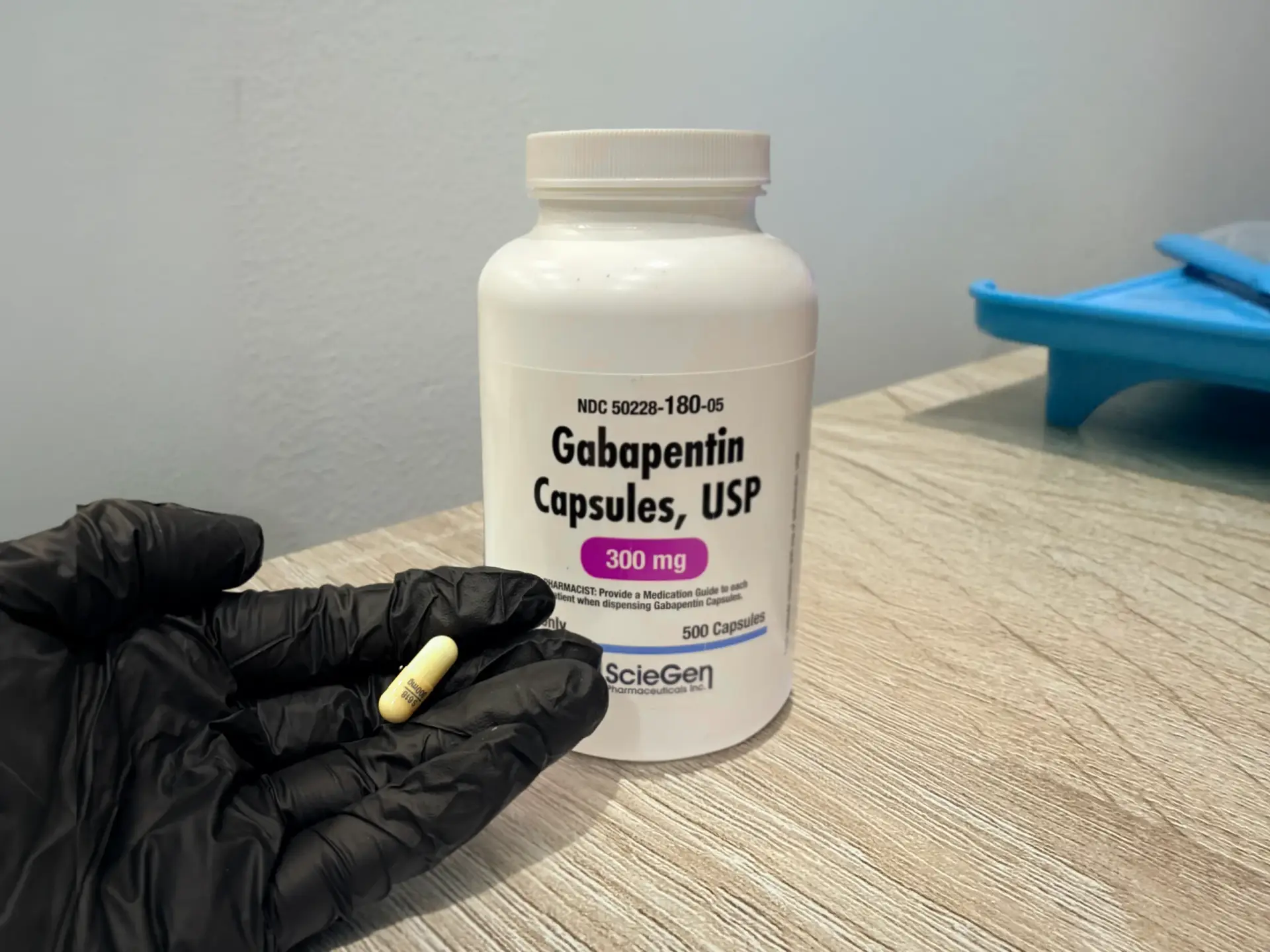
GabapentinNeurontinAches
Restlessness
Helps with withdrawal-related nerve pain, body aches, restlessness, and sleep problems
OndansetronZofranNausea
Vomiting
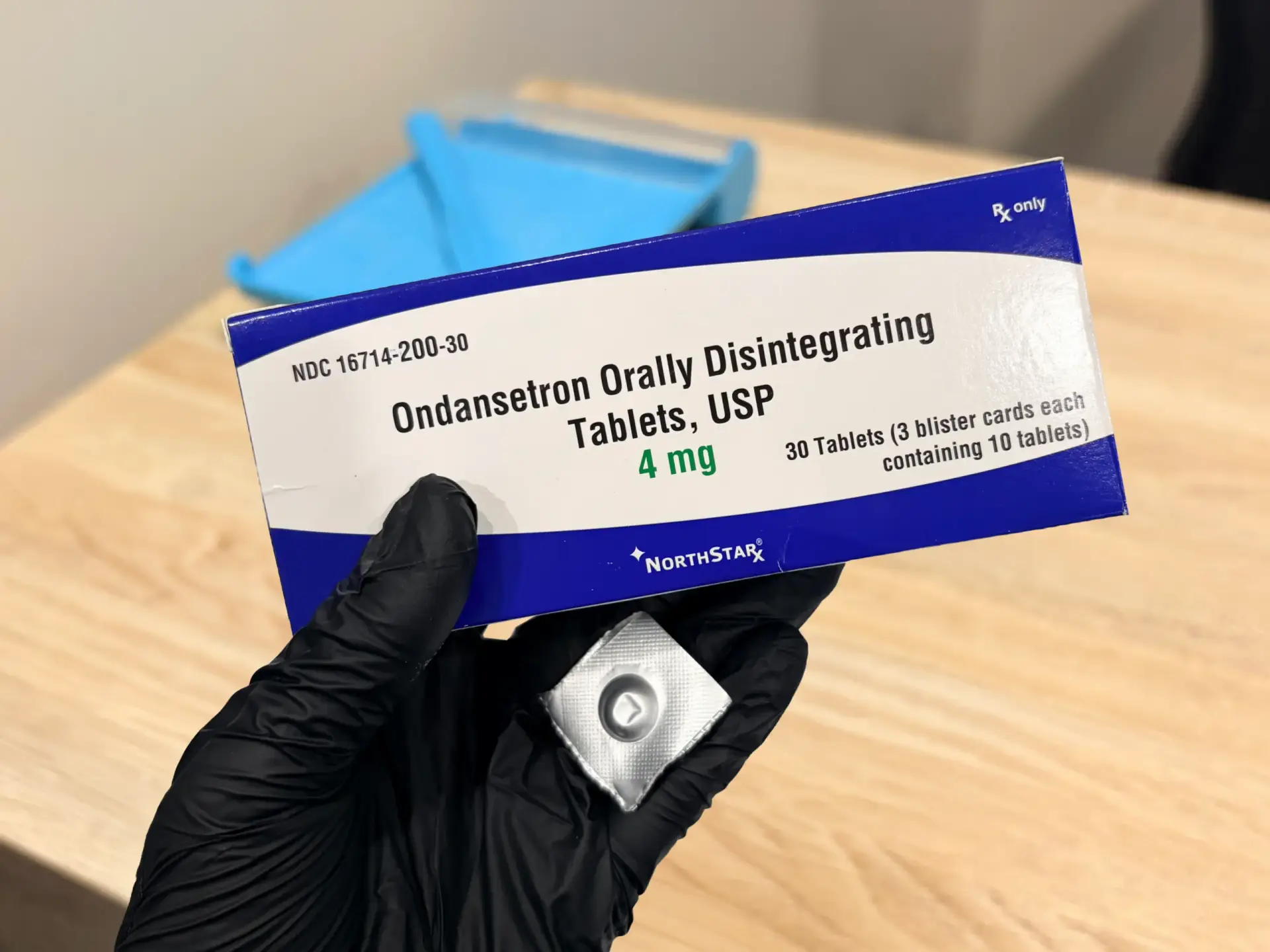
Reduces nausea and vomiting so patients can stay hydrated and keep down food and other medications.
HydroxyzineVistaril, AtaraxAnxiety
Sleep
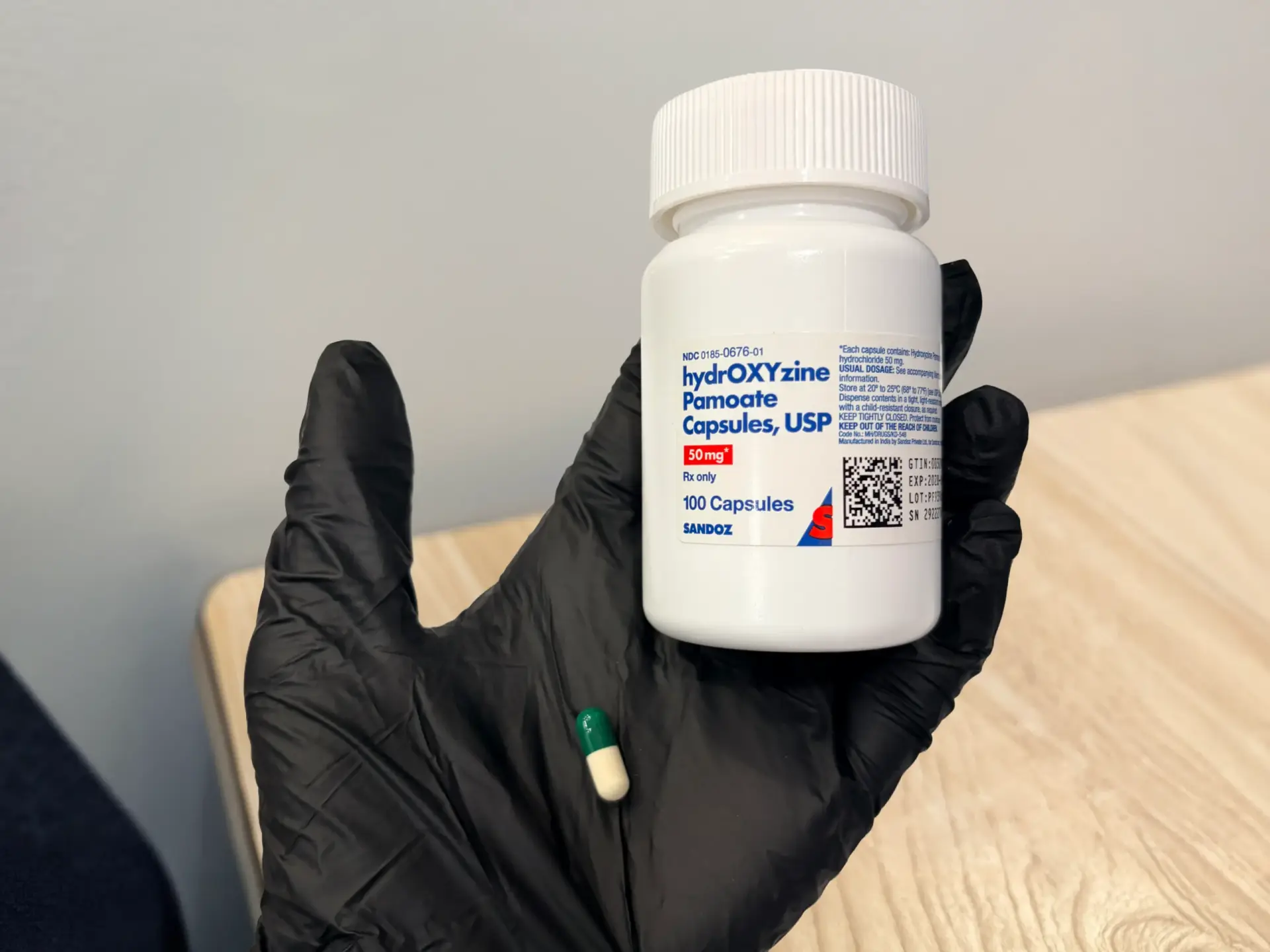
Reduces anxiety, helps with sleep, and relieves itching during withdrawal
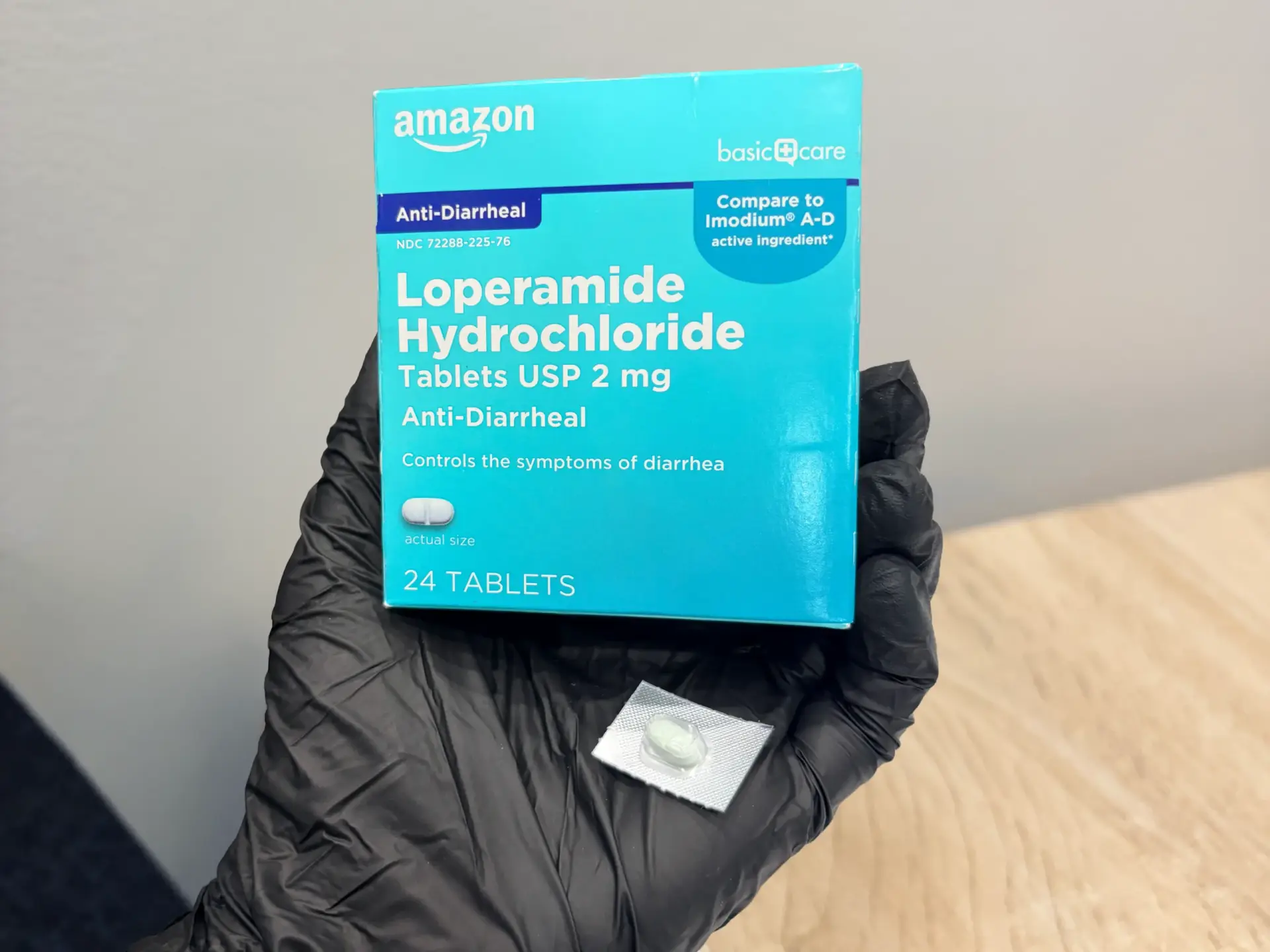
LoperamideImodiumDiarrheaTreats diarrhea and cramping to lower dehydration risk
NSAIDs or Acetaminophen (ibuprofen, naproxen, acetaminophen)Advil, Motrin, Aleve, TylenolAchesHelps with muscle aches, headaches, feverish feelings, and overall body pain

Alcohol Detox Meds

Alcohol withdrawal can be dangerous without medical care. Medications help the body adjust safely, ease intense symptoms, and reduce the risk of complications like seizures, hallucinations, delirium tremens (DTs), extreme anxiety, dehydration, and relapse. Symptoms can change hour-to-hour, especially in the first few days. With inpatient alcohol detox, medications are based on vital signs, drinking history, and how symptoms change to keep alcohol withdrawal as safe and comfortable as possible.

Medications are especially important for alcohol detox if:

  • Drinking has been daily (or near daily), heavy, or long-term
  • There’s a history of withdrawal symptoms (shakes, sweating, fast heart rate, vomiting)
  • There’s a history of seizures, hallucinations, or DTs
  • Alcohol is used with benzodiazepines or other sedatives
  • There are significant medical or mental health concerns (including depression)
Medication Brand Name Symptoms Description
Benzodiazepines Valium, Librium, Ativan Withdrawal
Seizures
First-line medications for alcohol detox that calm overactivity in the nervous system, reducing seizure risk, tremors, agitation, and severe anxiety
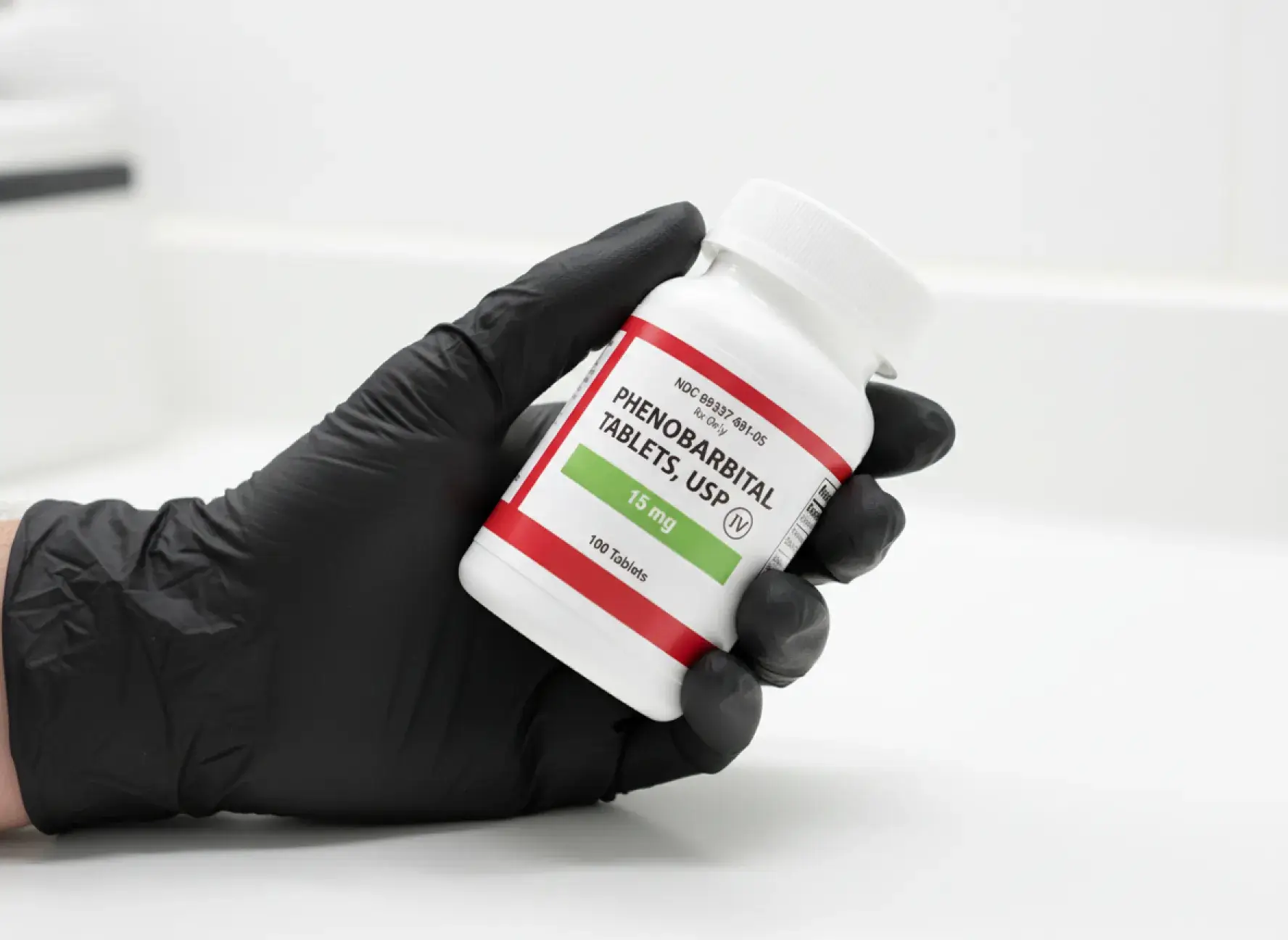
Phenobarbital (generic) Withdrawal
Seizures
Helps stabilize the nervous system and prevent seizures in moderate to severe alcohol withdrawal, used instead of or alongside benzodiazepines
Gabapentin Neurontin Anxiety
Sleep
Helps with anxiety, restlessness, nerve pain, insomnia, and other withdrawal-related symptoms
Ondansetron Zofran Nausea
Vomiting
Reduces nausea and vomiting so patients can stay hydrated and tolerate food and other medications
Thiamine (Vitamin B1) Vitamin support Helps protect the brain during alcohol withdrawal and lowers the risk of serious complications linked to long-term alcohol use
Folic acid Vitamin support Helps replace vitamins the body needs for healthy blood and energy
Magnesium / Potassium Electrolyte support Low magnesium can worsen tremors and increase seizure risk and potassium supports heart rhythm and muscle function
IV fluids Dehydration Used when patients are dehydrated or unable to keep fluids down to support circulation, often including vitamins and electrolytes directly (ie. banana bags)
Clonidine Catapres Sweats
Fast heart rate
Helps reduce physical “overdrive” symptoms like sweating, elevated heart rate, and high blood pressure but does not prevent seizures
Propranolol Inderal, Inderal LA, InnoPran XL Tremors
Fast heart rate
A beta-blocker that can help tremor and a pounding heart in select patients
Hydroxyzine Vistaril, Atarax Anxiety
Sleep
Used to ease anxiety and support sleep without using benzodiazepines, though it can cause drowsiness
Trazodone (generic) Sleep Used for sleep but can cause next-day grogginess
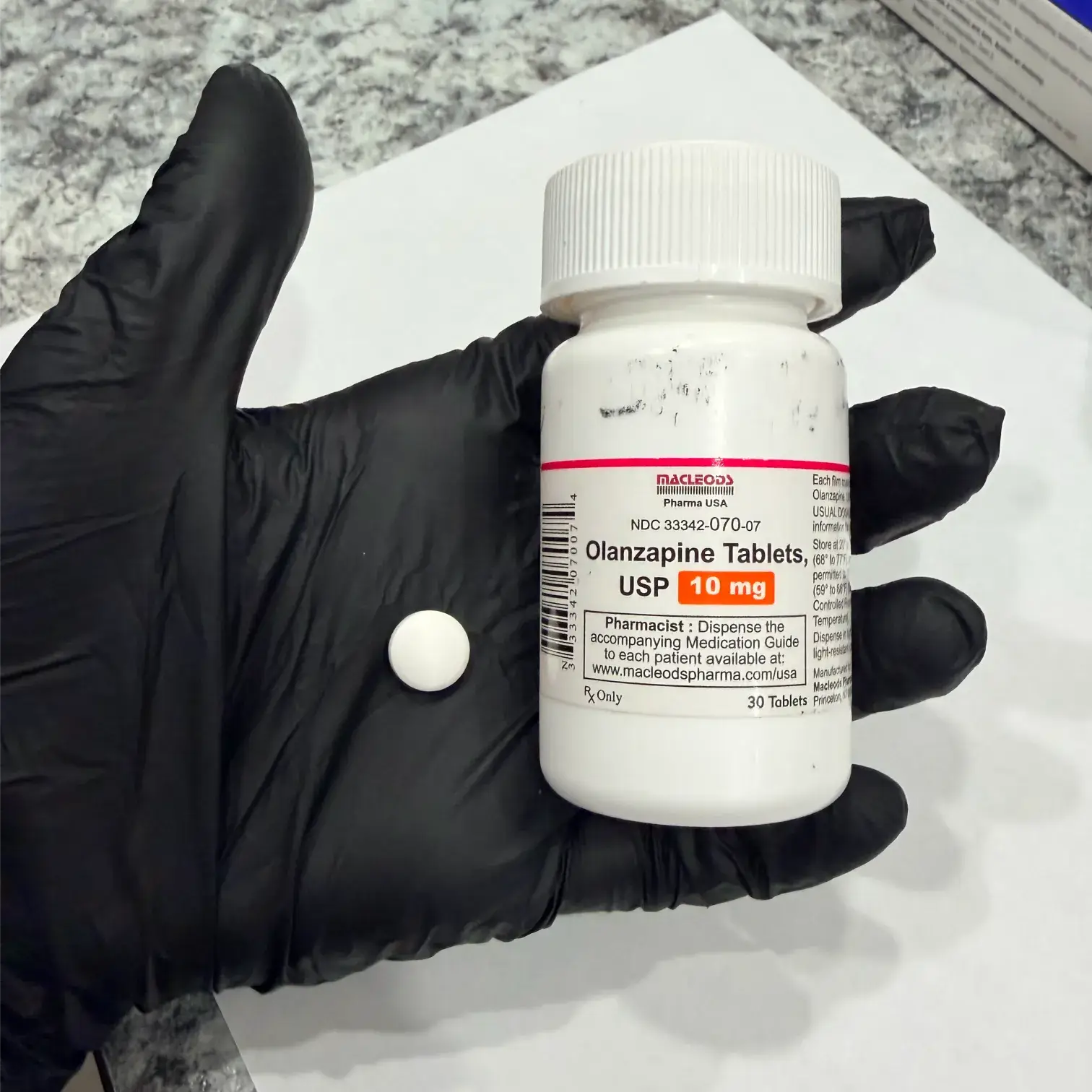
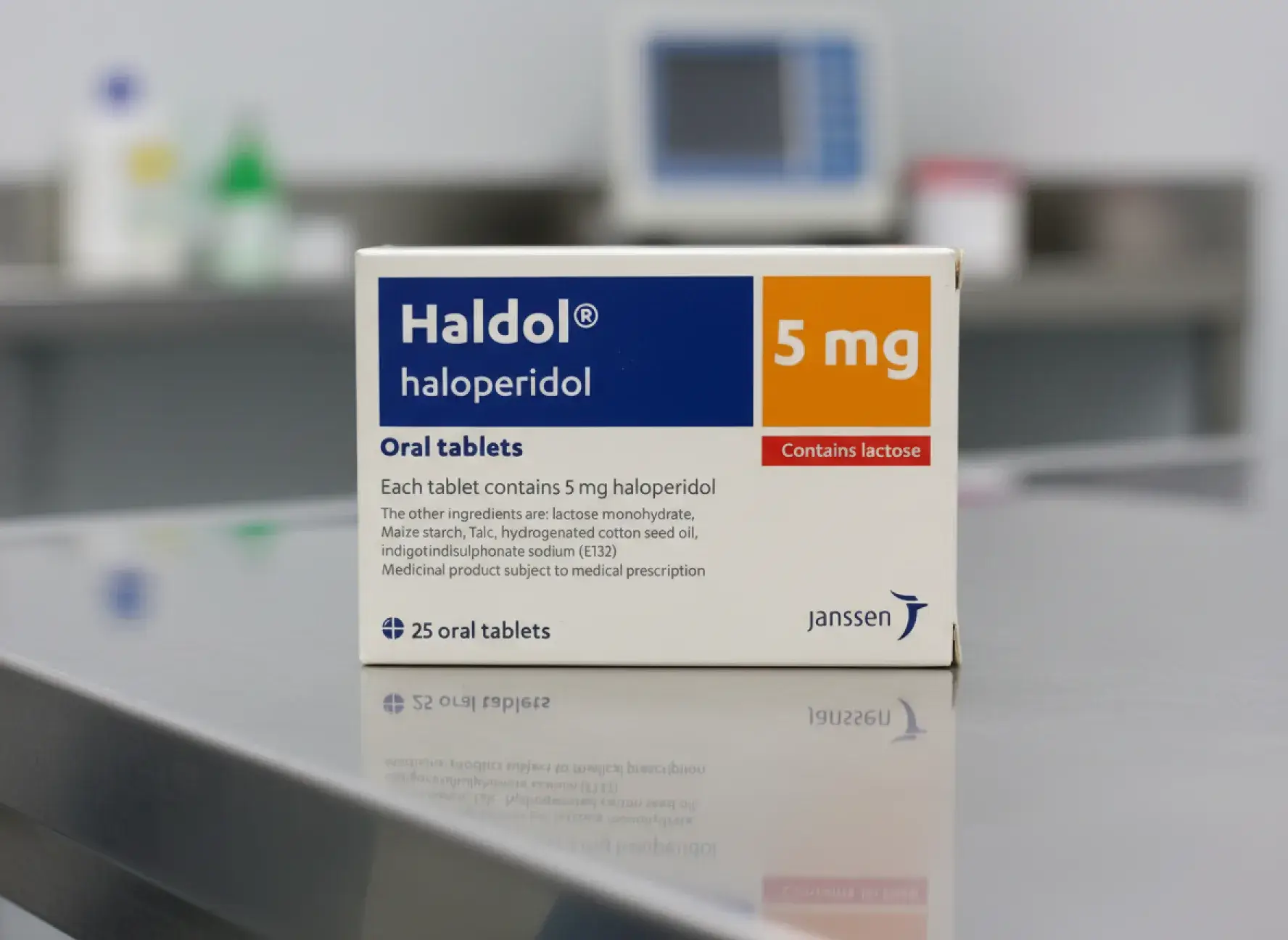
Antipsychotics (short term) Haldol, Zyprexa Agitation
Hallucinations
Used short term in severe cases for agitation or hallucinations, alongside seizure-prevention meds, with close monitoring
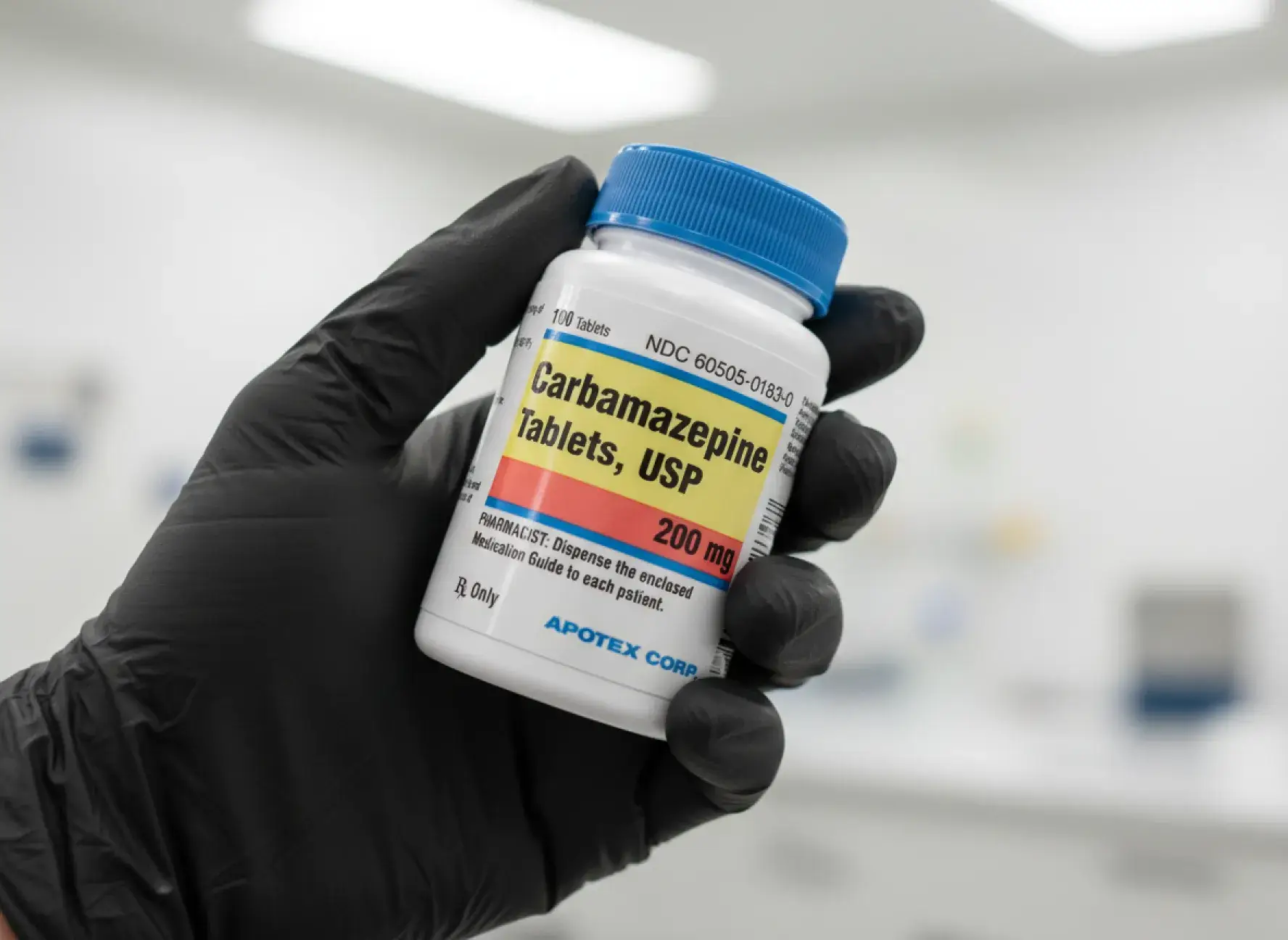
Carbamazepine Tegretol Seizures May be used to lower seizure risk and help stabilize the nervous system
Valproic acid / divalproex Depakote Seizures Used in certain patients to support seizure control and nervous system stability

Stimulant Detox Meds

Stimulant withdrawal often feels draining and emotionally heavy. Severe depression and suicidal thoughts can occur, especially in the first days (“crash”), which can be life-threatening. Patients also deal with extreme fatigue, low mood, anxiety, irritability, and trouble sleeping as the brain adjusts. Methamphetamine (“meth,” “crystal,” “ice”) and cocaine are the most common stimulants we see. There are no FDA-approved medications to treat stimulant withdrawal specifically. Instead, medications are used “off-label” to address specific symptoms to get through stimulant detox more comfortably. At an inpatient detox, medical staff also help with hydration, nutrition and sleep routines to help stabilize mood and anxiety naturally.

Psychosis / Agitation Management

Some patients (especially those using meth) experience short-term paranoia, hallucinations, or severe agitation. Clinicians may temporarily use antipsychotics with close observation, including:
  • Olanzapine (Zyprexa)
  • Risperidone (Risperdal)
  • Quetiapine (Seroquel)
  • Aripiprazole (Abilify)
  • Haloperidol (Haldol)
Medication Brand Name Symptoms Description
Bupropion Wellbutrin Mood
Cravings
Used to improve low mood and motivation and reduce cravings, though evidence is mixed
Mirtazapine Remeron Mood
Sleep
Used for sleep problems, appetite changes, and low mood, but can cause daytime sedation
Modafinil Provigil Fatigue Used to reduce extreme fatigue and improve alertness, but can also worsen anxiety and insomnia in some patients
Trazodone Sleep Used for sleep but can cause next day grogginess
Hydroxyzine Vistaril, Atarax Sleep
Anxiety
Used to ease anxiety and support sleep without using benzodiazepines, though can cause drowsiness
Gabapentin Neurontin Anxiety
Restlessness
Sleep
Helps with anxiety, restlessness, nerve pain, insomnia, and other withdrawal-related symptoms
Propranolol Inderal Tremors
Fast heart rate
A beta-blocker that can help physical symptoms like tremor, pounding heart, and sweating

Sedative / Benzodiazepine Detox Meds

Sedative withdrawal can be dangerous without medical care. The biggest risks are seizures and delirium (a medical emergency where a patient is disoriented, agitated, and not thinking clearly). Detox involves a slow, supervised taper and usually comfort medications to help with symptoms. Sedatives that often require medical detox and medications include:

Benzodiazepines (most common)

  • Alprazolam (Xanax)
  • Clonazepam (Klonopin)
  • Lorazepam (Ativan)
  • Diazepam (Valium)
  • Chlordiazepoxide (Librium)
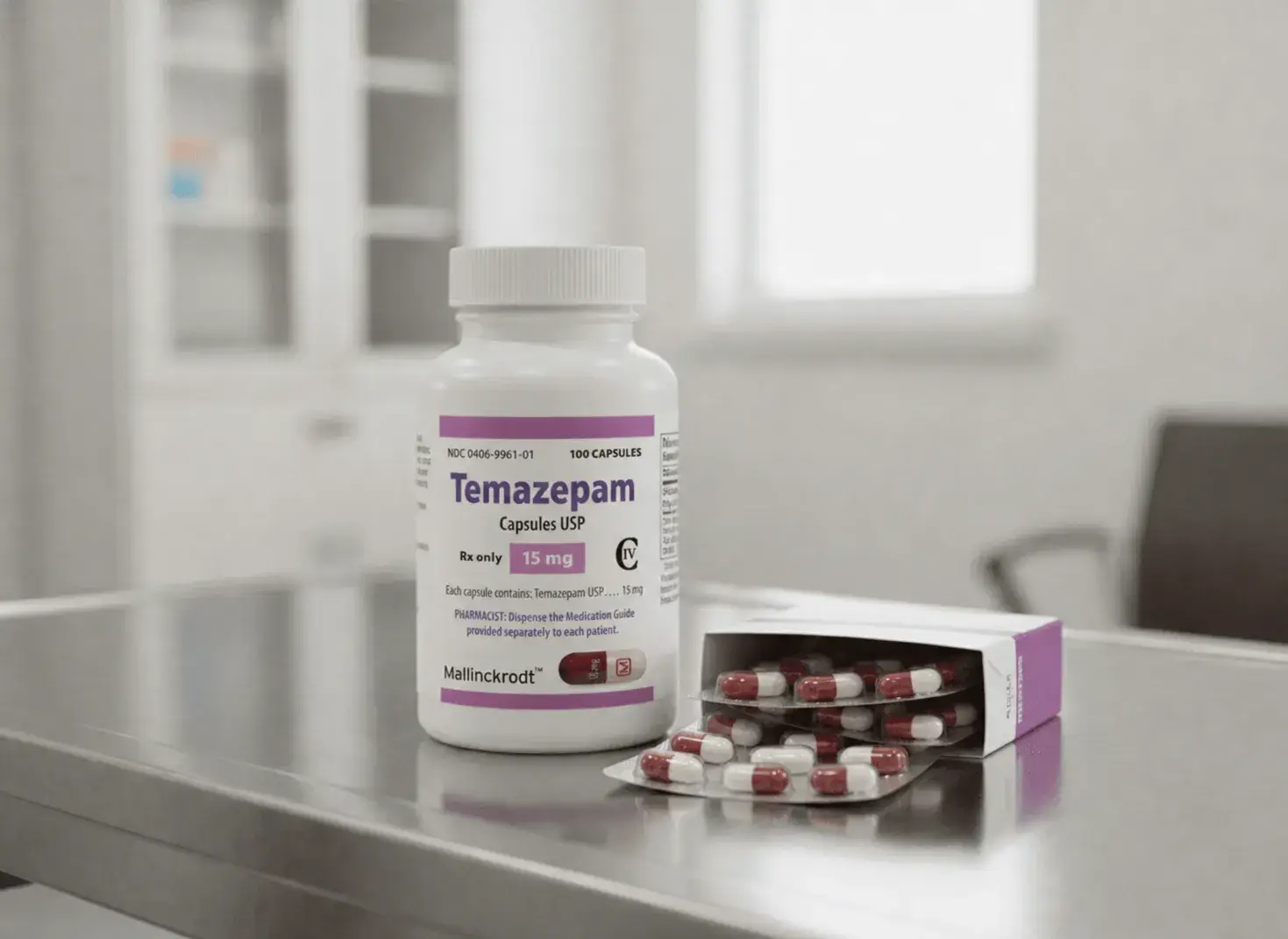
  • Temazepam (Restoril)

Barbiturates (less common today, but higher risk)

  • Phenobarbital
  • Butalbital (often in headache meds like Fioricet)
In a medical detox, the team monitors vital signs and withdrawal severity and adjusts medications to keep symptoms controlled and prevent complications.
Medication Brand Name Symptoms Description
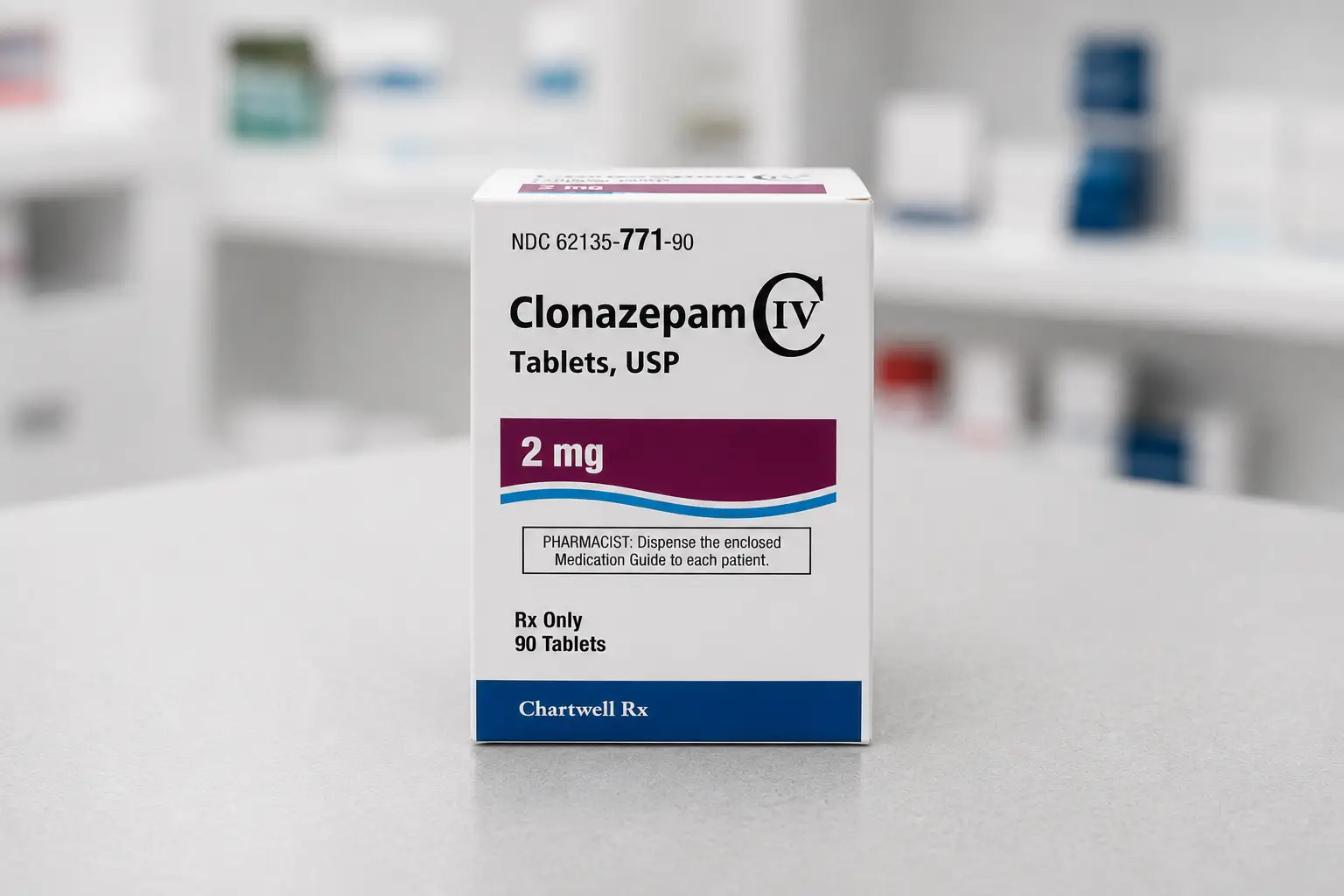
Clonazepam Klonopin Withdrawal A long-acting benzodiazepine that may be used as part of a slow, medically supervised taper to reduce withdrawal severity and lower seizure risk
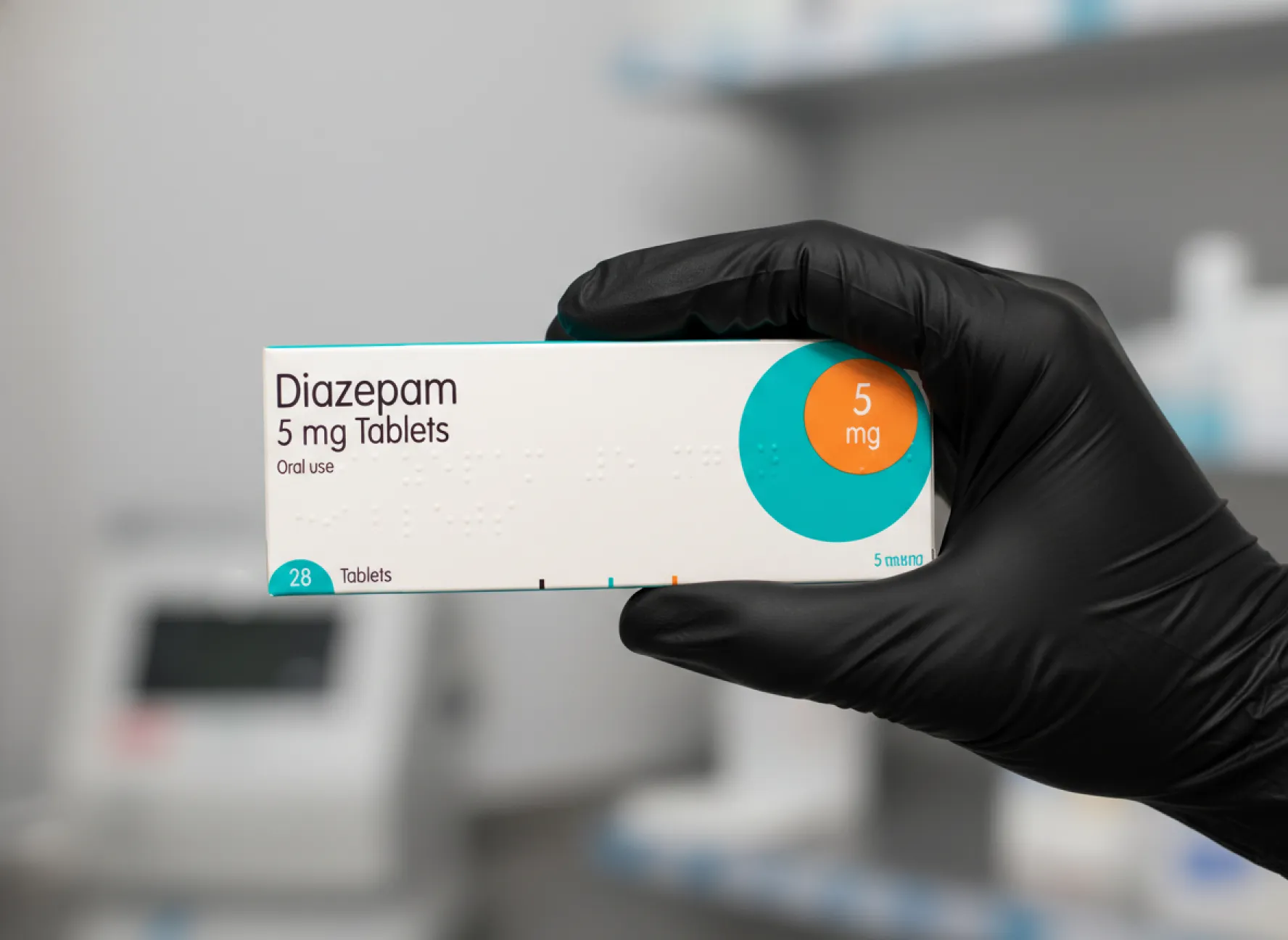
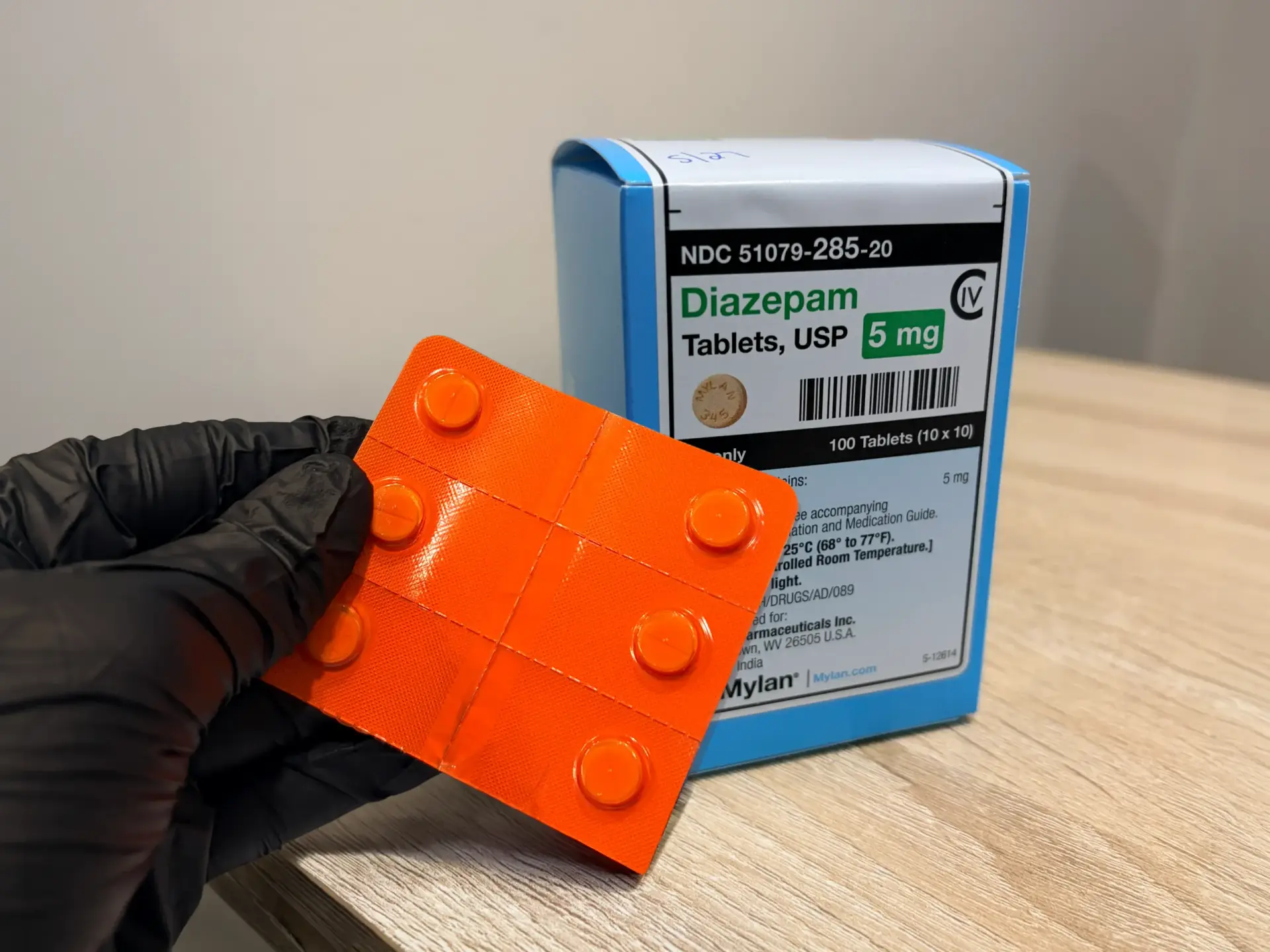
Diazepam Valium Withdrawal A long-acting benzodiazepine often used for tapering because it can smooth symptoms and help prevent seizures during withdrawal
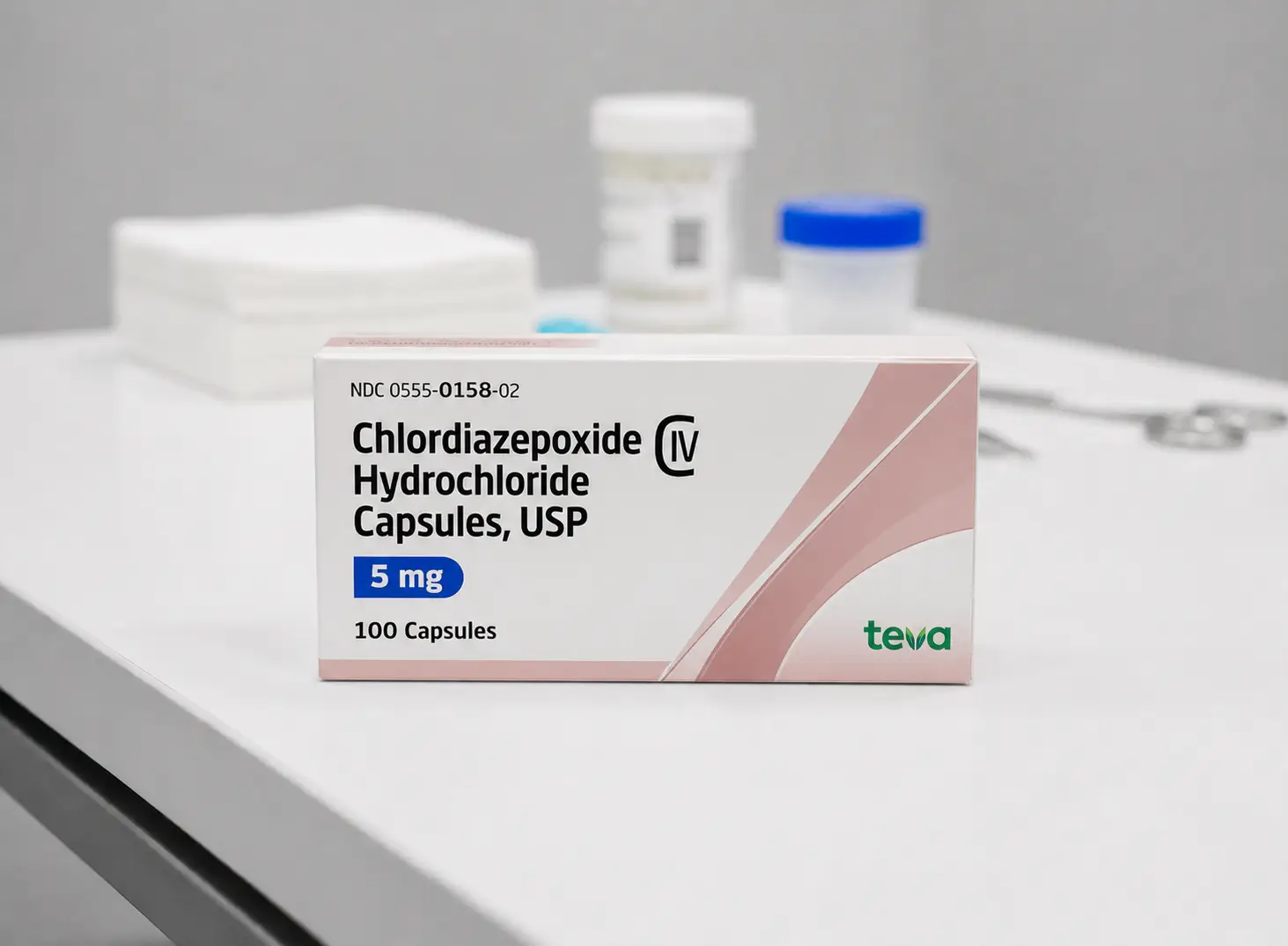
Chlordiazepoxide Librium Withdrawal A long-acting benzodiazepine commonly used in detox protocols to taper safely and reduce withdrawal severity and seizure risk
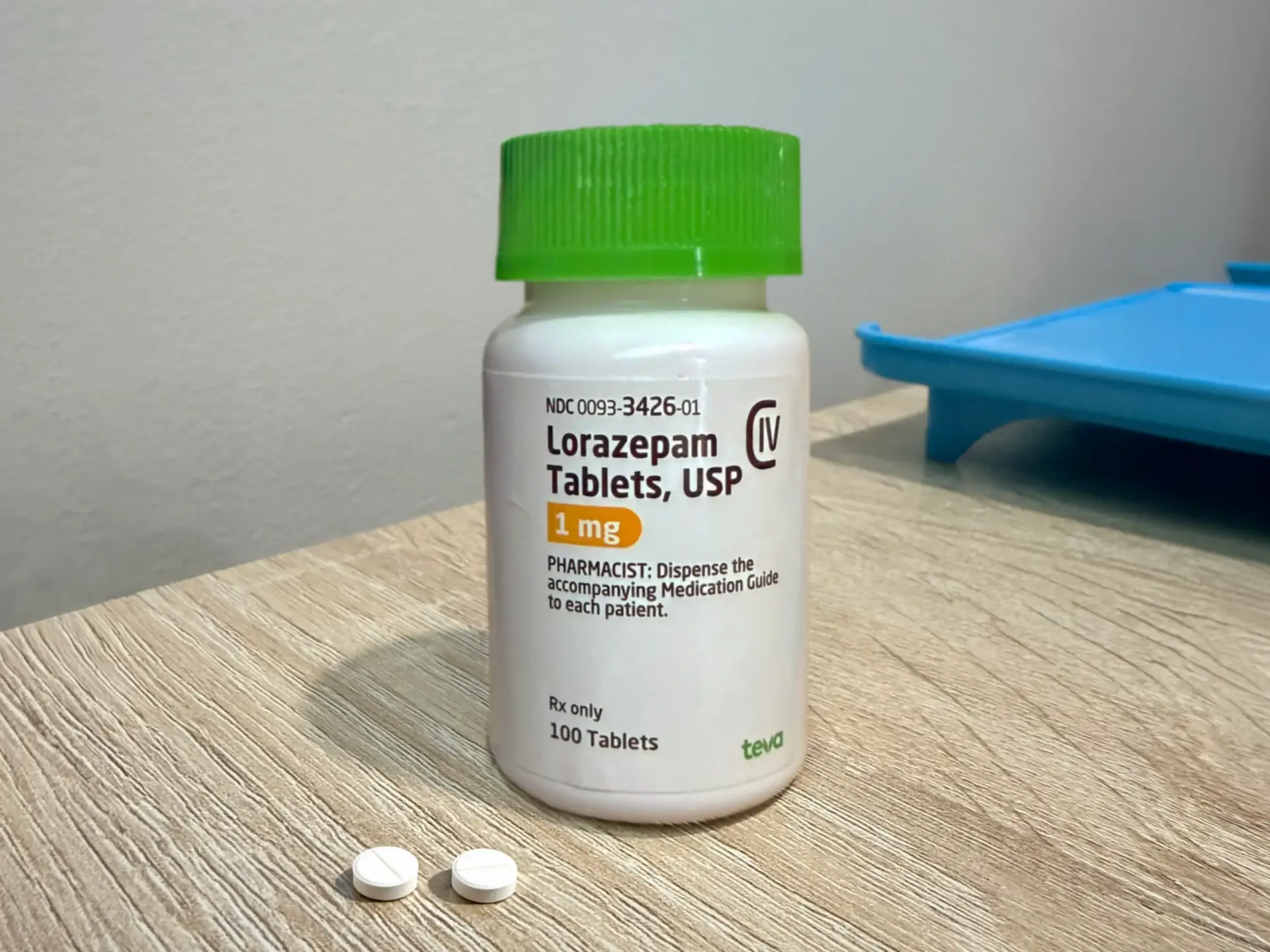
Lorazepam Ativan Withdrawal A benzodiazepine often used in inpatient detox, including when liver health is a concern, to help stabilize withdrawal and reduce seizure risk
Carbamazepine Tegretol Seizures May be used in select cases to help lower seizure risk and stabilize the nervous system during sedative/benzodiazepine withdrawal
Phenobarbital Withdrawal
Seizures
A long-acting barbiturate that may be used in some detox protocols for stabilization and seizure prevention, especially in higher-risk cases, with close monitoring
Gabapentin Neurontin Anxiety
Sleep
Used off-label to help with anxiety, restlessness, and sleep disruption during withdrawal in some patients
Hydroxyzine Vistaril, Atarax Anxiety
Sleep
Used to ease anxiety and support sleep without using benzodiazepines, though it can cause drowsiness
Clonidine Catapres Sweats
Anxiety
Used to reduce physical overactivation symptoms like sweating, restlessness, and elevated heart rate/blood pressure
Propranolol Inderal Tremors
Fast heart rate
A beta-blocker that can help physical symptoms like tremor, pounding heart, and sweating

Longer-Term Medications For Cravings

Anti-craving medications are designed to reduce the urge to use, especially during the first weeks after detox. These medications don’t replace therapy, but are especially helpful if there’s a history of intense cravings or repeated relapse.

Medications Used for Opioid Use

There are three FDA-approved medications for opioid use disorder. Most notably, buprenorphine has become fully embraced over the past decade because outcomes are so strong. Naltrexone is a great opioid-free option.

Being open to anti-craving medications can be the difference between cycling in and out of relapse and living well.

MedicationBrand NameHow It WorksAdministration / DosingBenefits
BuprenorphineSuboxone (includes naloxone)Partially activates the same opioid receptors stimulated by full opioids to keep them partially occupiedUsually daily
Film/tablet dissolved under the tongue
Dose individualized
Helps patients feel stable and functional
Lowers overdose risk compared to returning to illicit opioids
Often improves ability to stay engaged in treatment
BuprenorphineSublocade, BrixadiExtended-release for steady receptor coverageSublocade: monthly injection
Brixadi: weekly or monthly injection
No daily dosing
Helpful for adherence and relapse prevention
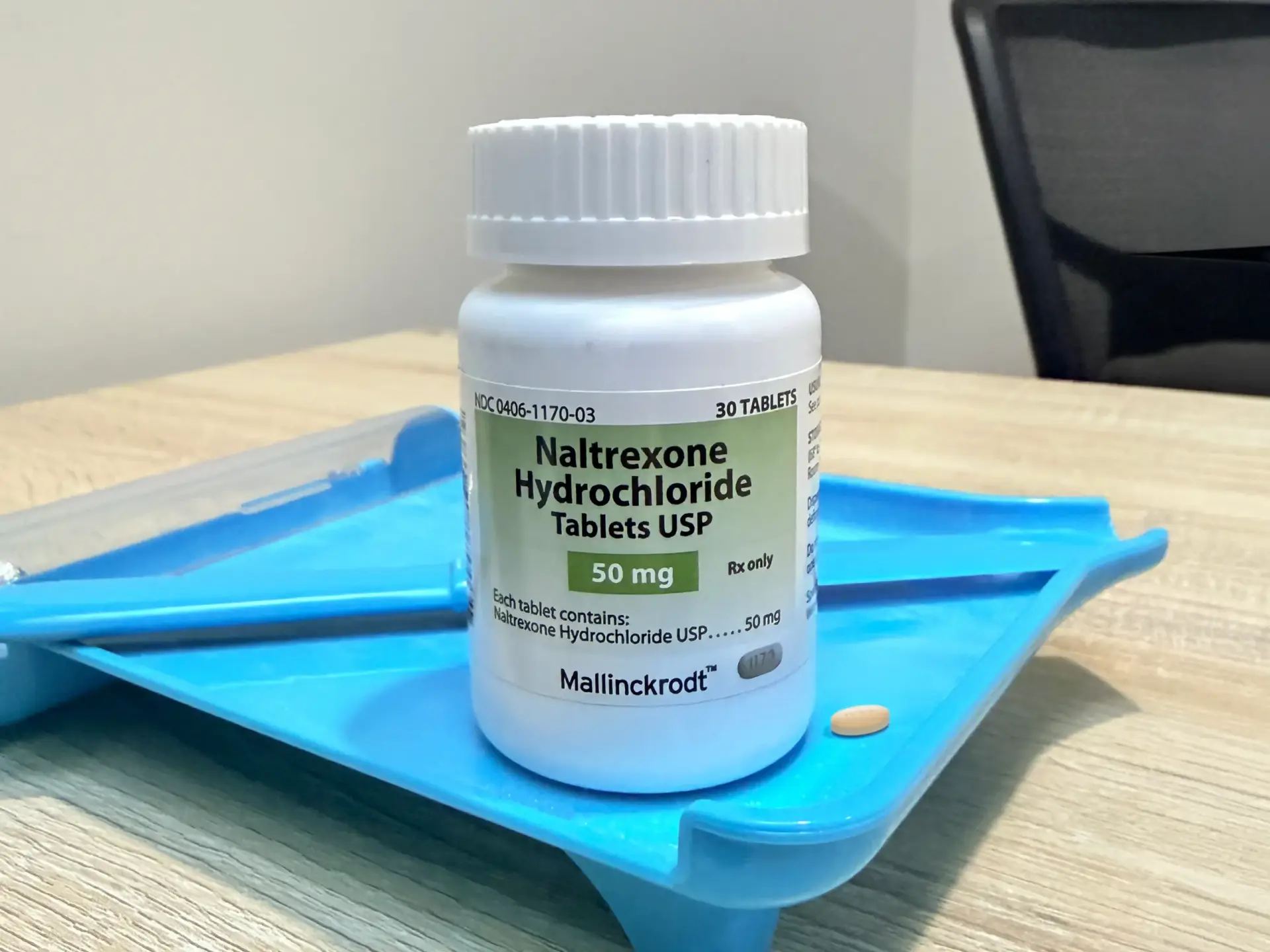
Naltrexone(generic)An opioid blocker that blocks the “high” if opioids are usedDaily pill
Must be opioid-free before starting
Removes the reward (high) if opioids are used
Breaks the association of opioids and euphoria
Not an opioid-based medication
NaltrexoneVivitrolExtended-release for steady receptor coverageMonthly injection
Must be opioid-free before starting
No daily dosing
Helpful for adherence and relapse prevention
MethadoneDolophine, MethadoseAn older long-acting full opioidDaily, closely monitored dosing through an OTP (methadone clinic)
Causes withdrawals when stopped
Craving and withdrawal control for many patients
Suggested 1 year commitment when starting

Medications Used for Alcohol Use

There are three FDA-approved medications for alcohol use disorder: naltrexone, acamprosate, and disulfiram. Naltrexone is often a first choice, but acamprosate is another strong option. Anti-craving medications aren’t a cure, but they make it easier to continue to avoid alcohol after detox. (And, why not make it easier on yourself)?
Medication Brand Name How It Works Benefits Administration / Dosing
Naltrexone (generic) An opioid-receptor blocker that reduces alcohol’s reinforcing “reward” signal in the brain, so drinking feels less compelling Can reduce heavy drinking and relapse risk
Often a first-choice option when cravings are strong
Daily pill
Naltrexone Vivitrol Extended-release for steady receptor coverage No daily dosing
Helpful for adherence and relapse prevention
Monthly injection
Acamprosate Campral Helps normalize brain signaling disrupted by long-term drinking, especially the balance between excitatory (glutamate) and calming (GABA) activity, which drive cravings and a “wired/uneasy” feeling Can reduce cravings and support abstinence
May help with lingering restlessness, irritability, and sleep disruption
Pill taken multiple times daily (commonly 3)
Best when taken consistently
Disulfiram Antabuse Blocks an enzyme so if alcohol is consumed, acetaldehyde builds up quickly, triggering a predictable aversive reaction Can be effective for highly motivated patients with support
Clear “stop sign” against drinking
Daily pill
Requires strict alcohol avoidance and careful screening
Older and less common these days because of the risks
Topiramate (off-label) Topamax Helps calm overactive brain signaling and can reduce the “reward” feeling from alcohol, which may lower cravings and heavy drinking Can reduce heavy drinking for some patients though research is mixed Daily dosing
Started low and increased slowly with monitoring

Most Common Mental Health Medications Used for Substance Use Dual Diagnosis

Dual diagnosis care focuses on long-term stability, which means treating the underlying mood, anxiety, trauma, attention, or thought symptoms that keep cravings and impulsive decisions “turned up.” The goal is to help patients feel steady enough to stay engaged in daily life long-term.

Anxiety / Depression / Trauma Medications

First-line dual-diagnosis medications often treat anxiety and depression together, and many also help trauma-related symptoms. The most common non-addictive options are:

  • Sertraline (Zoloft)
  • Escitalopram (Lexapro)
  • Fluoxetine (Prozac)
  • Duloxetine (Cymbalta)
  • Venlafaxine (Effexor)
  • Desvenlafaxine (Pristiq)

Anxiety Add-Ons

Anxiety is the second most common diagnosis at The Haven Detox (after substance use disorder).

Even after detox, anxiety can linger while the nervous system stays on high alert and sleep and stress hormones reset. The goal is to calm the body and mind enough to sleep, focus, and function.

Many patients start with an SSRI or SNRI (above), which treats anxiety and depression together. Other non-addictive options may be added for panic, physical “overdrive,” or PTSD-related sleep, including:

  • Buspirone (BuSpar)
  • Hydroxyzine (Vistaril, Atarax)
  • Propranolol (Inderal)
  • Clonidine (Catapres)
  • Prazosin (Minipress)

Depression Add-Ons

Early sobriety can make depression feel sharper as the brain is rebalancing stress chemicals and dopamine. When mood is low, cravings hit harder, sleep gets worse, and it becomes harder to stay engaged in therapy and daily routines. Treating depression helps patients feel steadier, think more clearly, and stick with care long enough for real change to take hold.

SSRIs/SNRIs are often the first option and treat anxiety and depression together. Other antidepressants that are non-addictive and well-studied in substance use patients, include:

  • Bupropion (Wellbutrin)
  • Mirtazapine (Remeron)
  • Trazodone

Adults with Substance Use Disorder

⏺ 20% - Had major depressive episode

20% of Adults With Substance Use Disorder Had Depression

⏺ 80% - Did not have major depressive episode

ADHD Medications

ADHD is a common co-occurring diagnosis at The Haven Detox.

Untreated ADHD can make early sobriety harder because poor focus, impulsivity, and restlessness can raise stress and cravings.

Stimulant medications are usually not preferred, since they can be misused and may worsen anxiety or sleep in early recovery. The team often starts with non-stimulant options like:

  • Atomoxetine (Strattera)
  • Guanfacine ER (Intuniv)
  • Clonidine ER (Kapvay)
  • Viloxazine ER (Qelbree)


Mood Stabilizers

Mood symptoms can be hard to read in early sobriety because sleep loss and post-acute withdrawal can mimic bipolar symptoms. Mood stabilizing medications are only used when there’s a clear history or strong signs of a bipolar disorder (not for most substance use patients). There’s known overdiagnosis in substance-misusing populations, so careful evaluation matters.

If truly appropriate, mood stabilizers are long-term, non-addictive medications that protect sleep and reduce swings in mood/energy, commonly:

  • Lamotrigine (Lamictal)
  • Valproate / divalproex (Depakote)
  • Lithium – case-by-case


Antipsychotics

Very few addiction treatment patients end up on antipsychotic medication. Antipsychotics are used only when there’s a clear long-term condition like bipolar disorder with mania or psychotic depression. Rates of continued psychosis issues are highest with chronic methamphetamine use. Medications include:

  • Quetiapine (Seroquel)
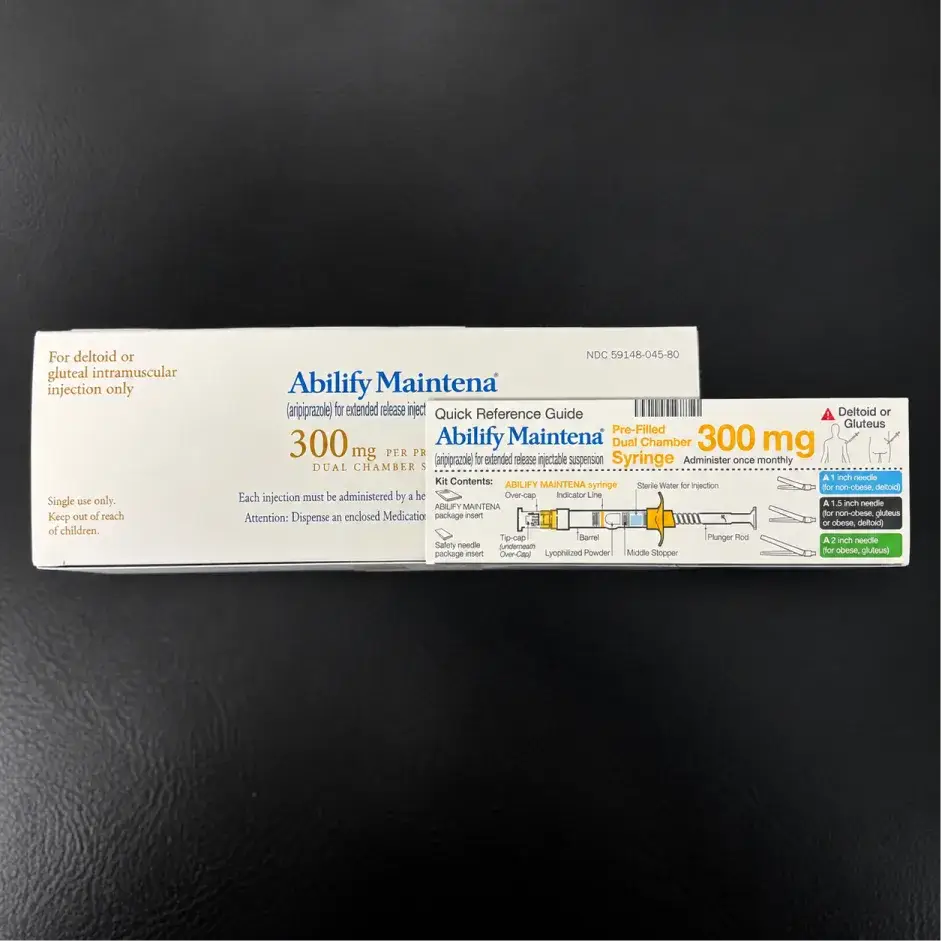
  • Aripiprazole (Abilify)
  • Olanzapine (Zyprexa)
  • Risperidone (Risperdal)

Get Medications for Addiction Issues Today

If withdrawals, cravings, or relapse are keeping you stuck, medications can make the next step feel possible.

Call 24/7 to better understand what options fit your situation and what your specific insurance covers (sometimes up to 100%).

Common Detox & Withdrawal Medications

Updated
April 23, 2026

Have Questions? Let’s Talk!

Let’s talk about what’s going on — no judgement. (We’ve been there before ourselves). No one will know you inquired and there is no commitment to call.

24/7 Support

Need someone to talk to? We’re always here—day or night.

No Commitment

Ask questions, get guidance—no pressure, no obligation.

100% Private

Your story stays with us. Confidential support, always.
Haven Detox doctor providing compassionate medical detox care.

Why Wait?
Get Answers Now

You’re here because you know you need help. Let’s talk through it together. There’s no commitment and it’s 100% confidential even to check your insurance.
100% Confidential