100% Confidential



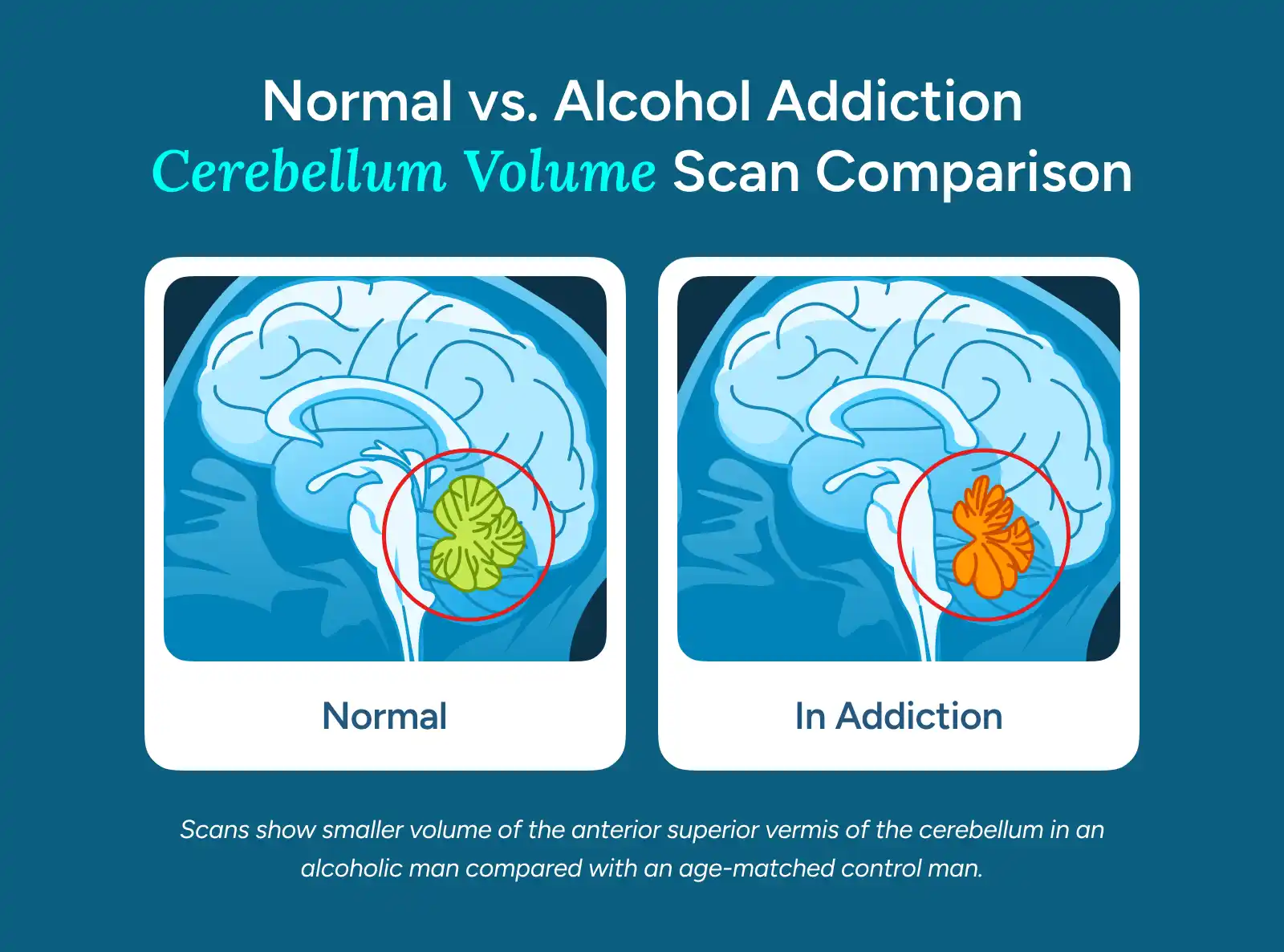
Drug and alcohol addictions are recognized as complex brain diseases. A disease, in its most basic definition, is a condition that affects cells in a negative way. Addiction disrupts the normal functioning of neurotransmitters, decreases brain volume and changes brain structure in different areas.
Neuroplasticity refers to the brain’s general ability to adapt and reorganize itself. Most brain damage from addiction is reversible until suddenly and usually without warning, it is not. (Read next: Alcohol Wet Brain).
Specifically during drug and alcohol detox:
While brain recovery begins during detox, it varies greatly by individual and substance. Full recovery of brain function may take years, especially for chronic users.
Chronic substance use (particularly opioids, stimulants and alcohol) overstimulates the brain’s dopamine system. This leads to lower dopamine production and lower receptor sensitivity.
When the brain becomes accustomed to the unnatural stimulation of dopamine, it struggles to function normally without it.
Getting back to normal dopamine function is a slow process. The most substantial improvements are usually seen at 12-14 months of sobriety and full normalization can take several years for some patients depending on the severity of the addiction, especially with substances like methamphetamine.
As dopamine levels return to normal, cravings and other withdrawal symptoms decrease, and patients begin to feel more motivated and emotionally balanced over time.
Recovery really does get easier with time.
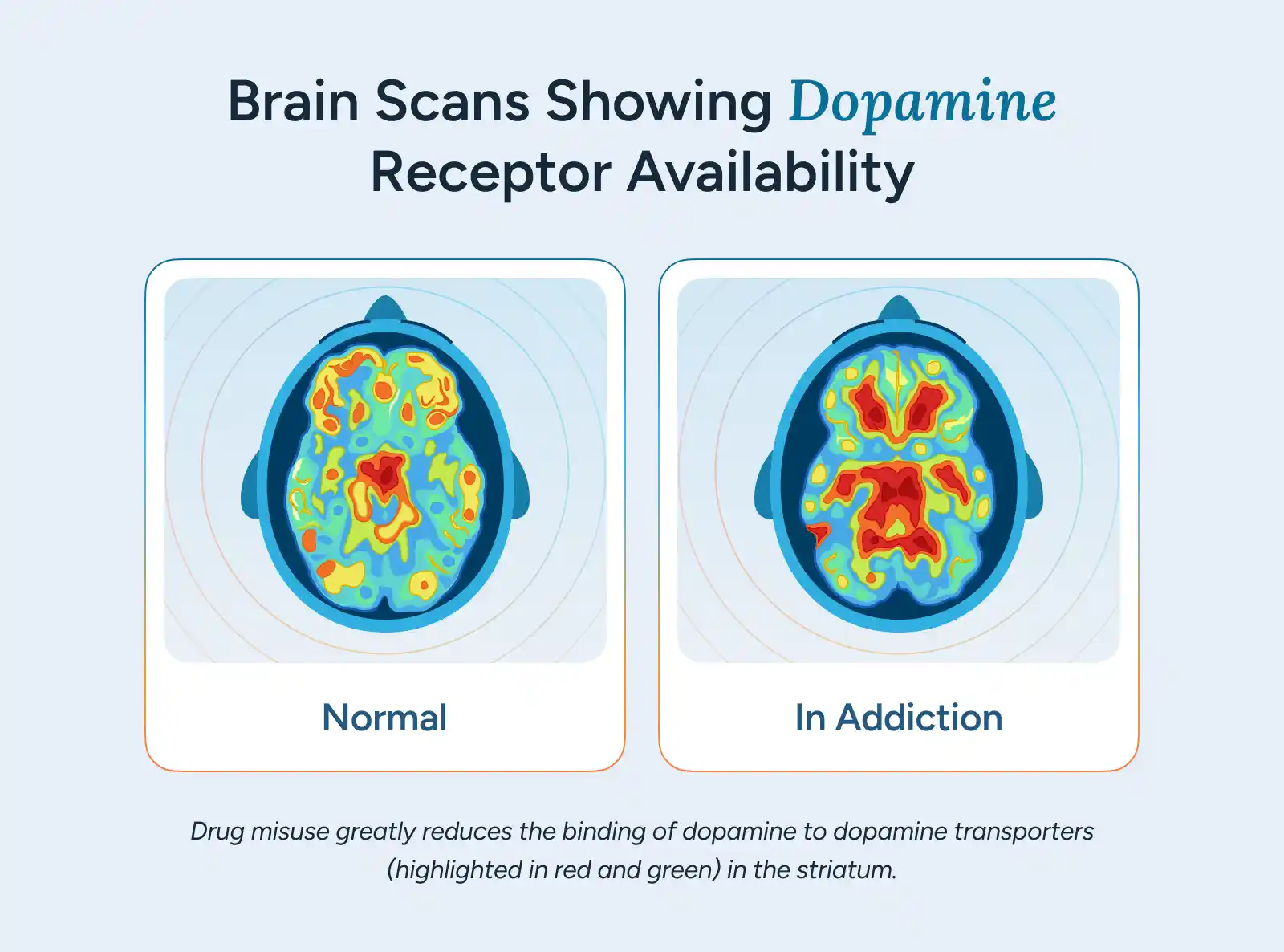
One of the key brain areas weakened by substance use is executive function, which includes processes like decision-making, impulse control, emotional regulation and planning.
These abilities are primarily governed by the prefrontal cortex, a region of the brain responsible for rational thought and judgment.
Restoring executive function is a gradual process as the brain rewires itself to prioritize healthy behaviors and avoid impulsive decisions, which can take several months to several years.
Research shows that abstinence leads to improved functioning in areas like impulse control and the ability to plan for the future, which are crucial for long-term recovery.
Therapy and cognitive exercises support brain healing. Continuing therapy for at least several months while the brain is healing executive functions and to speed up the healing process is recommended.
Substance use affects key brain regions like the amygdala, prefrontal cortex and hypothalamus. These areas are responsible for processing emotional responses and regulating stress hormones.
During substance use, neurotransmitters such as dopamine, serotonin and norepinephrine become dysregulated, leading to heightened anxiety, irritability and emotional instability.
This results in the brain’s overactivation of stress pathways, making patients feel constantly on edge and unable to manage emotions effectively.
Full healing takes time. Short-term improvements such as stress management and emotional regulation begin within weeks to months of abstinence. Full recovery of functions related to decision-making, impulse control and stress response can take 12 to 24 months or longer, especially with chronic alcohol or stimulant use.
Therapies such as Cognitive Behavioral Therapy (CBT) play a critical role in stabilizing emotional responses and rewiring stress pathways. (More on that below).
Over time, the brain continues to heal to enable patients to manage stress and cope with emotional challenges more effectively.
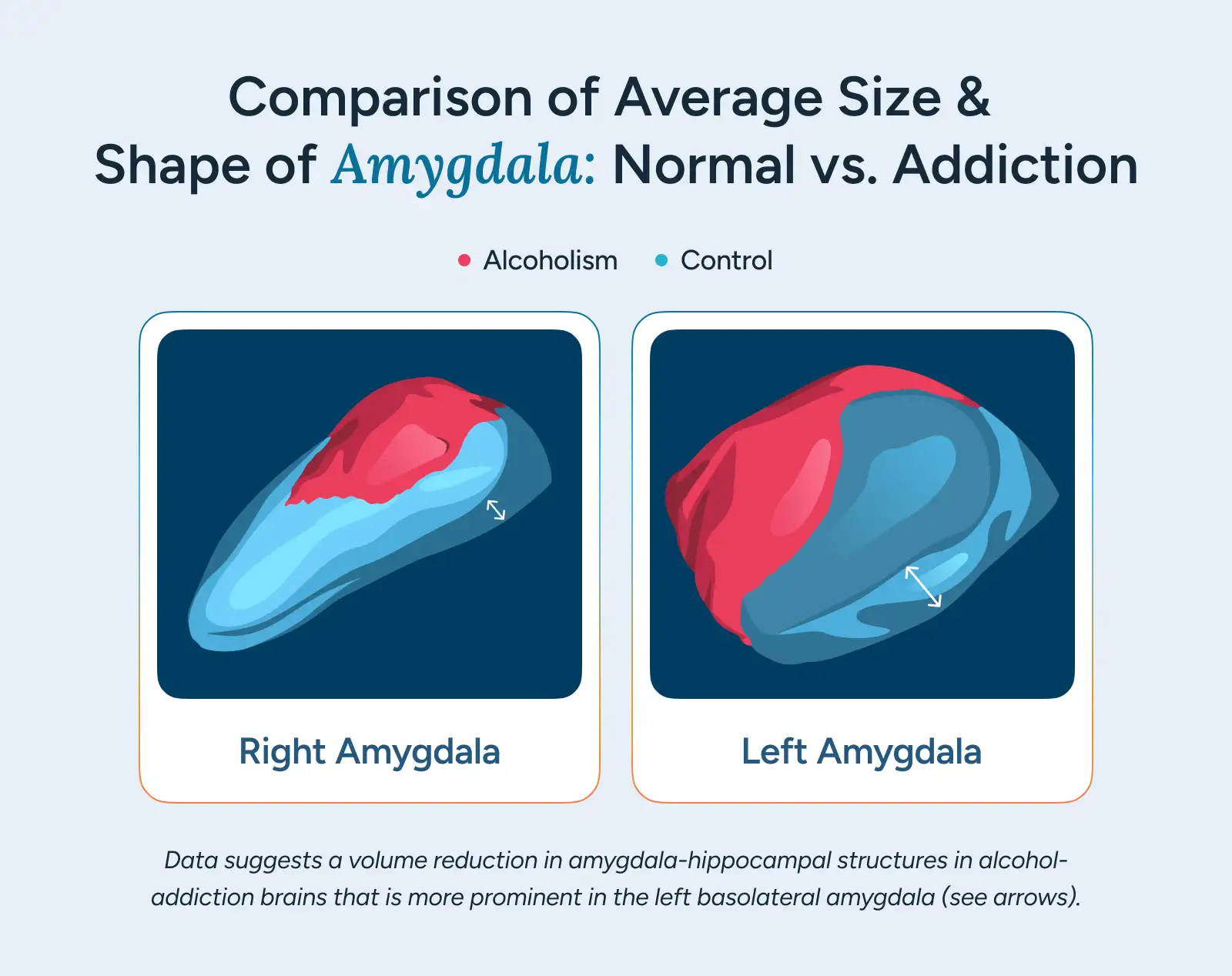
Substance use severely affects the hippocampus, the region of the brain responsible for memory and learning. Chronic drug or alcohol use disrupts its ability to form and retain new memories, often leading to cognitive difficulties.
During detox, the brain begins the process of neurogenesis, or the growth of new neurons, particularly in the hippocampus. This initial phase supports improvements in short-term memory and cognitive function, allowing individuals to better engage in recovery efforts.
Over time, the hippocampus gradually recovers, promoting better memory retention and improved learning capabilities. Full recovery of memory function may take months to a year, depending on the severity and duration of substance use.
This restoration helps patients respond better to therapy.
Chronic substance use can cause a decrease in brain volume, particularly in areas involved in memory, attention and emotional regulation.
Within a few weeks to a few months of abstinence, studies show improvement in brain structure. Recovery of brain volume, especially in areas like the hippocampus and prefrontal cortex, often takes 6 months to a year.
Most patients experience full or significant recovery in both brain structure and cognitive function, though this can take several years.
The increase in brain volume correlates with improvements in cognitive functions, such as memory, decision-making and emotional control, which all further support recovery.
Some detox medications give patients temporary relief for a specific symptom. For example, loperamide is often used to relieve opioid withdrawal diarrhea without crossing the blood-brain barrier.
However, most of the core detox medications make changes to the brain to help it heal and cope without drugs or alcohol.
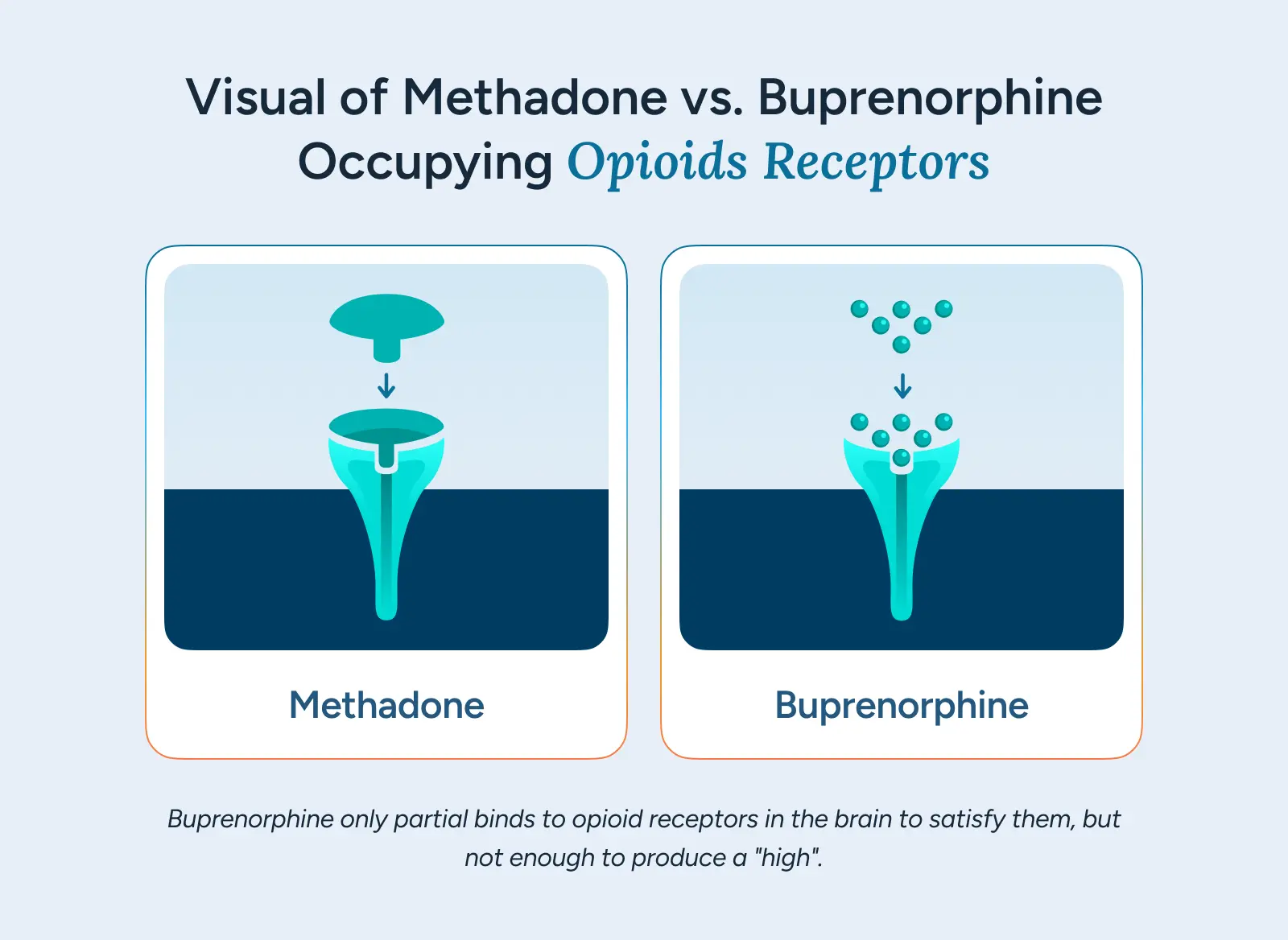
Methadone is an opioid that stimulates the opioid receptors at a lower level and longer-lasting than drugs like heroin or oxycodone. Methadone occupies the opioid receptors in the brain so they don’t signal for more opioids, which prevents opioid cravings and withdrawal symptoms.
Buprenorphine (Suboxone) works similarly to methadone but is only a partial opioid agonist, which means it binds to the opioid receptors but does not fully activate them to give off the pleasure reward. With buprenorphine occupying the opioid receptors, the receptors do not signal for more opioids. Buprenorphine is often used only during inpatient detox, but the medication can also be continued long-term to help with cravings.
Clonidine is an alpha-2 adrenergic agonist, which reduces the brain’s norepinephrine production. Norepinephrine is responsible for many opioid withdrawal symptoms, such as sweating, agitation, anxiety, muscle aches and elevated heart rate. By suppressing this brain activity, clonidine helps reduce withdrawal symptoms.
Similar to clonidine, lofexidine is an alpha-2 adrenergic agonist that reduces the release of norepinephrine. It helps ease opioid withdrawal symptoms like sweating, chills, and restlessness, making detox more manageable and helping the brain function without opioids.
Benzodiazepine (Diazepam or Lorazepam) improves GABA (gamma-aminobutyric acid) activity, which is a neurotransmitter that calms the nervous system. Alcohol withdrawal disrupts this system, causing hyperactivity, seizures, severe anxiety and alcohol tremors. By increasing GABA, benzodiazepines stabilize brain activity and reduce withdrawal symptoms.
Gabapentin (Neurontin) is an anticonvulsant that also affects GABA levels. It helps alleviate symptoms of alcohol withdrawal such as insomnia, anxiety and seizures, and can also reduce cravings during post-acute withdrawal.
Acamprosate (Campral) restores the balance between the excitatory (glutamate) and inhibitory (GABA) systems in the brain, which alcohol disrupts. It helps reduce the physical and emotional discomfort of post-acute withdrawal syndrome by normalizing neurotransmitter levels. It doesn’t prevent withdrawal symptoms but helps maintain abstinence by reducing cravings and post-detox anxiety.
Topiramate (Topamax) modulates the activity of glutamate and GABA, much like acamprosate, helping to stabilize brain activity disrupted by chronic alcohol use. It’s also believed to reduce alcohol cravings and the likelihood of relapse.
Naltrexone (Vivitrol) blocks off opioid receptors in the brain, which are part of the brain’s reward system activated when opioids or alcohol is consumed. Naltrexone cannot be given during the detox phase but is a good medication to leave with. If alcohol or drugs are used, the pleasurable effects are dulled down to reduce the appeal and help curb cravings.
Behavioral therapies can support and speed up restored brain function. While behavioral therapies are part of a detox experience, lasting brain changes are much more likely when continuing therapy for several months after detox.
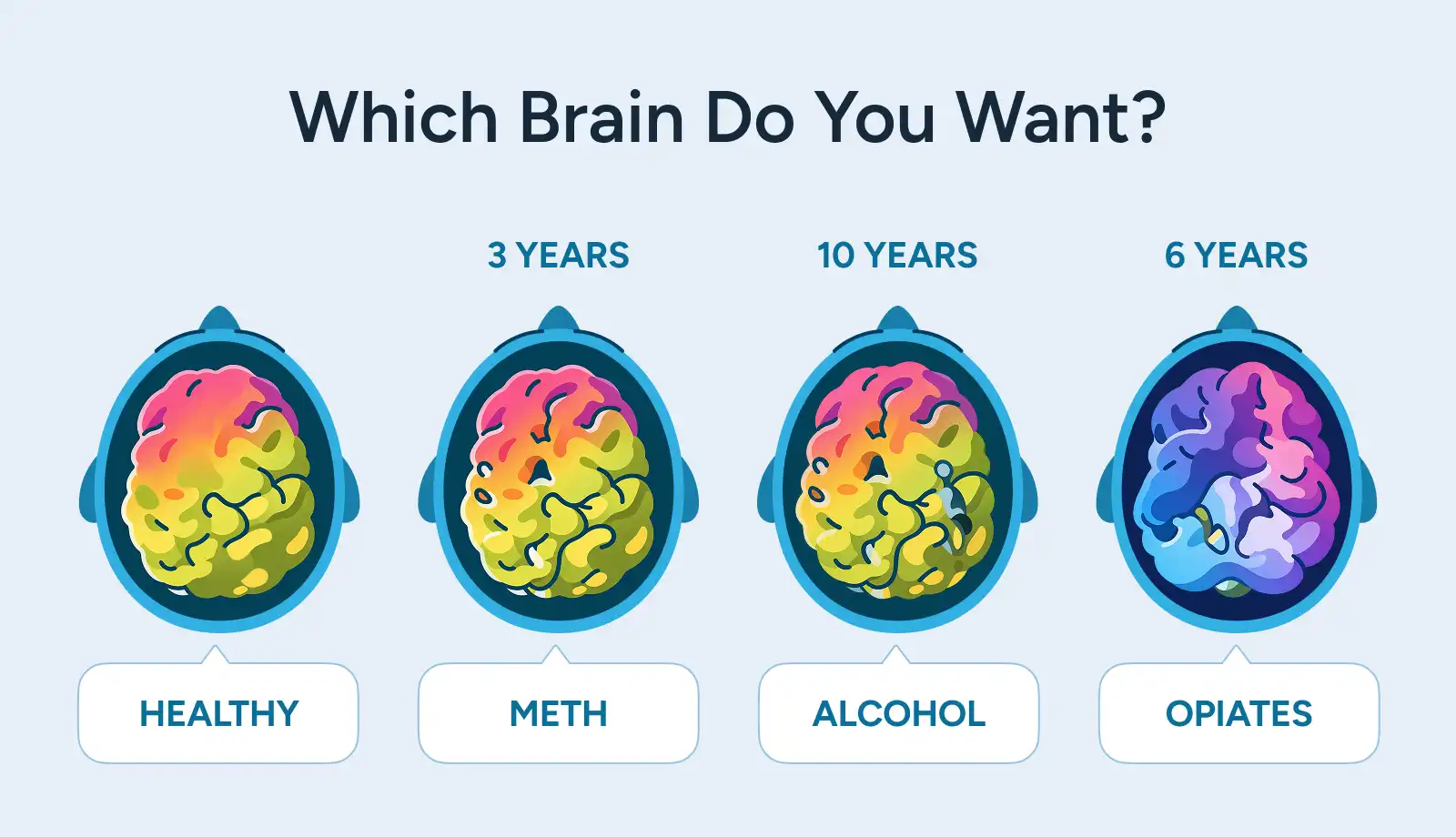
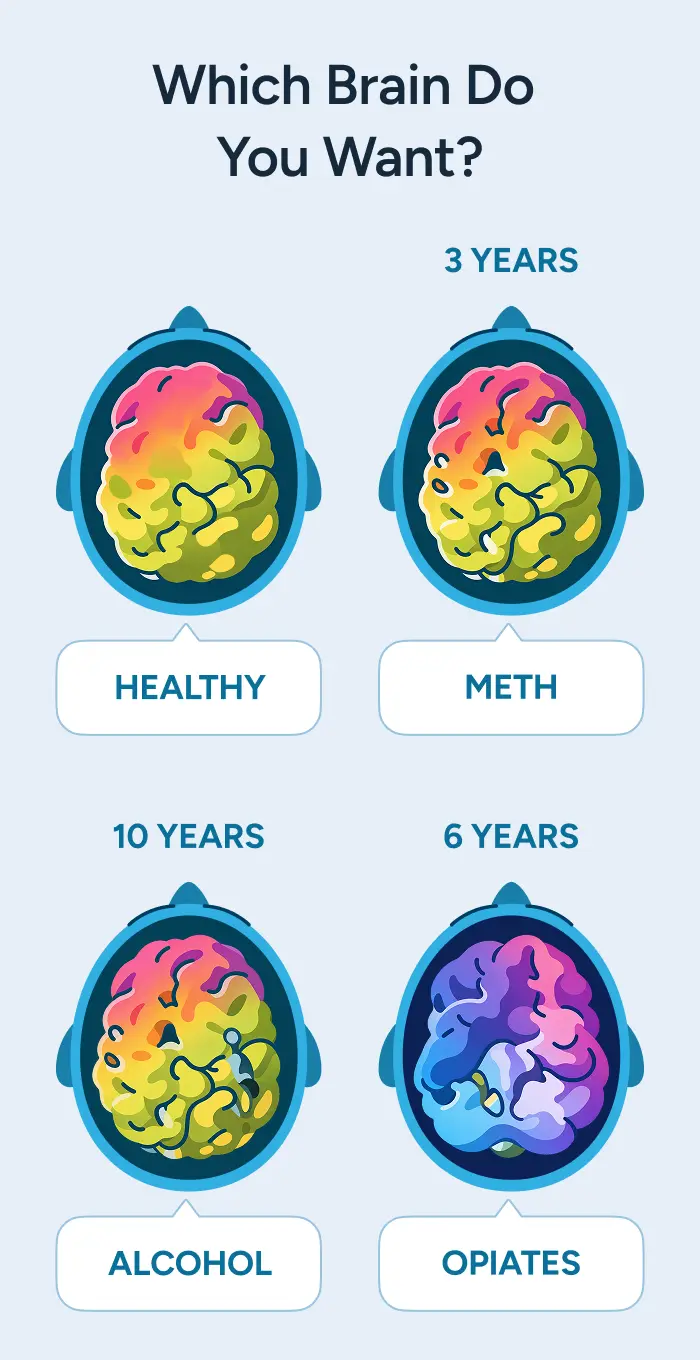
The process of healing your brain after drug or alcohol issues is complex and requires patience and a comprehensive treatment plan.
Learn more about drug and alcohol detox at The Haven Detox Group.
Sources